Extending persistence modeling to drug-induced, dose-dependent cancer persistence reveals that strategic drug-free intervals and reduced doses can improve long-term treatment outcomes.
https://t.co/c6voWBGNaz
🚨 Could treating less and resting more be the key to smarter #cancer therapies? 💡💊 Our latest preprint shows how math models can shape intermittent therapies to exploit cancer #persisters and achieve better outcomes.
🔗 read here: https://t.co/qlXUBuz9lF
@SPCGgroup@Simopompei
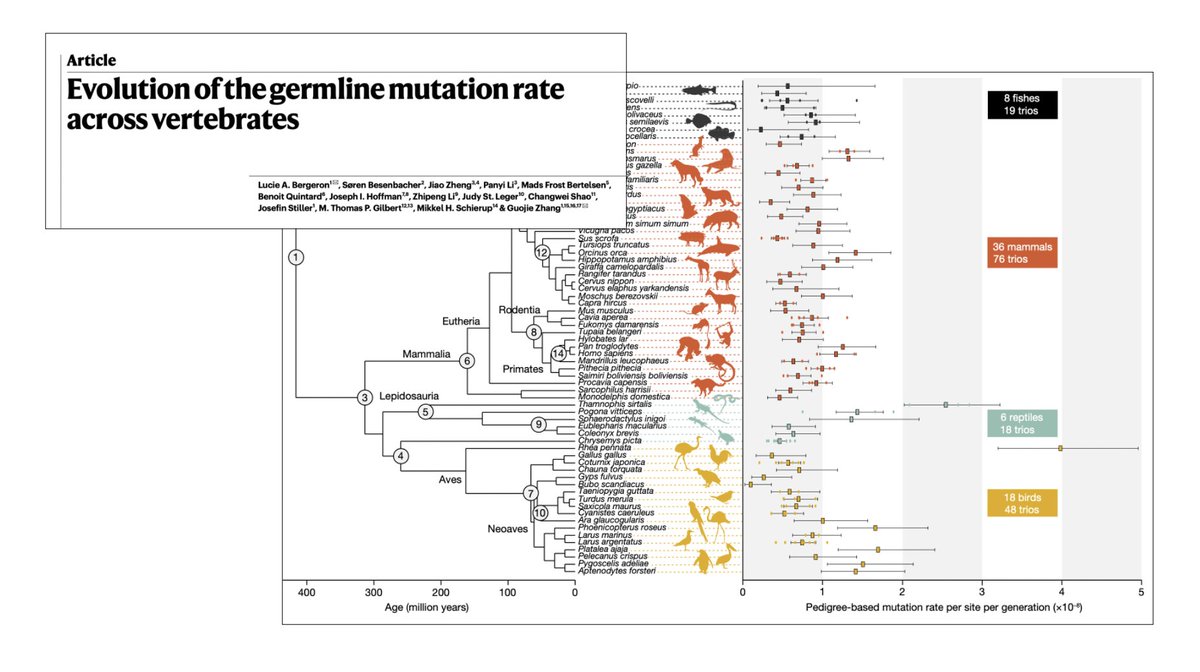
How do mutation rates compare across mammals, fishes, birds and reptiles? New work in @Nature finds:
1. Higher mutation rates in males in mammals & birds, but not in reptiles & fishes.
2. Generation time, age at maturity & fecundity affect mutation rates.
https://t.co/XfkHtCKn5f
New @SPCGgroup preprint:
Metacommunity structure preserves genome diversity in the presence of gene-specific selective sweeps.
With @Simopompei@jacrickets@joshuasweitz
bioRxiv https://t.co/ruGOPi4ghH
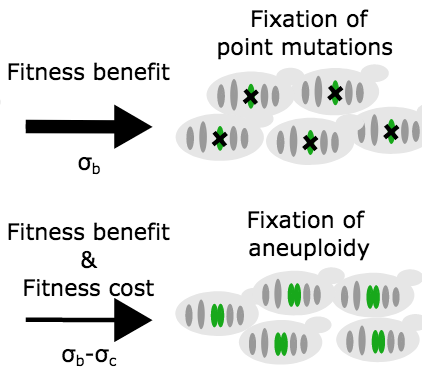
@SPCGgroup preprint: a fitness trade-off explains the early fate of yeast aneuploids with chromosome gains. The fitness landscape includes a specific advantage and a chromosome length-specific cost - with @Simopompei bioRxiv https://t.co/SyXQULDyx7
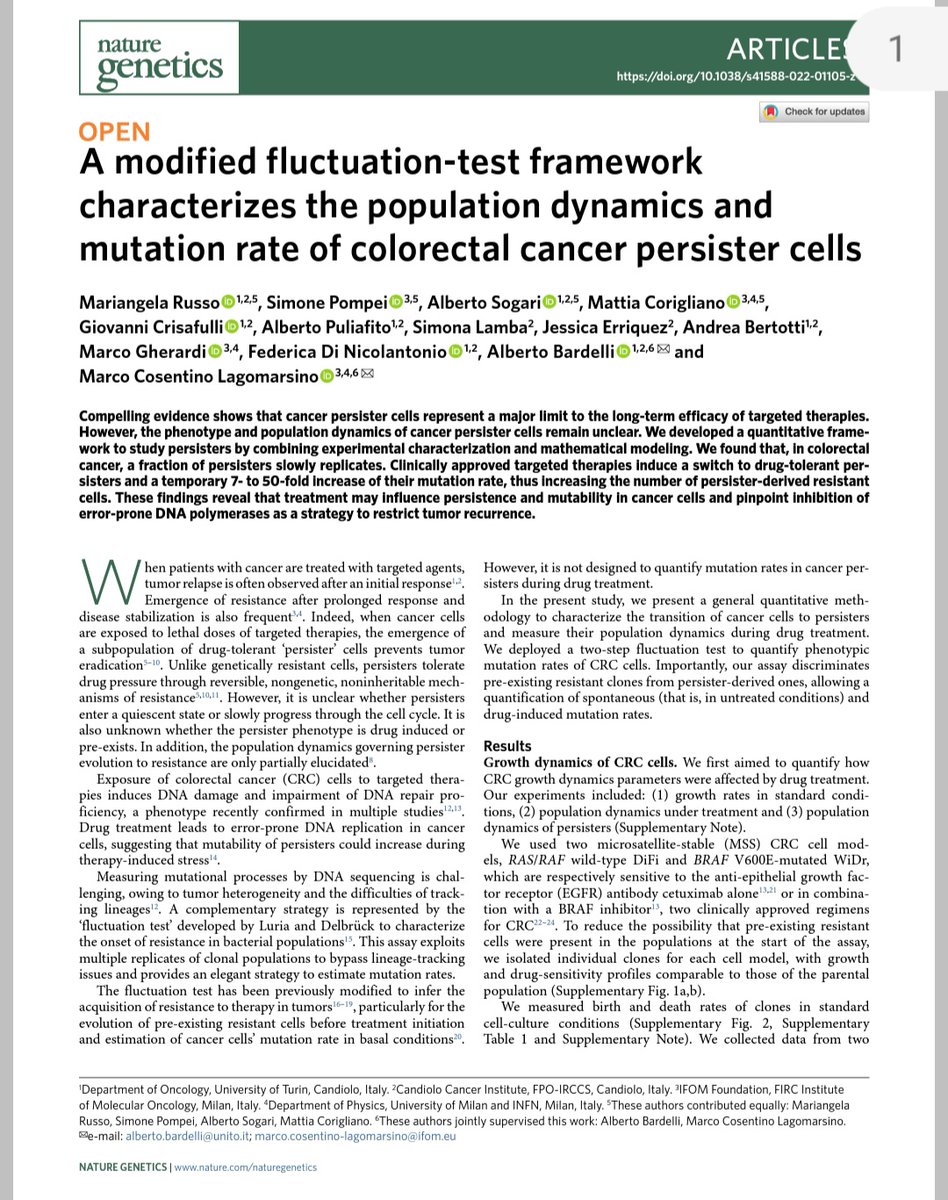
Almost 80 years ago, Luria and Delbrück measured mutation rate in bacteria. Today, in collaboration with @IFOMresearch Lagomarsino we adapted their assay to measure mutation rates before and under treatment in cancer cells. Find out more on @NatureGenet https://t.co/KLGkB8Yq3f
@BardelliLab geneticists and @IFOMresearch LagomarsinoLab physicists together against cancer. With a new Luria-Delbrück assay we found that drug-induced persister cells increase their mutation rate during anticancer therapy. More @biorxivpreprint: https://t.co/FyKMpQkpEs