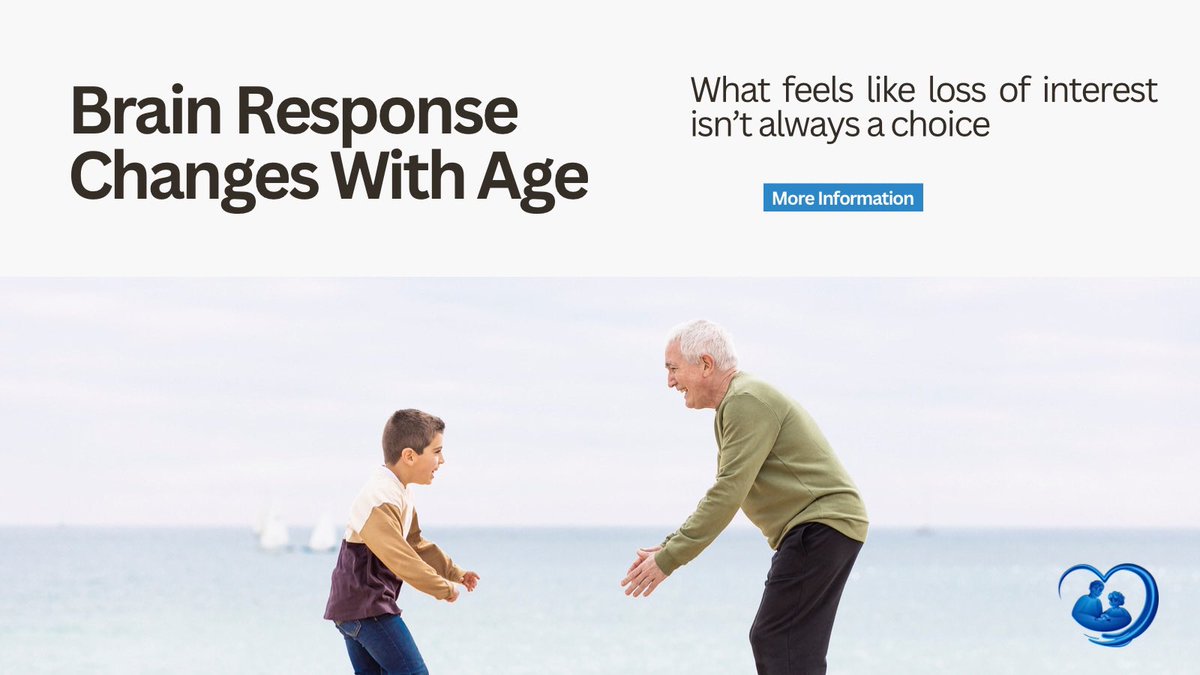
After 70, the brain’s response to novelty and reward decreases. It becomes harder to start new activities, interest fades faster, and it is easier to stick to привычное. This is not personality it is physiology.
#eldercare#aging#homecare#LosAngeles#SantaMonica
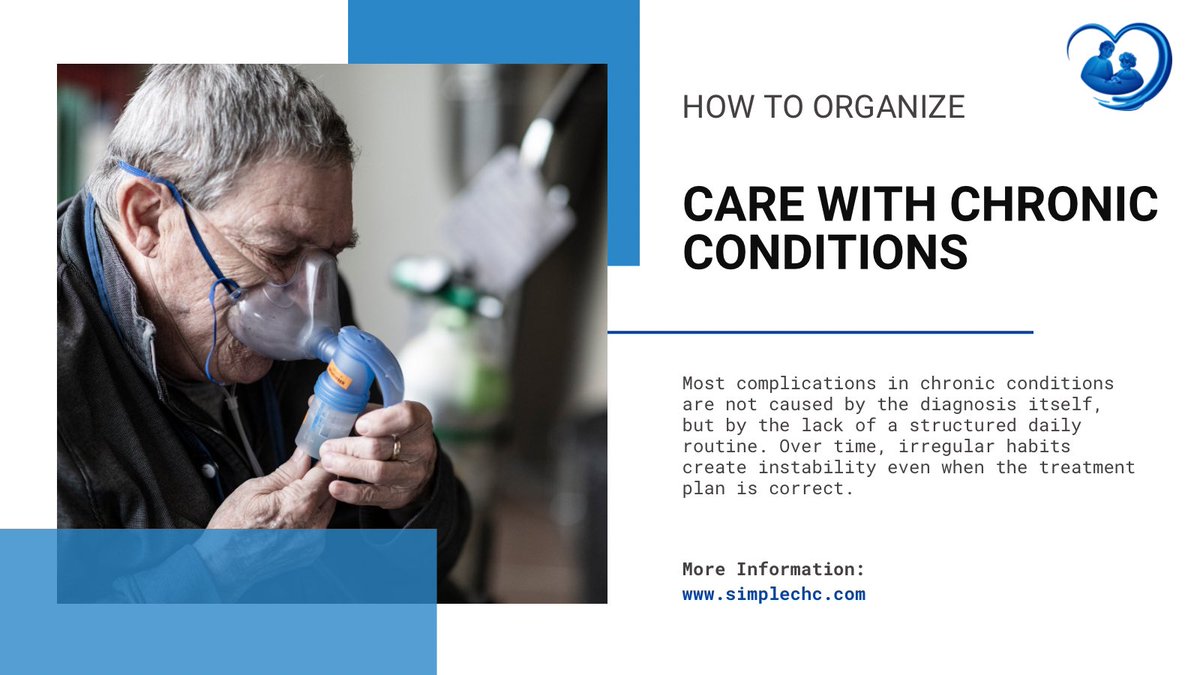
With chronic conditions, specific things matter: taking medications at the same time, not skipping meals, monitoring blood pressure or sugar levels, and not changing routines without a reason.
#eldercare#homecare#caregiving#USA
If an older adult stops watching their favorite shows, going outside, or even answering calls, it is not simply “age.” Most often, it is fatigue, loneliness, or the fact that these activities have become physically or emotionally difficult.
#eldercare#homecare#caregiving#USA
The first weeks often come with resistance. After 2–3 weeks, the reaction changes: the person adapts, becomes calmer, argues less, and starts accepting help as part of the day.
#eldercare#homecare#caregiving#USA
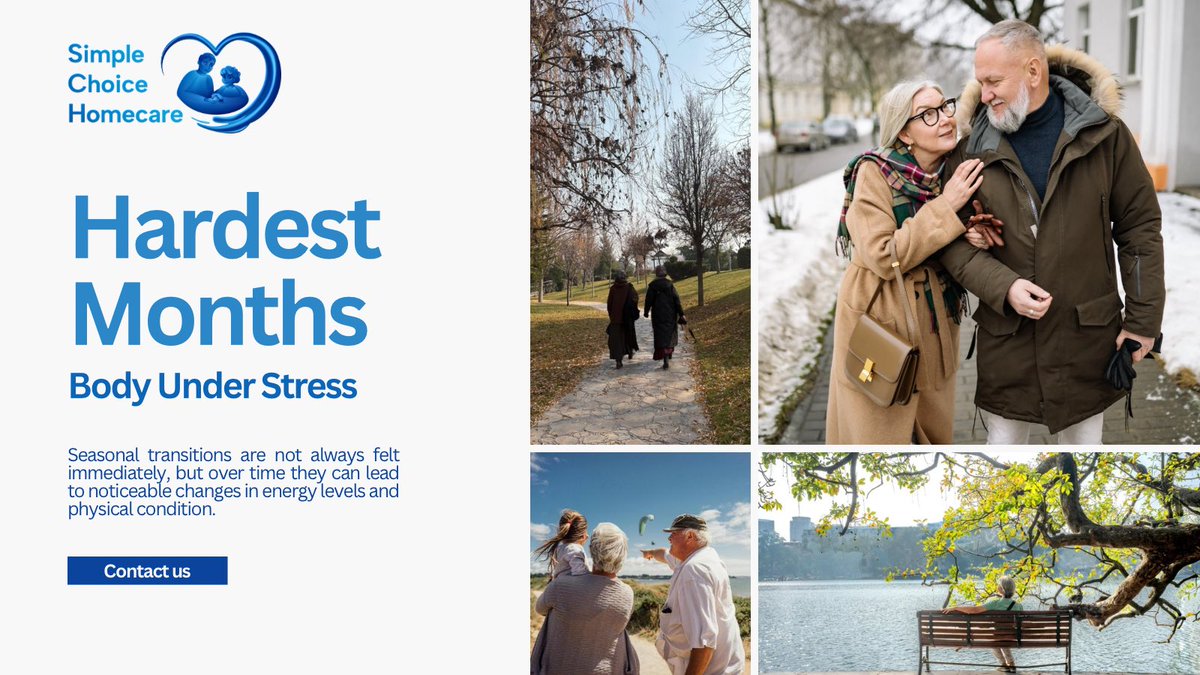
January, February, and March are usually the most difficult months. In January, activity drops after the holidays; in February, fatigue accumulates; and in March, weather and pressure changes add additional strain.
#eldercare#aging#homecare#seasonalhealth#usa
After 60, professions with low physical demand, clear tasks, and a stable schedule are the most suitable: work with clients, documents, consulting, support, and caregiving. These are roles where attentiveness and experience matter more than speed.
#eldercare#activeaging#jobs60
In the United States, older adults most often use FaceTime or WhatsApp to stay in touch with family, Uber or Lyft for transportation, Google Maps for navigation, and Medisafe for medication reminders.
#eldercare#agingtech#homecare#usa#caregiving
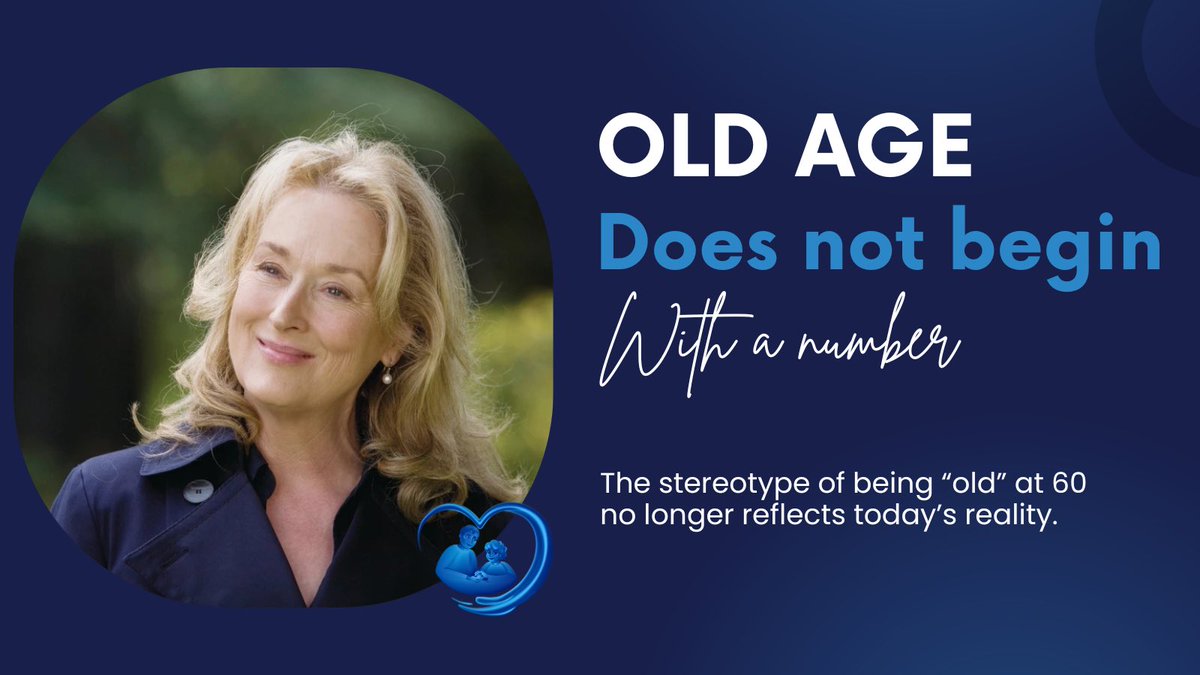
Today, 60 means active work, travel, sports, and new projects. People maintain independence and engagement for much longer. Age is not a label of being “old,” but a stage with different priorities and resources.
#aging#activeaging#eldercare#homecare#California
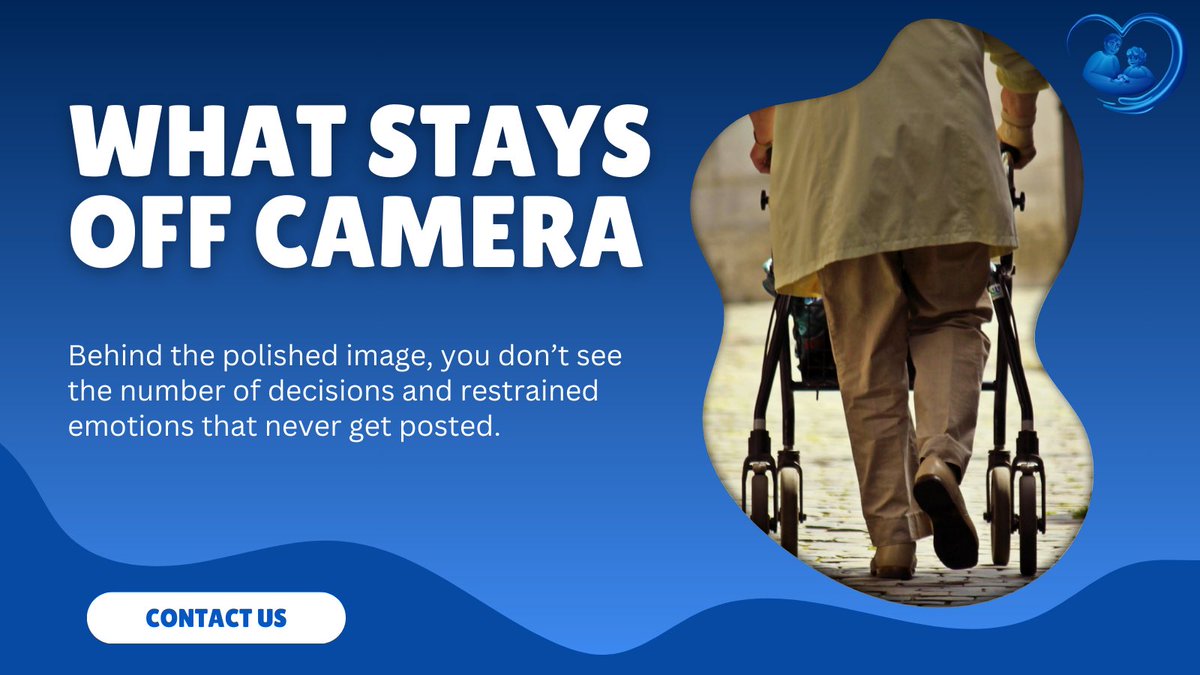
Social media never shows how many times the same question is repeated in a single day. It doesn’t show food being refused, arguments over taking a shower, or tears after the words, “I’m a burden to you.” It doesn’t show family members debating who will take responsibility.
#Care
Sometimes care is stopped not because of conflict, but because circumstances change: the condition has stabilized, the family has decided to take a pause, or the format is no longer suitable. It is important to review support in time instead of continuing it “by inertia.”
A caregiver is not a family member, not a psychologist, and not a household manager. Standard care does not include financial decisions, property management, medical prescriptions, or handling personal matters outside agreed responsibilities.
#homecare#eldercare#carestandards
Cancer is not only a diagnosis, but a long journey that people rarely go through alone. For older adults, support, attention to their condition, and respect for their pace of life are especially important — these are the things that help them cope day by day.
#WorldCancerDay
Seasonal changes directly affect the level of care, even when an older person’s condition is formally “unchanged.” In winter, the workload increases due to reduced activity, fatigue, and symptom flare-ups. In summer, care shifts toward hydration, heat control.
#eldercare
Elderly people often save not because they can’t afford it, but because they’re afraid of “asking for too much.” Medications, food, and help get postponed — just to avoid being a burden to anyone.
#elderly#eldercare#homecare#caregiving#LosAngeles#California
With age, holidays are less and less associated with joy. Noise, rush, and expectations become exhausting, while calm and a familiar routine become more important. For many older adults, the value is not in the event itself, but in how they feel on that day.
#eldercare#homecare
May the new year bring less rush and more calm days. Wishing you good health, warmth at home, and the confidence of knowing that support is there when it’s needed.
Happy New Year. 🎄
#NewYear#homecare#LosAngeles
Most elderly people are afraid of the night for very practical reasons: they can’t see the clock, it’s hard to get up, they’re afraid of falling, and there may be no one to call for help. This is a fear of vulnerability — not of the dark.
#eldercare#homecare#LosAngeles
Most often, it’s not illnesses that are dangerous — it’s habits:
• standing up too quickly;
• walking in the dark without a light;
• ignoring dizziness;
• reaching for things while standing on a stool;
• “pushing through” instead of asking for help.
The most common mistakes at the start of elder care:
• too much control
• too fast of a pace
• expecting quick results
The less pressure there is, the smoother the adaptation process becomes.
#homecare#eldercare#LosAngeles