I’m learning the skills needed to become a Virtual Assistant.
I'll be sharing what I learn, what I notice, and how I’m building structure and consistency along the way.
The prohibition of intoxicants in Islam (alcohol, drugs & all mind-altering substances) is rooted in divine wisdom that protects the individual, society & soul.
It safeguards:
1. The Intellect (Hifz al-‘Aql): The mind distinguishes humans & enables moral responsibility. Intoxicants cloud judgment, leading to regret & loss of dignity. One of the core objectives of Shari‘ah is preserving clear reasoning.
2. Life & Health (Hifz al-Nafs): Alcohol damages liver (cirrhosis), brain & heart. Hard drugs cause overdose, organ failure & death. The ban is preventive mercy for the body.
3. Freedom from Addiction: These substances enslave through dependency, stealing control over life, faith & responsibilities. Islam cuts the path early, even small amounts are forbidden.
4. Wealth (Hifz al-Mal): Addiction drains resources, leading to debt, poverty & crime. Prohibition protects from waste.
5. Family & Lineage (Hifz al-Nasl): It fuels domestic violence, neglect, divorce & birth defects. It preserves family stability & healthy generations.
6. Society: Intoxicants fuel crime, violence & disorder by lowering inhibitions. The ban promotes safety & harmony.
7. Spiritual Connection: They block proper worship, dhikr & presence of heart, weakening iman. Clarity keeps the believer close to Allah.
8. Blocking Harm (Sadd al-Dhara’i‘): Islam prevents evil at its root, not just at its peak.
9. Human Dignity: Intoxication leads to shame & degradation. Islam elevates honor & self-control.
Modern science confirms: brain damage, mental illness, organ failure, broken relationships, all validating this timeless guidance.
This isn't mere restriction, it's comprehensive divine mercy for worldly well-being & eternal success. What seems like a limit is protection.
O Allah, protect us from whatever harms our minds, bodies & souls. Grant clarity, purity & steadfastness upon what pleases You. Āmīn 🤲.
Ramaḍān 1447/2026 – Day 25
ʿIshāʾ Reflection
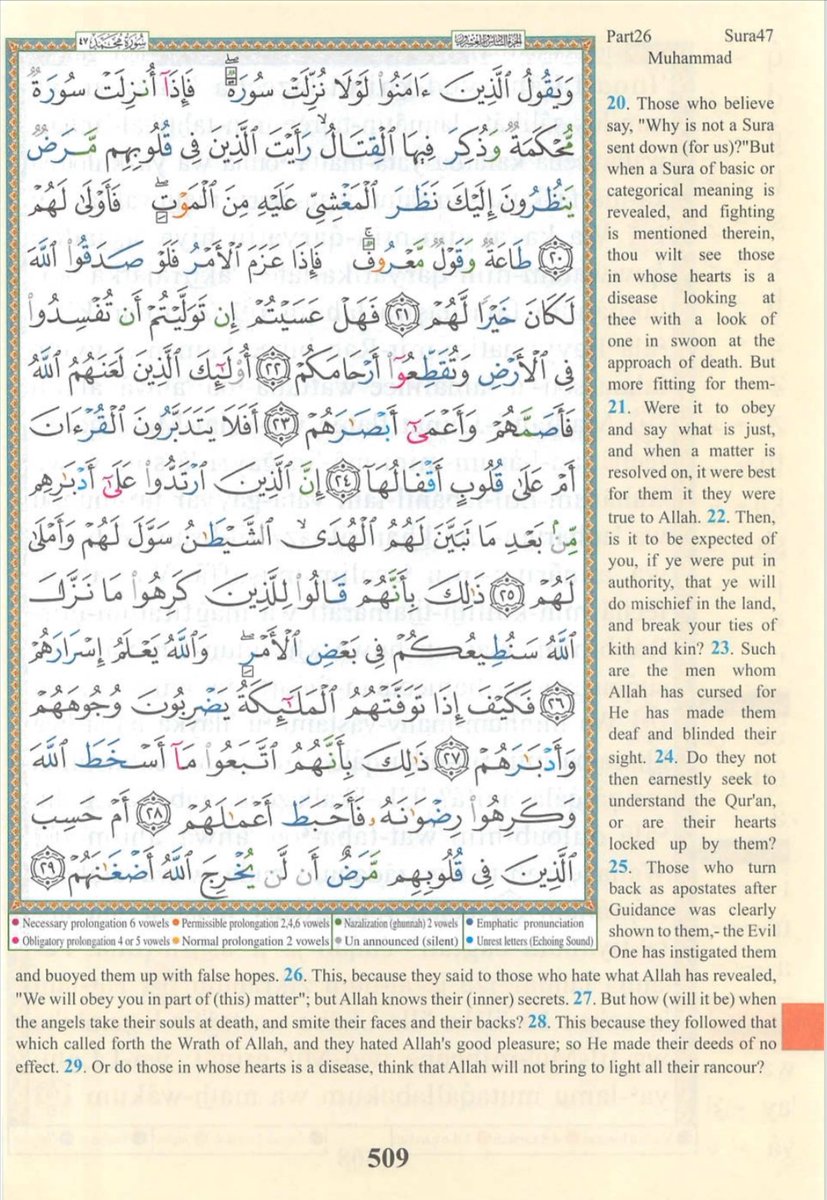
Qur'ān: Sūrah Muḥammad (47:20–38) & Sūrah al-Fatḥ (48:1–15)
These verses describe the attitudes of the believers and the hypocrites when the command for struggle and sacrifice in the path of Allah is mentioned. True believers respond with sincerity and readiness, while those with hypocrisy in their hearts react with fear and reluctance. The Qur’ān criticizes those who claim faith but turn away when responsibility and sacrifice are required. They are also warned against severing family ties and spreading corruption in the land, actions that lead to spiritual blindness and distance from Allah’s mercy.
The passage also calls people to reflect deeply upon the Qur’ān rather than reciting it without understanding. Those who ignore its guidance allow their hearts to become hardened and sealed. Allah reminds believers that obedience to Him and to His Messenger brings forgiveness and immense reward, while turning back after guidance has become clear leads only to loss and regret. The verses further encourage believers to remain steadfast and generous in supporting the cause of Allah, reminding them that Allah is self-sufficient while human beings are in constant need of Him.
Sūrah al-Fatḥ then opens with the announcement of a clear victory granted to the Prophet (ṣallāLlāhu 'alayhi wa sallam). This victory signifies divine support, forgiveness, and the completion of Allah’s favor upon His Messenger and the believers. It reassures the faithful that Allah strengthens their hearts and grants tranquility during times of uncertainty. At the same time, the passage exposes the excuses of those who remained behind out of fear and worldly concerns. Their hesitation contrasts with the faith and commitment of the sincere believers, teaching that true success lies in trusting Allah, obeying His Messenger, and remaining steadfast in times of trial.
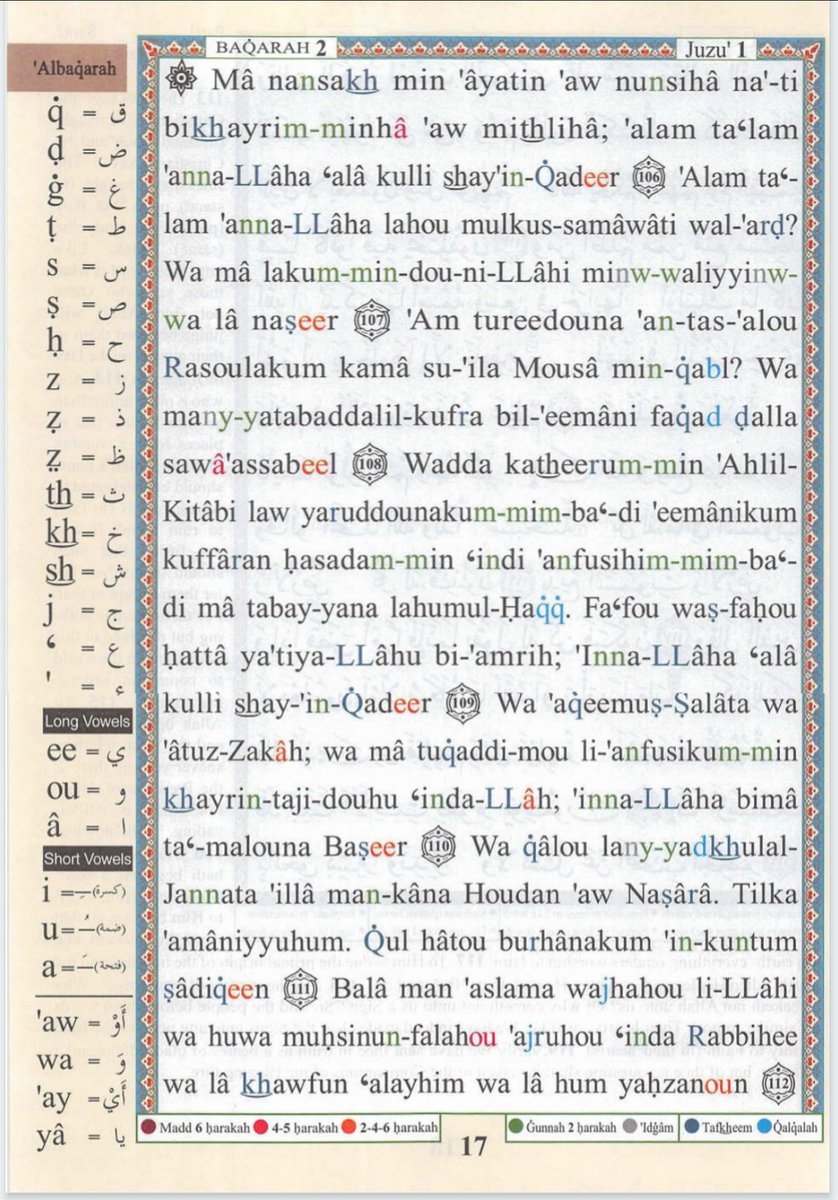
See transliterations in the first comment 👇
Dear Muslim,
Now that we know that it pains Shaytan and the little Shayātin very badly when we speak of Islam, don't hold back on your Islam. Post it everyday like your breath depends on it. Affirm and reaffirm that it is the only true faith in the sight of God. Affirm and reaffirm the truth of Islam, spread its message and never shy to make it known that you are proud and grateful for being a Muslim.
Let the little Shayātin feel the pain and never get healed from it until they respect your faith as you've always respected theirs.
AlhamduliLlah for Islam. There will never be a blessing greater than being a Muslim. May we live and die ONLY as Muslims. Āmīn.
HasbunaLlah wa ni'mal wakīl. That Corp member, may Allah admit him to Jannah and comfort his family and loved ones. Āmīn.
Our government must offer an explanation. This is too sad and it is extremely disturbing that anyone could be taken by terrorists, tortured and killed just like that.
We cannot continue like this. Leaders in the North, government officials across levels, NYSC representations, everyone must offer an explanation. This is too saddening.
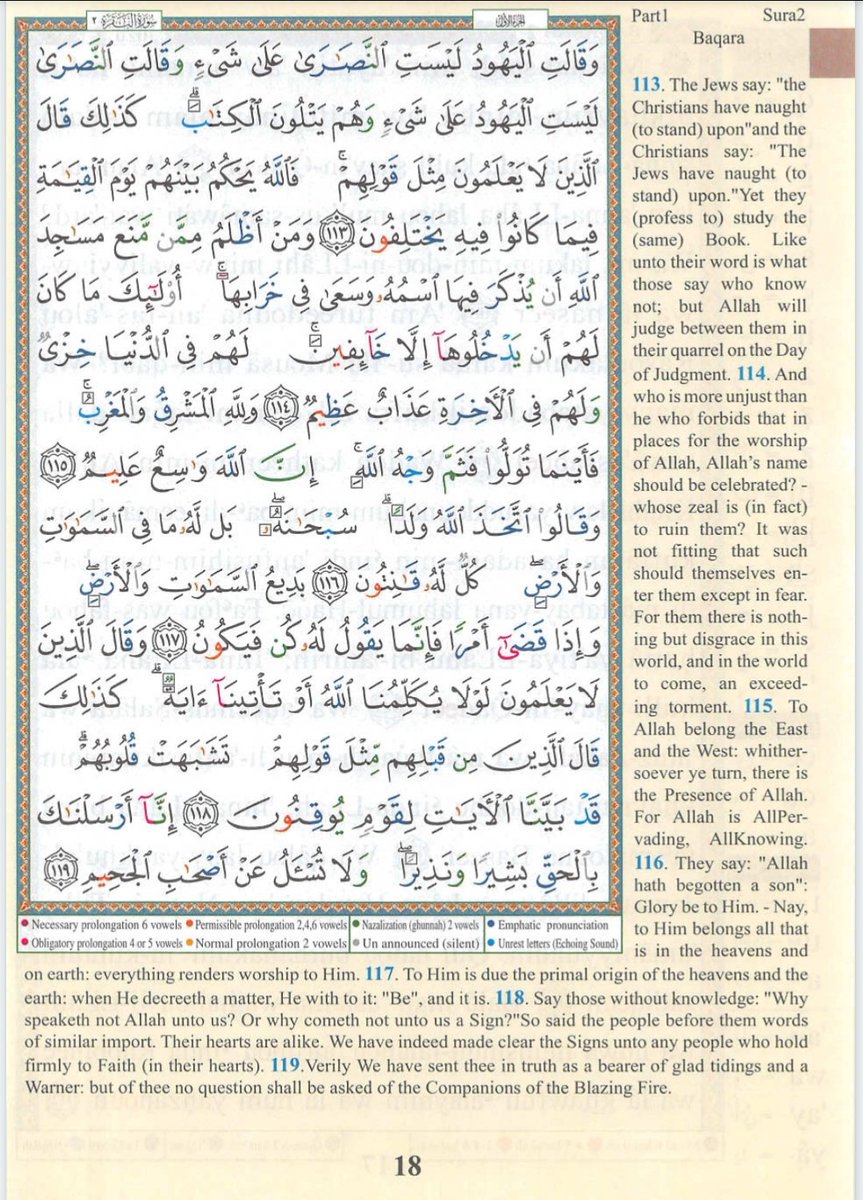
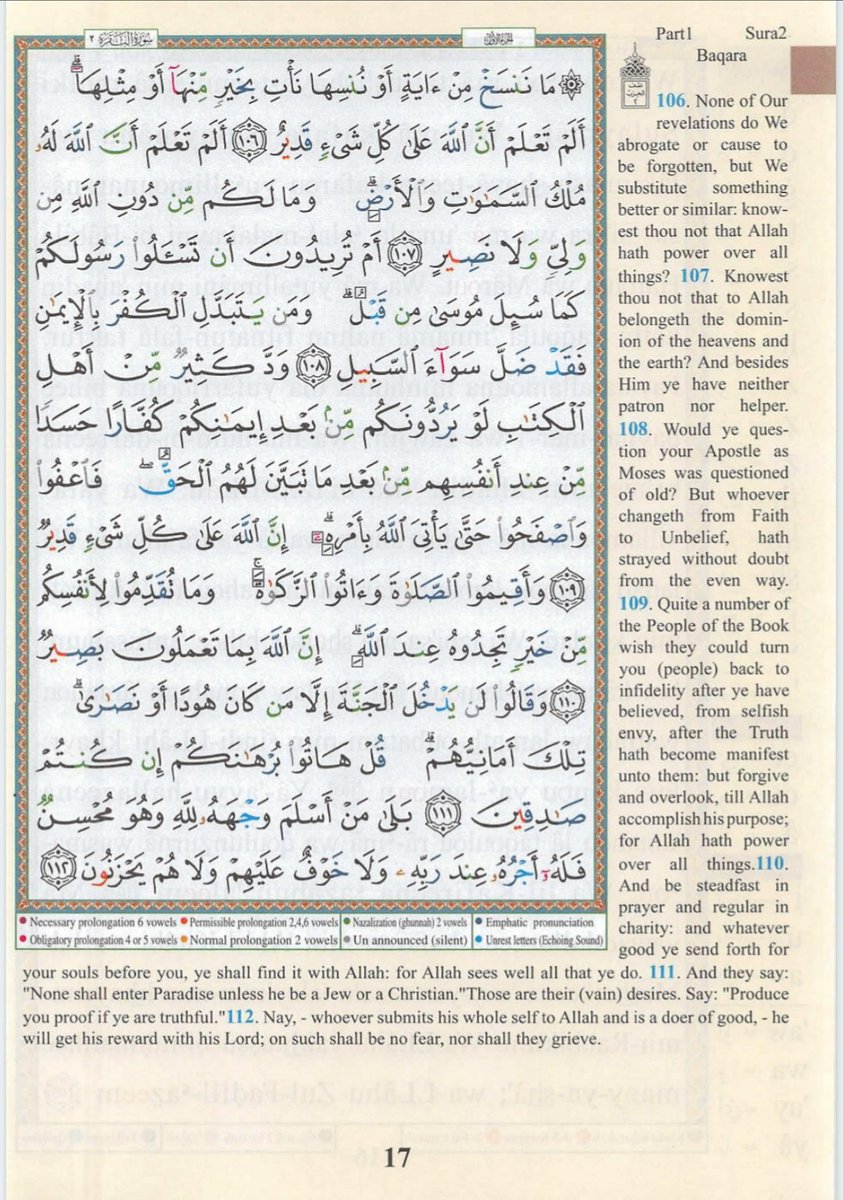
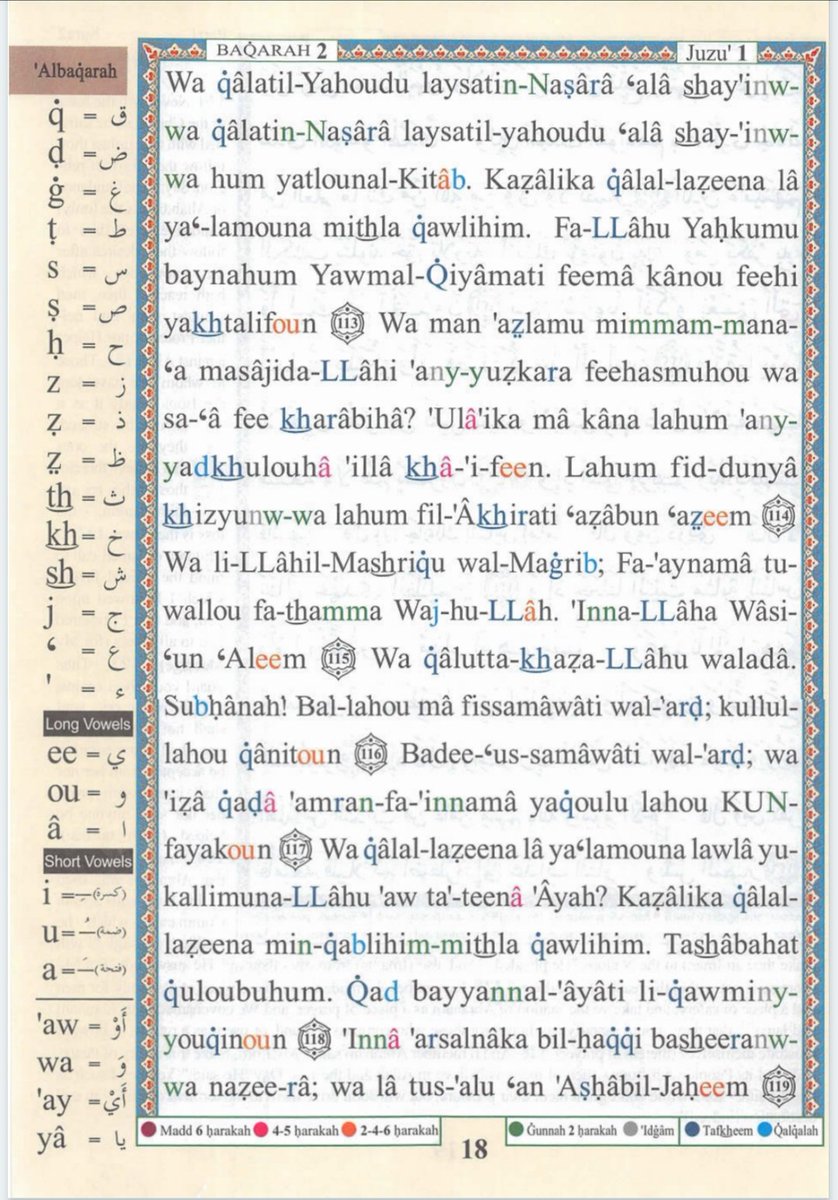
Pages of the Glorious Qur'ān today, Friday 6/2/26 (18 Sha'bān 1447AH), Sūrah al-Baqarah (2): 106-119, tafakkur verses 2: 116
Theme: Allah has no need for a child
{وَقَالُوا۟ ٱتَّخَذَ ٱللَّهُ وَلَدࣰاۗ سُبۡحَـٰنَهُۥۖ بَل لَّهُۥ مَا فِی ٱلسَّمَـٰوَ ٰتِ وَٱلۡأَرۡضِۖ كُلࣱّ لَّهُۥ قَـٰنِتُونَ}
"They say, Allāh has taken a son. Exalted is He! Rather, to Him belongs whatever is in the heavens and the earth. All are devoutly obedient to Him".
LESSONS:
1. Allah is absolutely transcendent (tanzīh) and free from deficiency.
The claim “Allah has taken a son” is rejected because sonship implies need, likeness, and biological or metaphysical dependence, none of which befit the Creator. “Exalted is He!” teaches us to purify our beliefs about Allah from human assumptions.
2. True belief begins with correct tawḥīd.
This verse places a clear boundary between Islamic monotheism and any theology that assigns divine partners, offspring, or shared divinity. Sound faith is built on recognising Allah as One, unique, and unlike His creation.
3. Complete ownership belongs to Allah alone.
“To Him belongs whatever is in the heavens and the earth” means everything, souls, wealth, power, knowledge, angels, prophets, nature, belongs to Allah by creation and lordship. This corrects arrogance and reminds us we are trustees, not owners.
4. All creation is under Allah’s authority and willingly submits to His decree.
“All are devoutly obedient to Him” teaches that the universe runs by Allah’s command: the sun, the seasons, life and death, provision and restriction. Even when humans disobey morally, they still remain under His dominion and cannot escape His decree.
5. The verse calls to humble worship, gratitude, and responsibility.
If Allah owns all and all are submissive to Him, then our proper response is: sincere worship, obedience, and surrender, especially in speech about Allah, in how we use His blessings, and in rejecting claims about Him without knowledge.
Sometimes gratitude overwhelms the heart, so deeply that all one can do is cry, pause, reflect, and cry again. It is a quiet moment where the soul recognizes the weight of Allah’s mercy and the generosity of His care.
Al-ḥamduliLlāh for His countless blessings, seen and unseen.
AstaghfiruLlāh for our shortcomings, negligence, and failures.
Mā shā’a Allāhu lā quwwata illā biLlāh, all goodness is by His will alone, and all strength is only through Him.
O Allah, accept our gratitude, forgive our lapses, increase us in Your favour, and never deprive us of the sweetness of recognizing Your blessings. Āmīn.