Maaza Mengiste is a 2026 MacArthur Fellow! The unrestricted $800,000 grant will support her next novel, set in interwar Berlin, along with her work translating African fiction and archiving photographs of Italy's 1935 invasion of Ethiopia 📚✨ https://t.co/74H1CiEewV
The Dangote factor of leapforging intra African trade via value addition & the @AfCFTA
Aliko Dangote's investments illustrate this potential of valuevaddion & the @AfCFTA concretely. Having built Africa's largest oil refinery (650,000 barrels per day, with expansion to 1.4 million bpd underway), Dangote has sharply curtailed Nigeria's decades-long dependence on imported fuel & imported fuel prtice: by early 2026, domestic production covered over 90 per cent of national petrol demand, with the refinery overtaking imports as Nigeria's primary fuel source for the first time since independence. Dangote has since announced a second, 700,000 bpd refinery for Kenya, intended to supply Kenya, Tanzania, Uganda, and South Sudan..., with construction due to begin later in 2026. Since fuel imports account for an estimated 15 per cent of Africa's trade bill, re-sourcing this trade toward intra-continental refineries could, in principle, lift intra-African trade from its current 14–16 per cent share toward the 25–30 per cent within a few years — a pace that would considerably outstrip the decades it took the continent to reach its present level. This is illustrative rather than a rigorous projection, but it points to the kind of processed/manufactured-goods trade that can ignite the AfCFTA agenda.
Dear followers, please see this new paper on the labor market and macroeconomic effects of low birth rates. Although almost all analysts and policymakers are very worried about the prospect of stagnant and aging populations, the evidence from cross-country and within the United States points to the opposite: lower birth rates predict faster growth of GDP per worker and wages. The reason: labor scarcity encourages more technology adoption.
¿Un método correcto?
Este artículo de Bulutgil y @hmylonas cuestiona la idea de que hay un método siempre preferible en las ciencias sociales
Una buena contribución a los debates actuales sobre métodos que defiende el pluralismo metodológico
Descarga: https://t.co/f4uqqRKqRy
Great video about the competition to African critical minerals, energy& against its industrialization etc.. that may lead to a new form of colonization disguised as partnership by major powers. Unless African leaders act strategically, collectively, for economic & political sovereignty, it will be a huge African challenge.
https://t.co/Q56qFkKwJW
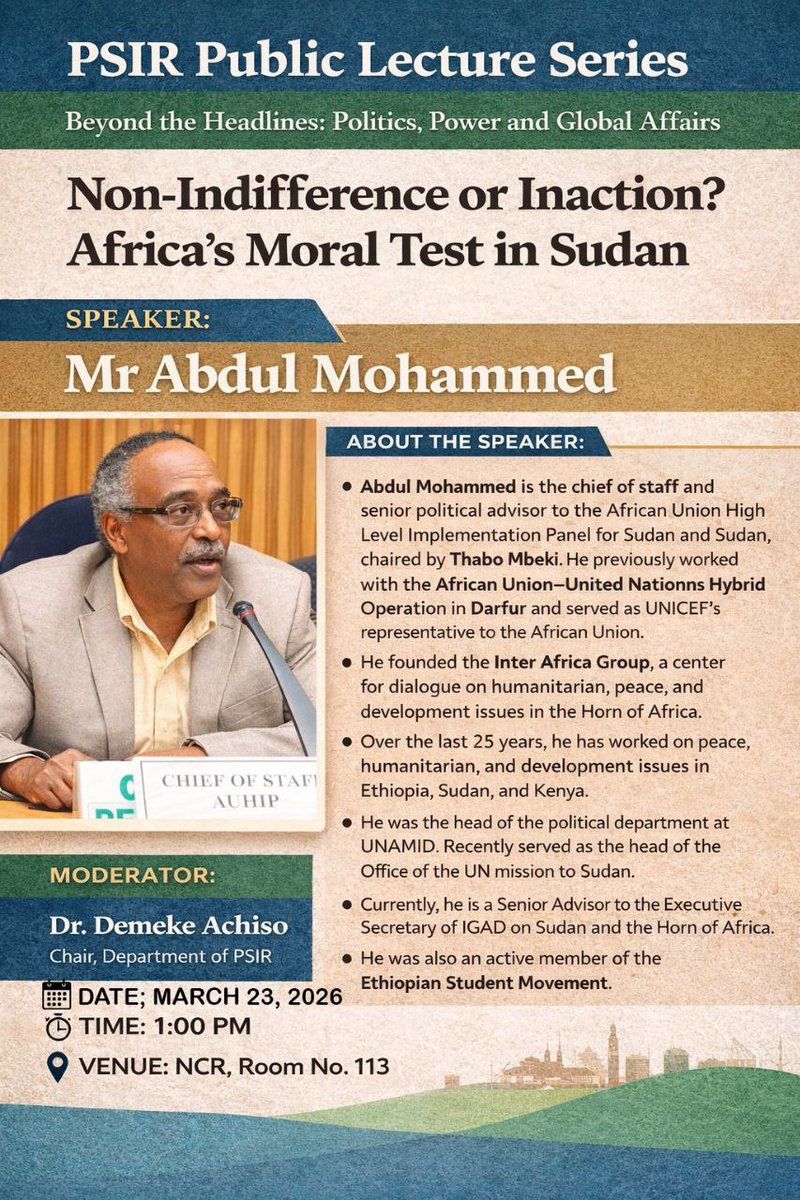
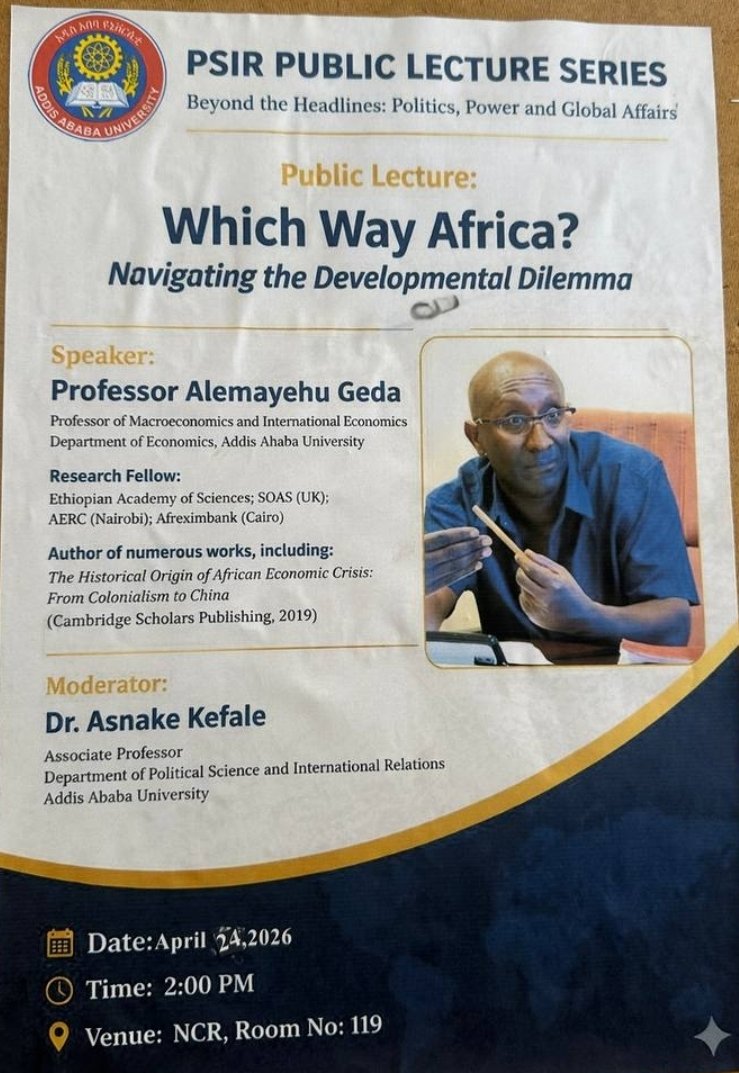
We had a wonderful discussion today at my public lecture at the dept of pol Science an Int'l relation, AAU . We debated about the need for reviving thev ECA's 1989/91 African alternative to SAPs, as alternative to SAPs 2.0 runing today in many countries - The Adedeji framework 2.0. For those interested, check this link for the power point presentation.
(PDF) Which Way Africa? Navigating the Development Dilemma & Reviving the Adedeji Framework 2.0 https://t.co/eGvIWt7q0m
Macro policy in Africa has been run through IMF/WB's SAPs in the 1980s & 1990s, with deterimental effect on the continent. Despite that, it still is the dominant policy framework today as SAP2.0. It is being rerun in a number of countries, including Ethiopia, Zambia, Ghana, Nigeria, Egypt ...etc in 21st century& as we speak. Was/Is there a better alternative?. I will deliver a lecture at AAU, Dept of Pol Science & Int'l relation (PSIR) graduate program on this topic. I'll argue there was & still there is a better alternative & we need to revive the 1990s African Alternative to SAPs of the @ECA_OFFICIAL for that - what I am calling the "Adedejie Framework 2.0". Join us if you are around.
Jürgen Habermas has passed away. In an age of increasingly ideological distortion, his steadfast advocacy of self-critical, communicative rationality will remain with us. R.I.P.
አሁን ባለው የአገራችን ተጨባጭ የፖለቲካ ሁኔታ በሥራ ላይ ያለውን ፌደሬሽን ሙሉ በሙሉ መቀየር ቢፈለግ፣ ለውጡ ያለ ደም አፋሳሽ ግጭት/ጦርነት የሚቻል አይሆንም፡፡ ከብሔረሰቦች መብት ጋር ተያያዘው የተገነቡ ተቋማትን መቀየር ብዙ ጊዜና ከፍተኛ ጥረት ይጠይቃል፡፡ ብዙውን ጊዜ እንዲህ ዓይነት ተቋማት የሚቀየሩት ተቋማቱን ለመቀየር የሚፈልጉ ተፎካካሪ ልኂቃን ሲኖሩ፥ እነኝህ ልኂቃን አሳማኝና አሰባሳቢ ትርክት መፍጠር ሲችሉ፥ ብሎም ልኂቃኑ በሂደት ጠንካራ ተገዳዳሪ ኀይል መገንባት ሲችሉ ነው፡፡
ስለዚህ በአገራችን አሁን ባለው ሁኔታ ፌደሬሽኑን እንዳለ ለመቀየር ቢፈለግም በቀላሉ የሚሳካ ጉዳይ አይሆንም፡፡ ፌደሬሽኑ ያሉበትን ጉድለቶች በማረምና በማሻሻል የብሔረሰቦችን መብት ከአሁኑ በተሻለ መንገድ ማስከበር እና የኢትዮጵያን አንድነት ማጠናከር ግን ይቻላል፡፡ ለዚህም ሲባል ፌደሬሽኑን በአንድ ላይ ተሰባስበው የሚኖሩትን ብቻ ሳይሆን ከሌሎች ብሔረሰቦች ጋር ተሰበጣጥረው የሚኖሩትን ብሔረሰቦችን መብትም በሚያስከብር መልኩ ማረም አስፈላጊ ነው፡፡
“An entire ethnic regime change is a rare incident in modern history; for example, Bolshevik counterelites, armed with socialist, Marxist-Leninist discourses on ethnicity and political community, assumed hegemonic power over their opponents after a very violent and protracted civil war, and established the Soviet Union as a multiethnic federal state with affirmative action policies and passport ethnicity. A similar process happened with Turkish nationalist counterelites who successfully fought against both the Ottoman sultan and European occupation. They took power, armed with a new Kemalist discourse on ethnicity and nationhood, achieved hegemonic power against their opponents, and established an antiethnic regime based on assimilation in Turkey. Such radical change occurs very rarely and is often preceded or accompanied by war and violence.”
Sener Akturk, Regimes of Ethnicity and Nationhood in Germany, Russia and Turkey (Cambridge: Cambridge University press, 2012), pp. 11-12.
“Many nationalists came from diaspora or overseas populations. Some combined a sense of nostalgia for a homeland with a sense of shame at its backwardness compared with the free institutions and vigor of their host society.
Borderlands, where identity was problematic or threatened, were also sources of nationalism. During the 1930s the Germans in eastern borderlands were prominent in German racial nationalism, and likewise Russians in border zones were overrepresented in nationalism movements at the nineteenth century. Many nationalists were of mixed ethnic descent and conscious of this: Zia Gokapl, the philosopher of Turkish nationalism, was of Kurdish descent; Patrick Pearse was one of many Irish nationalists born to English and Irish parentage; Thomas Masaryk, the Czech historian was Slovak birth; and Adam Mickiewicz was of Polish and Jewish descent.”
John Hutchinson, Nations as Zones of Nationalism (London: Sage, 2005), pp. 64-65.
በአገራችን የፖለቲካ ተዋጽዖ ውስጥ ስለ [ዘውጌ] ብሔርተኝነት ሲነሳ፣ ተደጋግመው ከሚቀርቡት ጉዳዮች መካከል አንዱ ብሔርተኝነትን ከኋላቀርነት ጋር የሚያይዘው እይታ ነው፤ ሰዎች በሰለጠኑት አገሮች ውስጥ እየኖሩ እንዴት [ዘውጌ] ብሔርተኝነትን ያቀነቅናሉ ሲባል ይደመጣል፡፡ ሁለተኛው ደግሞ እንደ ሰርገኛ ጤፍ ነን፤ ተዋልደና ተዛምደናል የሚለው እይታ ነው፡፡ አንዳንዶች በሴት አያቴ ከዚህ፣ በወንድ አያቴ ከዚያ፣ በእናቴ ከዚህ በአባቴ ከዚያ ስለሆንኩ እኔ [ዘውጌ] ብሔርተኛ ልሆን የምችልበት እድል የለም ይላሉ፡፡ ይህ በአገራችን በተለይ በሥነ ጽሑፍና የሐሳብ ጥራት እምብዛም ባልዳበረው በአማራ ብሔርተኝነት አካባቢ ጎላ ብሎ የሚታይ ይመስላል፡፡ ከላይ የቀረበው ጽሑፍ እንደሚያሳየው እንዲህ ዓይነቱ እይታ ግን የተሳሳተ ነው፡፡