Carl Jung was right when he said: in my experience, I have found that the solutions to all of life’s most intractable problems are not found through any form of intellect or cleverness.
They are solved simply by moving on.
Important life lessons I wish I knew years ago:
1 lost money can be found, lost time is lost forever - protect what matters most
2 to learn, unlearn, relearn and then change yourself is a superpower
3 you are not your job
4 networking is about giving
5 the best teacher is your last mistake
6 good manners is as important as good education
7 do not take your good health for granted
8 be a better friend and value relationships
9 if you are waiting for a title to lead, you are not ready to lead
10 a work sponsor is more important than a mentor
11 a good story is data with a soul
12 stop worrying about what others think of you
13 if you want an easier life, work on harder problems
14 best teachers are life long students
15 imposter syndrome is real, and a good thing
16 fight against a sense of entitlement
17 half the battle is showing up
18 love and cherish your parents by giving them your time
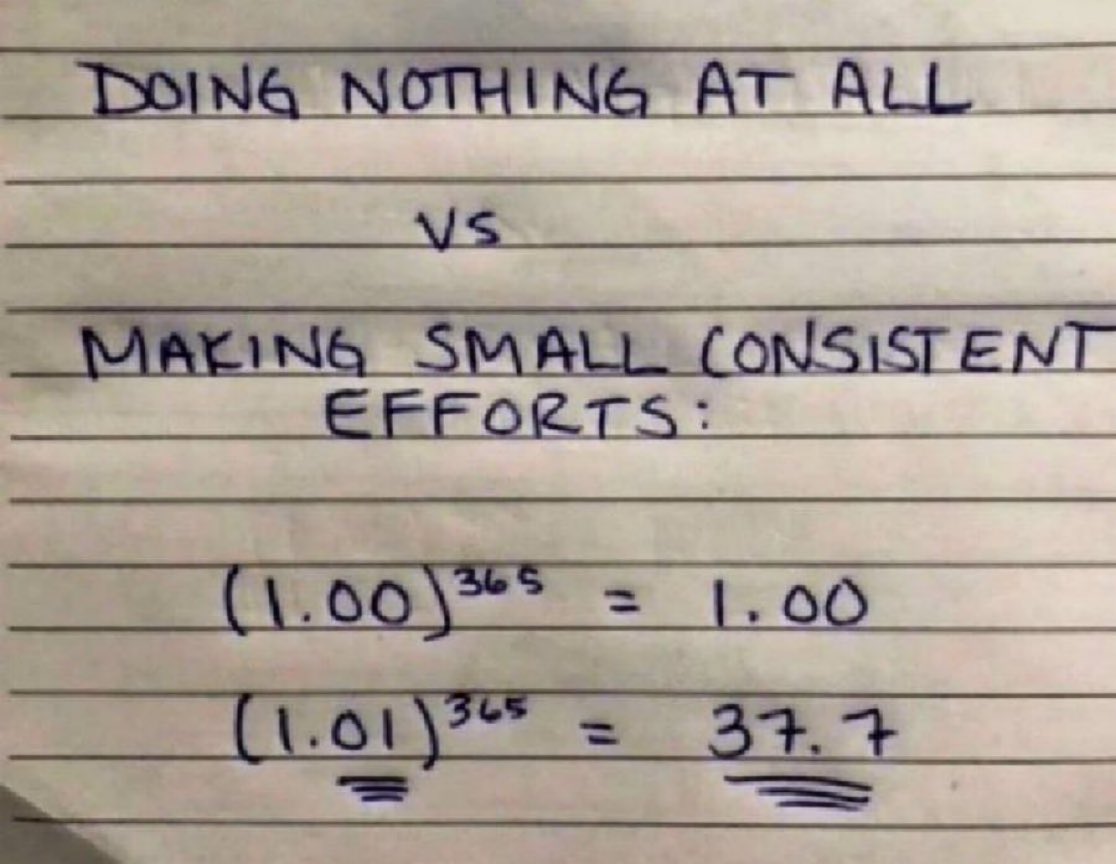
19 success is not accidental
20 the best views are there for those who love the climb
21 lucky people work harder
22 takers may end up with more, but givers sleep better at night
23 memorizing is not learning
24 it is okay to look back, just don’t stare
25 knowing is not acting - I can > IQ
26 straight roads do not make great drivers
27 good listeners hear the unsaid (listen with your eyes)
28 be the person that you want to follow
29 do not limit your contribution to a job description
30 take care of your parents - the best gift that you can give yourself
31 customer service is not a department
32 in the long run, the optimists create the future
33 never ruin an apology with excuses
34 salary is for expenses. equity is wealth - do not rent your time
35 do not take a caring boss, joyful work or steady income for granted
36 as you get older, you love your parents more
37 challenge assumptions, starting with your own
38 we learn more from disagreements
39 best gift you can give yourself is quality time with parents
40 the older you get the less you care about what others think of you
41 be a good person but do not waste time trying to prove it
42 be comfortable with saying ‘I don’t know’ - there are no experts of tomorrow
43 being self-aware is a key to learning and growth; know yourself
44 first, invest in yourself, then help others win
45 if the answer is no, do not say maybe or yes
46 Don’t just translate, write something new and original; write for yourself - writing improves your thinking
47 It’s more important to do the right thing than to win an argument
48 do not buy your children what you never had, teach them what you never knew
49 begin with the end in mind
50 to make progress on your to-do list, you must also keep a to-don’t list
51 leave everything and everyone better than you found them
52 be kind and polite to everyone
53 Here’s how luck finds you:
—Work harder than expected
—Stay teachable
—Give without expecting a get
—Read and write more
—Show up on time
—Focus on your customers
—Develop good manners
—Be humble
—Be kind and generous
—Surround yourself with smarter people
54 bosses we remember:
—provided us a safe space to grow
—opened career doors
—defended us when we needed it
—recognized and rewarded us
—developed us as leaders
—inspired us to stretch higher
—led by example
—told us our work mattered
—forgave us when we made mistakes
55 The older you get, the more quiet you become. Life humbles you so deeply as you age. You realize how much nonsense you’ve wasted time on.
56 Hire based on high rate of learning and good judgment
57 straight lines do not make great drivers
58 stand in the middle of the road for too long and you may get hit from both sides -be decisive
59 if you do not know the answer, it is okay to say 'I don't know, but I will find out'
60 do not follow or admire mean people - be the person that you would want to follow
61 decisions you made 5-10 years ago shaped where you are today; decisions you make now will shape where you’ll be in 5-10 years
Marco Rubio 2 days ago: “Imagine if Iran funded the well-being of its people, rather than its military”
Trump today: “We can’t fund daycare or Medicaid, we need more money for our military”
Sometimes the jokes write themselves.
Ian Hislop: "Mandelson is going to be arrested... as the full criminal investigation will be very serious.... everyone was pretending they didn't know..."
#LBC
Today’s lobby briefing - the daily conversation between the prime minister’s spokes and political reporters - was like nothing I can remember.
It was a forensic demolition in effect by Keir Starmer of his erstwhile US ambassador, Lord Mandelson.
Actually I should rephrase. At the time of the briefing, it was “Lord” Mandelson being eviscerated. But around two hours after the spokes said that the PM would turf Mandelson out of the upper chamber, Mandelson turfed himself out.
Mandelson is no one’s political fool: he knows that when Starmer wants to take you out of the game, best to get off the pitch pronto.
There was no hint from Starmer’s spokes of leniency for one of the principle architects of the New Labour landslide victory of 1997. It was all red hot contempt and a determination to ensure Mandelson faces whatever punishment is his due for “letting the country down” (as Starmer also put it to Cabinet this morning).
In this context, the Cabinet Office is enthusiastically helping the police with their enquiries into whether Mandelson committed misconduct in public office or breached the official secrets and data protection acts. It has helpfully sent the Met a memo about how Mandelson’s forwarding of confidential notes and price sensitive information might represent serious transgressions.
To digress for a second though, the Financial Conduct Authority will also be reviewing whether there have been breaches of the Financial Services and Markets Act and the Market Abuse Directive.
Starmer wants it known, through the spokes, that in his view Mandelson represents everything that is wrong with modern politics: the spokes volunteered that Mandelson’s inability to remember the $75,000 that the late paedophile billionaire Epstein transferred to his bank account is symptomatic of why no one trusts politicians, or so the PM avers.
And the PM warns we may not yet know all or the worst of Mandelson’s relationship with Epstein!
The politics of burying Mandelson are transparent. Starmer needs to prove that Mandelson hid his misconduct and then manifest his own furious retribution, to distract from the terrible miscalculation he Starmer made by appointing Mandelson to the plum diplo post of US ambassador.
For what it’s worth though, this reaction is not just politics. It is also quintessential Starmer. The PM has been humiliated by Mandelson, which for him is unforgivable.
Having spent almost two decades in financial markets, I can confidently say that leaking such priveledged information as Lord Mandelson did is about as bad as it gets.
Those on the receiving end of his tip off may have made (or avoided losing) hundreds of millions of dollars.
There's more.
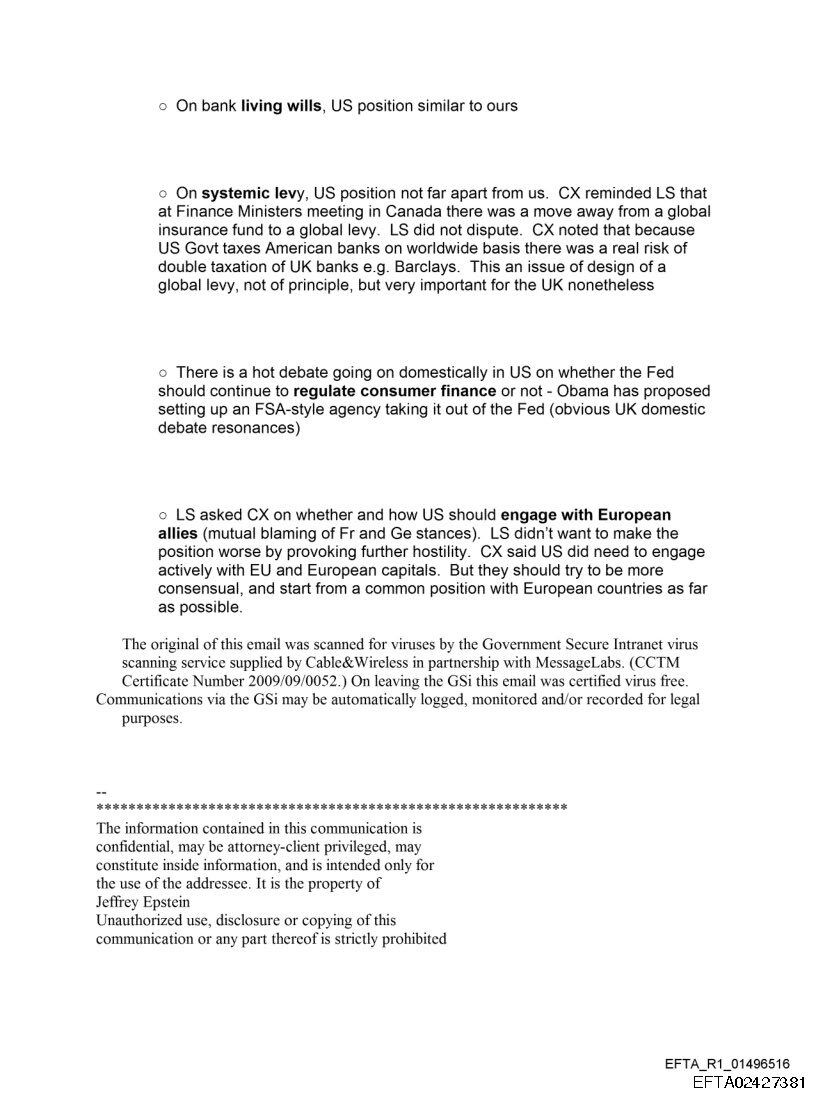
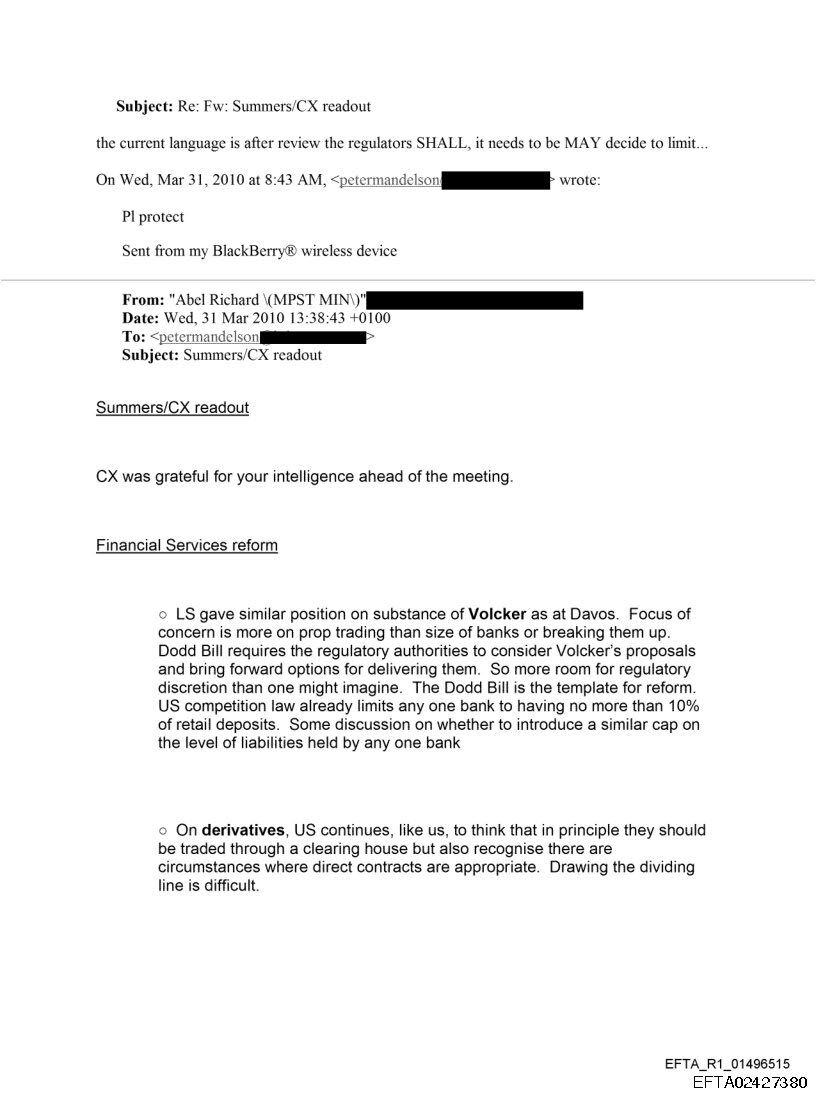
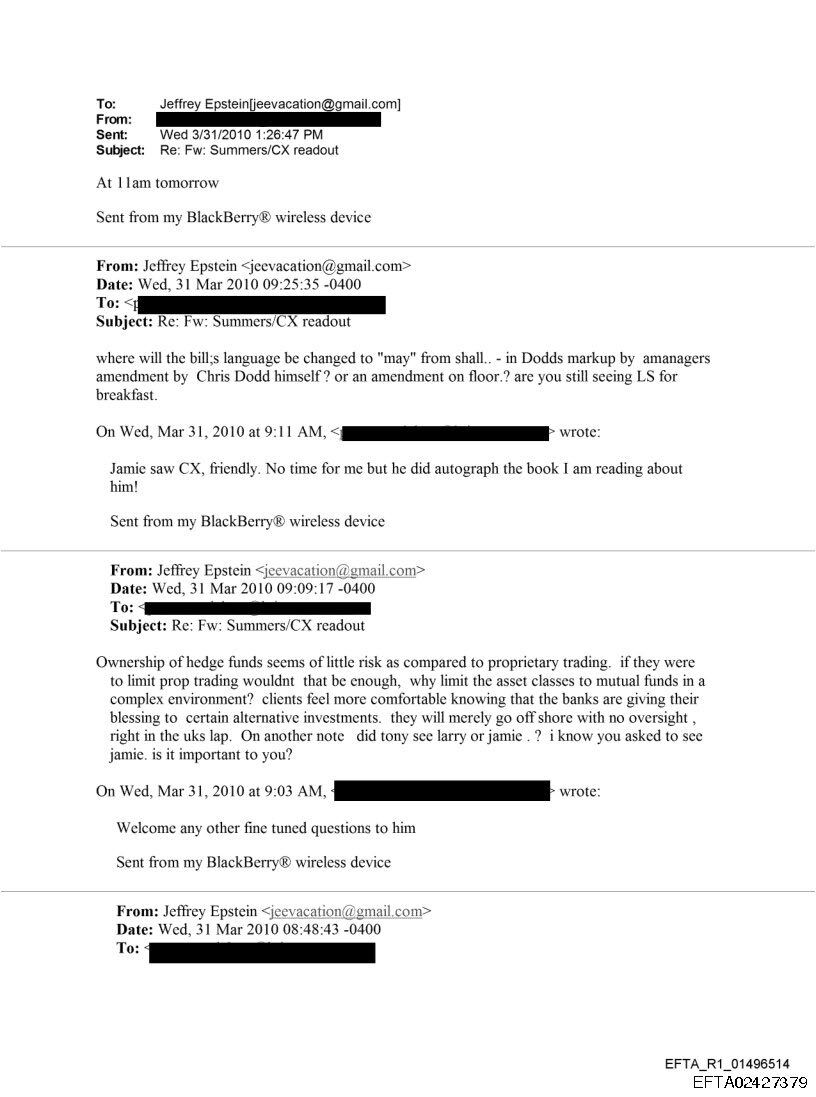
On 31 March 2010, Lord Mandelson's principal private secretary sent him a note of a meeting between the Chancellor of the Exchequer and Larry Summers, US Treasury Secretary.
Lord Mandelson forwarded it to Jeffrey Epstein five minutes later.
Today’s monologue on The Times at One with Andrew Neil:
Keir Starmer’s Mandleson woes:
It is, of course, open season on Peter Mandleson — and rightly so.
But beneath the universal outrage at his betrayal, greed and stupidity, Keir Starmer is also in the frame.
It was the PM, after all, who insisted on making him our man in Washington, even though there were many in the Labour party who had their doubts.
Yes, Starmer did not know then what we all know now.
I doubt Mandleson’s worst enemies ever conceived that he'd pass market sensitive information to an American financier from his position at the heart of the British government. Yet the latest batch of Epstein disclosures strongly suggests that’s exactly what he did.
But Starmer still knew a lot.
He knew that Mandleson had remained inexplicably close to Epstein even after the pedophile had been exposed as such — and even served a jail sentence for it.
He knew, as we all did, that Mandleson had an unhealthy fascination with the rich and famous. He knew that his career was scarred with previous scandals entirely of his own making.
You might think that the intelligence and due diligence process of the UK state could also inform Starmer of things the rest of us didn’t know.
Yet he went ahead and appointed him ambassador to the US. It was not a popular appointment in the Labour Party, in which there was never much love for Mandleson. And now it has come back to haunt Starmer, bigly, as President Trump might say.
The timing couldn’t be worse for the PM. Support for him in his own party is skin deep. There are numerous plots being fashioned to unseat him, contenders for the throne readying their campaigns, unrest being fomented on the backbenches and in the party at large.
The seriously flawed judgement he’s shown over Mandelson is all grist to their mills. A gift to the soft Left, currently the ascendant tendency in Labour, which doesn’t rate Starmer and has always hated Mandleson.
The idea Starmer can survive by throwing his eminence grise, Morgan McSweeney, to the wolves as a sacrificial lamb is bonkers. His position is way too weak for that to satisfy his enemies.
Then there is the Gorton and Denton by-election at the end of this month.
If Labour loses this safe seat to either the Greens or Reform UK, which is on the cards, then the clamour for regime change will become tumultuous. After all, Starmer banned the one Labour candidate, Andy Burnham, who was most likely to win it. Starmer will own the defeat.
Those who would oust Starmer had planned to wait until the early May elections, when Labour will get a drubbing in England and perhaps come third in Scotland and Wales. It was then that his position would become untenable.
But if Gorton goes down in the aftermath of the Mandelson scandal then I’m not sure Starmer will survive til May. The clamour to remove him now could become irresistible.
After all, he is the most unpopular PM since polling began, Labour MPs increasingly regard him as a dud at both policy and politics and, on current polling trends, two thirds of the parliamentary party and over half the cabinet are on track to lose their seats.
The economy is in the doldrums and the purpose and direction of the government escapes even loyal MPs who want it to succeed.
Of course, the more realistic Labour MPs realise that a change of leader might change nothing — that the party could be too far gone ever to recover in this Parliament.
But when you’re staring wipeout in the face, what have you got to lose by ditching Starmer? Beware the Ides of March, Prime Minister, the knives are being sharpened.
A few more thoughts on the possibility of life beyond Earth. All these thoughts are guesses. The lack of firm evidence for alien intelligence (so far) is sometimes called the Fermi Paradox, and it is a paradox. Put simply, there has been over 10 billion years and there are many millions of worlds in the Milky Way on which a civilisation could have arisen as far as we know. At first sight, one might therefore expect that there should be many civilisations in the galaxy far in advance of us, and we might have expected to see them. Why don’t we (or, let’s be careful, why is the evidence not bloody obvious!)?
One answer might be that civilisations never develop interstellar travel. I don’t see any reason why interstellar travel is impossible, and I think we’ll develop it if we survive into the 22nd century.
Related - perhaps civilisations don’t ever solve the problems posed by industrialisation and the discovery of nuclear weapons and never make it to the stars. Topical - see Oppenheimer!Maybe just ‘getting along’ as a global civilisation is harder than science.
Maybe (see UFO hearings) they are here but we haven’t discovered them or somebody knows but has managed to keep it a secret? Maybe. But if this is the case then at least I can say that the alien civilisations aren’t making their presence very obvious, otherwise my Astronomy colleagues who spend their time gazing at the sky and listening for signals would surely have spotted them! But let’s not rule out the possibility that we just haven’t detected them (or there is evidence but only a few people know about it) but they are indeed here.
My guess is that the average number of civilisations in a typical galaxy is low - perhaps less than 1. That’s a guess, based on what we know about the evolution of complex life on Earth. Put simply, it took the best part of 4 billion years here to go from cell to civilisation, and that’s a third of the age of the Universe. I think this MAY imply that, if this is typical (lots of ifs) then the Milky Way may be filled with microbes but not complex living things at our level of intelligence. This would be my guess.
BUT make no mistake, I wouldn’t be in the least bit surprised if a UFO landed in Oldham town centre tomorrow morning and the captain said ‘Take me to the leader of Oldham Metropolitan Borough Council’. In that case the Fermi Paradox would no longer be a paradox, I’d have learnt a lot about biology and I could get back to tweeting about other interesting stuff. I’d also ask them why gravity is so weak relative to the other forces of Nature.
Seems like an appropriate time to run through some of Milly’s best #LFC moments 🙌
Whilst we do that, drop your favourites and your best Milner GIFs in the replies 🔴