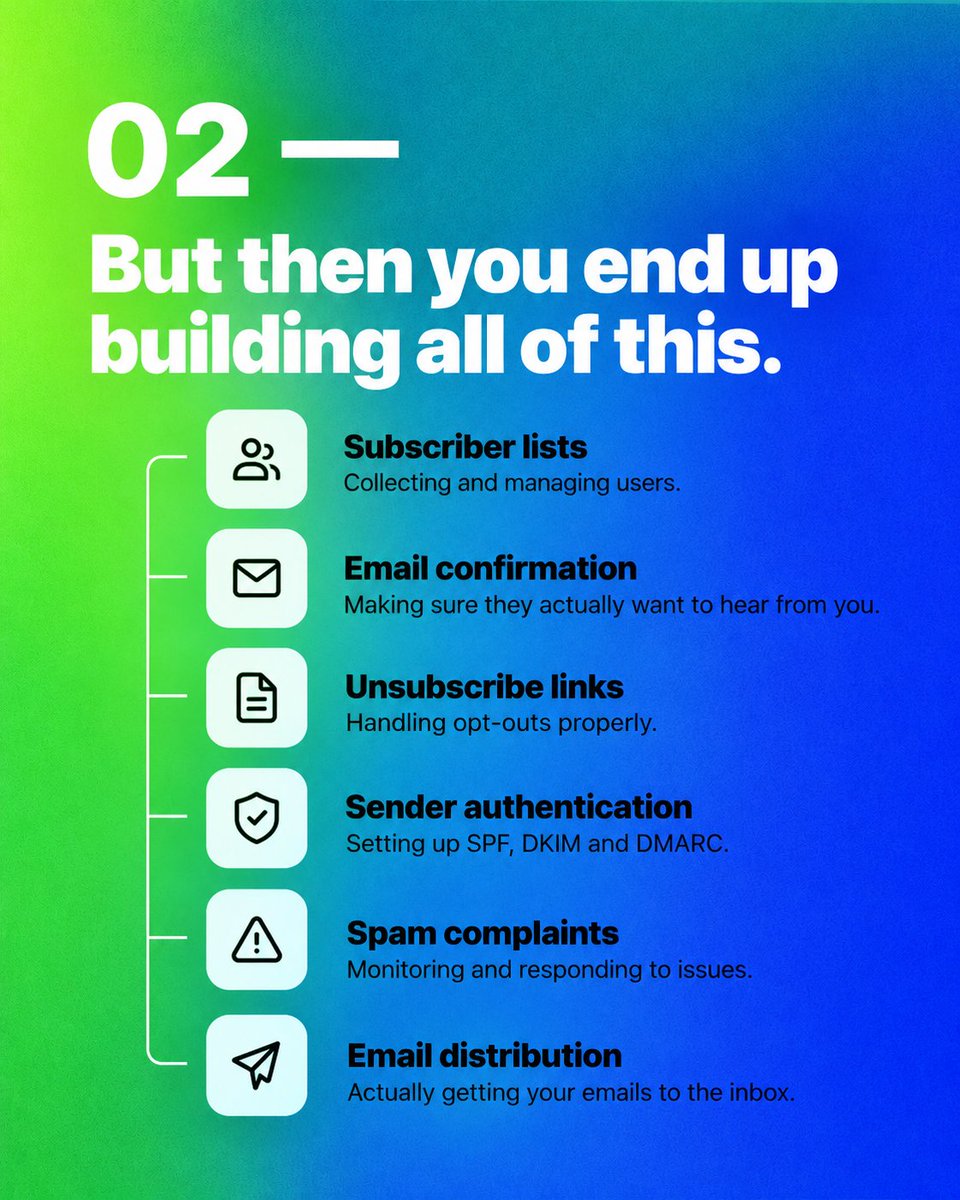
Sending a newsletter shouldn't require building an entire email system.
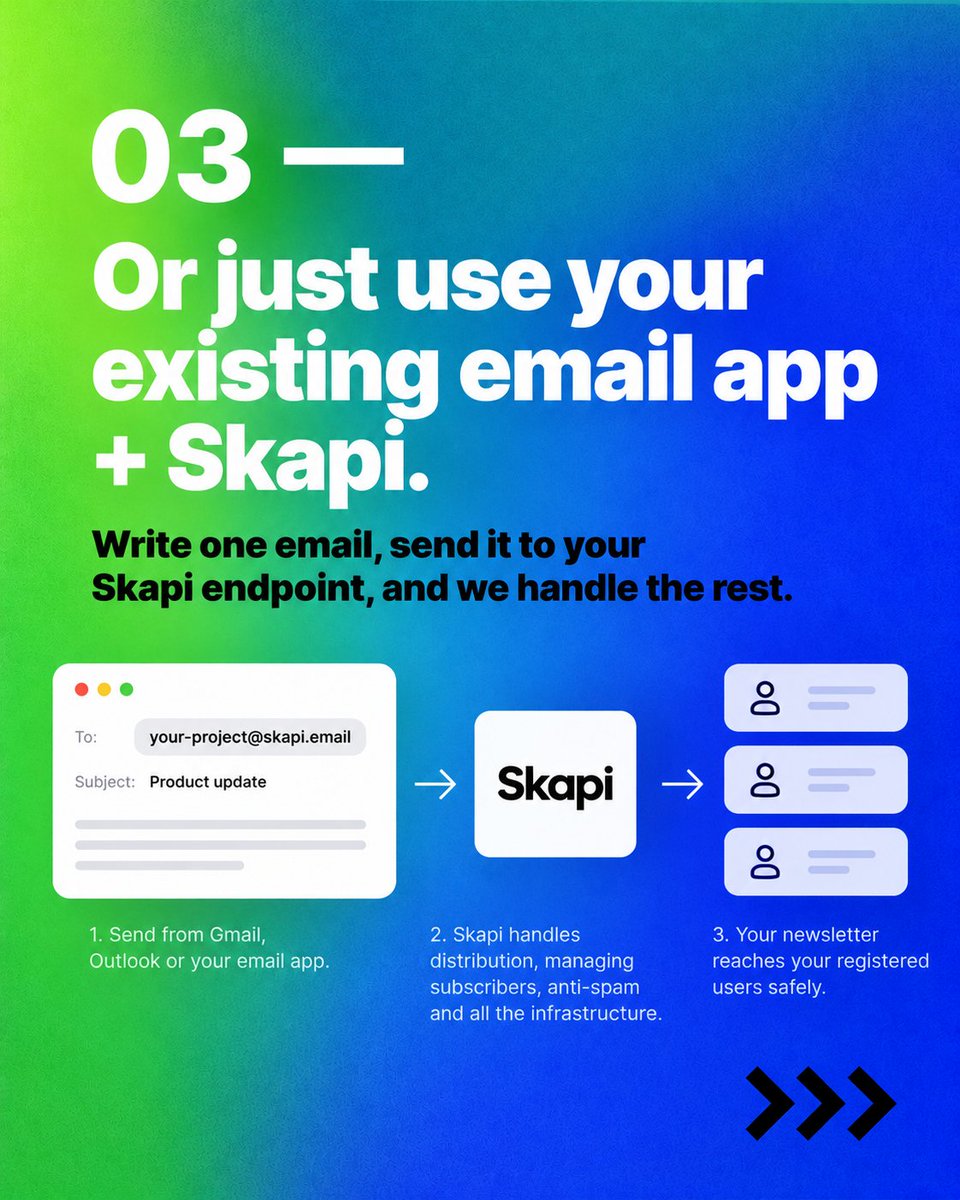
With @Skapi_api, you can send emails to your registered users directly from Gmail or Outlook using a Skapi endpoint.
Skapi gives you ready-to-use signup forms, newsletter pages, and more, already connected to your project.
Share the link, download and customize the HTML, or build your own form.
You can even send newsletters from Gmail or Outlook, while Skapi handles delivery.
#Skapi#WebDev
We wrote an article about how developers can simplify newsletters with Skapi instead of relying on a separate marketing platform like Mailchimp.
We cover how to collect subscribers, manage mailing lists, and send newsletters directly from your inbox
#Skapi#WebDevelopment
You don't need a full marketing platform just to send newsletters.
With Skapi, developers can collect subscribers, manage mailing lists, and send newsletters directly from their email inbox, all within their existing backend.
#Skapi#WebDev#Backend
You don't need to connect a bunch of tools or set up an MCP server just to give your AI a backend. With @Skapi_api , you literally download an instruction file, give your AI your project ID, and tell it what to build.
That's it.
#Skapi#AICoding#VibeCoding#BuildWithAI
Your AI coding agent spends tokens just loading backend tools and instructions on every request.
Firebase MCP: 60k tokens
Supabase MCP + instructions: 17k tokens
Skapi: 5k tokens
Skapi keeps everything in one compact file, with no MCP server overhead in the build loop.
Every time you ask AI to build or change your app, it uses tokens (AI usage), which cost money.
A big part of that cost can come from setting up and updating the backend, the system that handles users, data, files, and security.
Explained in the article how to cut your tokens:
Project regions. Now your choice.
Skapi now lets you choose your project region instead of selecting one automatically.
The closest region is recommended first, with clear data storage information before you continue.
#Skapi#ProductUpdate#BackendDevelopment#DeveloperTools
When something happens outside your app, like a payment being completed, @Skapi_api can automatically respond, update your data, change a user's access, or contact another service. You don't need to build and run your own server to handle it.
#BackendAutomation#WebDevelopment
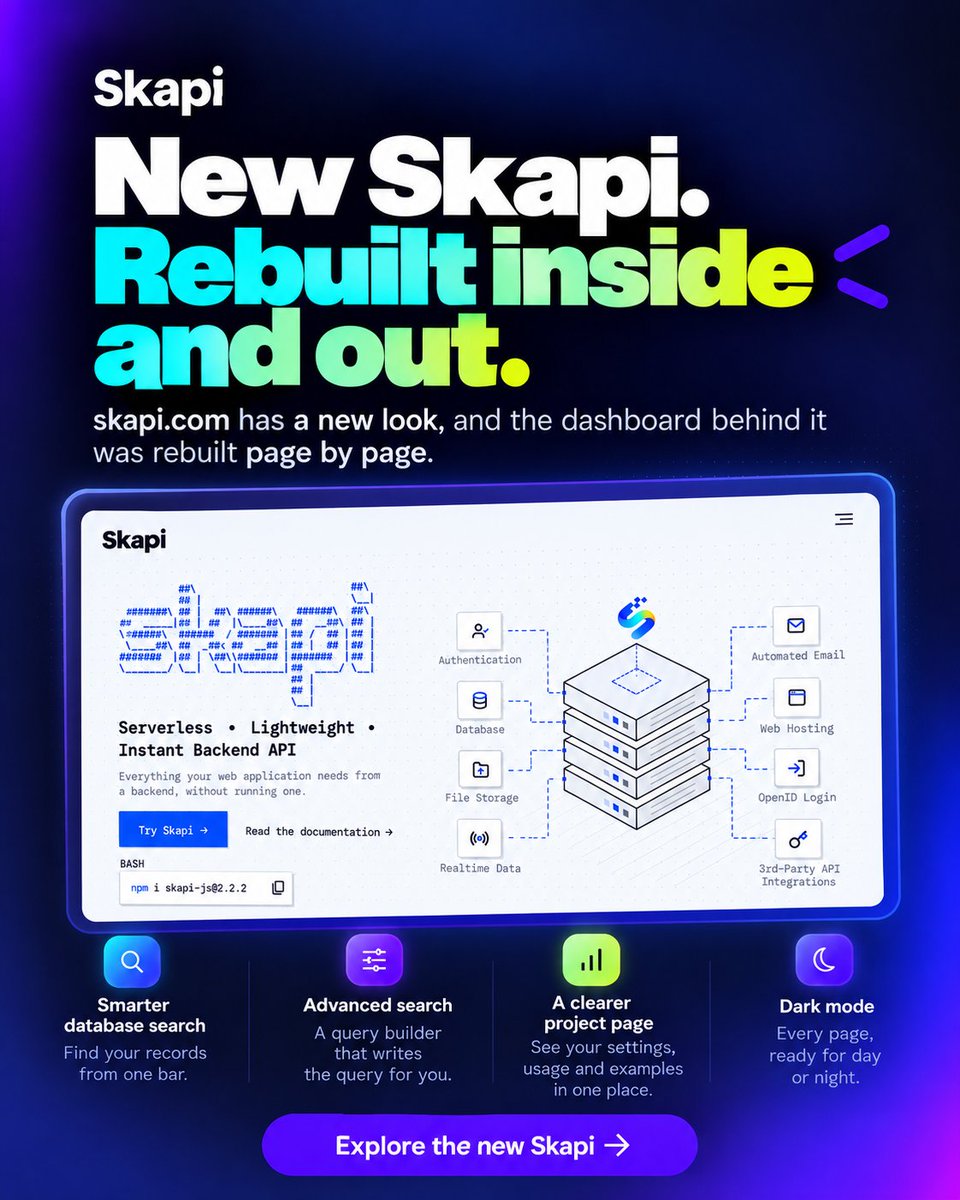
Skapi has changed.
We rebuilt the dashboard page by page with smarter database search, clearer project settings and usage, region selection, dark mode, and simpler workflows throughout.
https://t.co/Aes91YJYqd
#Skapi#DevTools#Backend
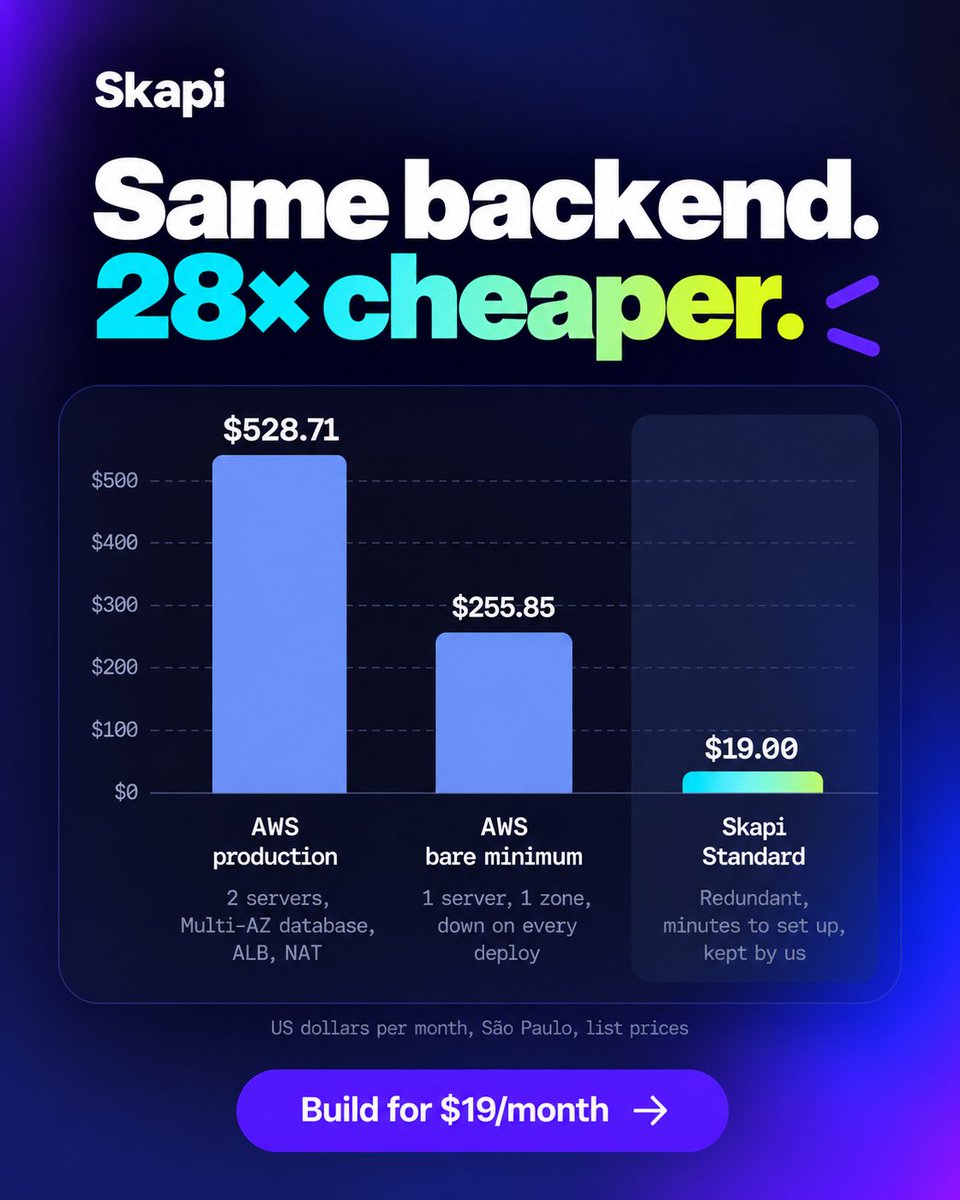
Backend in Brazil shouldn’t cost more just because your users are in Brazil. 🇧🇷
We ran the numbers for São Paulo:
AWS production: $528.71/month
Skapi Standard: $19/month
Build closer to your users without paying for infrastructure sitting idle.
#Skapi#Serverless#Backend#AWS
Skapi is now live in São Paulo, Brazil.
Our first South American region means lower latency for LATAM users and the option to keep project data in Brazil.
Same Skapi. Closer to LATAM.
#Skapi#Brazil#LATAM#LGPD#SãoPaulo
Skapi pricing just got an update ⚡
→ More storage
→ Bandwidth on every plan
→ Newsletters on Free
→ Premium: no hard stops, just pay for what you use
#Skapi#Backend#BaaS#WebDev#Developers
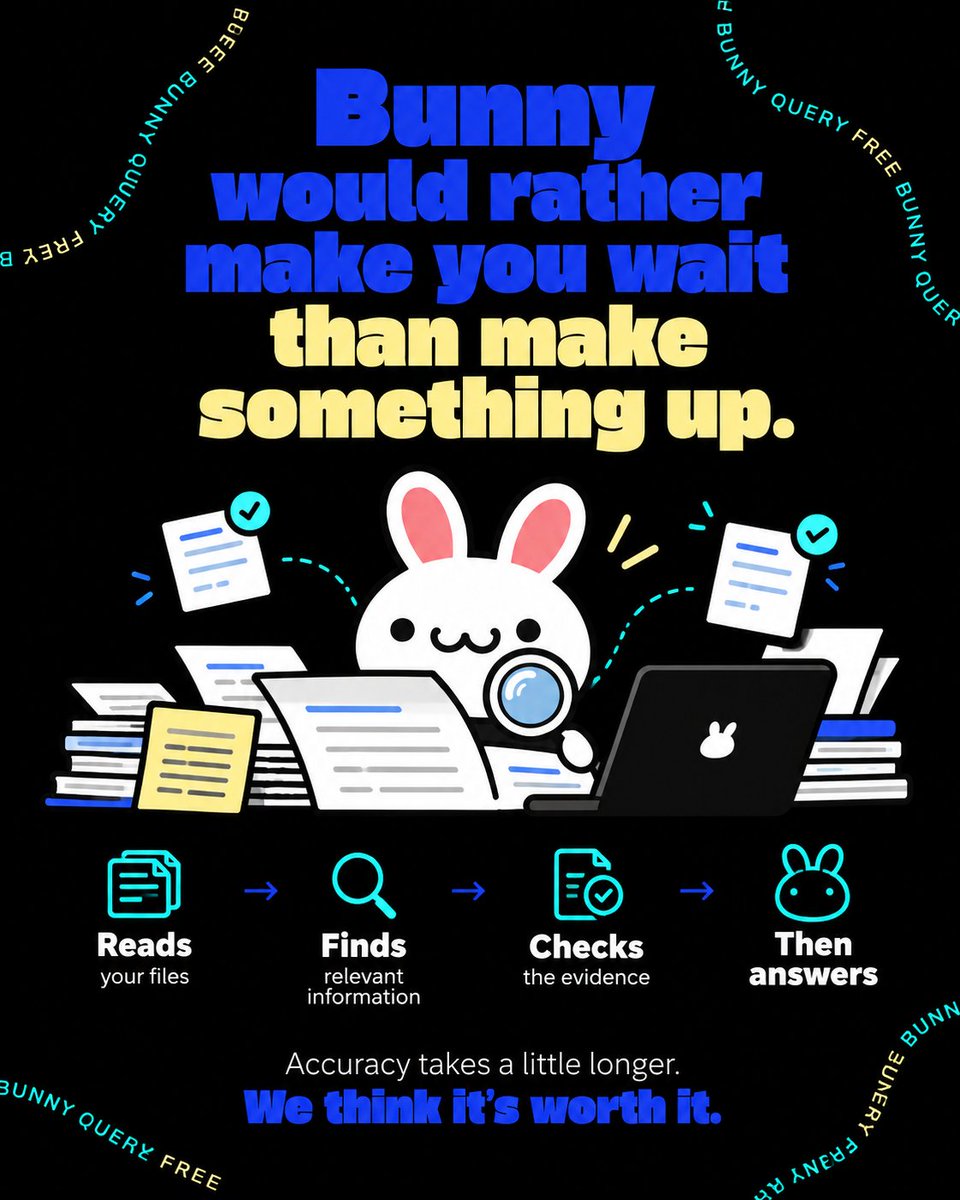
If you need an answer you’re willing to put your name on, ask BunnyQuery AI.
It doesn’t grab the first relevant info. It reads your files, finds the right info, checks the evidence, and only then gives you an answer.
#DataAccuracy#AIAssistant#BunnyQuery#AI
- You can verify where an answer came from. Instead of trusting the AI’s “memory,” you can connect an answer back to the underlying record.
that's all https://t.co/UEXrvgSwSI
- Your data isn’t absorbed into the AI. It stays in your database rather than becoming part of what the model has learned.
- Answers use the latest information. Change a price, document, customer record, etc., and future answers can use the updated version instead of an old.
- You can delete information. Delete the record and it’s no longer available for BunnyQuery to retrieve.
- You control who can access what. Existing database permissions can determine what information a user is allowed to retrieve.