😳 Dopamine websites are becoming a new trend in South Korea
These services let users endlessly browse food delivery menus, read reviews, fill shopping carts, and even track a "courier." The only catch: you can't actually place an order.
There are also virtual smoke breaks, where users join anonymous chat rooms and socialize with strangers, recreating the feeling of taking a break without smoking a single cigarette.
The idea is simple: get the familiar dopamine hit without spending money, smoking, or giving in to other impulsive habits.
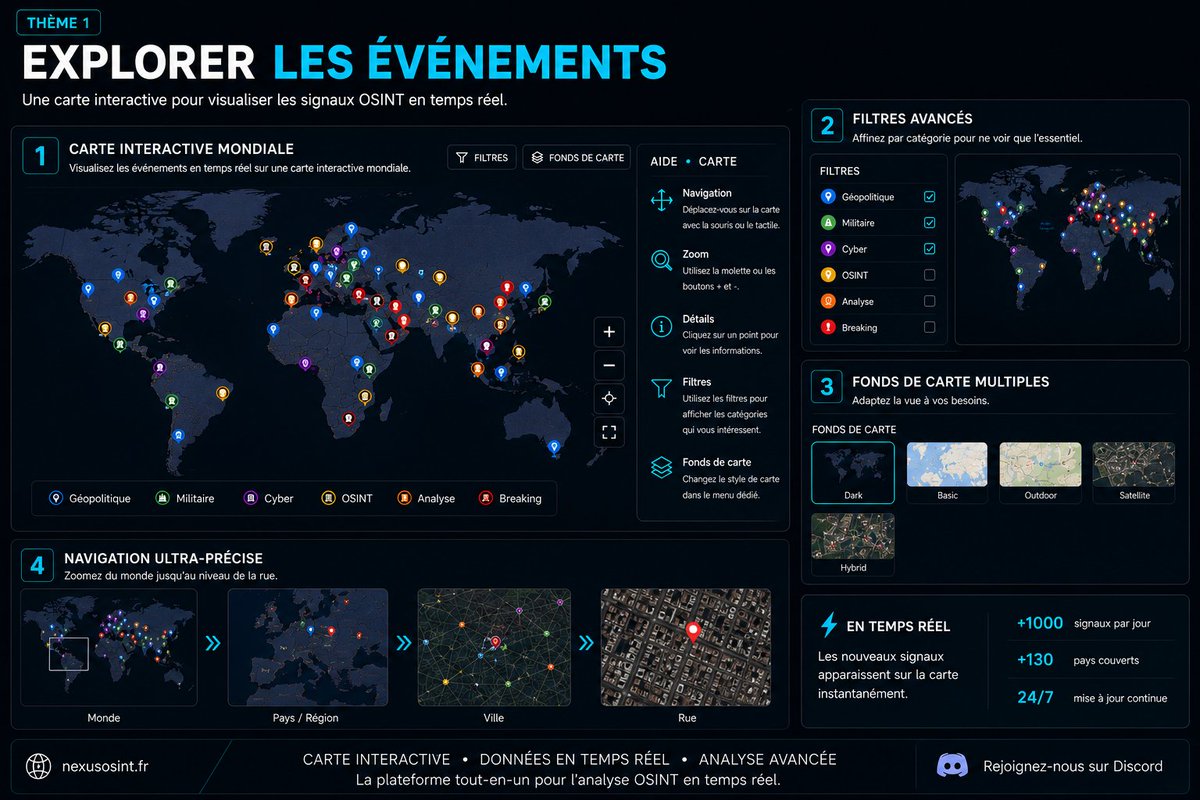
‼️ Lancement de notre Projet - NEXUS_OSINT V1
🌐Une plateforme dédiée à la visualisation et à l'analyse de données en sources ouvertes intégrant :
• 🌍 Cartographie interactive Mondiale
• 📡 Flux OSINT géolocalisés
• 🎥 Live Cams synchronisées
• ⏪ Frise temporelle avancée
• ✏️ Outils d'analyse intégrés
💻Les visuels ci-dessous présentent de manière simplifiée les principales fonctionnalités de la plateforme.
👉 Disponible maintenant : https://t.co/vWqIUg0wxv
10 WEBSITES THAT FEEL TOO USEFUL TO BE FREE
Bookmark every single one. No account, no trial, no card. Things people sell for a monthly fee, given away for $0.
1. https://t.co/9cyeoKnX8i
Type any math, physics, chemistry, or engineering problem and it solves it step by step, showing the full working. A private tutor for every hard subject, available at 3am, that never gets tired of your questions.
2. https://t.co/H9kXt5PCWy
The entire Photoshop, running in a browser tab. Opens PSD files, handles layers, masks, and smart objects, and processes everything on your own machine so nothing uploads. Adobe charges around $55 a month for this. Photopea charges nothing.
3. https://t.co/pMoKsL8s49
64 million books and 95 million research papers in one search box. Publishers won a $322 million judgment against it and seized its main domains this year. It moved to a new one and kept growing. The largest library in human history, and it refuses to die.
4. https://t.co/q9HgaQ5tL2
An AI search engine across 200 million academic papers. Ask a question and it pulls the relevant studies, the citations, and a plain summary of each. Researchers used to pay for tools that did a fraction of this.
5. https://t.co/r1VQAr12Zt
Open a blank canvas and sketch diagrams, flowcharts, and wireframes that look hand-drawn. Real-time collaboration, no login, nothing saved to a server unless you want it. Whiteboard apps charge teams monthly for less.
6. https://t.co/x17FIF83h0
A search engine for 200,000+ free courses from Harvard, Stanford, MIT, and Yale. It finds the free version of almost any course and tells you which ones are actually worth your time. The catalog universities never hand you.
7. https://t.co/fUutjW9qEm
Drop in any photo and it erases the background in two seconds. Designers used to charge per image for this and agencies built whole workflows around it. Now it's a single upload.
8. https://t.co/U3XuyKNhPg
Build and test any regular expression with a live explanation of every piece as you type. The thing that makes grown engineers cry, turned into a tool that teaches you while you use it. Free forever.
9. https://t.co/4kHtgwM9V4
Tick the apps you want on a new Windows machine, download one installer, and it silently installs all of them with no toolbars and no next-next-finish. IT departments pay for software that does exactly this.
10. https://t.co/Ud9gPh3xn1
The entire history of the internet, plus millions of free books, films, concerts, and old software you can run in your browser. The Wayback Machine alone has saved over 900 billion web pages. A civilization's memory, open to anyone.
Free was always the default. You just got trained to pay.
🇷🇺 Russia: Alleged Ministry of Internal Affairs Passport Database Advertised for Sale
* Threat actor claims to be selling data allegedly originating from Russia's Ministry of Internal Affairs (MVD), responsible for passport issuance and migration records
* The listing alleges records spanning 2004–2023
* Claimed dataset components include:
* Passport records
* Residential registration records
* Passport photographs and scans
* Personal identification information
* According to the seller, the database contains:
* 546.9M passport-related records
* 370.4M address records
* 277.2M photo-related records
* More than 14.3M photos
* More than 6.2M passport scans
* The actor claims the full dataset is approximately 636 GB and available in SQL format
* Exposed fields allegedly include:
* Full names
* Passport numbers
* Insurance identifiers
* Registration addresses
* Registration history
* Issuing authority information
* Photographs and identity document scans
* At the time of reporting, Daily Dark Web has not independently verified the authenticity of the data or the claimed source
Analyst Note:
If authentic, this would represent one of the most significant identity-related datasets circulating in underground markets. The combination of passport information, address history, and document images could significantly increase risks associated with identity fraud, account takeover operations, synthetic identity creation, and intelligence collection activities. Large government-related datasets frequently reappear years after their original compromise, making attribution and validation particularly challenging.
#DDW #Intelligence #Russia #DarkWeb
Breaking news: The U.S. and other nations in the Five Eyes intelligence partnership — the U.K., Canada, Australia and New Zealand — jointly warned that China is using LinkedIn and other platforms to pry secret information from security professionals. https://t.co/2NSflHlN0a
My article "How To Investigate A Person Of Interest In 2026" is now available as a PDF.
A practical guide to digital footprint analysis – from email reconstruction to metadata mining and entity graphing.
Thanks @osintnewsletter for the mention.
PDF: https://t.co/86YlE9e2pB
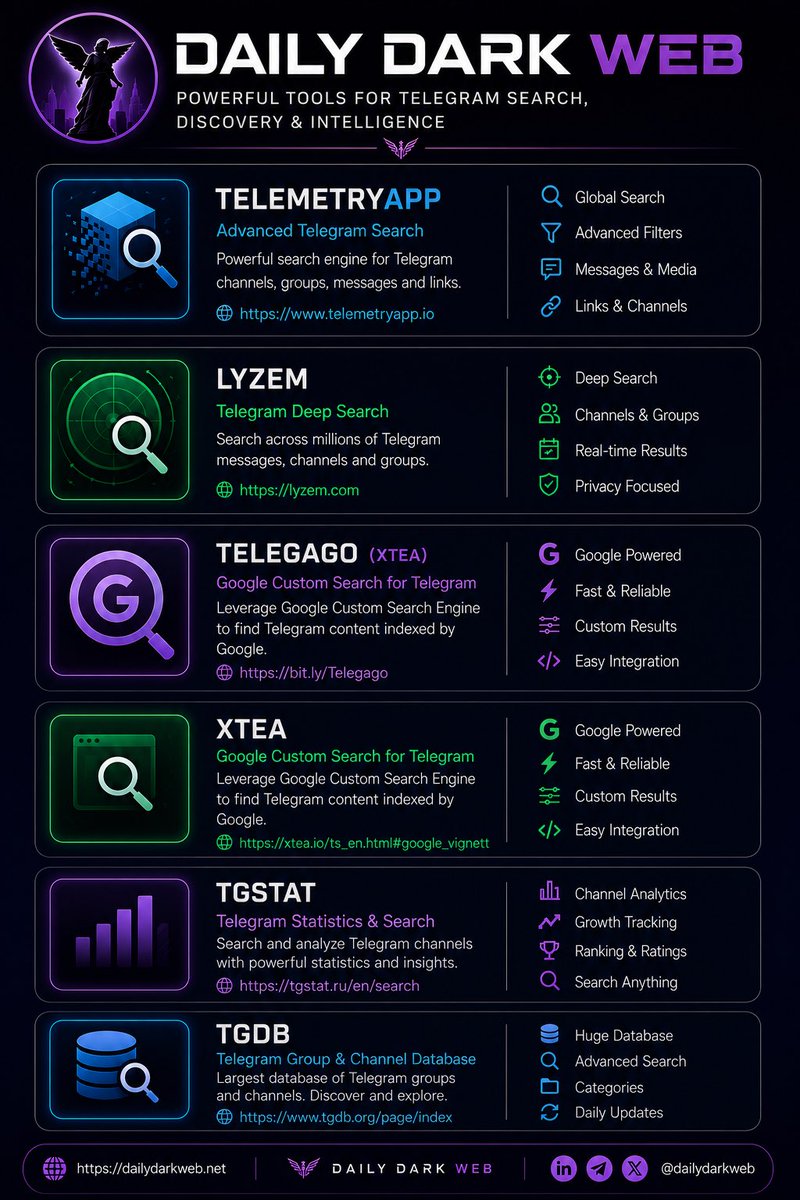
Telegram has quietly become one of the largest open-source intelligence environments on the internet.
From threat actor channels and leaked databases to malware distribution and underground communities, a significant amount of cyber threat activity now lives inside Telegram.
Here are some powerful Telegram search and discovery tools every OSINT analyst, threat hunter, researcher, and investigator should know:
* TelemetryApp
* LYZEM
* Telegago
* XTEA
* TGStat
* TGDB
These platforms help analysts search channels, messages, groups, media, and indexed Telegram content far beyond Telegram’s native search capabilities.
Most researchers only scratch the surface of what is publicly accessible.
Do you want more content like this? Please subscribe and support our work:
https://t.co/O5fslMgfuw
What do you use? Share 👇
#DDW #Intelligence #Telegram
Find exposed PDFs, spreadsheets, and internal docs without writing a single search operator. 📄
File Phish builds advanced file-type queries across Google, Bing, Baidu, and more in seconds.
Learn more: https://t.co/tsG01F2L7w
⚠️3 people have died and 149 people are stranded on a cruise ship off the West African island nation of Cape Verde after a suspected hantavirus outbreak onboard.
The virus jumps to humans from rodents like rats and mice and causes severe respiratory illness or kidney disease.
What happened?
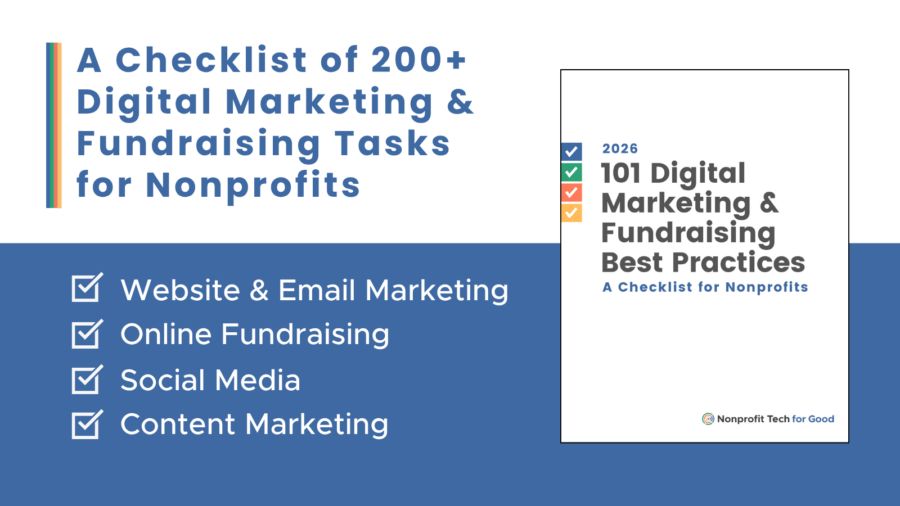
This checklist of 200+ digital marketing and fundraising tasks will help your nonprofit get organized and implement the best practices featured in the blog series, 101 Marketing & Fundraising Best Practices for Nonprofits: https://t.co/A5uVjeZAO5 ✅
Flowsint: A modern platform for visual, flexible, and extensible graph-based investigations. For cybersecurity analysts and investigators.
GitHub: https://t.co/9ROzewM42u
🚨Read my latest analysis of recent events in #Mali 🇲🇱 , including #security assessments, consequences, strategies and implications:
“JNIM–FLA Coordinated Offensive in Mali.
Nationwide multi-axis operations, tactical convergence, and signalling toward Russian forces”.
📊 Read the full analysis here:
🔗 https://t.co/W7rLENptIF
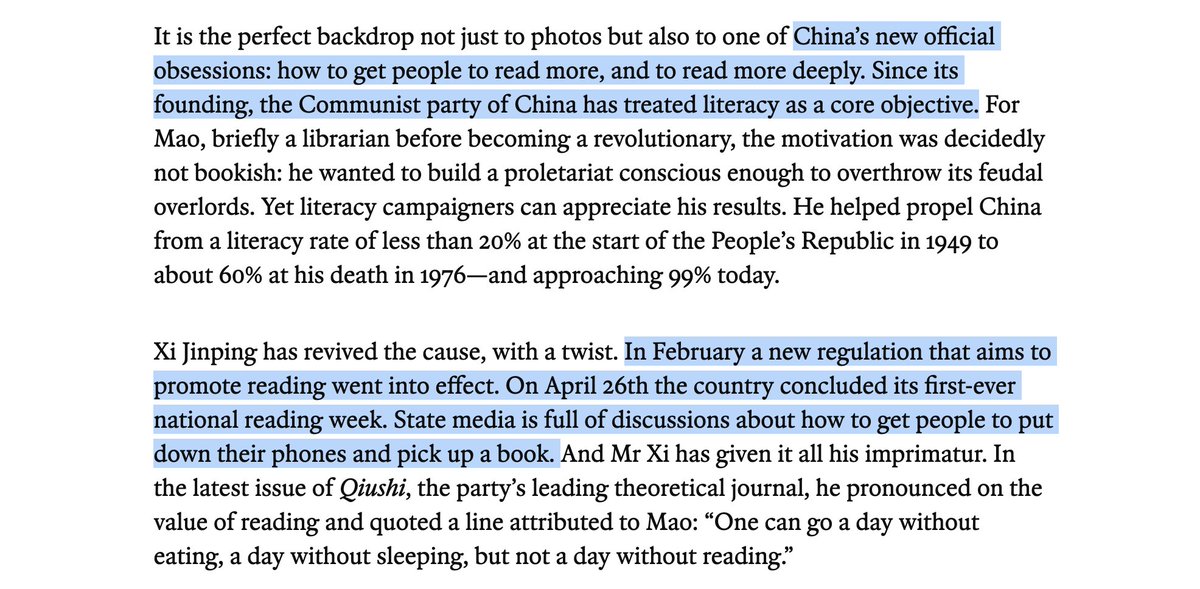
China’s new official obsession: Getting people to read more books.
In February, China passed a new regulation to build more public reading facilities and spaces.
In April, China had its first-ever national reading week.
State media encourages people to put down their phones and pick up a book.
President Xi wants China to become a “cultural powerhouse” by 2035, and says the revival of reading is one of its pillars.
Xi quotes Mao saying, “One can go a day without eating, a day without sleeping, but not a day without reading.”
In 1949, less than 20% of China's population was literate. Today it's approaching 99%.
When one of the most tech-focused countries in the world says that a population of book readers is vital to their future, we should all take note.
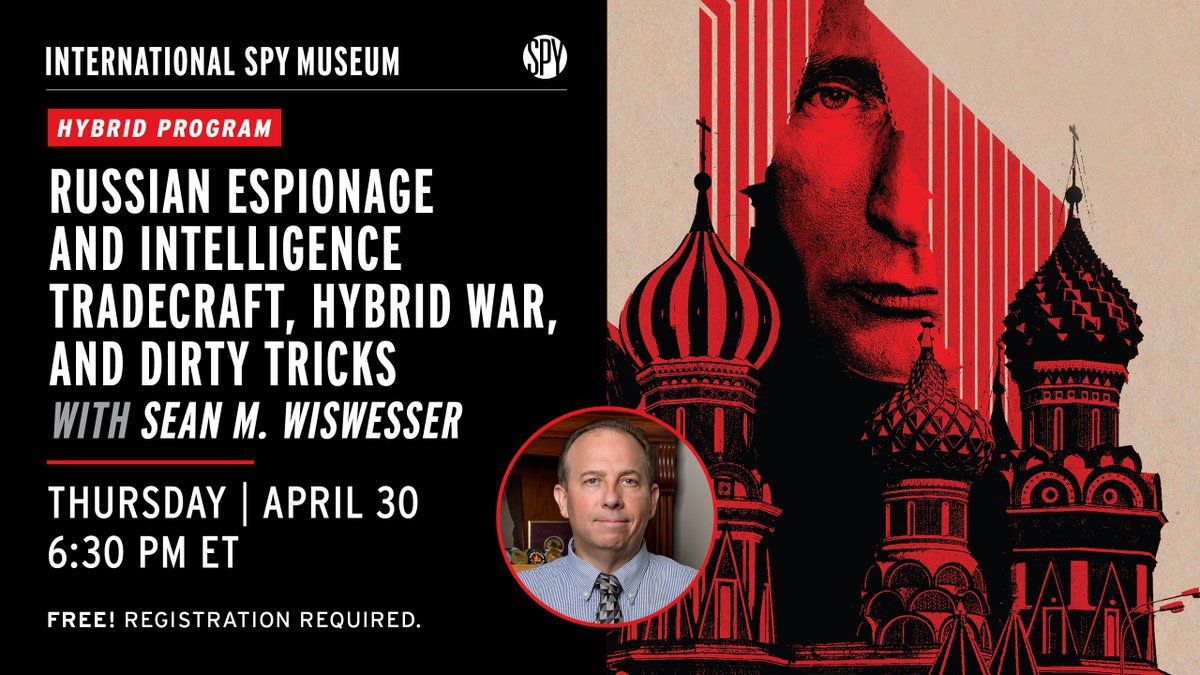
What happens when you sit across from a Russian intelligence officer and try to guess their next move?
Join us for Russian Espionage and Intelligence Tradecraft, Hybrid War, and Dirty Tricks, featuring CIA veteran Sean M. Wiswesser in conversation with Spy Museum Historian Dr. Mark R. Jacobson.
📅 Thursday, April 30, 2026
🕡 6:30 PM ET
📍 Hybrid (In-Person & Virtual)
Register: https://t.co/5nmbt2JZA5
As a member of the CIA’s expert cadre in the Directorate of Operations, Wiswesser worked closely with the US intelligence community and foreign allies to recruit Russian spies and then counter their operations, giving him a unique perspective on the Russian Intelligence Services’ (RIS) global reach. With his new book Tradecraft, Tactics, and Dirty Tricks: Russian Intelligence and Putin’s Secret War, Wiswesser takes readers deep into the heart of Maskirovka—the Russian art of denial, deception, and manipulation. Spy Museum Historian Dr. Mark R. Jacobson will interview Wiswesser about the shadowy world of Russian espionage from “street work,” honeytraps, and assassinations, to the RIS’s role in the Russo-Ukraine War. They’ll discuss both historical examples and firsthand accounts of the tactics employed by the three main services of Russia’s intelligence apparatus: the SVR, GRU, and FSB.
#IntelligenceWork #SpyMuseum #FreeProgram
The Kremlin is expanding its cognitive warfare infrastructure to shape the global narrative for years to come. The Kremlin has been cultivating a network of foreign media outlets, content creators, and journalists through partnerships, outreach, and media education around the globe.
ISW is launching an interactive map displaying Russian cooperation agreements with foreign media outlets — a key pillar of Russia’s cognitive warfare effort. ISW will regularly update this interactive map to reflect the new layers of adversarial cognitive warfare infrastructure. (1/3)