@sanjayuvacha Campbel, political advisor of Lord Mountbatten, mentioned in his book that a man told them the killer of Gandhi was a muslim.
Probably that man was a judge.
Perhaps he was right and killer was Muslim league.
Without one month preparation Anti -Brahmin riots were not possible.
@artqueerjalebi My strong conviction is that the inscriptions on Kutubminar, Tajmahal , Adhai din kaa jhonpra are in Ancient Sindhi Script and not arabic. Digit like 4 or ४ is visible on Tajmahal which doesn't match the arabic numbers or alphabet.
Can you help.
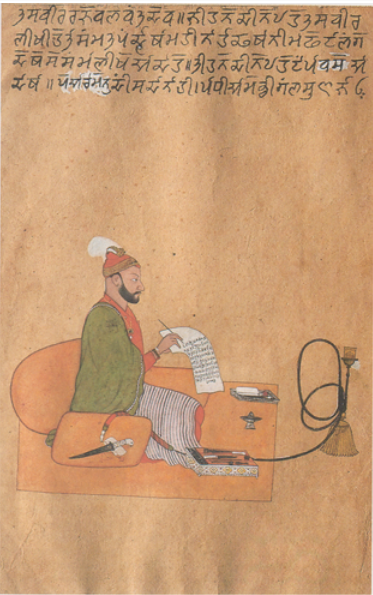
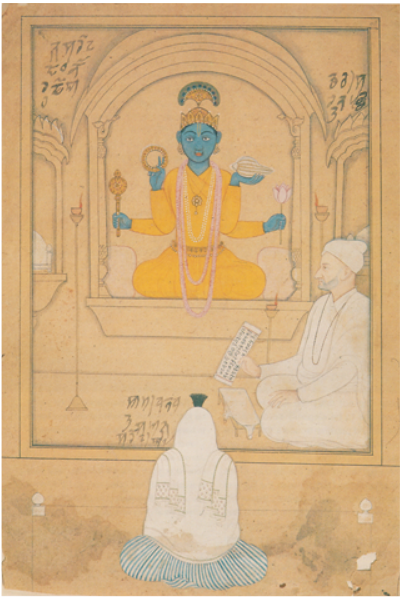
A Painting of Balwant Singh, Prince of Jasrota, offering his prayer to Bhagwan Vishnu in a thakurdwara (Vishnu temple). Painting attributed to Nainsukh, circa, 1760 AD.
Jasrota is located in Kathua district of #Jammu division
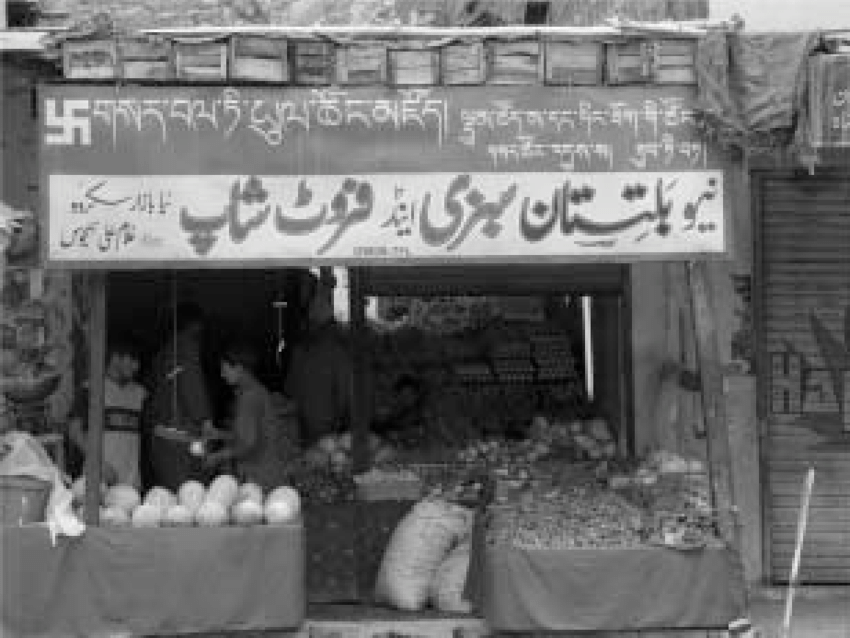
No indigenous forms of writing are in widespread use in Pakistan today. All of them have been replaced by the ubiquitous Perso-Arabic script (with some modifications).
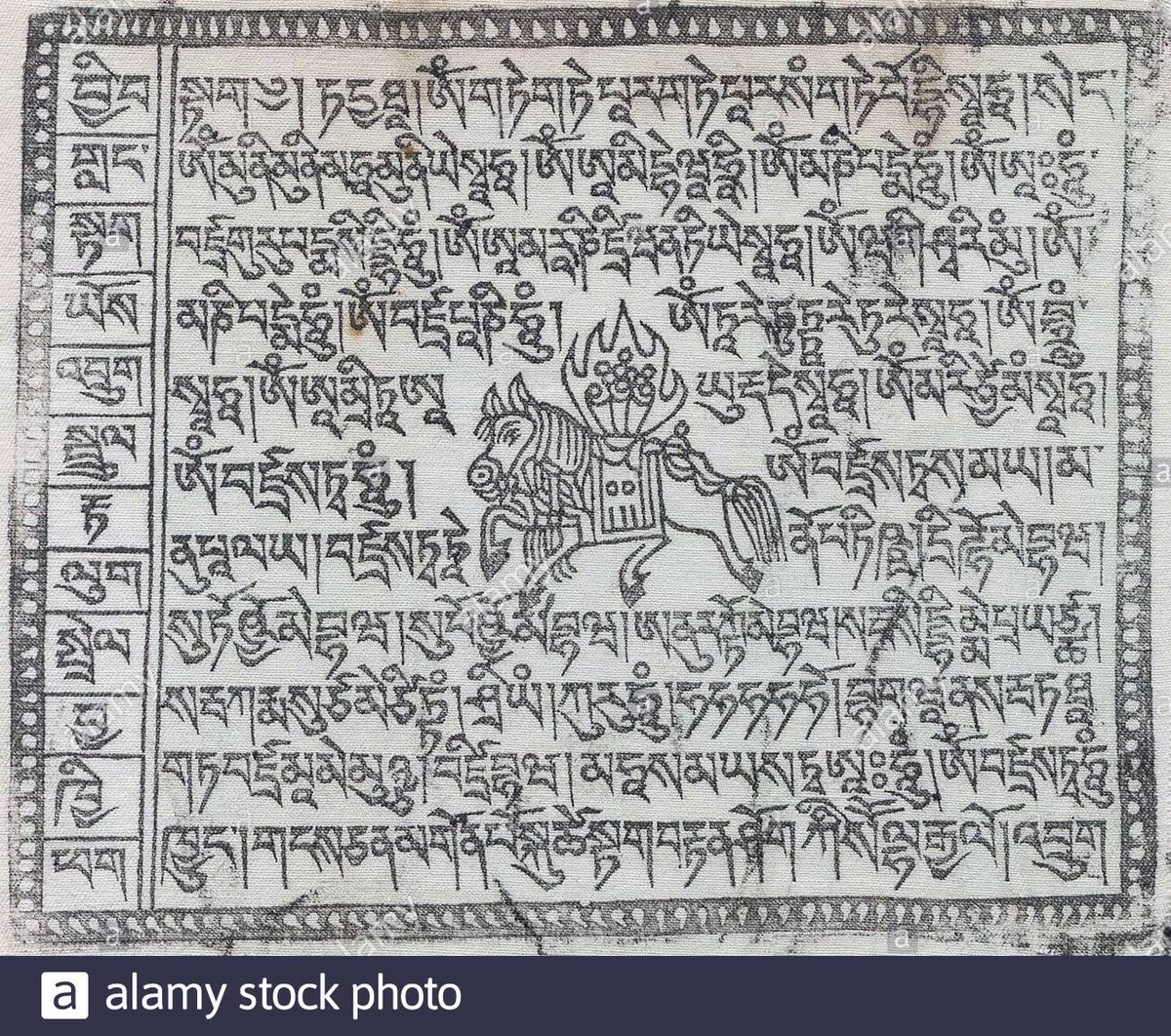
Balti was written with a Tibetan alphabet from 727 AD until the late 14th century, when the Balti people converted to Islam and started using a the Persian alphabet. However the Tibetan alphabet continued to be used until the 17th century and is recently seeing some revival.
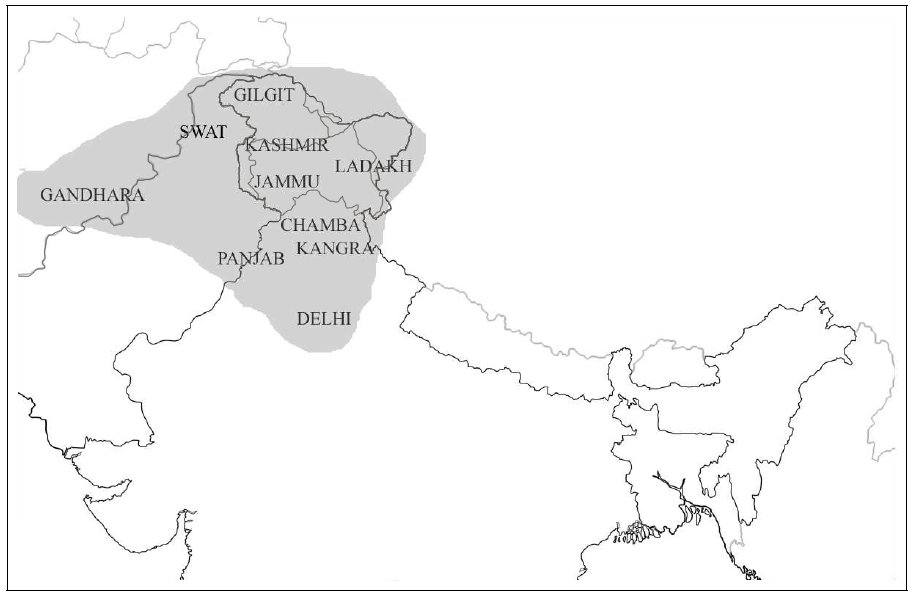
I want to talk about one more Sharada script: Takri. Takri is a non-Landa script that was supposedly used to write Kashmiri, Dogri, Gujari and other Pahari languages. But of course today, in Pakistan at least, this script is completely dead.
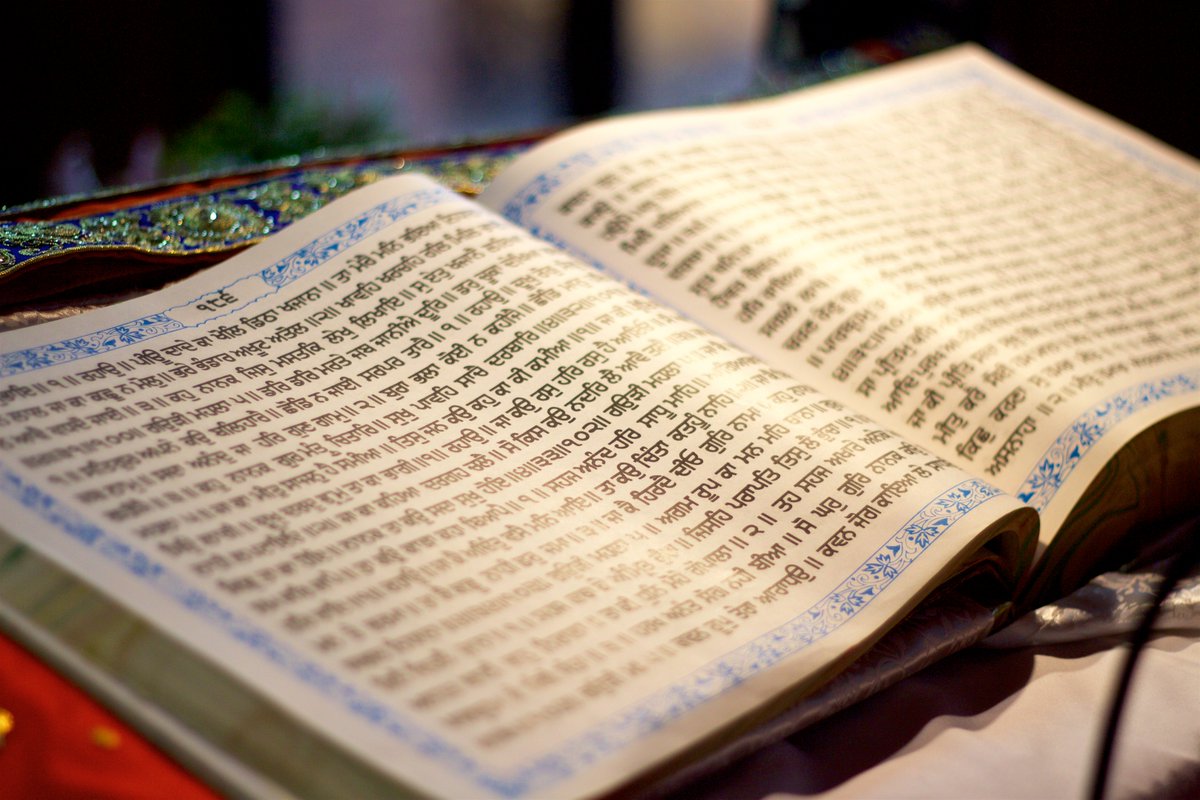
Out of all the Sharada scripts, the only script that is still in widespread use today is Gurmukhi in Indian Punjab. Gurmukhi was primarily used to write Sikh texts in Punjab and became standardized through writing in 16th century.
In 3rd century BC another writing script called Kharosthi was being used in Gandhara, around present day KPK and Afghanistan. This script was used to write Pali, Sanskrit and Gandhara Prakrit. Unlike Brahmi, Kharosthi has no known descendants.
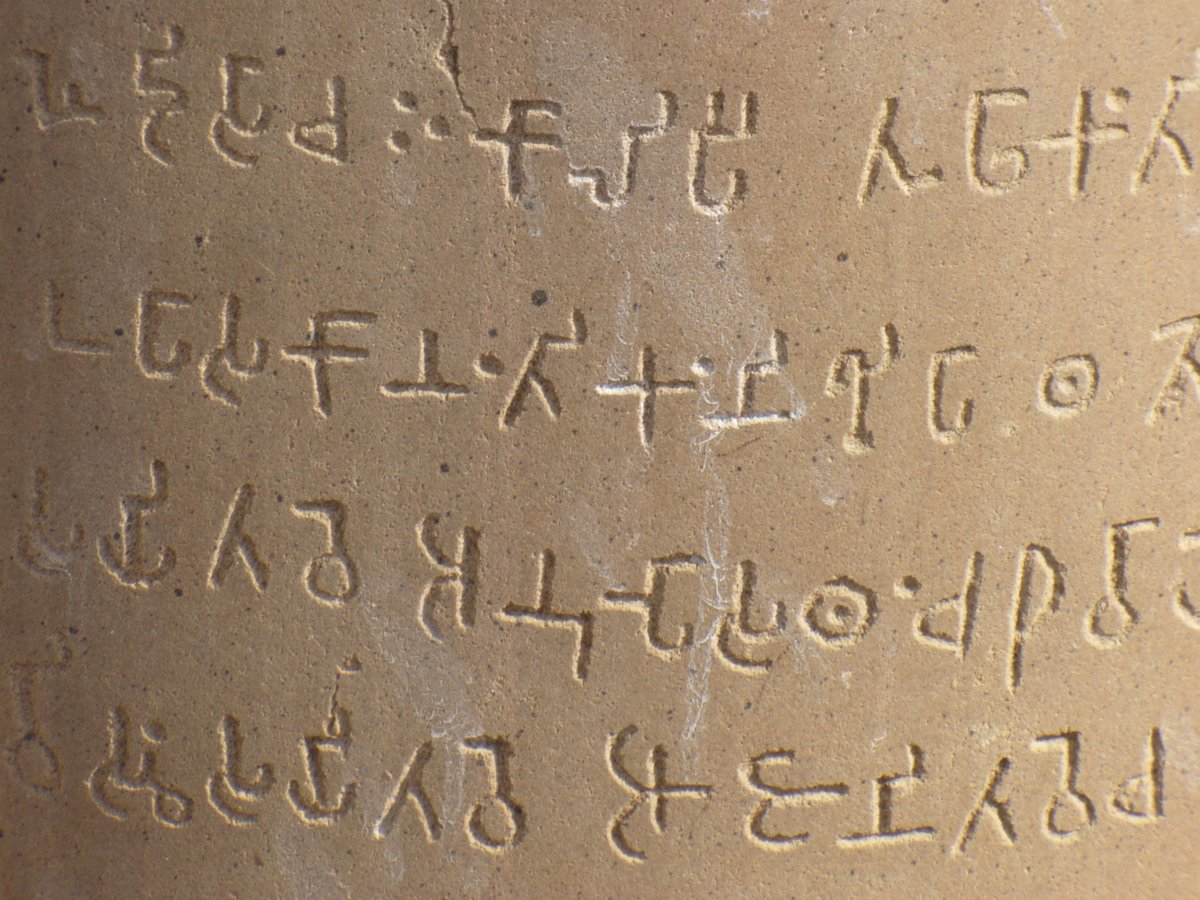
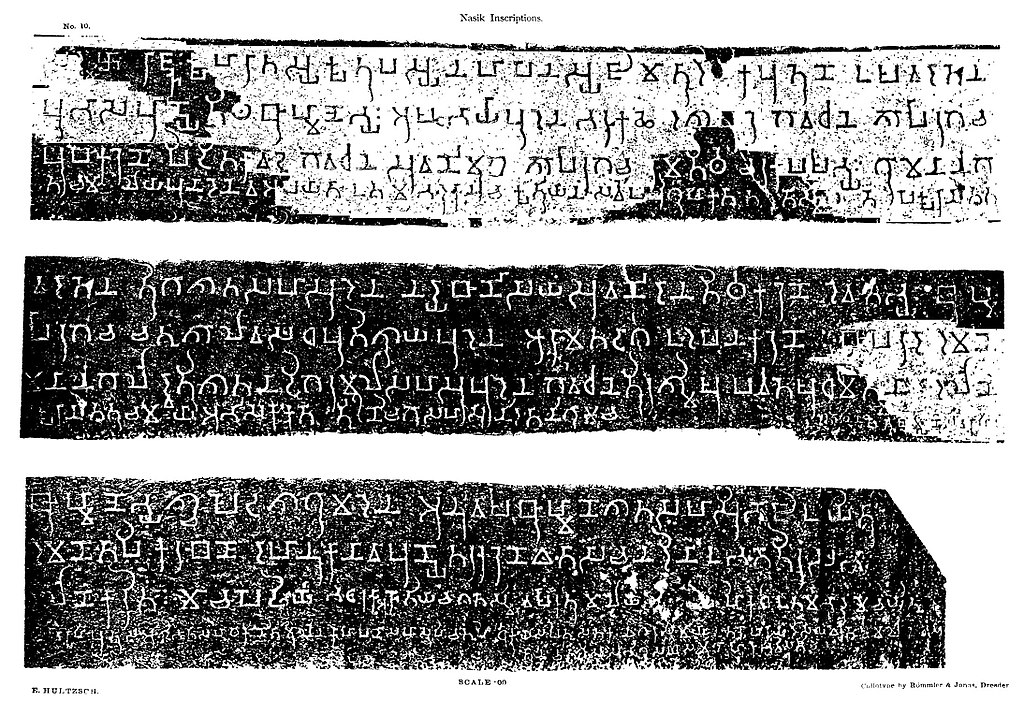
Sharada evolved out of Brahmi script, which was used from at least 200 BC although some people estimate that Brahmi has been in use since 600 BC. Brahmi is the oldest Sanskrit written script in South Asia. Brahmi inscriptions can be found all over present-day KPK.
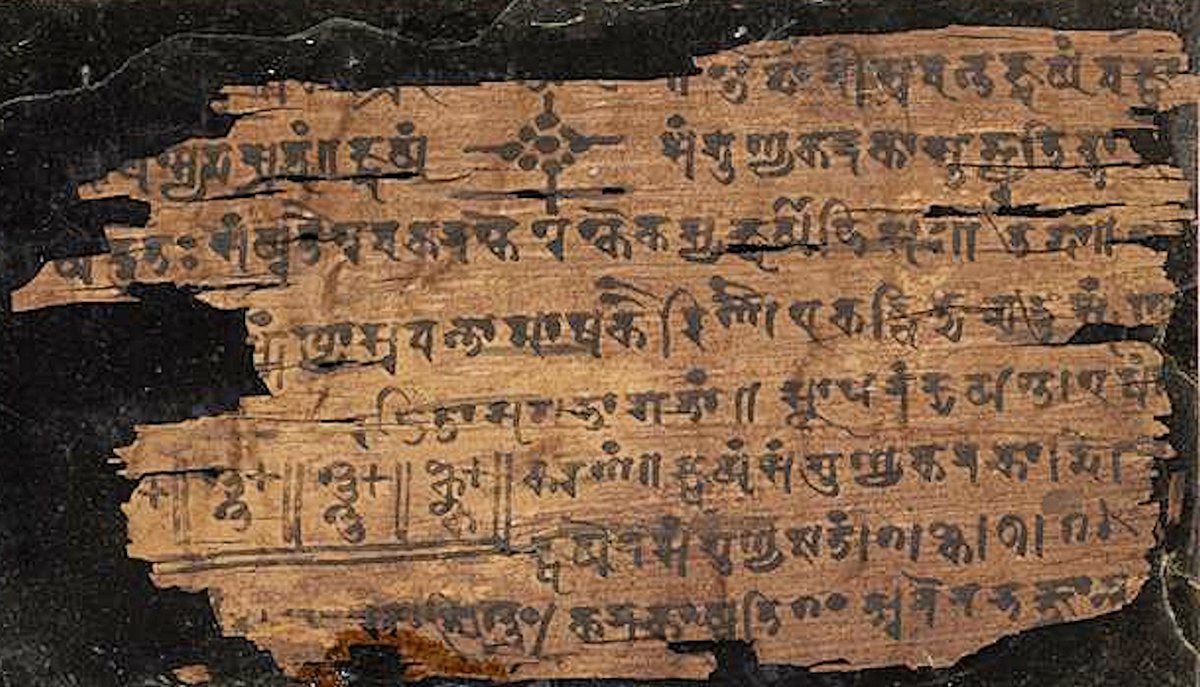
Before the Landa script (10th century), Sharada script was in widespread use in North Western India. The Sharada script is much older and at least as old as 3rd century AD. Pictured here is Bakhshali Manuscript found near Mardan, KPK which is written in the Sharada script.
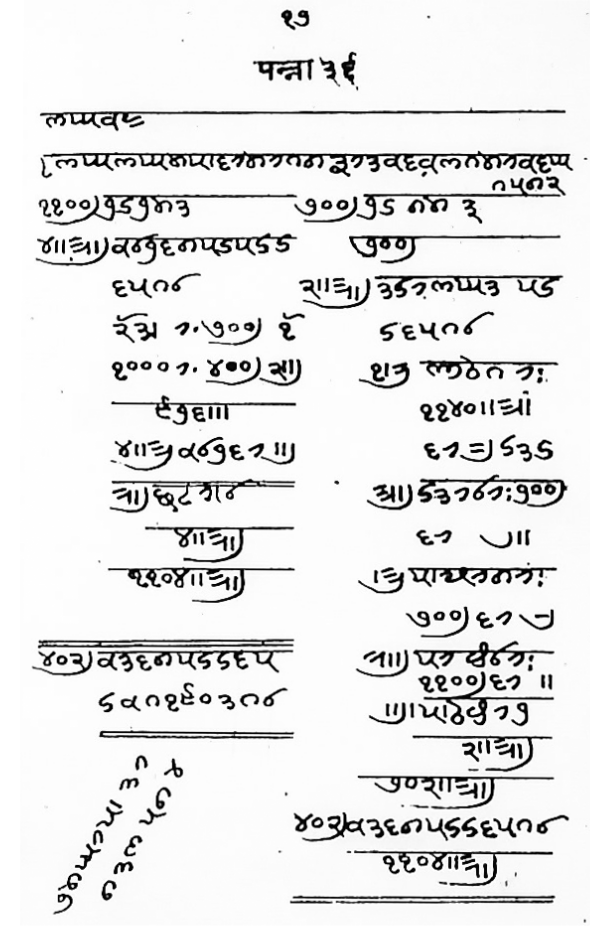
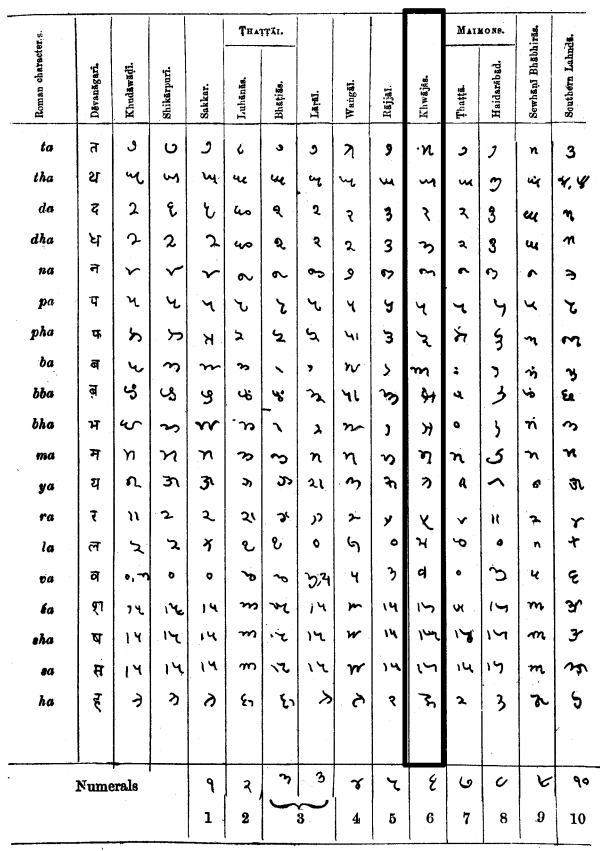
In Rajasthan, the Mahajani script was used to write Marwari and Sindhi, and in some areas of Punjab it was used to write Punjabi within the banker communities. Pictured is also a table that shows comparison between a few other Landa scripts alongside Devanagari.
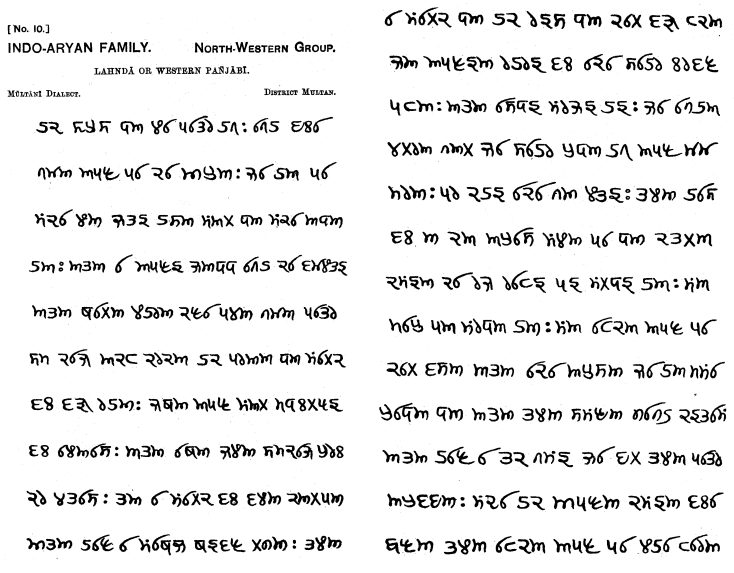
In Multan, a similar variant was used to write Seraiki called Multani. The first book printed in the Multani script was the New Testament in 1819. It was in use until the Perso-Arabic script was made standard in Multan in 19th century. Multani script is no longer in use.
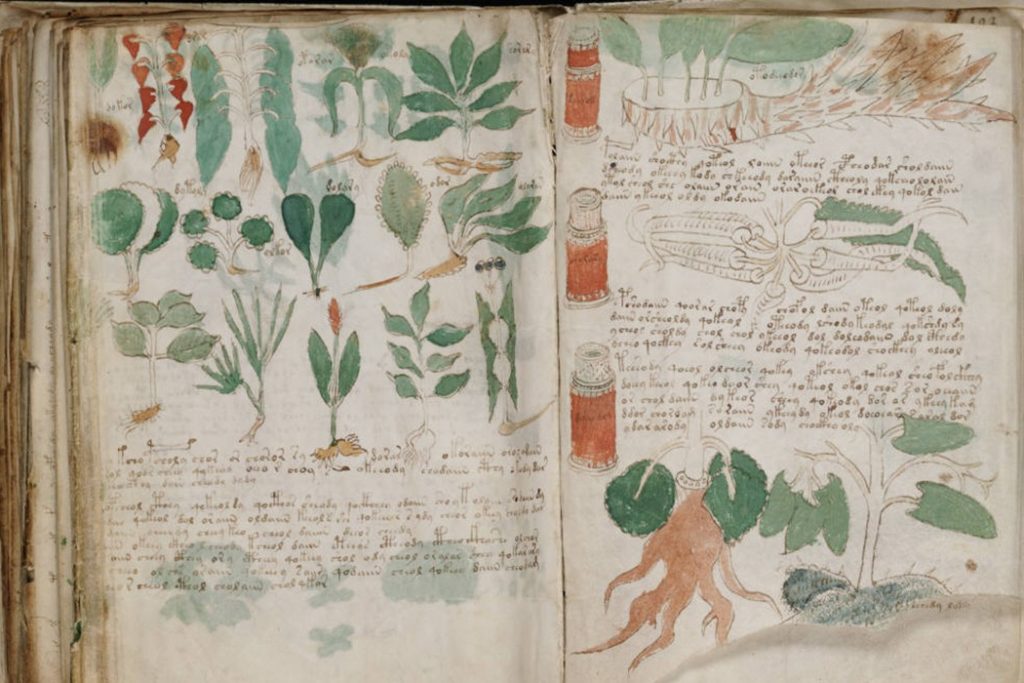
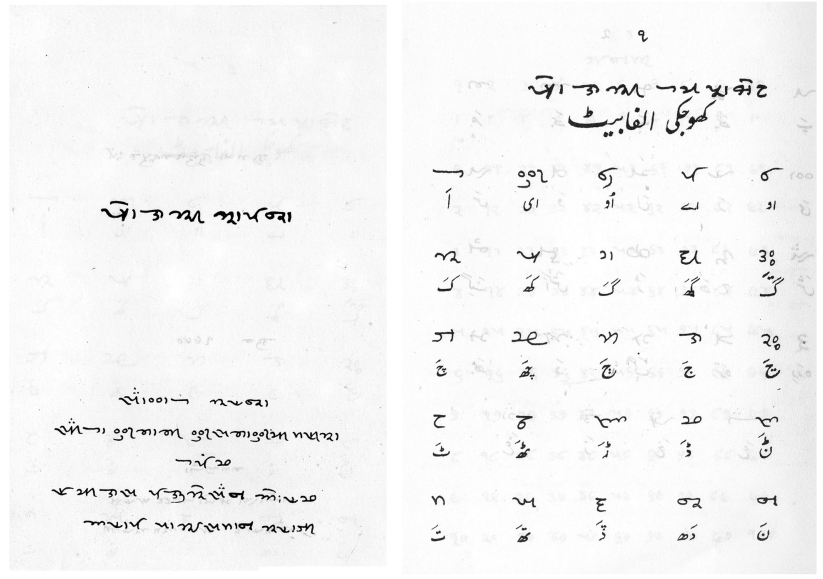
Khojki was used in the 16th century primarily by the Khoja community to write Sindhi. Although its usage has declined, it is still used by the Nazari Ismaili community in a minor capacity. There’s one theory which even proposes that the Voynich Manuscript is in Khojki script.
Sometimes it was also written in non-Landa scripts such as Ardhanagari, Mahajani, Devanagari and others. Most of these are lost in time. Landa scripts were used all over North-Western India (today Pakistan) between roughly 10th and 19th century.
Historically, however, Sindhi was written in more than 21 scripts. It was written in Landa scripts, such as Thattai, Khudabadi, Lohanaki, Shikarpuri, Memonki, Khojiki, Multani, Gurmukhi, Hatkai. In the tree, you can see how these writing systems were related.
The lost written scripts of Pakistan - a thread
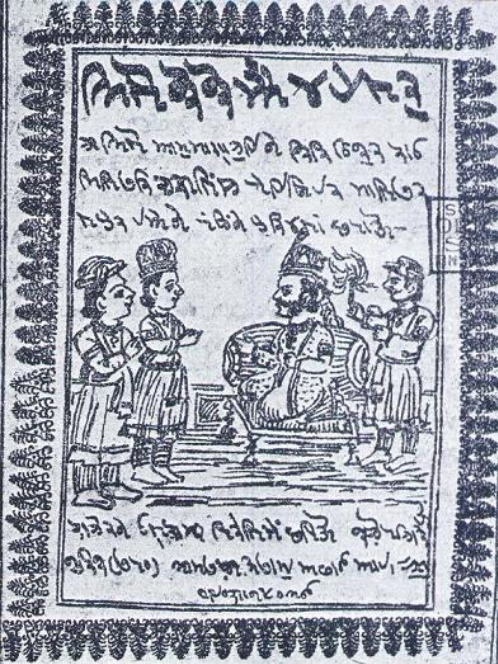
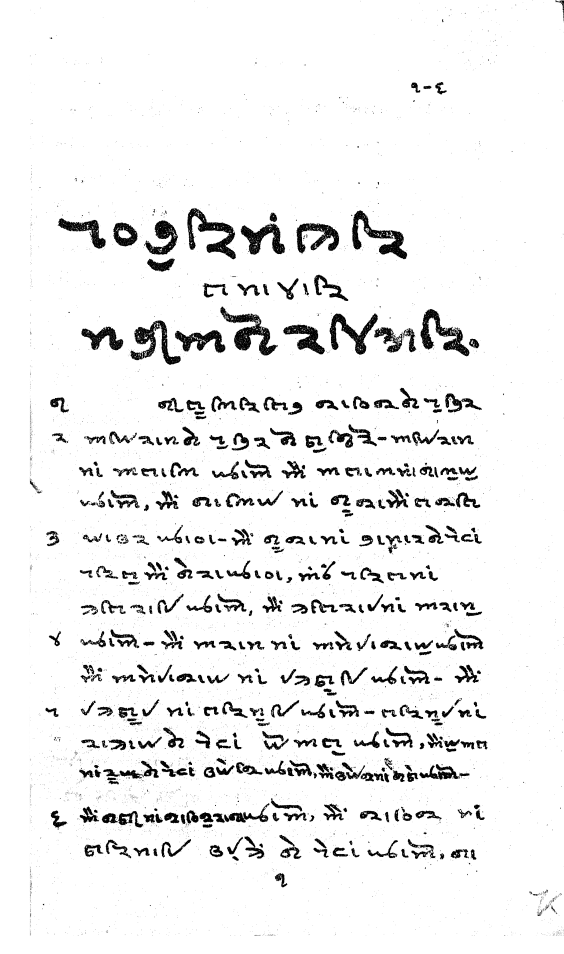
Between 1868 to 1947, the official written script for Sindhi was the Khudabadi script. Khudabadi script was in widespread use between 16th century Sindh and Partition of India. Today, it's been almost entirely forgotten.
@Expedition2Inc False Tomb. There are several strong evidence to prove that it's not any tomb. The terrorist Shahjahan might have been neutralized by Rajput Rulers.
@ElahiNazia1
आइए अजमेर।
माननीय न्यायालय के समक्ष यह तथ्य रखे गए कि सिजिस्तान के ख्वाजा मोइनुद्दीन चिश्ती ईरान, मक्का, मदीना गए परंतु भारत आकर अजमेर में रहने का तत्कालीन कोई अभिलेख नही। जहाँ आरा द्वारा लिखित माने गए अभिलेख में शिवालय में ख्वाजा की कब्र घोषित की गई।
@Expedition2Inc It's decoded that these are not tomb stones and how they have been shifted and toppled to make them look like tombs.
Neither upper nor lowers toms are real. Radio Carbon dating of the soil can reveal that nobody was burried there.