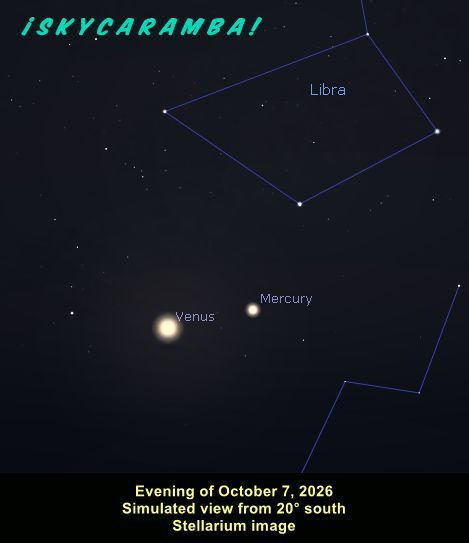
Mercury is about to be at greatest elongation, 25.2° east of the sun in the evening sky. It's hard for most northern hemisphere observers to see right now though. From south of the equator, the view isn't bad.
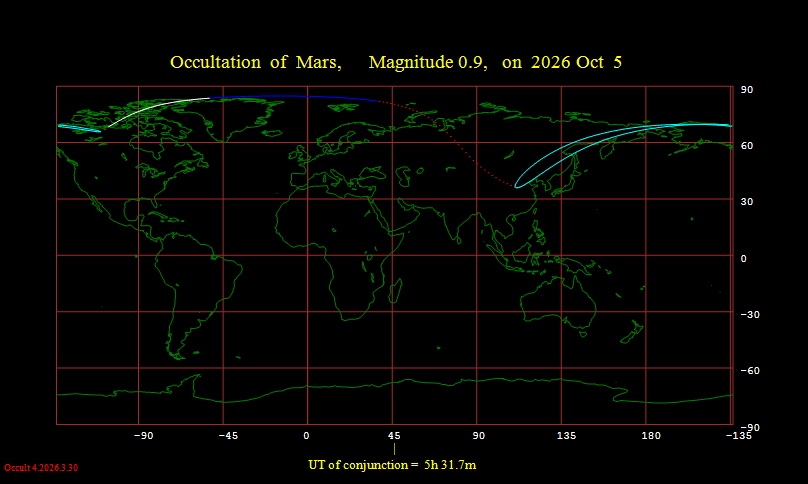
This week's podcast covers Venus leaving the evening sky, Mercury at greatest elongation, Saturn staying up all night, Mars crossing the crab, and what scientists learned when Venus passed right in front of the sun.
https://t.co/wRrmnuiRte
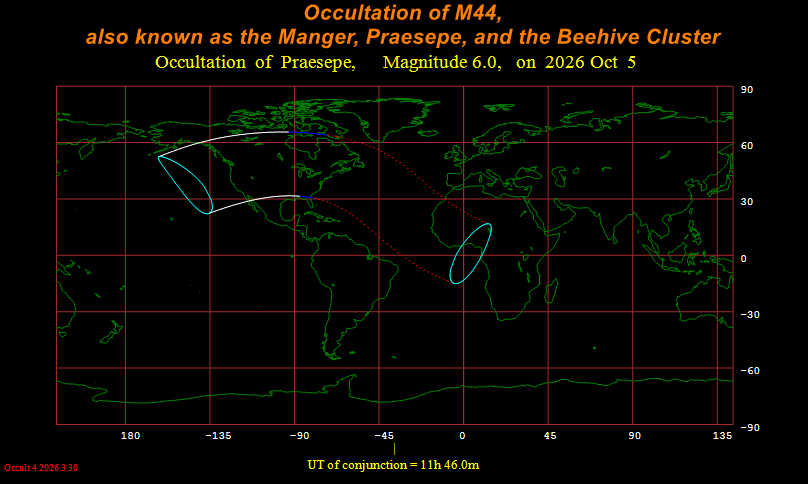
Mars will pass through the beehive (M44, Praesepe, the Manger) this weekend. You can see it in the morning sky. It will look spectacular in binoculars.
The moon is at descending node Wednesday. That means it's crossing the ecliptic (the sun's path through the sky over the course of a year) going southward.
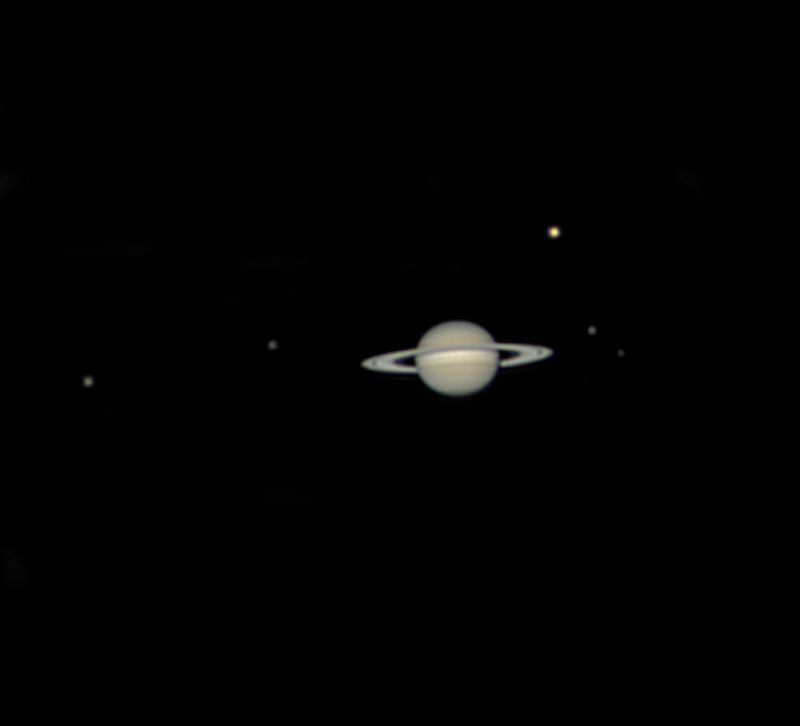
Behold Saturn and its moons! Roberto Ortu in Cabras, Sardinia, Italy, captured this view of #Saturn and some of its larger #moons in late September. Thank you, Roberto! 🪐📸
https://t.co/KSEDblIW0z
See more great photos and submit yours, here:
https://t.co/MGPtSH6qKK
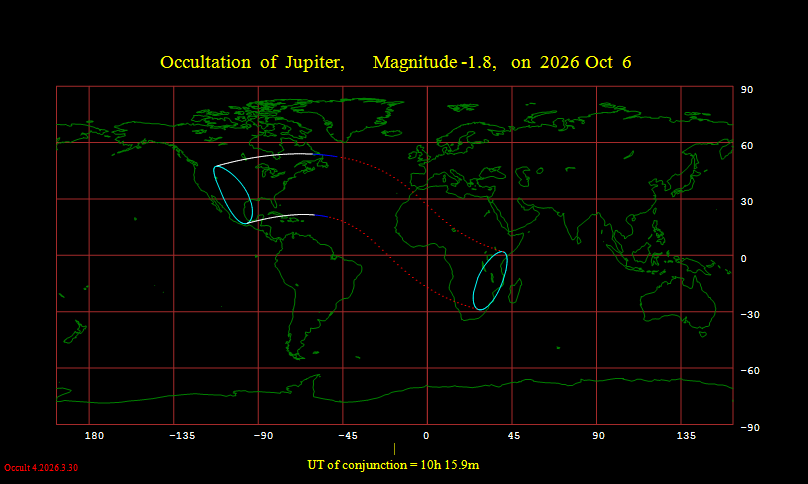
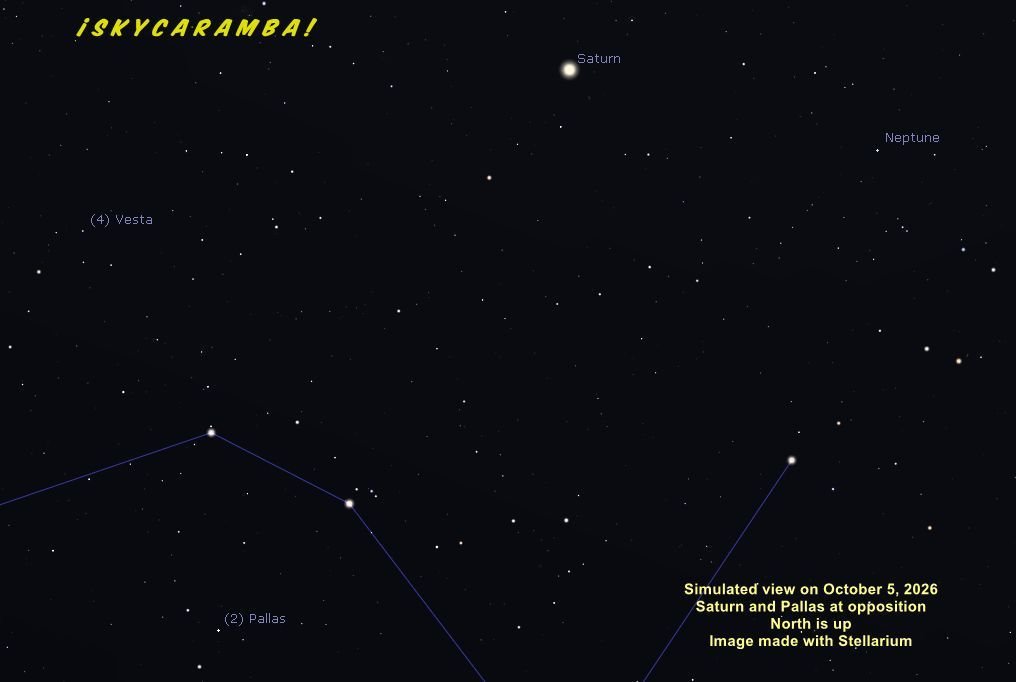
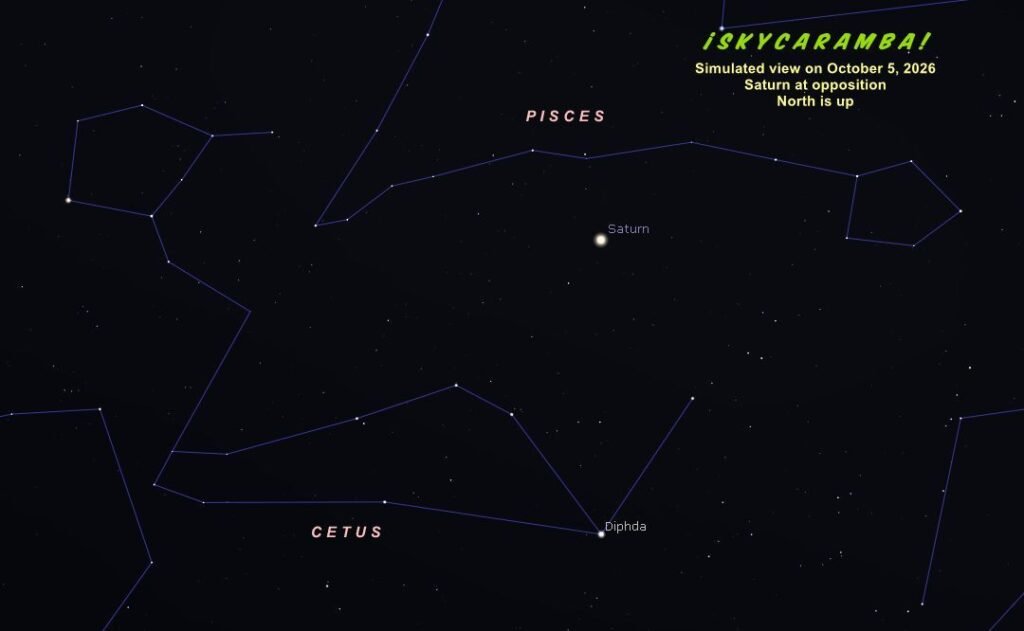
This week's podcast: Saturn at opposition, rising alongside a sea monster and two linked fish. Vesta is also nearby. Venus and Mercury are paired in the evening. Mars and Jupiter are getting close in the morning. The moon passes in front of Jupiter.
https://t.co/xABPcEHQZz
Saturn's at opposition this weekend. It rises at sunset, reaches its highest around midnight, and sets at sunrise. The ringed planet is 8.434 astronomical units (earth-sun distances) from us. This is about as close as it will be all year.