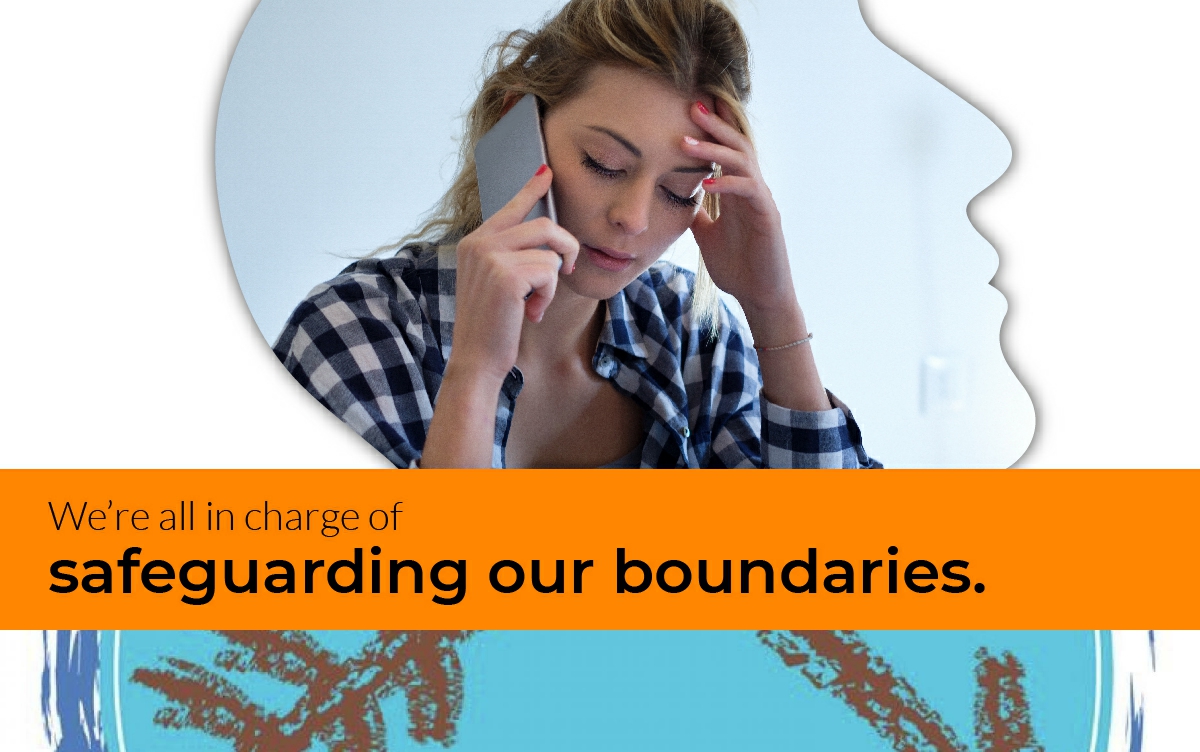
It’s important to understand that boundaries aren’t permanent. In fact, you should continually reassess your boundaries to ensure they are serving you.
Physical boundaries pertain to your personal space, privacy, and body. For example, when greeting someone, do you give a handshake or a hug—to whom and when?
When expressing your needs, remember that people won’t even realize they are crossing a boundary most of the time! Not letting them know is, in effect, doing them a disservice.
Our emotions serve as clues about what makes us happy and unhappy, providing insight into our wellbeing. Self-care involves recognizing the importance of your feelings and honoring them.
Our boundaries aren’t as visible as a ‘no trespassing’ sign, but that doesn’t mean you can’t make them clear to others. Remember, you can have different boundaries for different people.
Setting boundaries and limits are all about self-awareness. To become more self-aware, try setting aside some time each day to reflect on your thoughts with journaling or mindfulness practice.
Boundaries are our own invisible force field, and everyone’s set of boundaries are unique to our personal experience. We’re all in charge of protecting our own limits.