This is the Salt Lake Regional Brain Bee Chapter hosted out of the University of Utah. Brain Bee is a neuroscience competition for high school students.
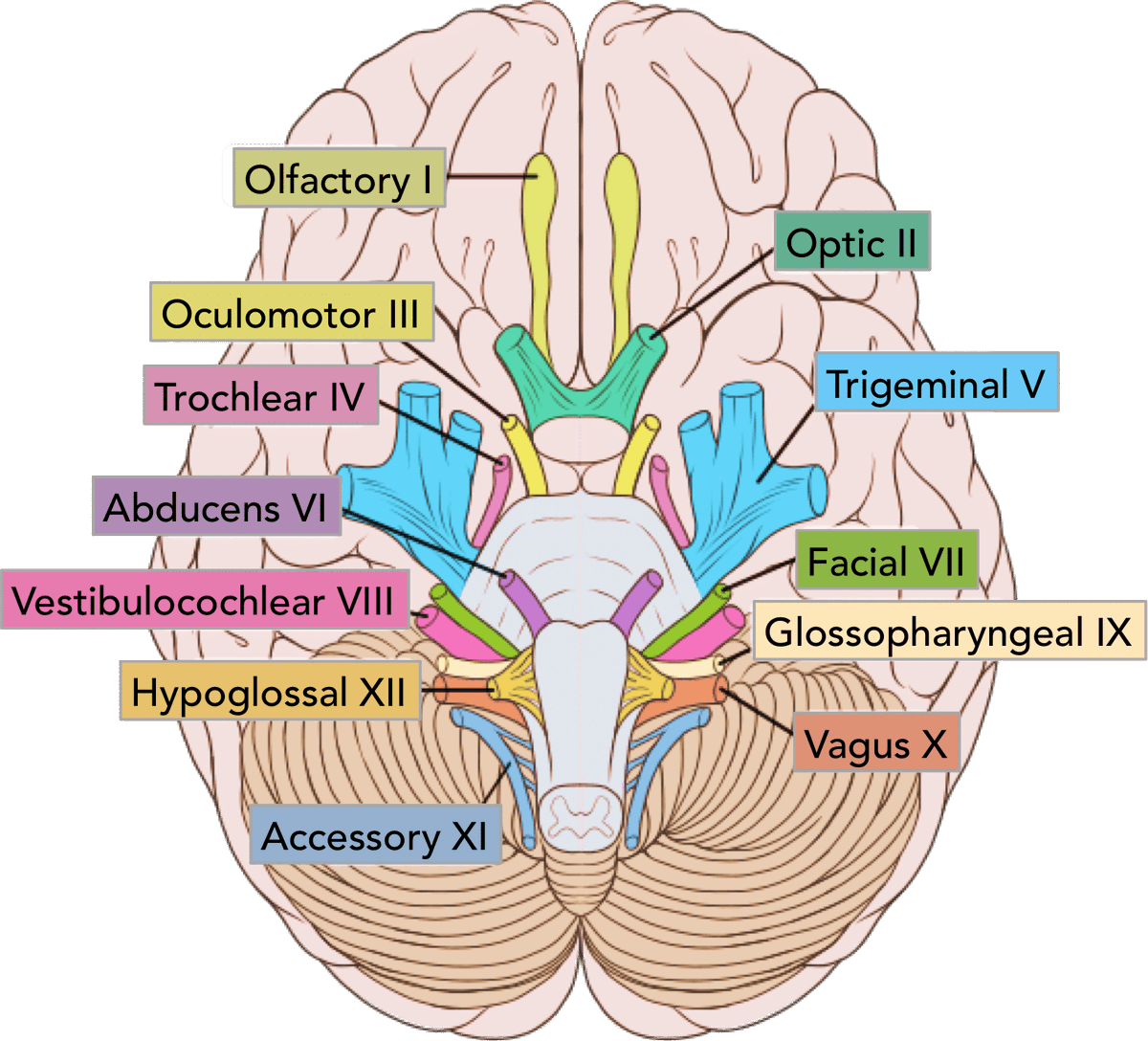
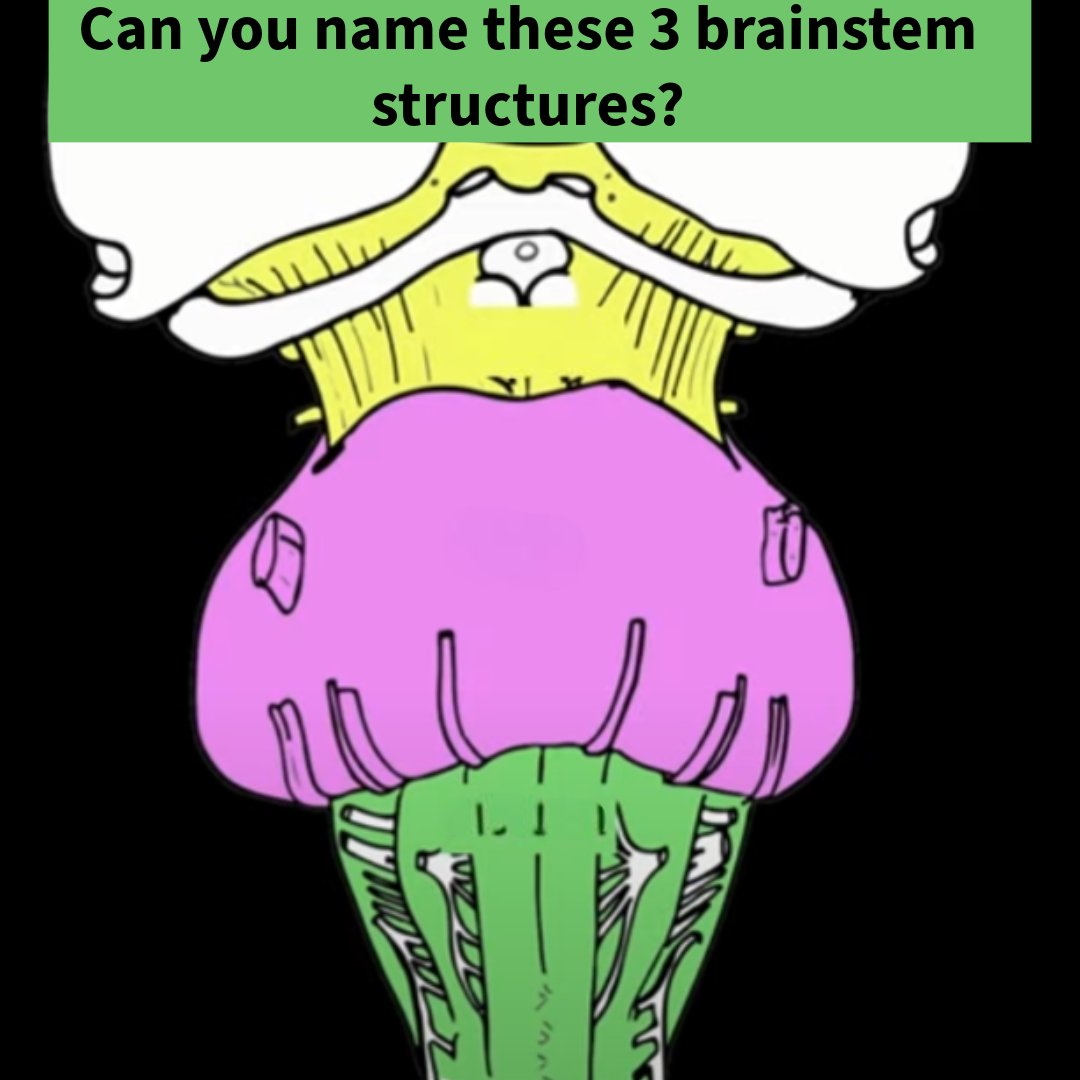
A great way to remember the location of the 12 cranial nerves is to split them into groups of 4:
CN 1-4 are above the pons
CN 5-8 are in the pons
CN 9-12 are in the medulla
#brainbee#neuroanatomy
Don't forget to join us at the SLC Brain Bee this Saturday, March 2nd! We can't wait to explore #neuroscience with you! 🥳🧠
The event opens at 9 am with day-of registration available! Click here to learn more: https://t.co/s1VbaXyqj5
#BrainFunFact: Synapses, or the gaps that connect the neurons in your brain, are pruned just like a rosebush. Synaptic pruning helps strengthen the most important synapses and makes neurotransmission more efficient.
#BrainFunFact of the week: In addition to ~100 billion neurons, your brain has just as many non-neuronal cells! These cells are referred to as glia and they have many roles, from supporting neurons to regulating vital functions in the brain! 🧠
#BrainFunFact: studies have shown that London taxi drivers have a larger hippocampus (the part of the brain that is necessary for memory storage) which helps them remember directions and routes.
Are you a high school student (age 13-19) in Utah interested in neuroscience, or do you know someone who is?? Then sign up for the SLC Brain Bee! https://t.co/h2n90vwYZR
Lots of neuroscience facts, fun, and PRIZES! 🧠🎉
#BrainFunFact of the week: Did you know each brain has ~100 billion neurons??🤯 Extra fun fact- this is about the same amount of stars in the milky way💫✨🌟
#BrainFunFact of the week: the folds in the cerebral cortex, called gyri (plural for gyrus) help to increase the surface area of the brain to allow for higher-level cognition.
#BrainFunFact Did you know that caffeine works by blocking adenosine, a neurotransmitter that plays a role in the sleep-wake cycle, to prevent drowsiness? ☕️😎