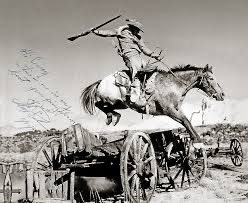
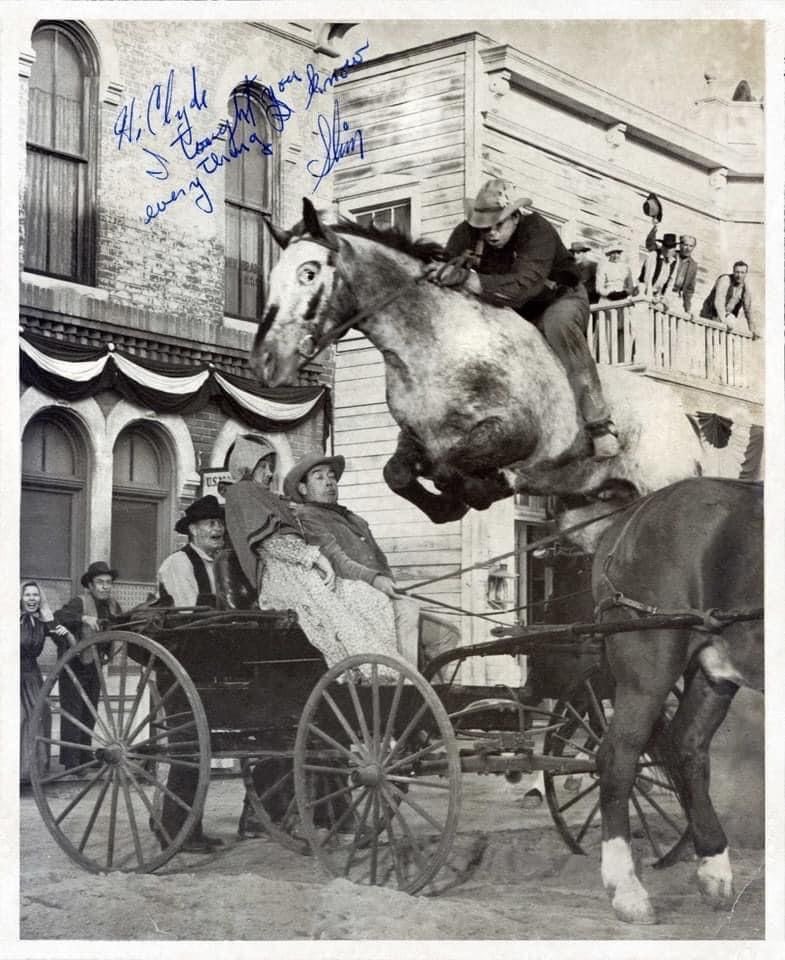
🎬🤠Before becoming a Western film icon, Slim Pickens made his name in the rodeo arena, performing high-risk stunts on horses like Dear John that showcased true cowboy athleticism.
These iconic Swedish wooden figurines date back to the 17th century-symbol of luck, strength, and tradition. Hand-painted in bold reds, they're everywhere from homes to holidays. Fun fact: Over ten million sold worldwide! Who's got one? #DalaHorse#SwedishCulture
🎨🐴��� “The Arab Falconer” (1863) by Horace Vernet. Oil on canvas. Depicts a Bedouin hunter on a black Arabian mare firing a jezail rifle at a falcon in flight. Classic Orientalist scene of speed, skill, and desert horsemanship.
📖🐴Pommers, Sir Nigel Loring’s ferocious yellow war-horse in Arthur Conan Doyle’s Sir Nigel, embodies untamed power and knightly virtue.
Only Nigel could master the man-killing beast, turning raw fury into loyal service. Pommers is more than mount—he is Nigel’s mirror: small yet fearless, savage yet noble, the perfect steed for England’s greatest knight in the age of Crécy and Poitiers.
🇺🇸🏇 Ruffian (1972–1975), undefeated in 10 starts, dominated fillies with record-setting wins and swept the 1975 Filly Triple Crown; ranked #1 filly of the 20th century by Blood-Horse (#35 overall), Hall of Fame inductee 1976.
Her catastrophic sesamoid breakdown (due to lacking bone substance despite perfect speed conformation) in the nationally televised 1975 match race vs. Foolish Pleasure ended in euthanasia, symbolizing racing’s fragility—“speed kills”—and spurring veterinary advances like recovery pools while highlighting breeding risks and breakdowns.
She became a feminist icon in the “battle of the sexes” era, inspired a namesake stakes race, a 2007 film, and enduring grief over equine vulnerability.
She was the first horse in a USMC amphibious landing. Retired VIP at Camp Pendleton, had 4 foals, honored with statues nationwide. A true four-legged warrior! 🇺🇸🐎
Meet Staff Sergeant Reckless 🐴💥 – the badass Korean War Marine who out-heroed most humans!
Bought for $250 in 1952, this sassy chestnut mare joined the Recoilless Rifle Platoon.
Epic moment: Battle of Outpost Vegas – 51 solo trips in ONE day under heavy fire, hauling 386 shells (9,000+ lbs!), wounded twice but kept going. Legend!
Quirky side: Devoured scrambled eggs, beer, Coke, bacon… and once $30 in poker chips! 😆 Slept in tents, crashed parties.
Promoted to Staff Sgt with 19-gun salute & parade.
Hayagriva, Vishnu’s horse-headed avatar, symbolizes supreme knowledge (jnana) and speech (vak); he restored the stolen Vedas, enabling creation, and is the patron deity of learning, arts, and education. In Indian culture, students invoke him for academic success; temples like those in Assam and Tamil Nadu host festivals, and his mantra is chanted for wisdom and obstacle removal.
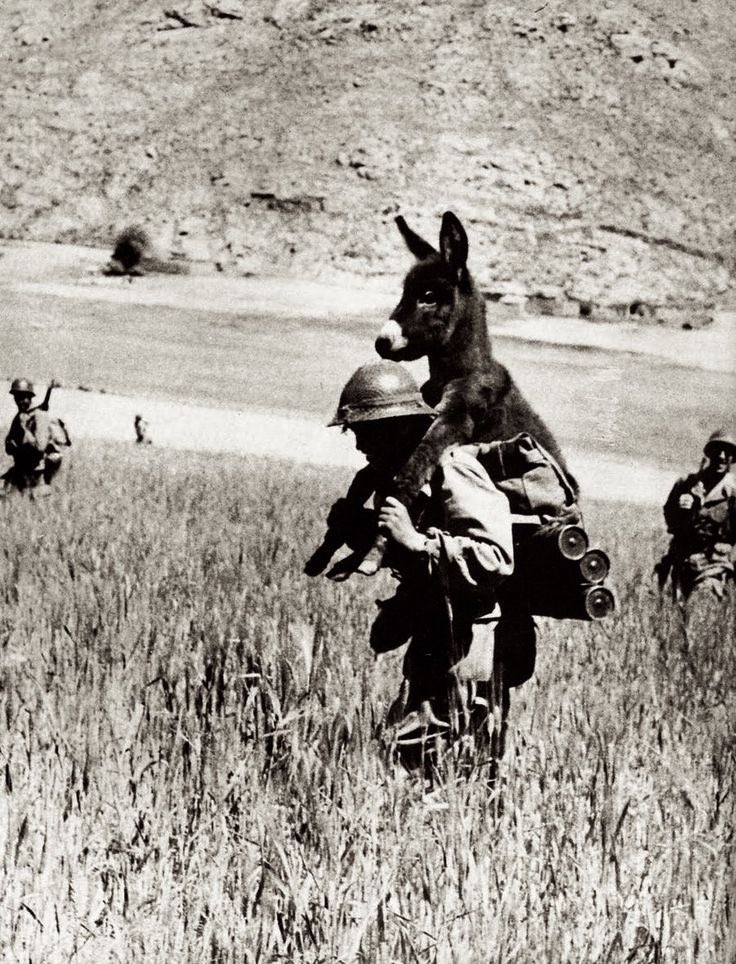
Photo from the 1958 Algerian War, shows a Muslim harki (auxiliary) in the French Foreign Legion’s 13th Demi-Brigade carrying a starving baby donkey nicknamed “Bambi” back to base for rescue and nursing; it became the unit’s mascot, earning animal welfare awards.
Sergeant George Thompson, a WWI transport soldier with the 7th Battalion Durham Light Infantry, defied orders to shoot his troublesome but loyal horse when it fell ill with skin disease at Fricourt; instead, he secretly built a stable, nursed it back to health, and kept it through the war. Surviving shellfire, dead bodies, and hardships together, Thompson earned the Military Medal for bravery, documented their bond in a 1928 diary for his daughter, and later worked at Vaux Breweries until his 1958 death.
Around 8 million equines (horses, donkeys, mules) lives were sacrificed in WW1
🇬🇧British Empire: 484,000 horses; 210,000 mules/donkeys.
🇫🇷France: ~1 million horses.
🇩🇪Germany ~1.2 million horses.
🇺🇸68,000 horses/mules.
Of the casualties 60% died from disease/exhaustion; 25% artillery and 15% from other causes.
WWI horse propaganda portrayed soldiers and horses as “pals” to evoke emotion, boost morale, and encourage enlistment/recruitment.
They showed horses as brave, loyal comrades enduring trenches, mud, and fire to glorify sacrifice.
Posters urged men to “care for” or “join” horses in service, tying duty to animal welfare.
Campaigns like Blue Cross used wounded horse photos to raise funds for veterinary care and contrasted British “kindness” to horses with alleged German cruelty.
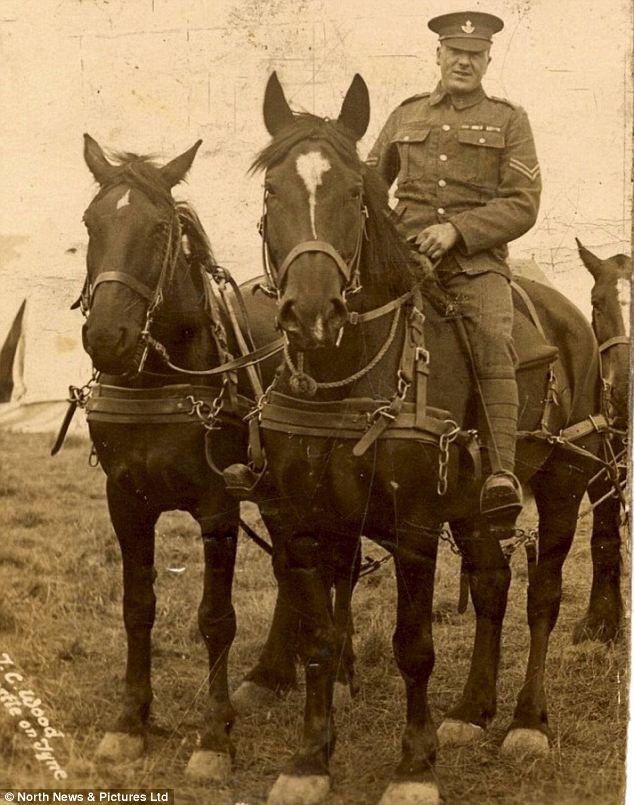
WWI British artillery officer with two horses. Horses hauled artillery guns, ammunition caissons, and supplies in teams of 4–8, pulling heavy loads over rough terrain.