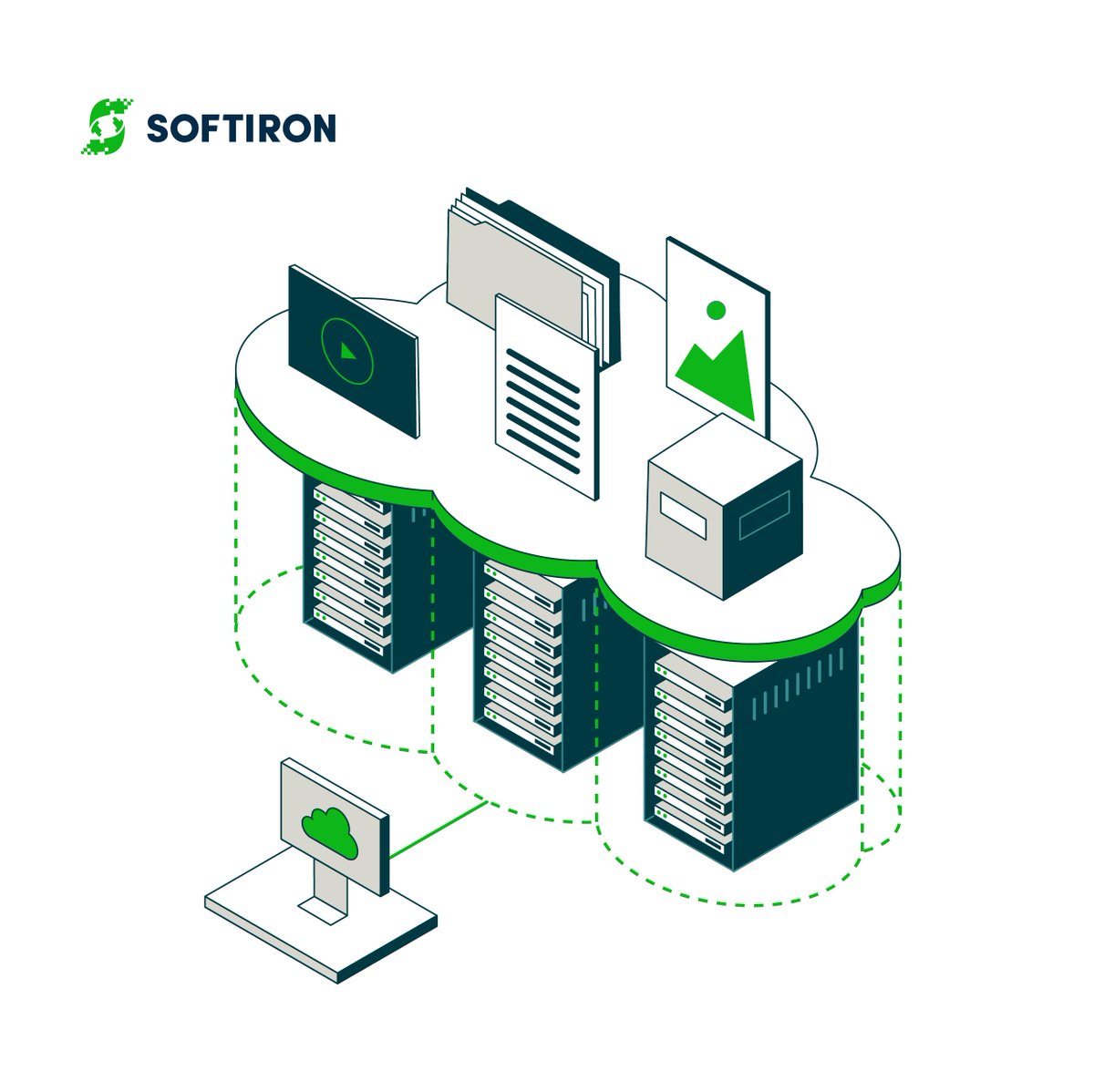
Most platforms ask you to turn hardware into a cloud by installing and operating a software stack. HyperCloud starts as a complete cloud system. Pooled capacity. Less assembly. Less operational burden. https://t.co/kE0gNyE3im #InfraDesign
Infrastructure designed as a system starts with the customer experience. Infrastructure assembled from parts hands customers the seams and asks them to manage the complexity. Good design removes those seams. https://t.co/lNVoQdVx3D #EnterpriseIT#CloudStrategy
Most infrastructure asks you to trust status pages, SLA language, and dashboards. HyperCloud is built for a quieter kind of trust: infrastructure that behaves so consistently, people stop bracing for disruption. That is infrastructure is doing its job. https://t.co/dAY3uKjYcP
Complexity is too often treated as the price of modern infrastructure. It shouldn’t be. Good design reduces operational burden instead of turning it into a business model. HyperCloud removes work customers shouldn’t have to absorb.
https://t.co/hsgd1VViIc #CloudArchitecture
Unified infrastructure is often still operated box by box. The real shift comes when infrastructure is consumed as pooled capacity, not managed as individual systems. That’s where it starts to feel less like overhead and more like foundation. https://t.co/2fRtM9X7jf #EnterpriseIT
Automation should accelerate a healthy system, not compensate for a fragile one. If infrastructure needs endless scripts, the architecture may be the problem. Not more automation. It is infrastructure that doesn't need constant fixes. https://t.co/CQZjBWczTs #Infrastructure
Scaling infrastructure usually means scaling complexity. More nodes. More coordination. More failure points. HyperCloud flips that model. As resources grow, the system gets stronger. Scale becomes an advantage instead of a risk. https://t.co/NB8gl6noQl #EnterpriseIT#PrivateCloud
Public cloud changed what people expect from IT. On-demand resources, not systems that need constant care and feeding.
HyperCloud brings that model on-premises and to the edge. Cloud behavior. No cloud dependency.
https://t.co/6tKm18kBDl #PrivateCloud#EdgeCloud
Reliability isn’t a tool. It’s an architectural property. When resilience is built into how systems operate, failures stop becoming events. They become background noise. That’s the model HyperCloud was designed around. https://t.co/vQcZhdDcJB #CloudArchitecture#EnterpriseIT
Perfect connectivity. Unlimited scale. Large expert teams.
That may be the assumption. It is rarely the reality.
HyperCloud is built for the environments enterprises actually have to run.
https://t.co/6wUx6qpEyd #EdgeComputing#ResilientIT
Most “cloud” solutions are stitched together. When something breaks, your team holds it together. That’s not simplicity. That’s assembly. HyperCloud is one unified system with built-in scaling and resilience. https://t.co/xw9NiSmZ4V #CloudInfrastructure#PrivateCloud#CIO
SoftIron doesn’t answer the same old CIO question. We ask a different one. How do you deliver the full public cloud experience anywhere without runaway costs or human-heavy control planes? Different question. Different future. https://t.co/HfTiwpYijY #CIO#CloudStrategy
New tools. New layers. Constant motion.
But motion isn’t progress.
Progress is quieter — fewer interruptions, less babysitting, systems that just work.
HyperCloud changes infrastructure behavior.
https://t.co/qLc4R1I2I4
#CloudArchitecture#EnterpriseIT
“Managed” and “automated” sound settled. They don’t help when context disappears and you’re trying to explain a failure in real time. HyperCloud is built for clarity under pressure, not just comfort in marketing. https://t.co/s8g1Wyd63a #SystemsThinking#ITLeadership
If infrastructure outages were treated like safety failures, many “normal” designs would suddenly feel unacceptable. HyperCloud was built by asking that question first. https://t.co/O3QpF9M8bO #CloudArchitecture#SystemsThinking#ITStrategy
When every change feels risky, creativity retreats. Energy shifts from building to preservation. HyperCloud restores confidence by removing architectural fragility.
https://t.co/ubhMbxsRCI #SystemsThinking#ITLeadership#HyperCloud
Fragile systems don’t fail loudly. They quietly interrupt momentum and turn bold ideas into careful ones. HyperCloud removes the fragility that forces teams into defensive work. https://t.co/Ufmp8WwWgc #ITCulture#Leadership#EnterpriseIT
Complexity is often mistaken for sophistication, even when it hides fragility and confusion. Real strength shows up when systems are clear, predictable, and behave as expected. https://t.co/jo2qP3KLVy #CloudArchitecture#Simplicity#ITLeadership
When responsibility drifts away, consequences become abstract and systems grow fragile. HyperCloud is designed to keep responsibility and reality connected, so resilience is built in, not delegated. https://t.co/QVvbYuG6vd #Leadership#ITGovernance#CloudStrategy#CIOPerspective
Many architectures assume hyperscale conditions most organizations will never have. Applied elsewhere, complexity grows faster than capability. HyperCloud delivers cloud behavior without hyperscale teams or overhead. https://t.co/tPy5C7pVr4 #CloudReality#ITStrategy#HyperCloud