The free daily brief on conflict, security & technology. Founded by former special operators. Apolitical | Unbiased | Fact-first. Join 72,000+ readers ↓
Sat down with @ArbitrageAndy1 for the ARB Letter on prepping in 2026 and beyond. We covered finances, defense, geopolitical risk and planning for your family. Start here if you’ve been putting off a plan.
New @ARBLETTER with former SEAL commander @SamHavelock of @SOFXnetwork is live on prepping in 2026 and beyond.
We look at:
- financial considerations
- defensive capability
- geopolitical adverse events
- contingencies for your family
- and much more
Tomorrow at 7:50 AM ET: Former SEAL Team Commander Sam Havelock of @SOFXnetwork joins @ARBLETTER to talk prepping.
Protecting your money. Defending your family. Cyber threats, civil unrest, medical essentials, and what to do when the grid goes down.
Are you actually prepared?
A Congressional Research Service report updated Oct. 5 lists 81 U.S. military aircraft lost or damaged since U.S. and Israeli strikes on Iran began Feb. 28, including 45 MQ-9 Reaper drones, 12 F-15E fighters and seven KC-135 tankers. The Congressional Budget Office estimates equipment replacement costs at $1.9 billion to $3.3 billion.
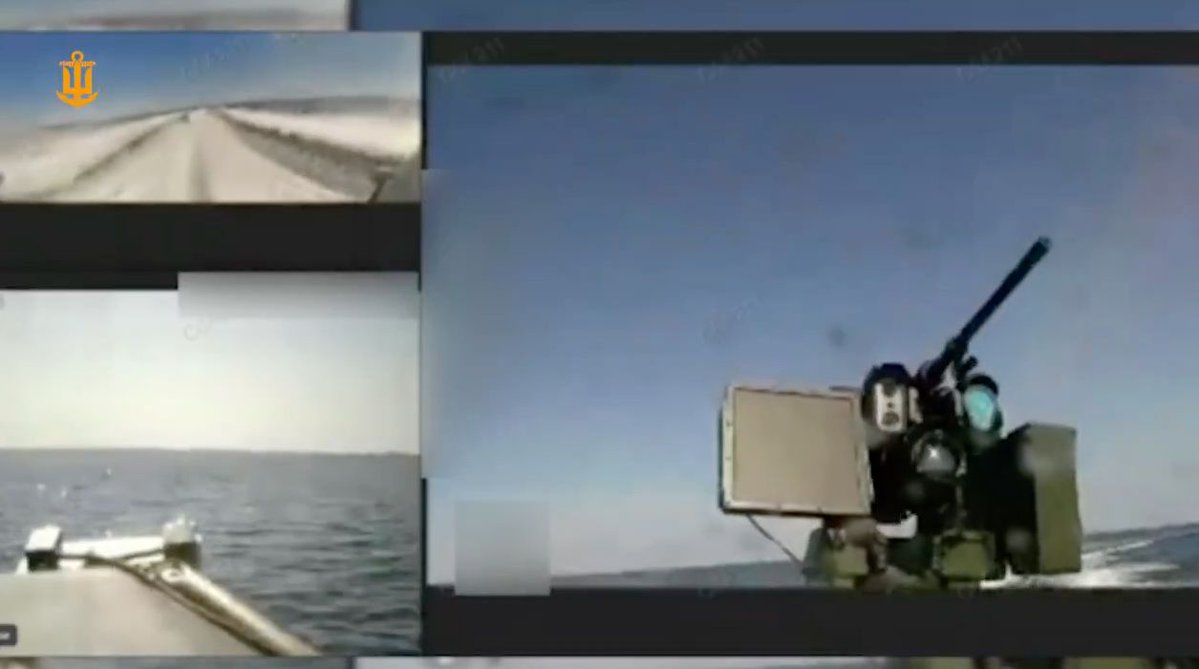
Ukraine’s Navy released video on Oct. 7 showing a Sargan-3000 uncrewed surface vessel shooting down a Russian Shahed attack drone using a remotely operated 12.7 mm machine gun. Adopted in April 2026, the naval drone previously destroyed a Russian uncrewed surface vessel in the Black Sea in September.
The Pentagon says Nidal Malik Hasan, convicted of killing 13 people and injuring 32 in the 2009 Fort Hood shooting, is scheduled to be executed by firing squad on Dec. 3 at 1 p.m. War Secretary Pete Hegseth said the execution at Fort Hood, Texas, will be public and livestreamed.
OpenAI released 722 manuscripts on Oct. 6 covering 372 mathematical result families generated by an unreleased AI model. The company said the work includes a claimed solution to the four-dimensional Kakeya conjecture and progress toward the Riemann hypothesis, but mathematicians say the results require independent verification.
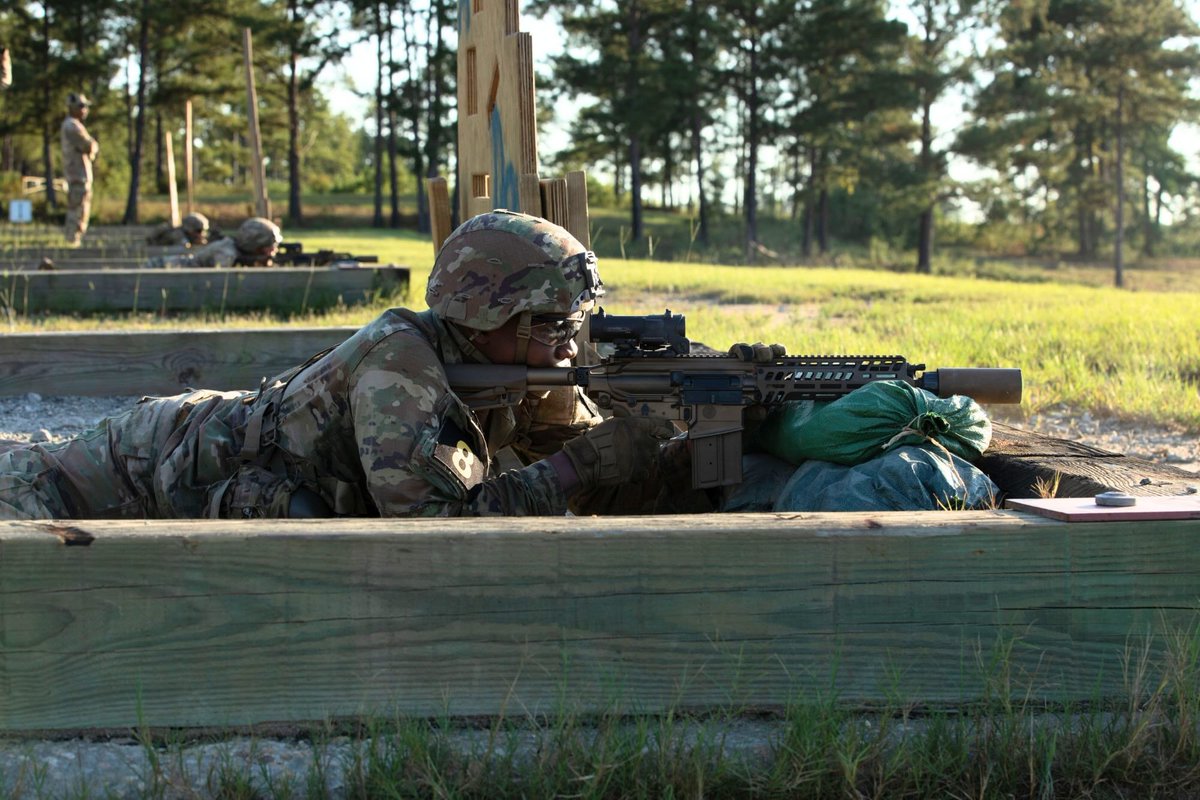
The U.S. Army will begin fielding Sig Sauer’s M8 carbine in December, with Fort Bragg among the first units to receive it. The M8 is more than a pound lighter than the M7 and has a shorter barrel, fixed stock and redesigned handguard. The Army requested 14,944 M8s for FY2027.
Drone attacks struck two cargo ships off Bulgaria on Oct. 6, sinking the Togo-flagged Alfa Watan and damaging the Palau-flagged Able. All 12 crew of Alfa Watan remain missing, while 18 aboard Able were rescued. Bulgaria has not directly blamed Russia, which denied involvement.
The U.S. military has moved MQ-9 Reaper drones from Africa to Colombia and Ecuador as Washington expands operations against drug trafficking groups. Ecuador says two Reapers are already operating, while Colombia agreed to receive three. The drones support surveillance and precision strikes.
Former U.S. Army Maj. Nidal Hasan, convicted of killing 13 people and wounding 32 at Fort Hood in 2009, is set to be executed by firing squad. Defense Secretary Pete Hegseth recommended the method, approved by President Donald Trump. It would be the military’s first firing squad execution since 1945.
The U.S. government and Anduril Industries announced plans for a $6.6 billion shipyard in Maryland to expand Virginia-class submarine production. The Navy will provide up to $2.9 billion, while Anduril plans to invest $3.7 billion. Operations are expected to begin in 2030.
The U.S. Air Force moved at least 12 B-1, B-2 and B-52 bombers from RAF Fairford in England back to U.S. bases over the weekend following reports of a possible Iranian drone threat. The withdrawal followed a security incident and terrorism arrests near the base in September.
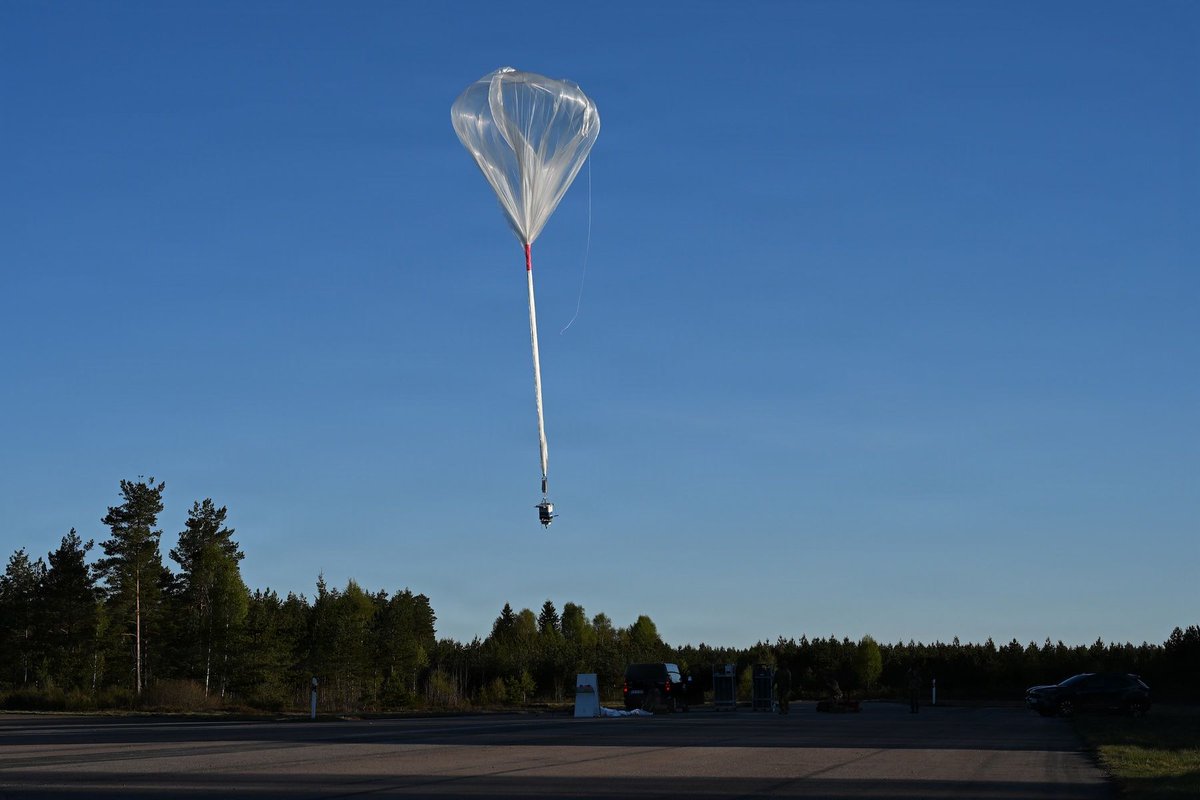
Russia is testing balloon barriers to counter Ukrainian drones, using cables and suspended Kevlar threads to entangle propellers. The system could also force drones to higher altitudes, making them easier for radar and air defenses to detect and engage. Designers say it is ready for mass production.
The U.S. Army activated the new 390A Robotics Technician MOS on Oct. 1, with its first 10 warrant officers inducted at Fort Bragg on Oct. 2. The 19-week program trains specialists to integrate drones, ground robots, AI and autonomous systems into battlefield operations.
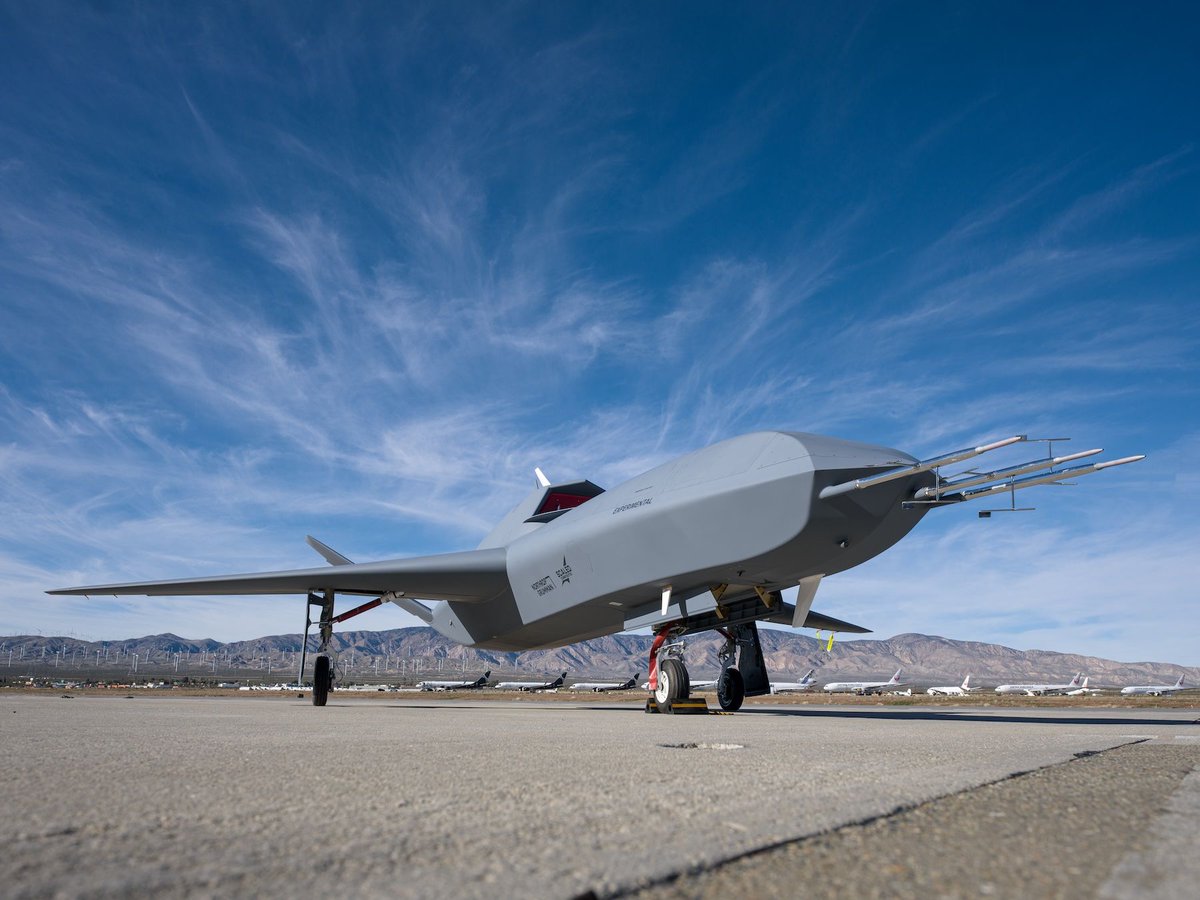
Northrop Grumman’s YFQ-48A Talon Blue has completed its first fully autonomous flight in Mojave, California. The uncrewed aircraft performed taxi, takeoff, maneuvers and landing without remote control and is being developed as an autonomous wingman for the Air Force’s CCA program.
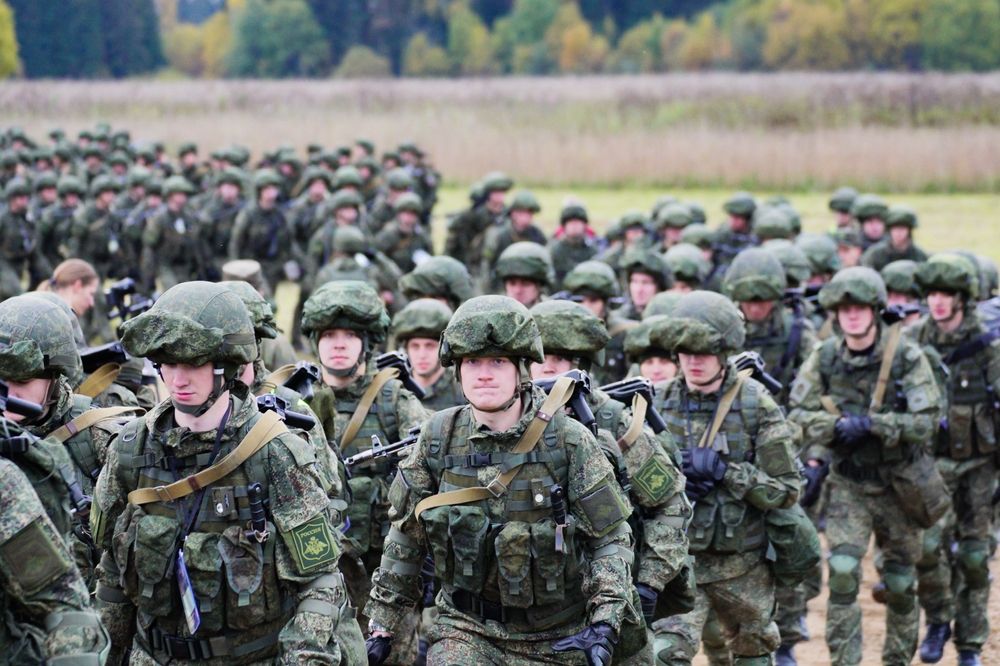
Russia’s Center-2026 exercise involved more than 47,000 troops from Russia, China, Belarus, Pakistan and other states across 11 training ranges. The drills featured T-14 and T-90M tanks, Su-57s, more than 500 drones and over 50 robotic systems.
Project Meridian, announced by Defense Secretary Pete Hegseth on Sept. 30, will study future military capabilities in AI, autonomy, directed energy, robotics and biotechnology. Elon Musk, Palmer Luckey and Newt Gingrich will co-direct the 120-day study, due Jan. 28, 2027.
Body-camera footage from a May 21, 2025, shootout on Lima’s Vía Expresa has gone viral again. Peruvian National Police SUAT officers exchanged fire with suspected members of “Los Injertos del Centro,” killing two suspects and wounding three officers.