These are short videos that summarize conservation practices like high tunnel, cover crop, and micro-irrigation.
This is a tiny fraction of the practices for which @USDA_NRCS can provide planning and financial assistance with #EQIP.
Call your service center for details.
Alaska Division of Agriculture is offering micro-grants to support local food security. Everyone is eligible and the funds can be used for small scale gardening tools and supplies, herding and livestock fencing, and other purposes.
https://t.co/it3s411xTs
Soil Advocate Training started last night. I'm excited about the course and I am making a list of NRCS practices to promote healthy soil and cleaner air.
https://t.co/PCR7s9SRbb
Sometimes we have to explore the old ways to figure out how to assist our clients. 511 Forage Management seems limited to larger operations, but with a little innovation, it becomes a practice we can plan for smaller farms.
https://t.co/ZwT7elwYQ3
Dr. Patterson once commented that the most difficult time for a farmer was the winter, sitting at a table with pencil, paper, and a cup of coffee. The task: plan where the next season's crops would be planted in a small plot.
https://t.co/73Qf49zFfs
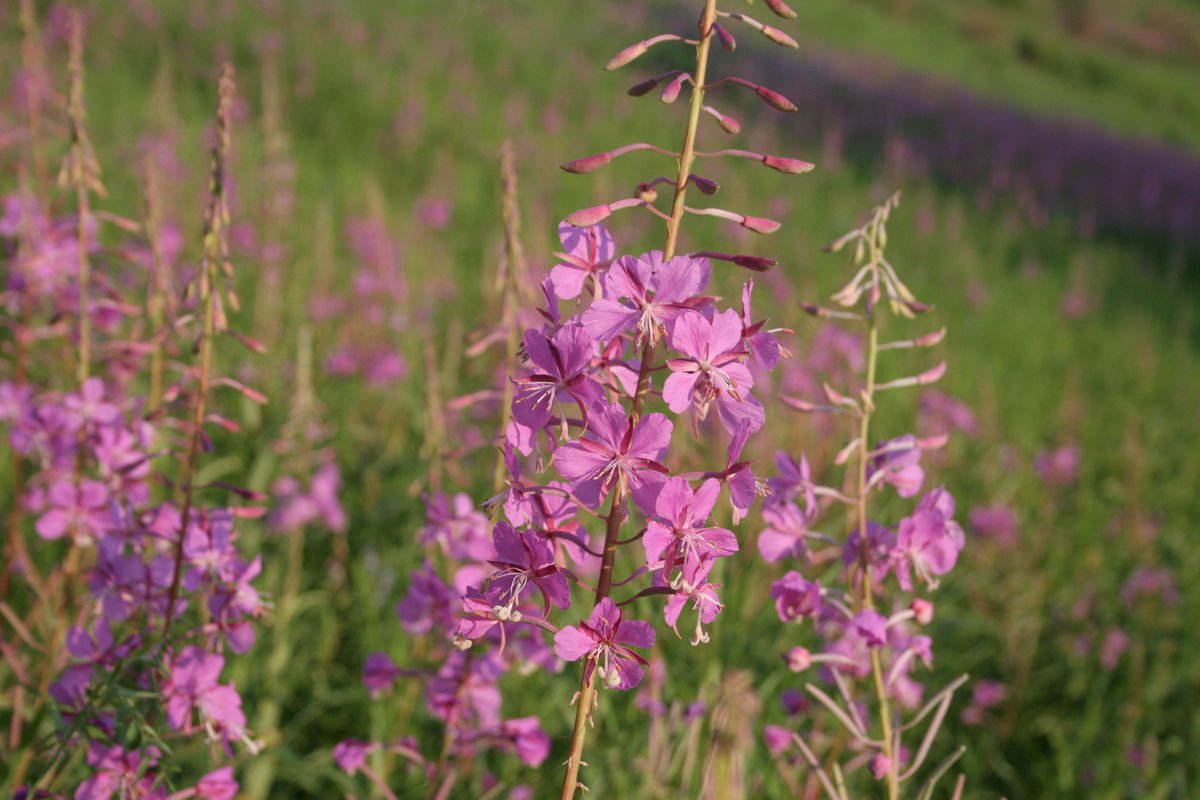
Have you ever wondered if fireweed is edible? It is, and this publication has information on how to preserve and use the shoots, buds and blossoms of this perennial plant. You'll learn how to clean, store and dry fireweed, as well as how to extract juice. https://t.co/RZTFPgKjpp
“Grazing a patch of ground once every 90 or so days keeps the grass in a regenerative state. That’s what wildlife like – tender, fresh forbs and grasses. And the grazing creates nesting cover that is hard to develop any other way.” https://t.co/A2vdvcMEh3
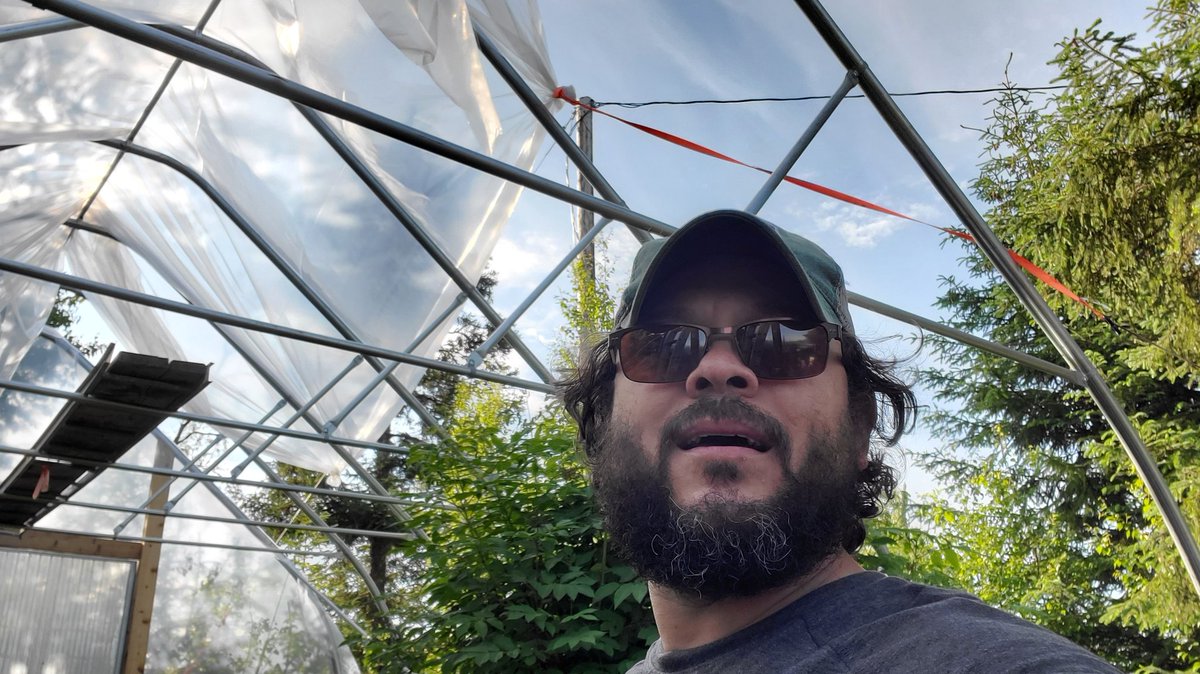
I spent about 30 hours of personal time, including 4th of July and this weekend, helping a client install his high tunnel. To me, technical assistance should play a larger role in our duties. And, I learned a LOT about the process to help the next client plan ahead.
@soil_institute I have clients at the micro-scale who are experimenting with this. The challenge for fields measured in square feet instead of acres is non-herbicidal, no-till knockdown.
Inspired during his military service in Iraq, Dorian Perez earned a Crop and Soil Sciences degree that set him on a #conservation path in a surprising location far from his NC home. #AGPackStrong@NCStateCALS@SoilconD
https://t.co/U4wfquHIdr
A great primer on setting up what is often referred to as a micro-farm. I really enjoyed to video and took lots of notes.
How to Start a Farm From Scratch (Beginner's Guide to Growing Vegetables... https://t.co/oPn60Fa4M6 via @YouTube
Seeing goals and vision statements has always interested me. The capacity of a short wish list to drive the idealists in an organization to break ranks and set new, previously "unachievable" standards is inspiring.
https://t.co/As7e6HQ5SX
I just read an article the outlined four things producers should be doing to manage weeds. The only problem is that, aside from scouting, it all had to do with pesticide use. I'd like to find an article that started with the mechanical and cultural actions I should take.
Clients with new ground often ask when they can start their gardens. I can't do wetland determinations, but I can tell them if I see indicators. That information may be adequate while the client waits for the compliance team.
via @OnsiteInstaller
https://t.co/DcvJBuHb3u