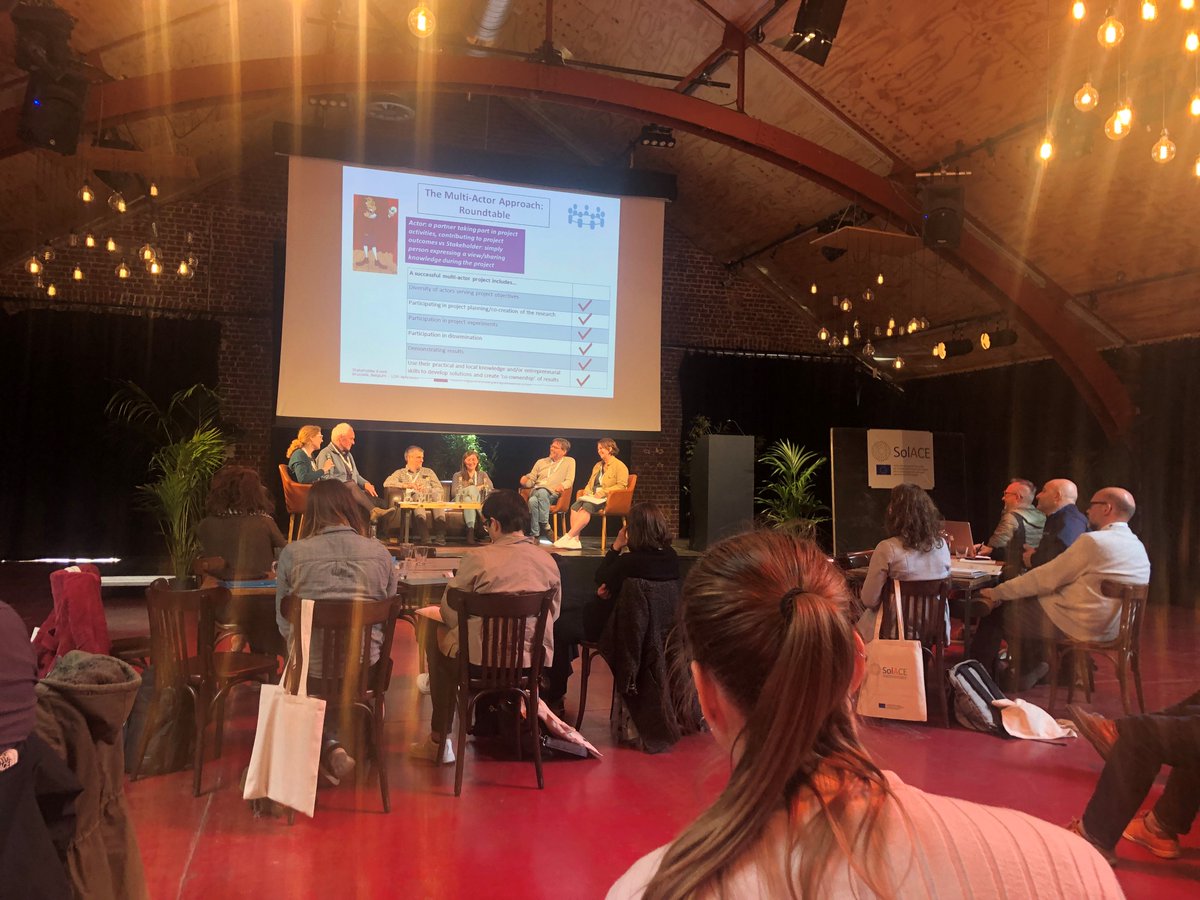
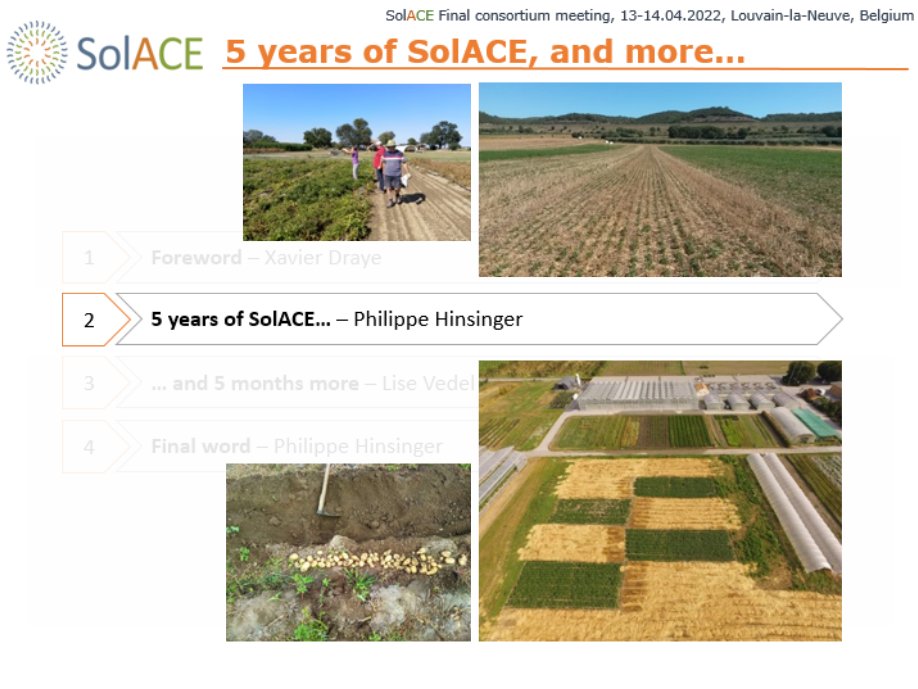
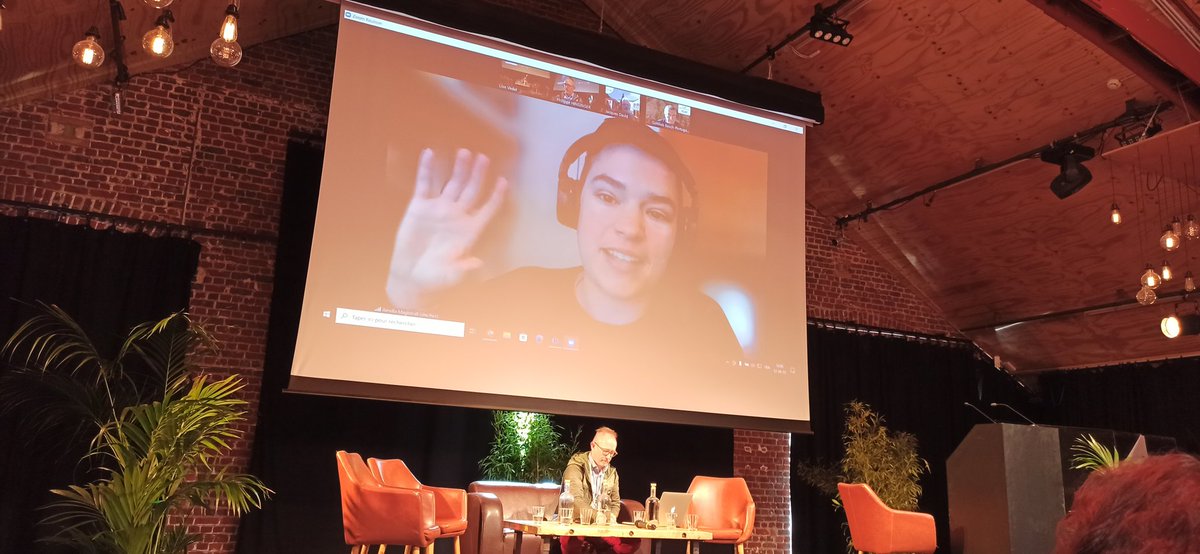
Hear from the SolACE project leaders about the key messages, progress and outputs from the SolACE Project.
Link to video: https://t.co/X1X6wojugd
#solaceeu#keyresults#projectend
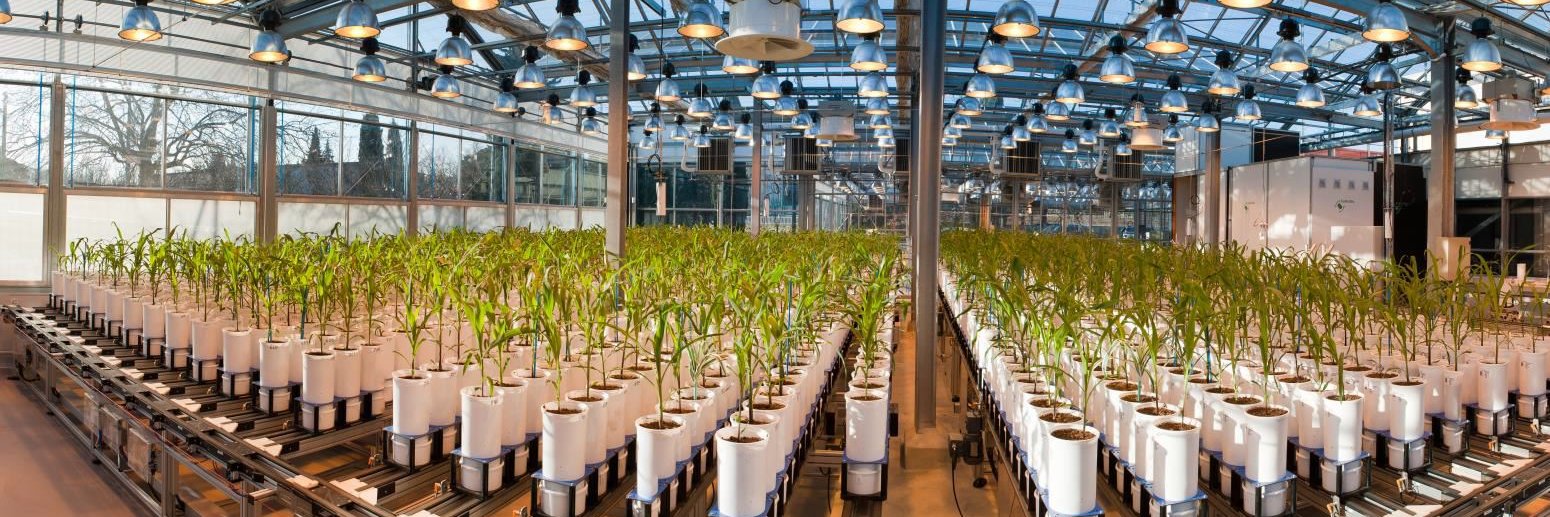
Learn more about the RadiMax facility (@koebenhavns_uni ), which was designed to investigate deeper rooting systems.
In SolACE, it was used to study how much nitrogen and water different genotypes can take up from deep side layers.
Link to video: https://t.co/87Ch0hl2iN
Have you ever wondered how root phenotype data was obtained for genomic selection?
This video provides a guided tour of the root phenotyping platform at @UCLouvain_be, which was used in SolACE for this purpose.
Link to video: https://t.co/hnHE42yfqe
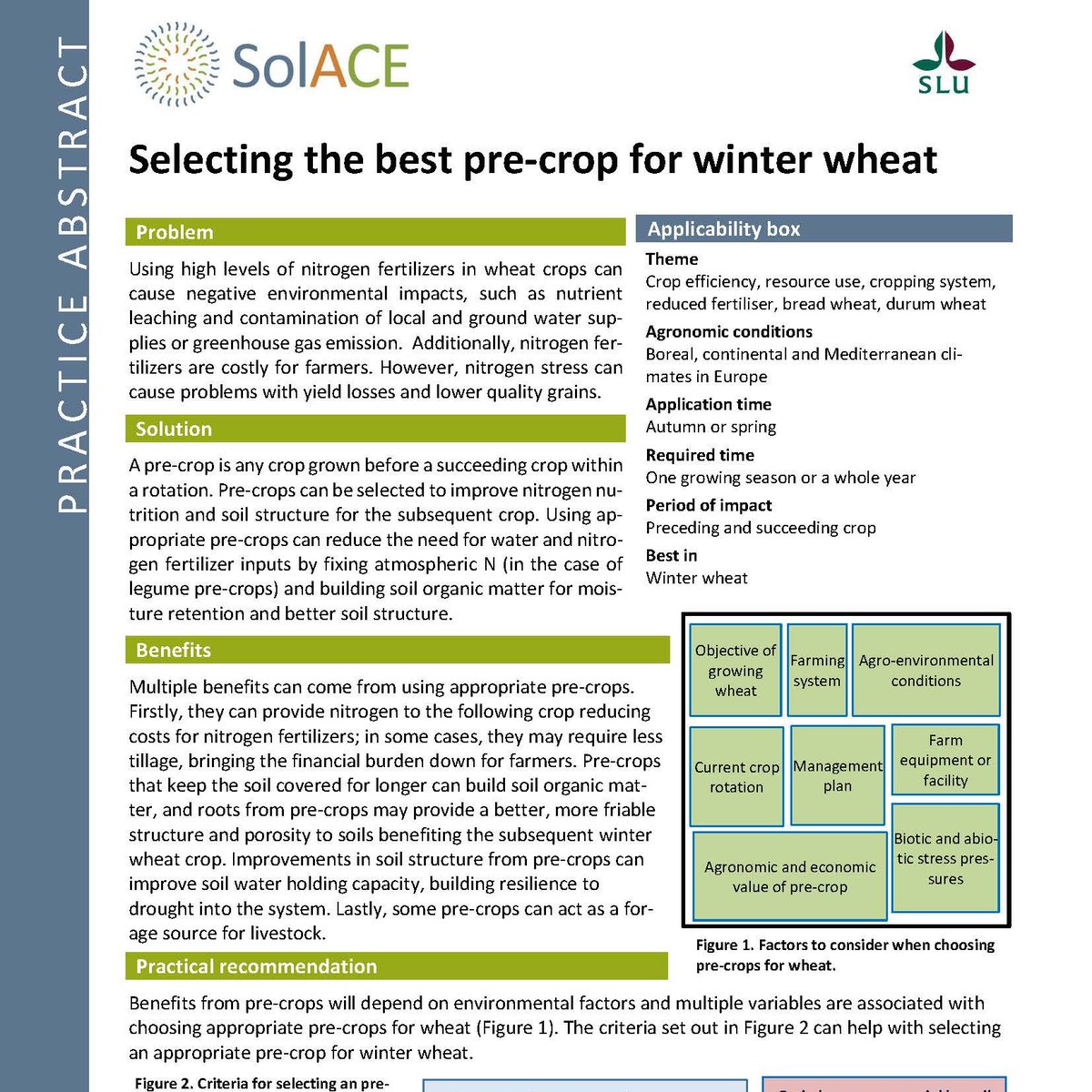
Using appropriate pre-crops can reduce the need for water and #nitrogen fertilizer inputs - with benefits for the environment, the subsequent crop and the farmer's wallet.
▶ What factors need to be considered when choosing a pre-crop for winter wheat:
https://t.co/AxuI8gSRW0
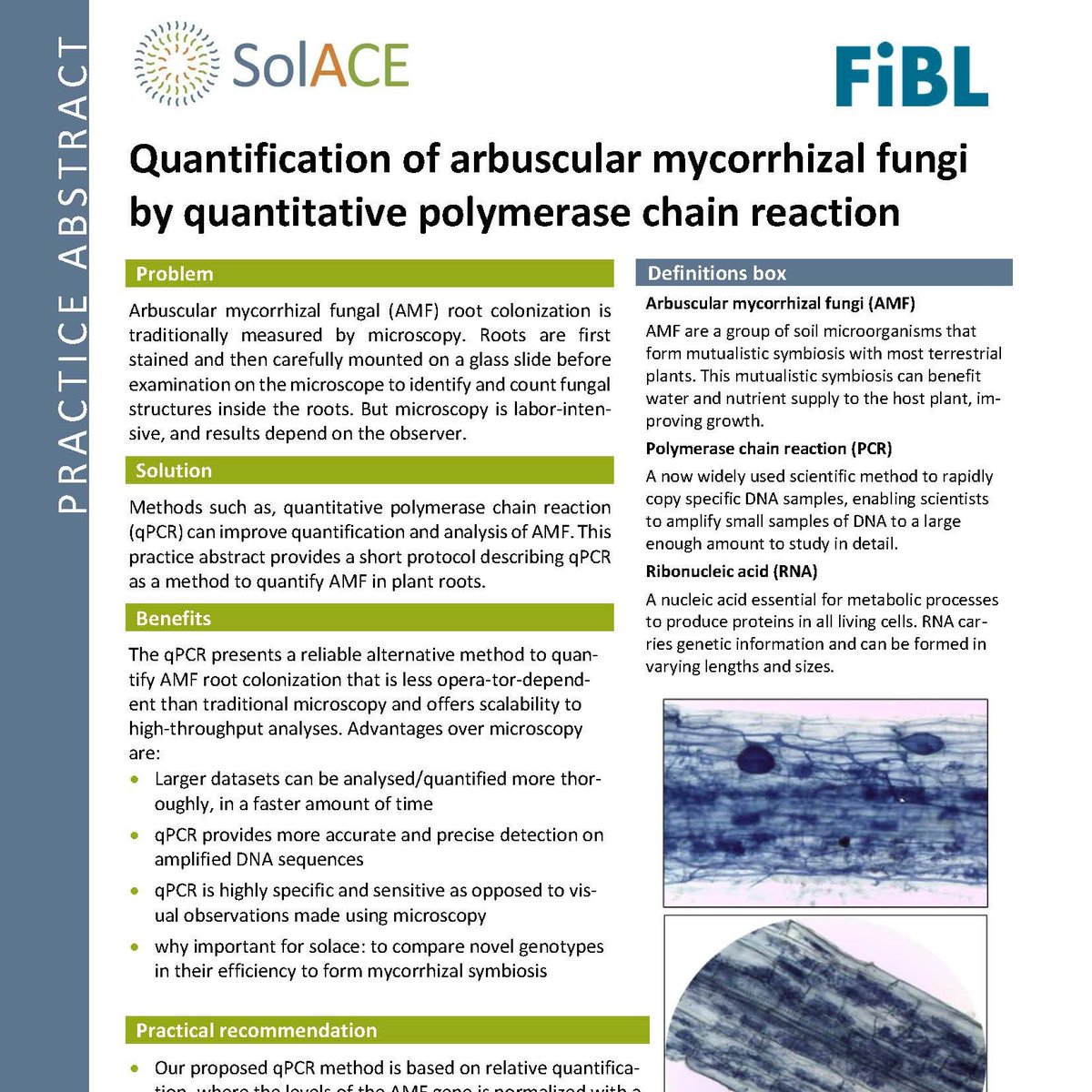
This practice abstract provides a short protocol describing "quantitative polymerase chain reaction" as a method to quantify Arbuscular #mycorrhizal fungal in plant roots.
▶ More about this faster, more accurate and highly specific method:
https://t.co/xKjDGKvNZW
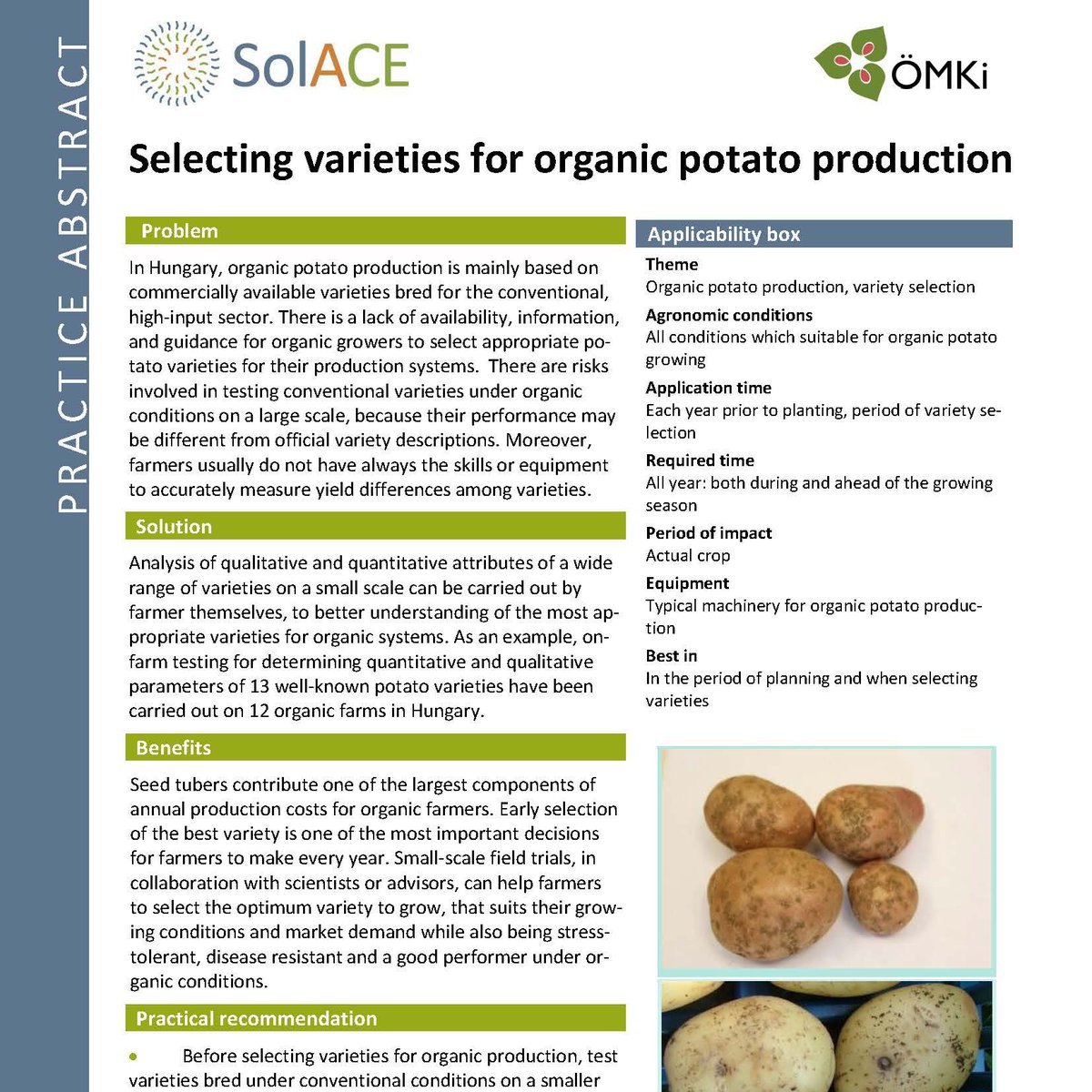
Which conventional varieties are best suited for #organic systems? To understand this better, farmers can carry out their own small-scale analysis of a wide range of #varieties.
▶ Learn more about selecting varieties for organic potato production:
https://t.co/BUxrWUDMa8
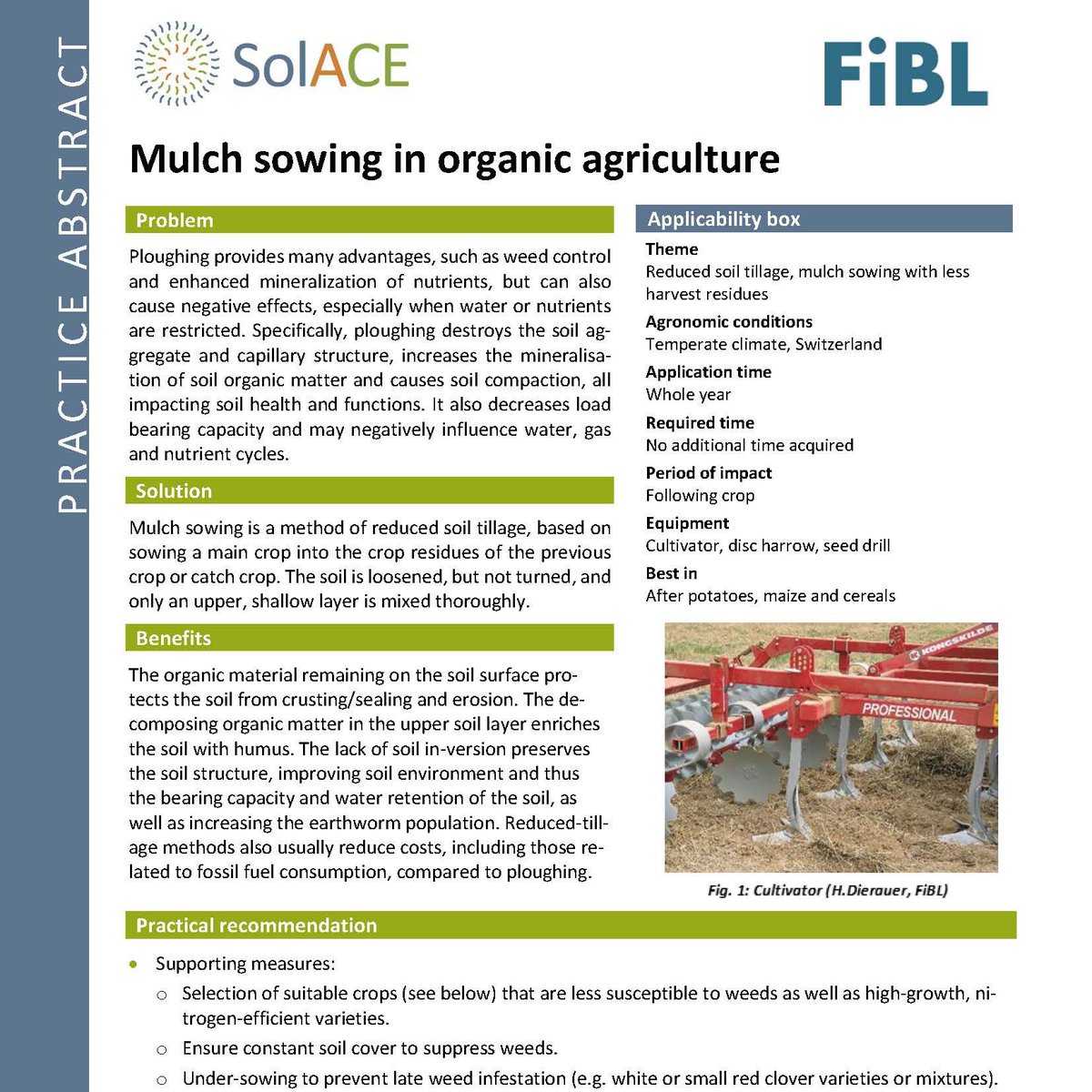
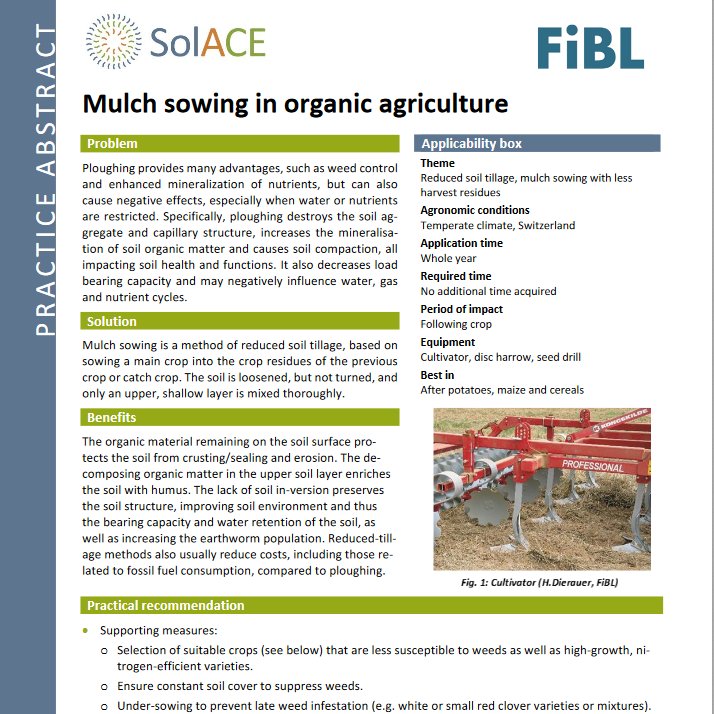
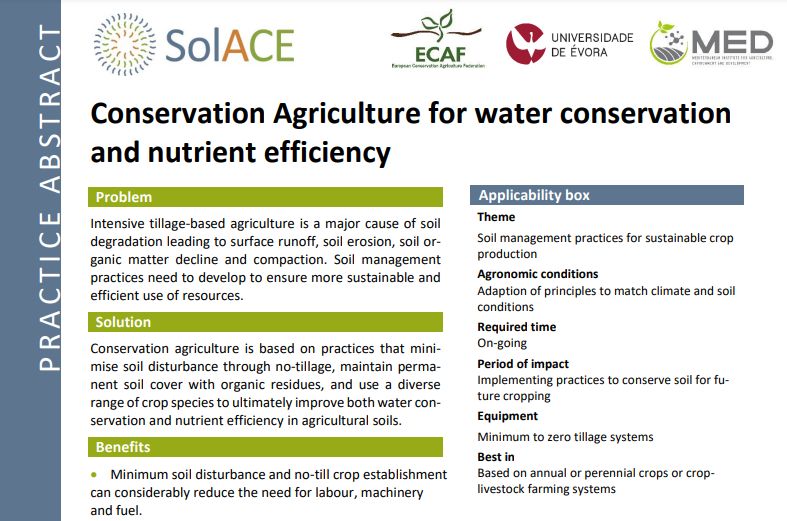
Ploughing provides advantages, but can also cause serious negative effects. Mulch sowing is a method of reduced soil tillage, based on sowing a main crop into the crop residues of the previous crop or catch crop.
▶ Practical recommendations:
https://t.co/9FCoTM6P2n
#notillage
Sowing a grass-clover ley into the cereal crop in March/April has many advantages such as higher yields, good weed suppression and better establishment in dry summers.
▶ Learn more about this practice:
https://t.co/ti2xvxo6Gv
#weedmanagement#soilquality#soilfertility
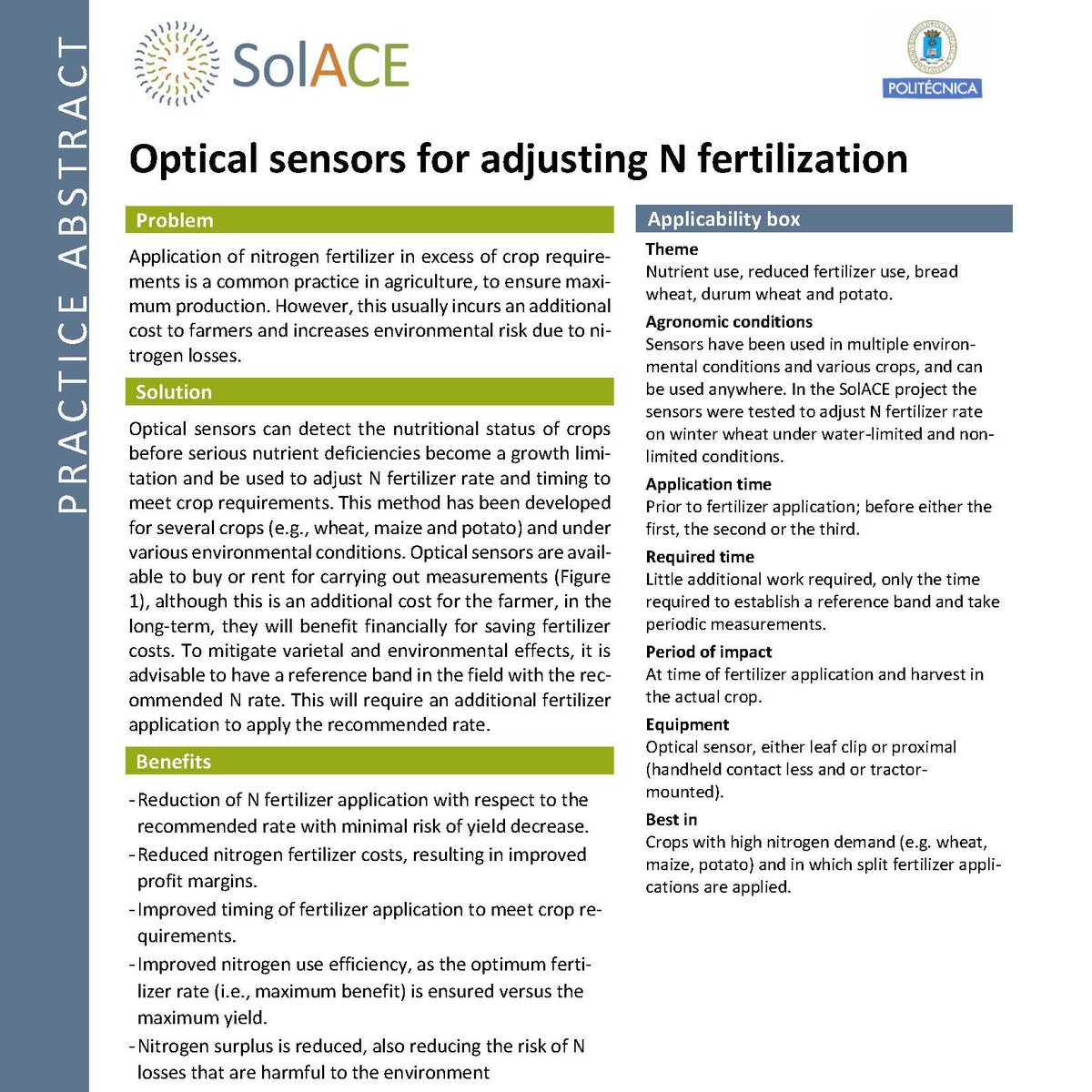
How much N fertilization does a plant need?
Optical sensors can detect the nutritional status of plants to adjust the amount and timing of N fertilizer to the plants requirements- bringing environmental and financial benefits.
🇬🇧 https://t.co/1LtiC4CDK4
🇪🇸 https://t.co/V9bieUxJai
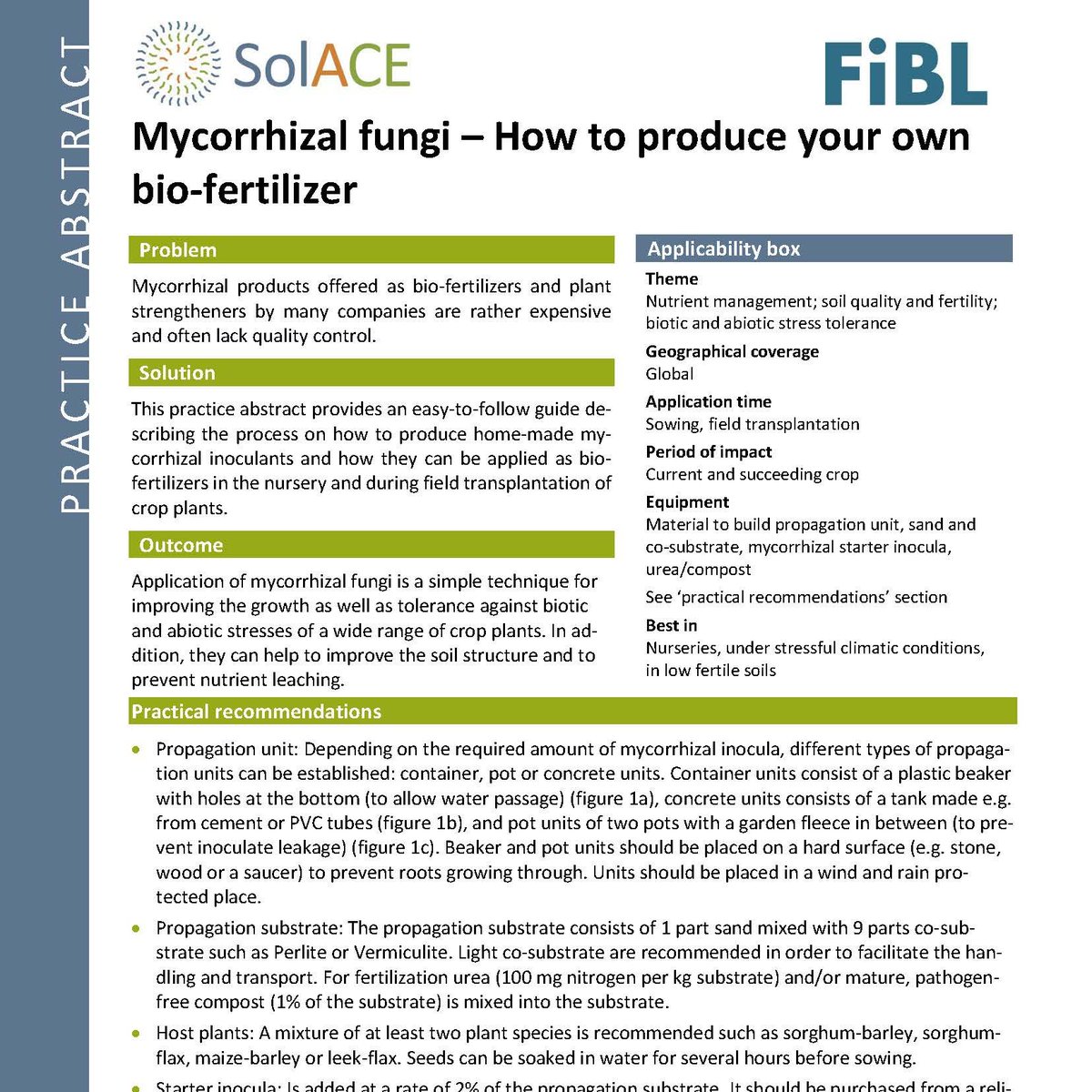
DIY mycorrhizal fungi to increase the growth and tolerance against biotic and abiotic stresses of crop plants? Yes, that's possible!
▶ Guide on how to produce home-made mycorrhizal inoculants:
🇬🇧 https://t.co/VwCoVBlzJ2
🇩🇪 https://t.co/qAEKPPW1h3
#biofertilizer#practiceabstract
Working with @SolACE_EU_NET we aim to prove solutions to improve crop efficiency. This video follows a Hungarian case study looking at evolutionary participatory breeding strategy in wheat.🌱🧑🌾
📽️https://t.co/6B9u1JS733
Mulch sowing can reduce soil tillage and therefore has many advantages for the soil. By the way: it even reduces costs!
Learn more about mulch sowing in organic agriculture:
▶ https://t.co/9FCoTM6P2n
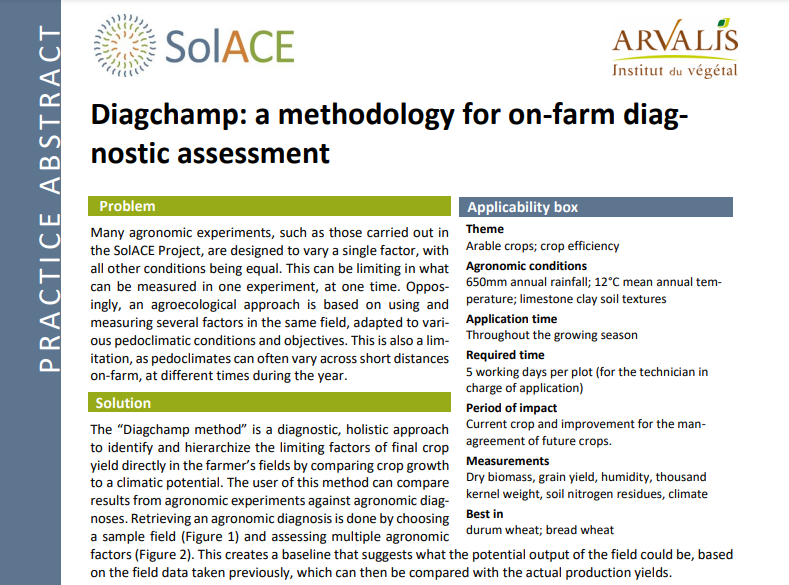
Learn about #Diagchamp: a methodology for on-farm diagnostic assessment with the latest @SolACE Practice Abstract 🛠️
✅ Included is an explanation of the method, how to use it and its benefits!
📄 Download here: https://t.co/9k891uNCgK
#SolACEPA#assessment
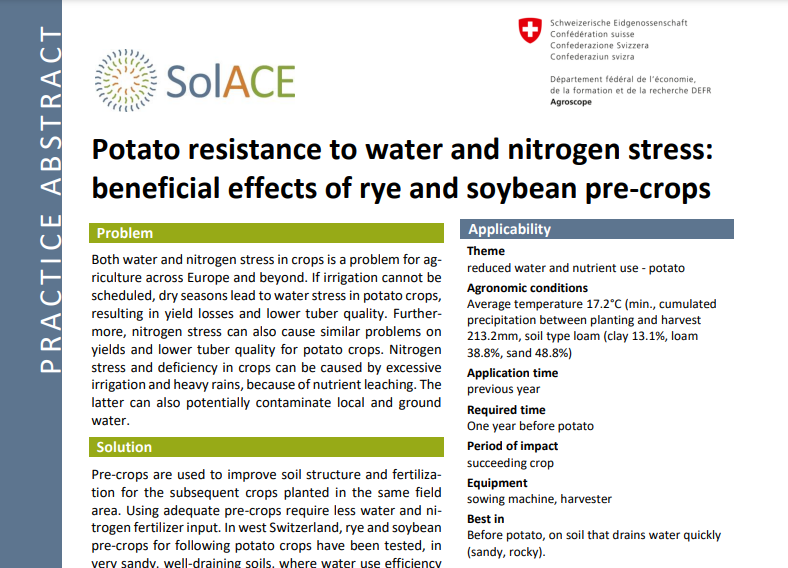
Benefits of rye and soybean pre-crops – Learn more with this SolACE Practice Abstract 🌱
📄 Download here: https://t.co/SVbf6IpomV
#soy#rye#SolACEPA#precrops
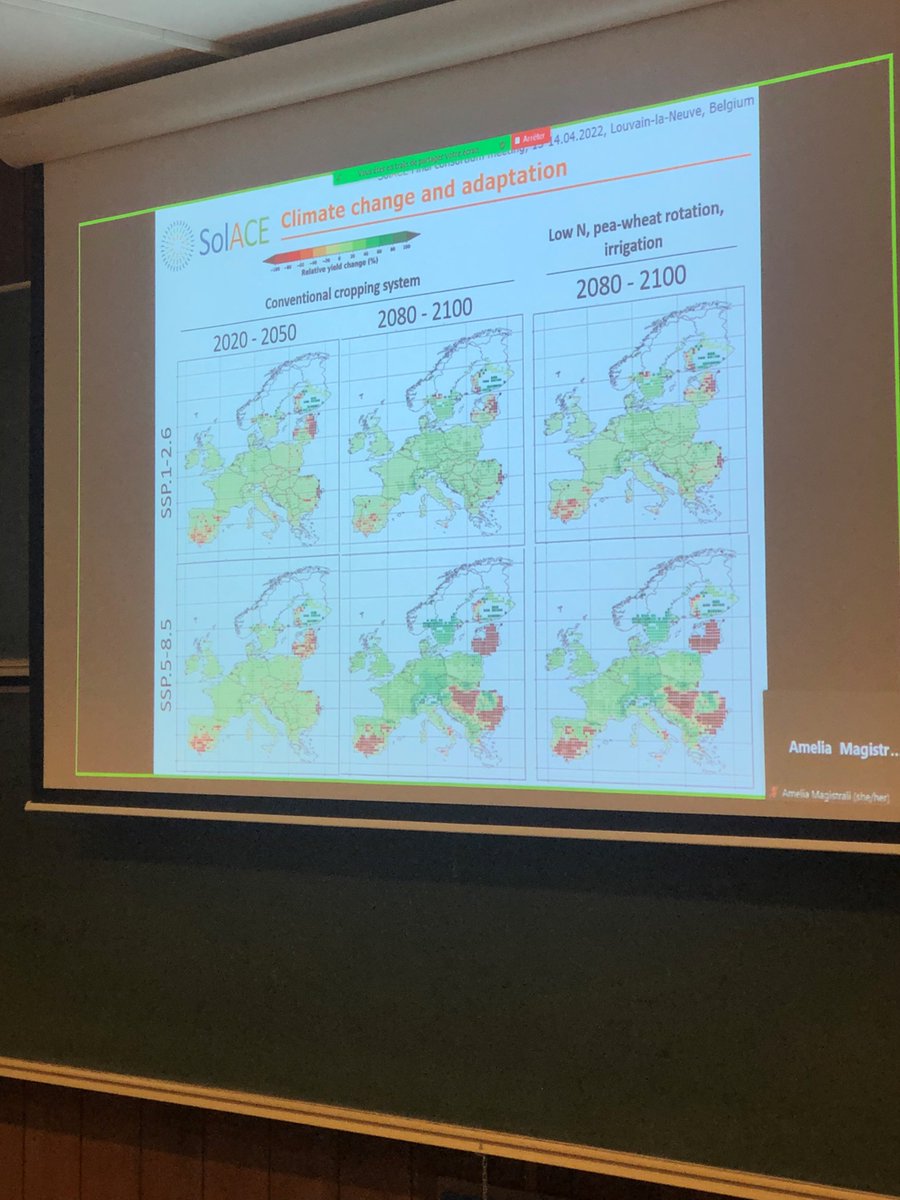
Leo Rempelos presenting our modelling results at the @SolACE_EU_NET final meeting. Potentially higher potato yields in UK under future climate scenarios @AgricultureNCL
Projet UE @SolACE_EU_NET: comment adapter la production durable de blé et pomme de terre face aux contraintes climatiques? Plusieurs leviers: variétés, ITK, OAD, inoculants bactériens, additifs agronomiques... les pistes sont nombreuses et prometteuses.
https://t.co/O81jYxcZMy