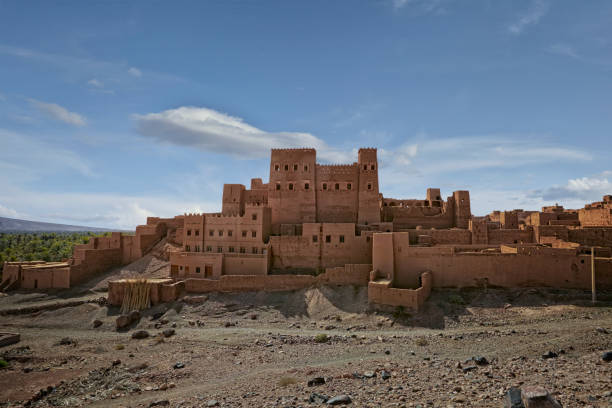
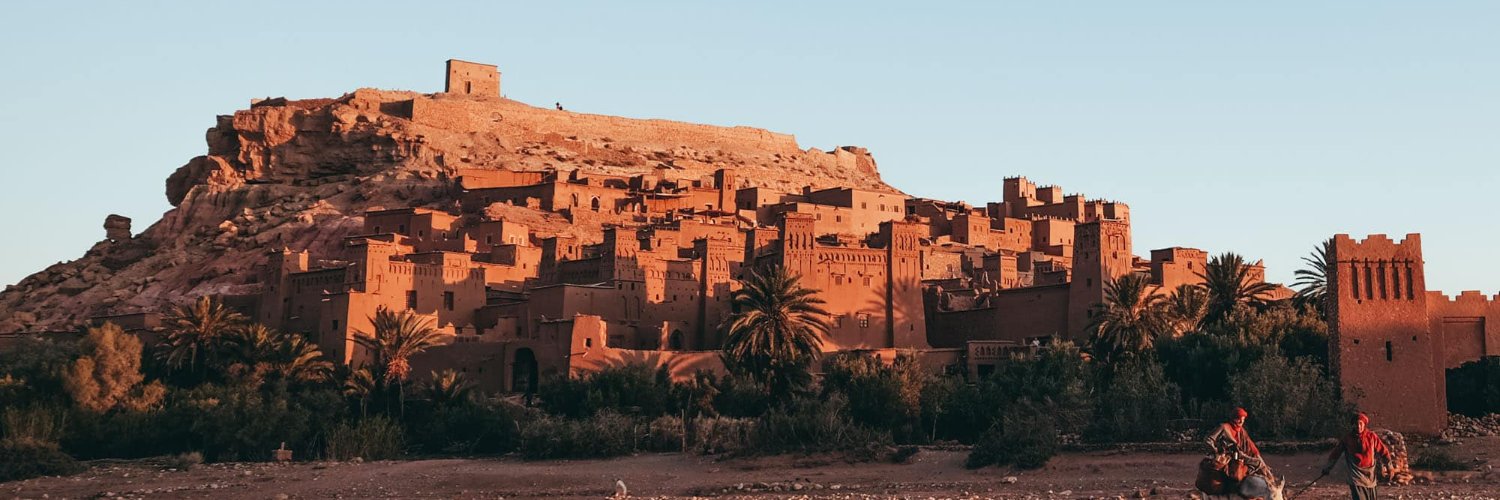
14th century historian ibn Khaldun describing the Masmuda Chleuhs :
" This land is a blessed land with the fertility and the quality of it's produces , with vast valleys and rivers exploding from all corners further embellishing it , inhabitated by the Masmuda who are innumerable and only their maker could count them , they entrenched forts and castles and built houses and palaces and isolated in their place from all the places of the world , this is as was their first homeland since the entry of Islam to north africa , as for now they expanded their territories rather provinces where they ruled different kingdoms and spread into them " . [END]
Sanhaja : Among all the tribes in the list the Sanhaja is the only non Masmouda These vast and innumerable tribes would additionally form part of the Almohads , and have men in the council of 10 and 50 among them Yamluk Omar Aznag and Wassnar and Al Jabr , their territory stretches from the eastern corners of the Souss , all the way to Dern region in the Tadla region and into Sijilmasa , it counted tribes from Serta / Messoufa tribes who defected to the Almohads after they took Tlemcen / Fichtala / Settat / Massat / and other Banu Tannmakt the kings of Tadmekka and the regions between Timbuktu and Sijilmassa
@tidranine @Achelhy_Chud Chleuhs specifically the southern ones are the direct descendants of
Lamta / Lemtouna / Gudala and Massufa , the south of Souss was mentioned as land of the Almoravids by the Almohads themselves
The fate of the Almoravids :
14th century historian Ibn Khaldun describes the situation of the Almoravid tribes after the fall of Banu Ghaniya , the last Almoravid emirs in 1226 and the total extinction of their rule which began in 1040 :
" What is today left of them in the Maghreb is but a few of Massufa and Lemtouna scattered around , part of whom were incorporated by the Almohads , and other parts were absorbed by the vastness . As for those in their home in the desert they remain today as they began , in constant conflict and discord . They now give allegiance to the Sultan of the blacks ( Mali ) which uses them in his wars and taxes them , their territories connect with those of the Arabs , as for Gudala their territory faces that of Dhawi Hassan the Arabs of Souss al Akssa , as for Wenziga and Lemtouna their territory faces that of Dhawi Mansur of Maghrib al Aksa ( Draa and Mhamid al Ghuzlan ) as for Massufa their territory faces that of Zughba in the Maghrib al Awsat , as for Lamta their territory faces Riyah of the Zab , as for Targa their territories face those of Sulaym in Ifriqiya "
After some years from these current periods these tribe would unite and invade Mali , as 14th century traveler ibn Battuta states in his book
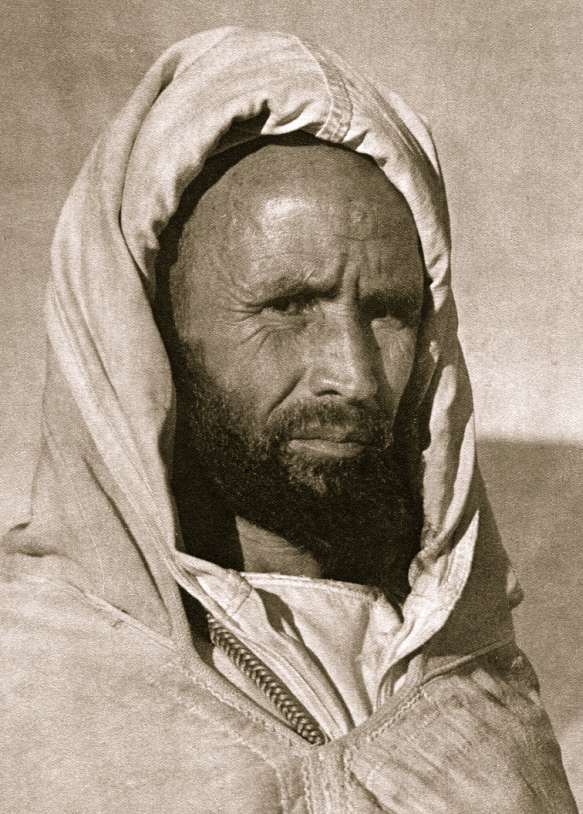
Terga and Lamta would go on to form the modern Tuaregs with Lamta mainly being the kings of Azawad
Massufa would form tribes of the modern Ait Atta and Eastern Souss tribes especially those in the Draa river
( Ait Wallal ) and the Merzouga region ( Ait Khabbash )
Guddala , Lemtuna and Wenziga would form the modern tribes of Oued Noun and Southern Souss and like : Tekna / Mejjat / Harbil / Ait Baamran / Ait Ali and additionally the Ait Alwan of Ait Atta and Saharian tribes of the Zagura region like Insoula , additionally some fractions of these tribes would gradually migrate south and reach what is today's Mauritania and Azawad


![sonofgetulia's tweet photo. 14th century historian ibn Khaldun describing the Masmuda Chleuhs :
" This land is a blessed land with the fertility and the quality of it's produces , with vast valleys and rivers exploding from all corners further embellishing it , inhabitated by the Masmuda who are innumerable and only their maker could count them , they entrenched forts and castles and built houses and palaces and isolated in their place from all the places of the world , this is as was their first homeland since the entry of Islam to north africa , as for now they expanded their territories rather provinces where they ruled different kingdoms and spread into them " . [END]](https://pbs.twimg.com/media/HH0e9LqWUAMYDK4.jpg)
![sonofgetulia's tweet photo. 14th century historian ibn Khaldun describing the Masmuda Chleuhs :
" This land is a blessed land with the fertility and the quality of it's produces , with vast valleys and rivers exploding from all corners further embellishing it , inhabitated by the Masmuda who are innumerable and only their maker could count them , they entrenched forts and castles and built houses and palaces and isolated in their place from all the places of the world , this is as was their first homeland since the entry of Islam to north africa , as for now they expanded their territories rather provinces where they ruled different kingdoms and spread into them " . [END]](https://pbs.twimg.com/media/HH0evy_XkAkDLEe.jpg)
![sonofgetulia's tweet photo. 14th century historian ibn Khaldun describing the Masmuda Chleuhs :
" This land is a blessed land with the fertility and the quality of it's produces , with vast valleys and rivers exploding from all corners further embellishing it , inhabitated by the Masmuda who are innumerable and only their maker could count them , they entrenched forts and castles and built houses and palaces and isolated in their place from all the places of the world , this is as was their first homeland since the entry of Islam to north africa , as for now they expanded their territories rather provinces where they ruled different kingdoms and spread into them " . [END]](https://pbs.twimg.com/media/HH0d52zWwAETY8v.png)




![sonofgetulia's tweet photo. 14th century historian ibn Khaldun describing the Masmuda Chleuhs :
" This land is a blessed land with the fertility and the quality of it's produces , with vast valleys and rivers exploding from all corners further embellishing it , inhabitated by the Masmuda who are innumerable and only their maker could count them , they entrenched forts and castles and built houses and palaces and isolated in their place from all the places of the world , this is as was their first homeland since the entry of Islam to north africa , as for now they expanded their territories rather provinces where they ruled different kingdoms and spread into them " . [END]](https://pbs.twimg.com/media/HH0gs_MWcAYhje-.jpg)