The Temple of Olympian Zeus and the Acropolis — Dimitrios Constantinou. Date: 1865 AD. Medium: Albumen print (vintage photograph). Collection: Benaki Museum, Athens.
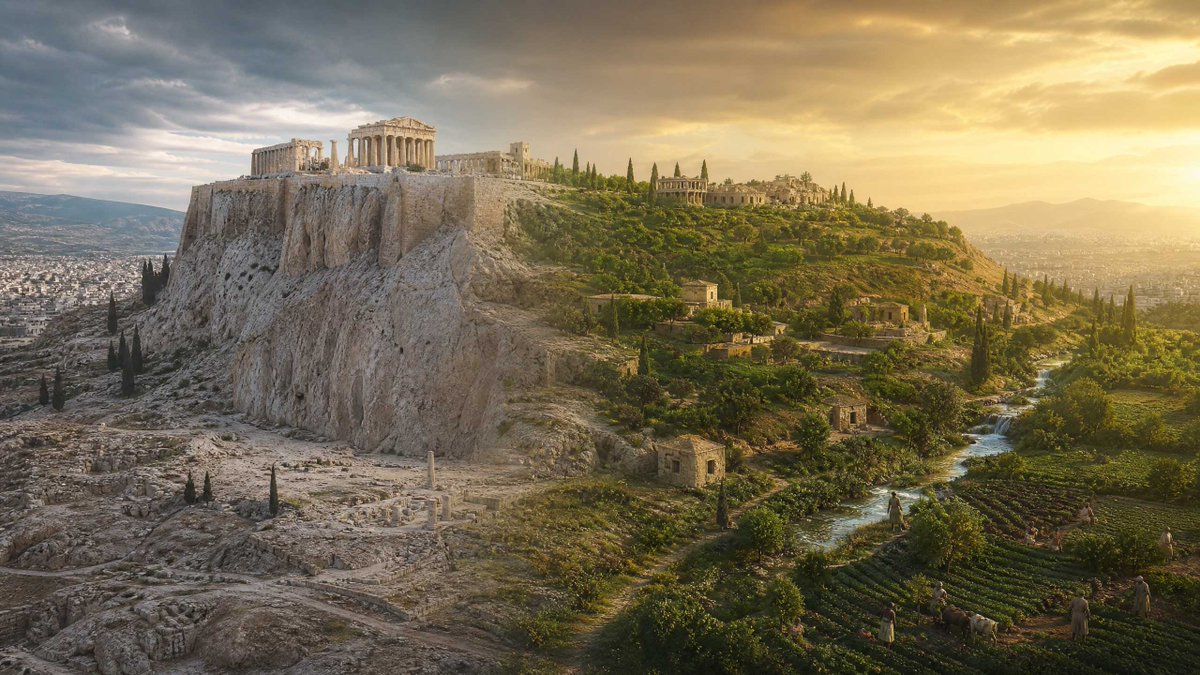
Every tourist who visits the Acropolis sees the same thing: a sheer, rocky outcrop rising dramatically above Athens. But what if those cliffs are not the result of millions of years of gentle erosion?
Over 2,500 years ago, an Egyptian priest told the Greeks that the Acropolis was once a broad, fertile plateau, until a catastrophic flood stripped it bare in a single night. Modern geology has always dismissed this as myth.
But geologist Joe O'Donoghue has spent years examining the boulders, conglomerates, and sedimentary basins surrounding Athens and what he found is difficult to explain away. Boulders transported 40 kilometres from mountains to the northwest. Three distinct flood episodes in the Mesogea Basin. Huge blocks of Pendeli Mountain broken off and hurled into the valley below. And the official Greek Geological Survey map that labels the deposits on the slopes of the Acropolis as "diluvial."
In Part 3 of this extraordinary series, the evidence comes home to the most famous hill in the ancient world.
Read on Premium: https://t.co/pRvxF9CkC3
Read on Unleashed: https://t.co/zU0SrMkl3C
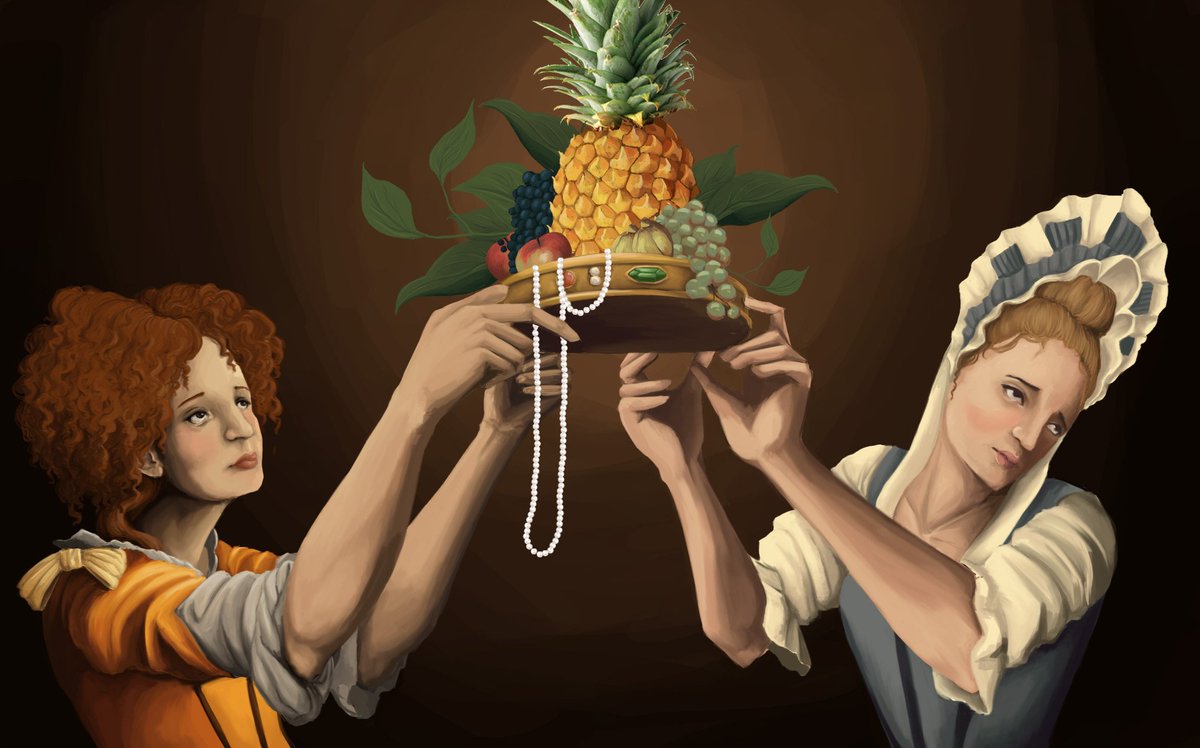
In 18th-century Britain, a pineapple was not just a fruit. It was a luxury object. Because pineapples came from tropical regions and were difficult to transport without spoiling, only the very wealthy could afford them. Growing them in Britain required expensive heated glasshouses, so the fruit became a symbol of wealth, power, and status.
At elite dinners, pineapples were often displayed at the table like a trophy. They were admired more than eaten, and according to Smithsonian Libraries, some were even rented for an evening so a host could impress guests without actually buying one. Historic UK also notes that people sometimes carried them around like fashionable accessories.
The craze became so strong that pineapples appeared in art, architecture, silverware, ceramics, and even building decorations. For a time, the fruit was less about taste and more about showing that you belonged to high society. Before pineapples became common in markets, they were basically the 1700s version of a luxury flex.
According to Historic UK, pineapples could sell for as much as $8,000 in today’s money, which explains why some people reportedly rented them instead of buying them. Imagine bringing fruit to a party and having to return it after.
#drthehistories
Mesoamerica is a region that stretches south from modern-day Mexico to northern Honduras. Several complex societies flourished here beginning over 3000 years ago....
One of the first civilizations we know of in Mesoamerica was the Olmec people. They lived from about 1200-400 BC. There are very few written records to help historians fully understand this civilization. From what we do know, the Olmec thrived in the fertile lands of south-central Mexico. They were very resourceful and used many of the natural resources in the area, including rubber and corn. Their major urban city was San Lorenzo Tenochtitlan. It was located on vast agricultural land with a ceremonial center whose population could have reached 13,000. The Olmec were great traders and engaged with cultures throughout Mexico and Central America.
Olmec are best known for the colossal stone heads they carved. The sculptures are between 3 and 11 feet tall and weigh up to 28 tons. Historians believe that the monuments are portraits of powerful Olmec rulers. Olmec had a rich, polytheistic religion with at least eight gods and it appears priests and shamans were important figures in their society. Olmecs were likely the inventors of the Mesoamerican ballgame, also known as pok-ta-pok. This is one of earliest known sports and was played with a rubber ball and a stone goal. Olmec are considered to be the “mother” civilization in Mesoamerica. Civilizations that followed such as the Mayan and Aztec were heavily influenced by the Olmec’s characteristics.
Zapotec civilization came nearly 100 years after the Olmec and thrived from about 500 BC to 900 CE. They also lived in the Valley of Oaxaca. They were an agricultural society with many well-developed cities. Their largest city was Monte Alban which housed over 25,000 people. Zapotec created one of the earliest inscriptions and writing systems in Mesoamerica. They were also artisans and created jewelry for rulers. They had a complex polytheistic religion, with two main gods called Cocijo, the rain god, and Coquihani, the god of light. The Zapotec may have also practiced human sacrifice in their religious rituals. They made use of pyramids that the Aztec and Maya would later adopt.
Olmec civilization declined between 400-350 BC. Archaeologists are unsure about the exact reason but evidence shows that it might have been caused by environmental changes that choked off their water supply. However, they didn't disappear completely and evolved into later civilizations. Zapotecs fought the growing Aztec Empire which came to dominate the region. They were finally fully conquered by the invading Spanish in the early 1500s.
📷 : Olmec colossal heads are the most famous artifacts left behind by the Olmec civilization. The Olmec people are believed to have occupied a large part of modern-day Southern Mexico.
#archaeohistories
Canaanite Amphora from the tholos tomb at Menidhi, Attica, Greece
The presence of utilitarian storage jars from a foreign land in an elite funerary context indicates they took a meaning beyond their original purpose, possibly boasting the wealth and widespread trade connections.
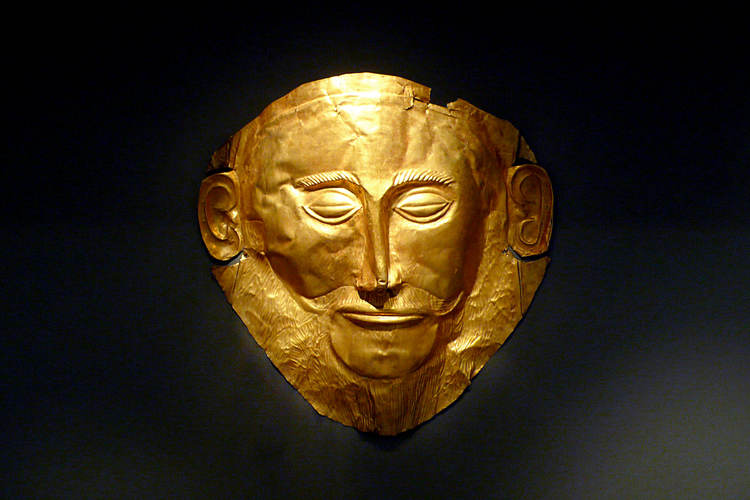
👑 The so-called death mask of Agamemnon - the king of Mycenae in Homer's Iliad. Gold funeral mask from Grave Circle A, Mycenae (mid-16th century BCE).
The mask in fact predates Agamemnon by 400 years but nevertheless remains solid evidence of Homer's description of Mycenae as 'rich in gold'. (National Archaeological Museum, Athens).
📷 Photo by Xuan Che.
#Agamemnon #History #AncientHistory #Mycenae #AncientGreece
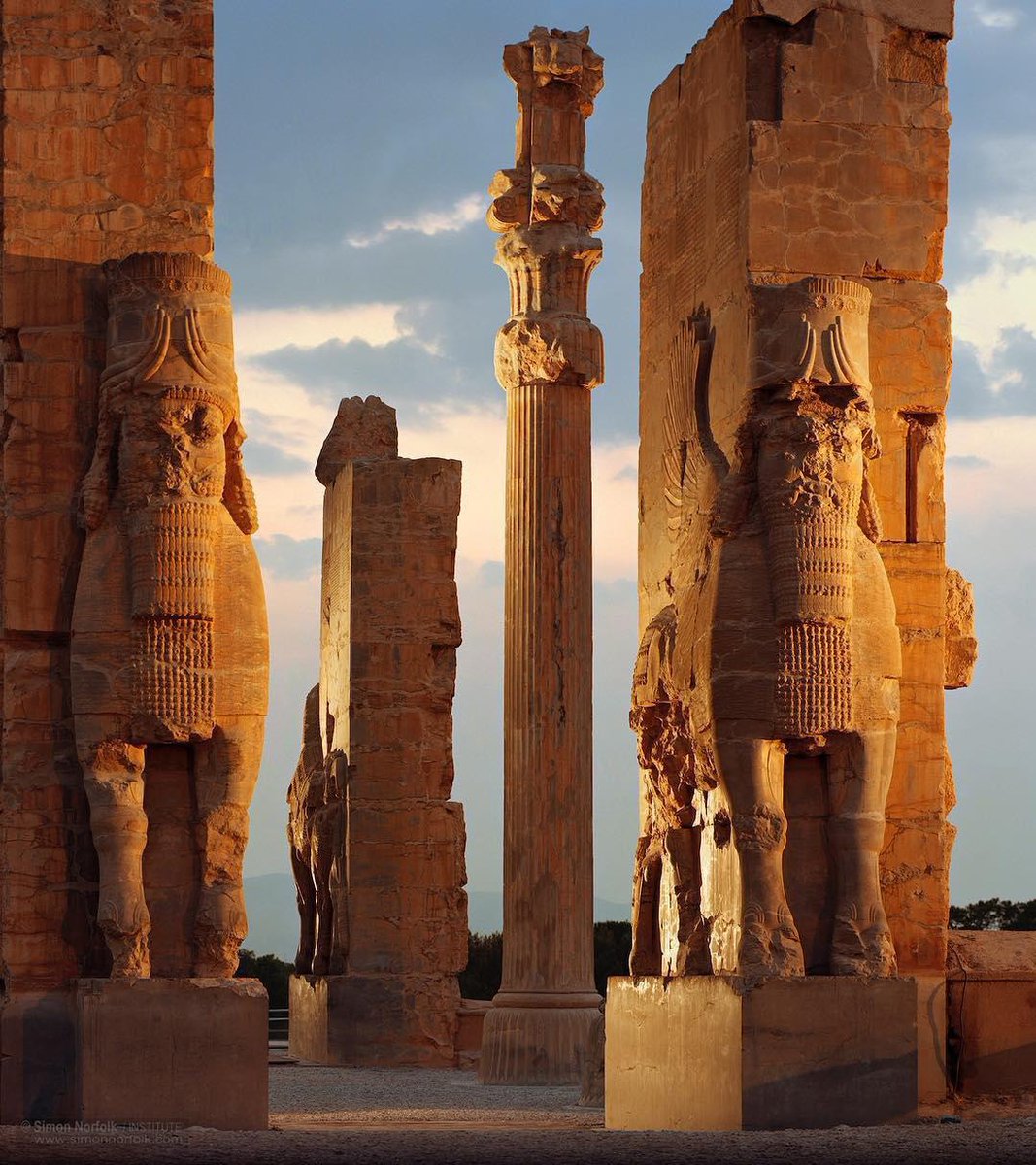
The Gate of All Nations, also known as the Gate of Xerxes, is located in the ruins of the ancient city of Persepolis, Iran 🇮🇷. The construction of the Staircase of the Nations and the Gate of the Nations was ordered by the Achaemenid king Xerxes I (486-465 BC), successor of Persepolis' founder Darius I.
The Gate of all Nations consisted of a grand hall that was a square of approximately 25m in length, with four columns and its entrance on the Western Wall. Xerxes’s name was written in three languages (Old Persian text are Babylonian and Elamite) and carved on the entrances, informing everyone that he ordered it to be built. It translates as; ‘A great god is Ahuramazda, who created this earth, who created heaven, who created man, who created happiness for man, who made Xerxes king, one king of many kings, commander of many commanders’.
The structure consisted of one large chamber, the roof of which was supported by four stone pillars with bell-shaped bases. This room had a stone bench running parallel to the inner wall, interrupted by the doorway. The outer wall, made of wide mud blocks, had numerous gaps. Each of the three east, west, and south walls had a very large stone entrance. Two huge bulls secured the western entrance. Two Assyrian lamas stood at the eastern doorway, albeit gigantic. On top of each of the four colossi are trilingual inscriptions attesting to construction and completion of the gate by Xerxes. The southern doorway opens onto the Apadana and is the widest of the three doorways. Rotating devices in the inner corners of all the doors indicate that they had two doors covered with metal sheets, probably wooden and decorated.
Lamassu or bull-men originated in Babylonia and Assyria, but the Persians adopted them. These mythological creatures have the head of a bearded man. Lamassu is a winged animal with the head of a human. Assyrians used to place these figures at the entrance of the cities and palaces. In the past, visitors didn’t have much respect for these monuments and they left their marks on the walls of the Gate of All Nations. Many Iranians believe that these creatures were defaced by the Arabs when they conquer Persia in 7th Century CE.
📷 : Credit to the Owner
#archaeohistories
Sarmatian gold diadem (1st Century AD), was discovered in the Khokhlach burial mound near Novocherkassk, Russia 🇷🇺
The piece is crafted from gold and intricately decorated with various gems and materials, including garnet, almandine, glass, pearls, and turquoise. The diadem features a central amethyst bust of a woman (sometimes identified as the goddess Cybele or a priestess) and is adorned with figures of deer gathering around a "tree of life".
The artifact showcases a blend of artistic influences, combining Scythian nomadic traditions with Hellenic (Greek) and Persian styles.
The Hermitage Museum - St. Petersburg
#drthehistories
When the Emperor Heraclius returned from defeating the Persians, saving the Roman Empire from destruction after a 26 year war, he received a hero’s welcome in Constantinople!
“When the people of the city learned of his arrival, they were all filled with irresistible love and went to Hiereias to meet him, as did the patriarch and Constantine, his son the co-Emperor. They carried upraised olive branches and torches, and acclaimed Herakleios with joy and tears. His son came forward, fell at his feet, and embraced him. They both moistened the ground with their tears; when the people saw this, they all sent up hymns of thanksgiving to God.”
He had taken back the True Cross and saved the Romans, though he could not have imagined how much work he had to do yet in his reign.
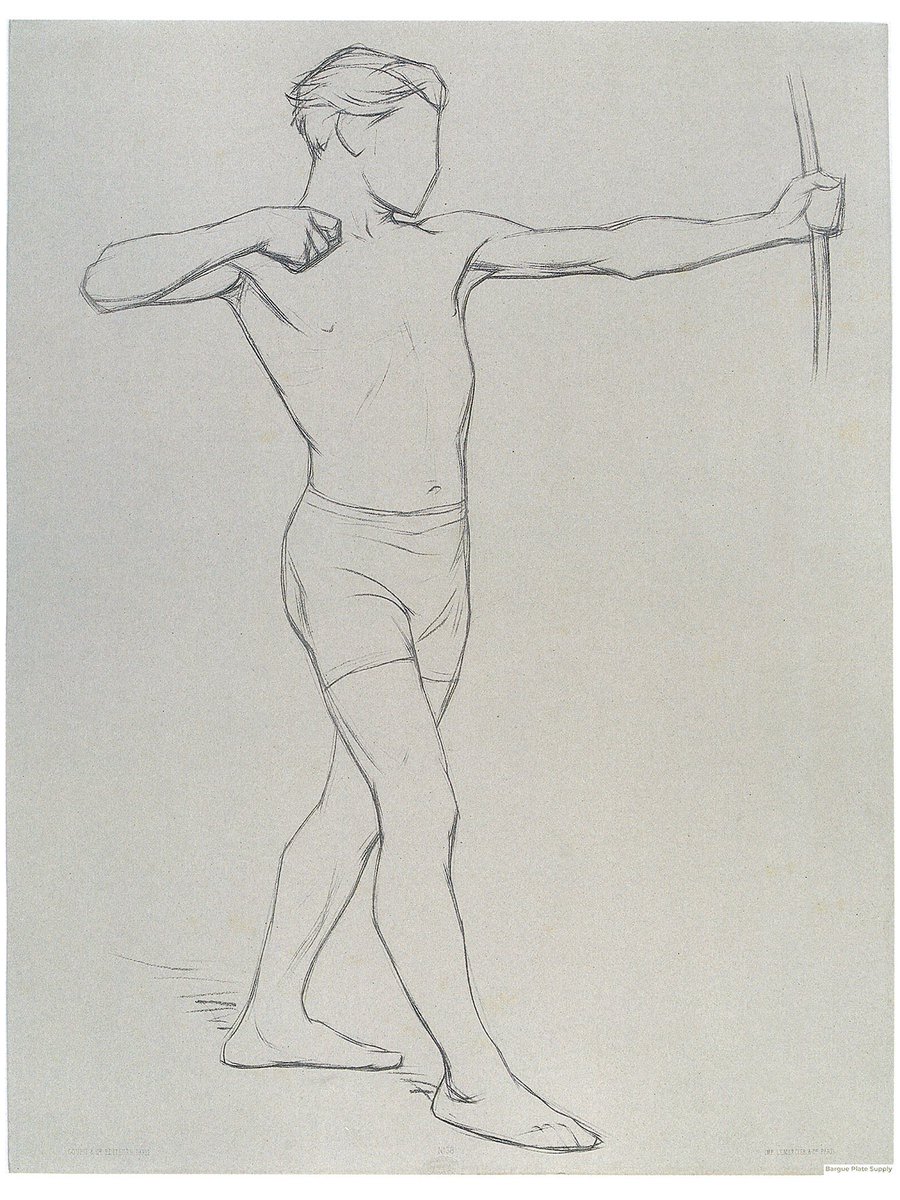
In my experience, getting the nose right early in a portrait is crucial, since it acts as an anchor point for facial structure and proportions. Likewise, in a full-body drawing, well-placed feet ground the figure and reinforce the balance, weight, and gesture of the pose
@AMaaestro@XeniaUA Центр і Схід України захищають в основному місцеві формування, на кшталт Азову та Кракена. Власне ЗСУ тут дуже малий відсоток. Не відволікайся, репетируюй якийсь танок. У вас і томогавки є.