The way you talk to yourself can influence how your brain processes emotions, handles stress, and responds to difficult situations.
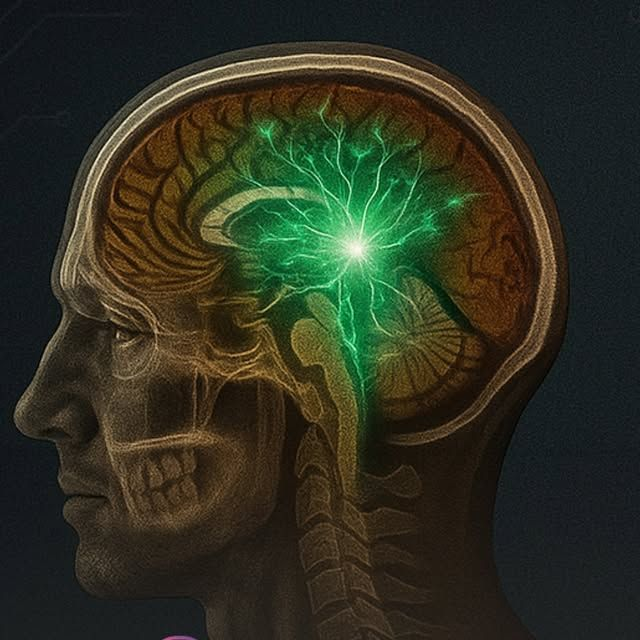
Neuroscience research shows that inner speech, the silent conversations we have with ourselves, involves brain networks associated with language, attention, memory, and emotional regulation.
When people repeatedly engage in negative self-talk, particularly rumination, they may reinforce patterns of thinking associated with anxiety and depression. Rumination involves repeatedly focusing on distressing thoughts without moving toward a solution.
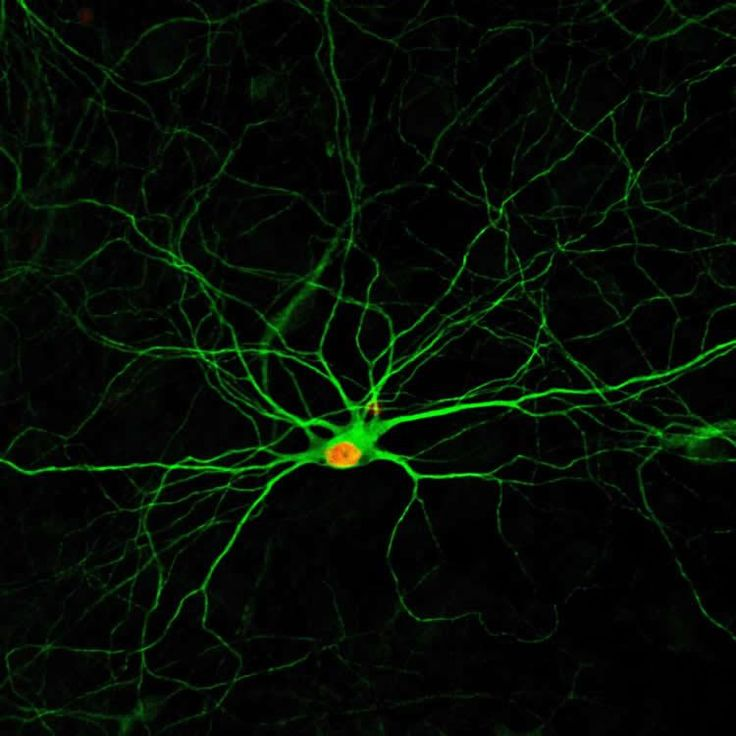
Brain imaging studies have linked self-referential thinking to activity in regions including the medial prefrontal cortex and parts of the default mode network, a system involved in thinking about ourselves and our experiences.
Researchers have also found that changing how we speak to ourselves can influence emotional responses. For example, using your own name or speaking to yourself from a third-person perspective may help create psychological distance during stressful situations.
Source: University of Michigan, Michigan State University, Journal of Personality and Social Psychology, and NIH.
A telescope in Chile just captured a breathtaking new view of a cosmic butterfly — and it’s unlike anything seen this year. 🦋✨
Snapped last month by the Gemini South telescope, the Butterfly Nebula sits 2,500–3,800 light-years away in the constellation Scorpius.