Official account of the SPBS | Furthering the study of the history, culture, language, and literature of the Byzantine Empire and its neighbours | est. 1983
Welcome to the official account of the Society for the Promotion of Byzantine Studies (UK)! We will periodically tweet about our activities, including our annual Spring Symposium, as well as other items of interest to #medievaltwitter#classicstwitter#twitterstorians
The Propylaea on the Acropolis of Athens (pictured with the now demolished Frankish Tower in the mid-19th century) were the palace of the Dukes of Athens.
#NewRelease
From Moscow to Baghdad
Studies on Middle Eastern Christianity in Memory of Nikolai Seleznyov
ed. Sergey Loesov et al. BRill 2026
https://t.co/7PmEgBpRHi
Preliminary Material PDF ⬇️
https://t.co/tUb52Ygrer
Humboldt Research Fellowship 2027 in Germany | Fully Funded
Applications are now open for the Humboldt Research Fellowship 2027. This is a great opportunity for international researchers to conduct research in Germany with full financial support and access to top institutions.
Benefits include: Monthly stipend (€3,000–€3,600), travel allowance, health insurance support, free German language course, family allowances, and strong academic support.
📍 Duration: 6–24 months
🌍 Open to applicants from all countries
This fellowship allows you to work with leading researchers and gain international experience in your field.
🔗 Visit: https://t.co/jP8ofqsrX6
Credit: Alexander von Humboldt Foundation
📌 Disclaimer: This post is for informational purposes only. Scholarships Corner does not own or manage this opportunity. Please verify details on the official website before applying.
#ScholarshipsCorner #fellowship #ResearchFellowship #studyingermany #scholarship
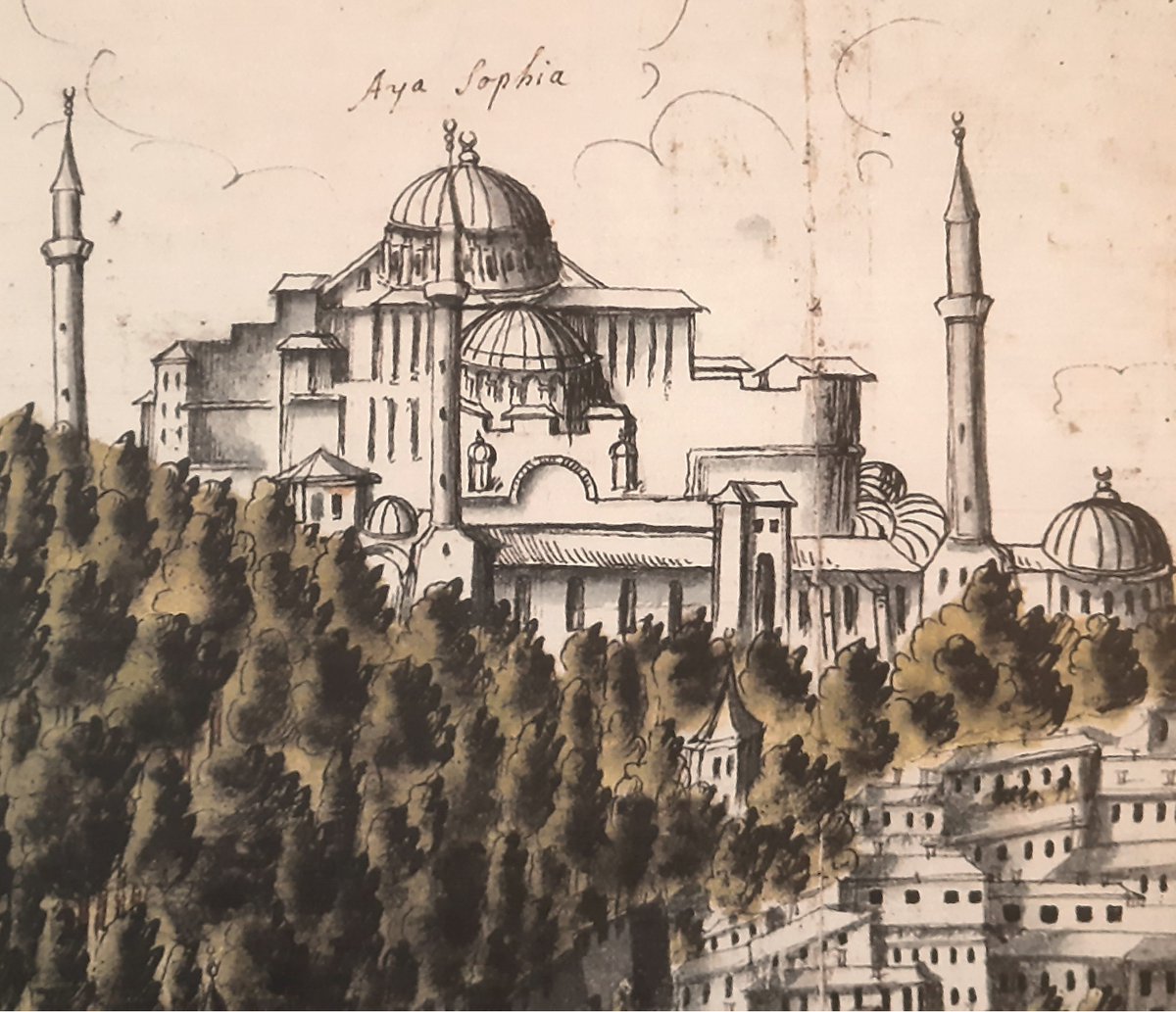
Ayasofya ile ilgili geçmişte yapılmış cok sayıda gravur bulunur. Bunlardan bir kısmı da Cornelius Loos'a aittir. Özellikle iç mekan gravurleri önemli birer belgedir. Alttaki gravur 1710 yılından.
In the ancient city of Perge in southern Türkiye, archaeological findings show that a section of the Roman-era stadium was later transformed into an arena where executions took place, offering rare insight into how public spectacles evolved in antiquity.
https://t.co/wQ8hNyGXyQ
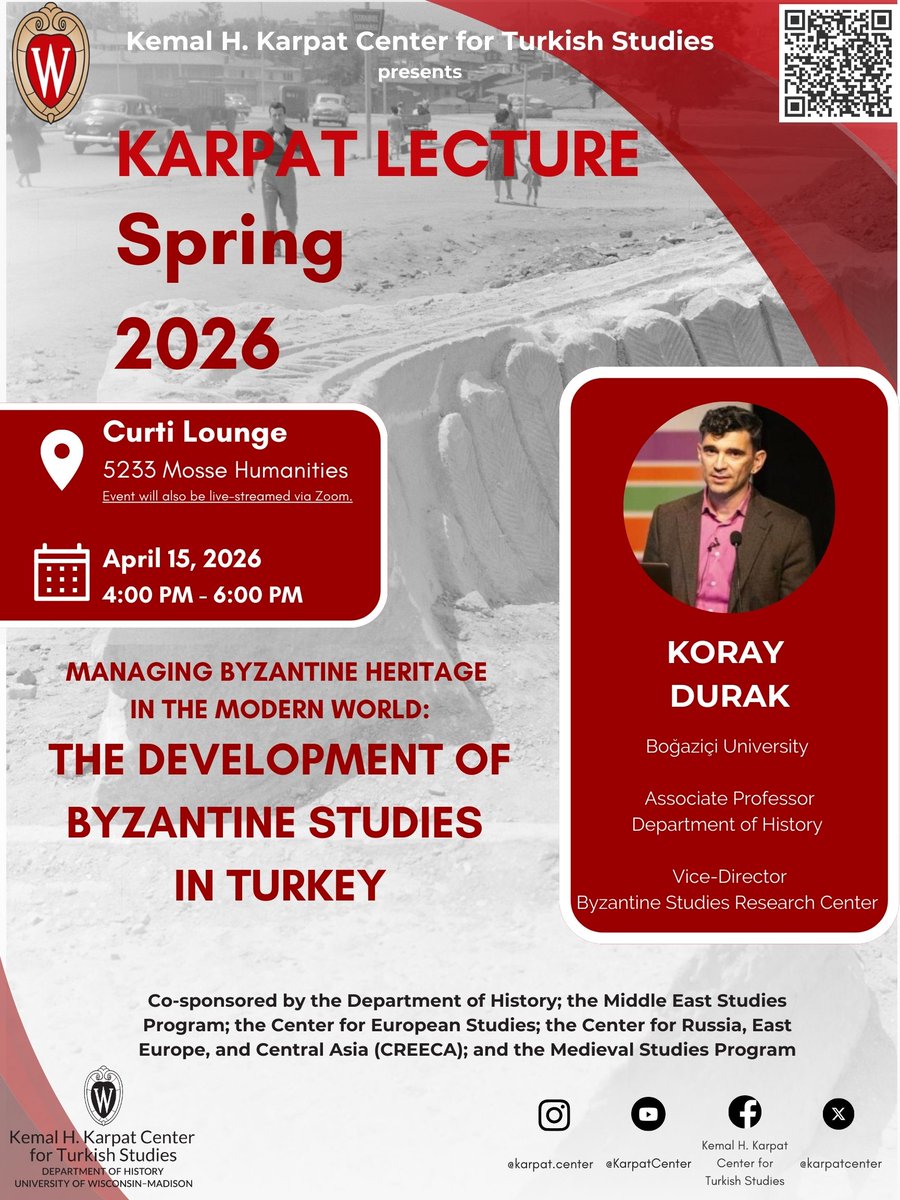
DUYURU: Koray Durak'ın, 15 Nisan’da (Türkiye saatiyle 16 Nisan 00:00) Kemal H. Karpat Center for Turkish Studies bünyesinde düzenlenen “Managing Byzantine Heritage in the Modern World: The Development of Byzantine Studies in Turkey” başlıklı konuşması için👇
The Church of the Holy Apostles, also known as Holy Apostles of Solaki, is located in the Ancient Agora of Athens, Greece, next to the Stoa of Attalos, and can be dated to around the late 10th century.
"Solakis" may be the family name of those who sponsored a renovation of the church in the Ottoman Period, or from "Solaki" for the densely populated area around the church in the 19th century.
The church is particularly significant as the only monument in the Agora, other than the Temple of Hephaestus, to survive intact since its foundation, and for its architecture: it was the first significant church of the Middle Byzantine period in Athens, and marks the beginning of the so-called "Athenian type", successfully combining the simple four-pier with the cross-in-square forms. The church was built partly over a 2nd-century nymphaion, and was restored to its original form between 1954 and 1957.
From evidence of various repairs and reconstructions, four distinct building phases can be distinguished. The original floorplan is a cross with apses on four sides and a narthex on the west side, with four columns supporting a dome. The altar and floor were originally of marble. Tiles on the outer walls have Kufic-like decorative patterns, a style of decoration common in Middle Byzantine churches.
A few surviving wall paintings in the central aisle date to the 17th century, and paintings from nearby churches were also placed elsewhere within the church.
Long known exclusively for its remarkably preserved Roman theater, the Ancient City of Aspendos in Antalya is emerging as a far more complex urban center, as ongoing excavations reveal streets, monuments, and structures that remained hidden for centuries.
https://t.co/Nr6BF1cXn3
Just got back from an amazing trip to Lycia (southern Turkey) and, as always, I couldn’t resist bringing home a few bottles to continue the journey 🍷🇹🇷
This time, I picked up three wines from Likya Winery in Antalya, all named after the region’s ancient Lycian heritage, which makes opening them feel like stepping back in time:
🍷 Patara (2022) — named after one of the most important Lycian port cities, once the capital of the Lycian League and birthplace of Saint Nicholas.
🍷 Kadyanda – Kalecik Karası (2022) — inspired by a quieter mountain city near Fethiye, a hidden gem with ruins tucked into the forest.
🍷 Opramoas (2020) — named after a famous Lycian benefactor who funded the rebuilding of cities after earthquakes, a fitting name for a more premium, special bottle.
I love how Turkish wineries connect their wines to the land’s deep history, making the tasting experience so much richer. Looking forward to opening these bottles, most likely to celebrate the publication of my blog articles about the sites of Patata and Kadyanda, and another about Opramoas.
Does anyone else make it a tradition to bring back wine from their travels?
El monasterio de Geghard es una construcción arquitectónica única en la provincia de Kotayk en Armenia, parcialmente excavada en la montaña adyacente, rodeada por acantilados.
Ένα παράδειγμα ελεφαντοσκελίδας της Μακεδονικής περιόδου από την Κωνσταντινούπολη: οι Σαράντα Μάρτυρες της Σεβάστειας, που σήμερα βρίσκονται στο Μουσείο Μπόντε του Βερολίνου
A series of fresh archaeological findings in central Anatolia is reshaping what scholars know about one of the region’s most enigmatic sacred landscapes.
https://t.co/i30yur9Mr7
Χριστός Ανέστη, Христос воскресе, Христос васкрсе, Hristos a înviat, ქრისტე აღსდგა
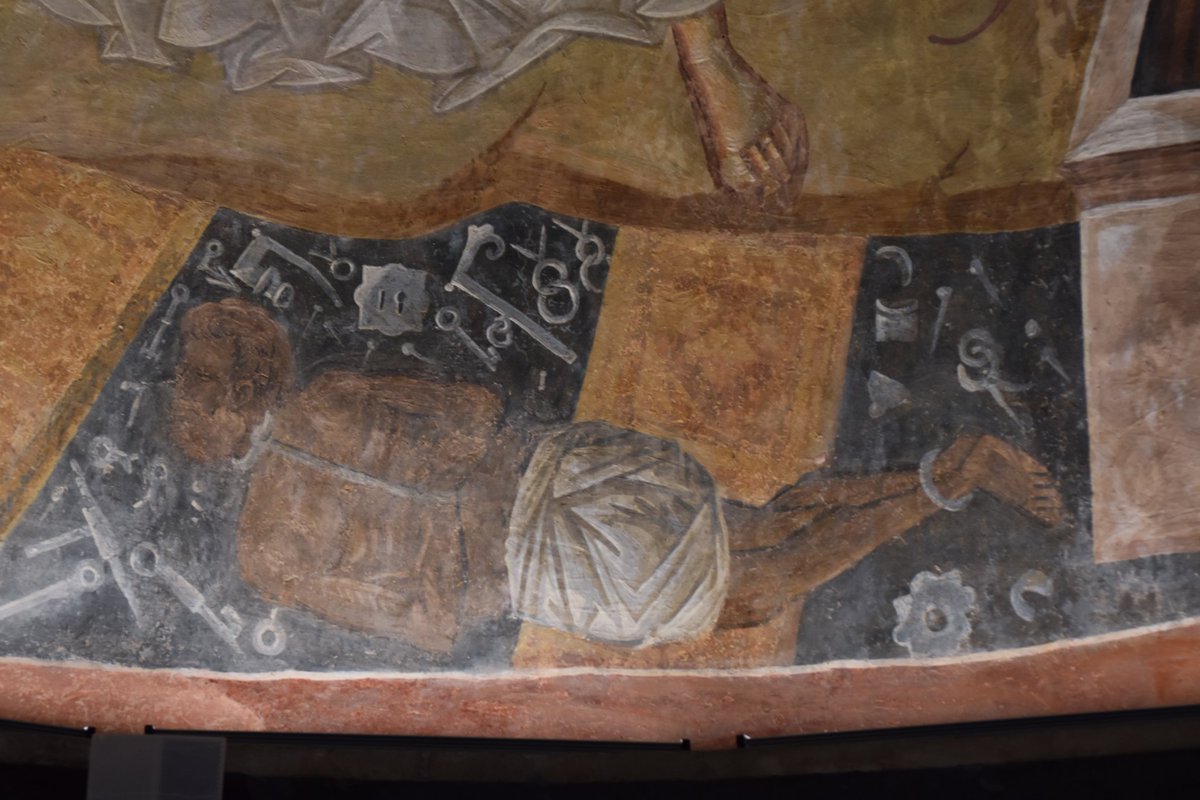
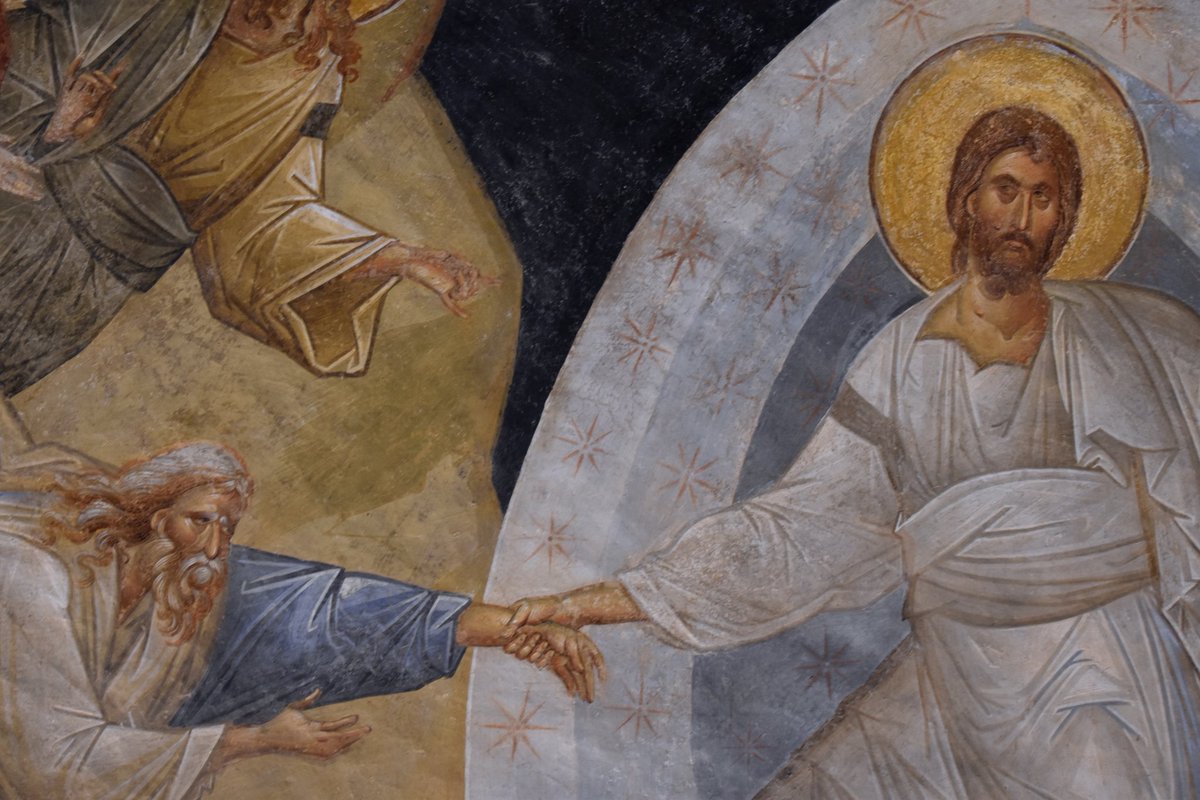
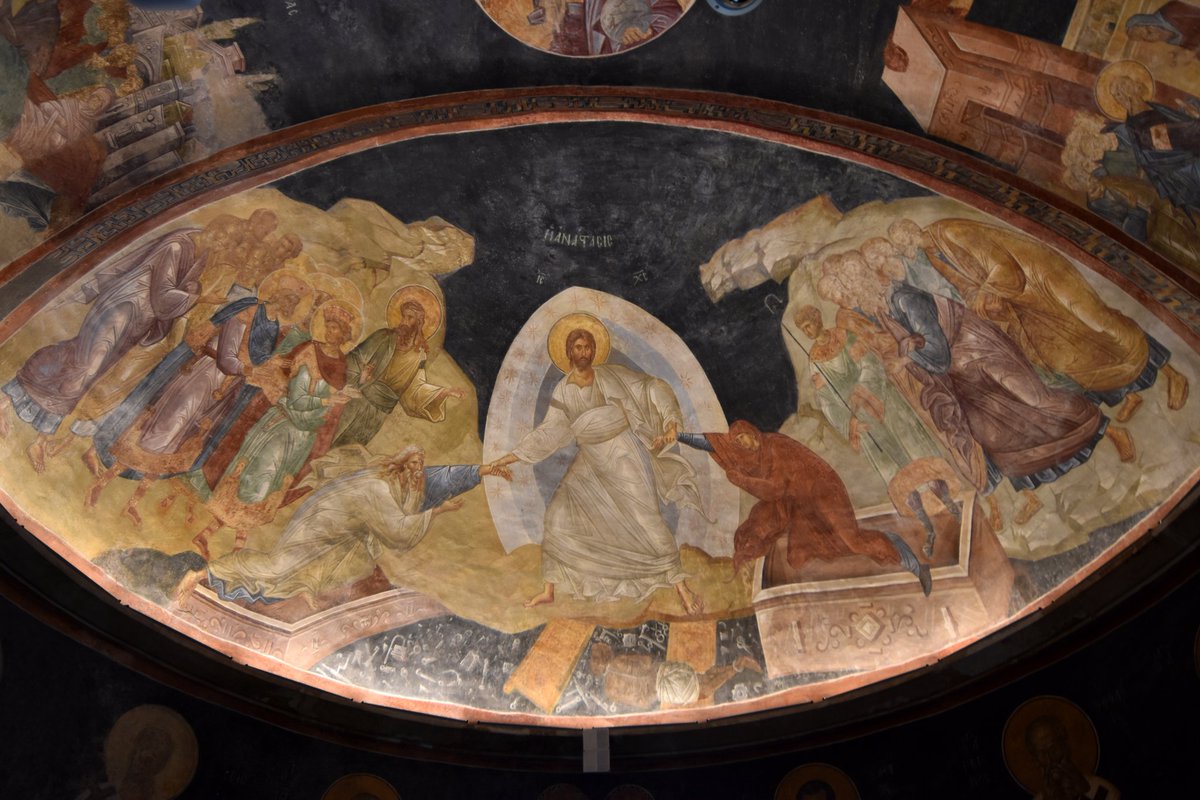
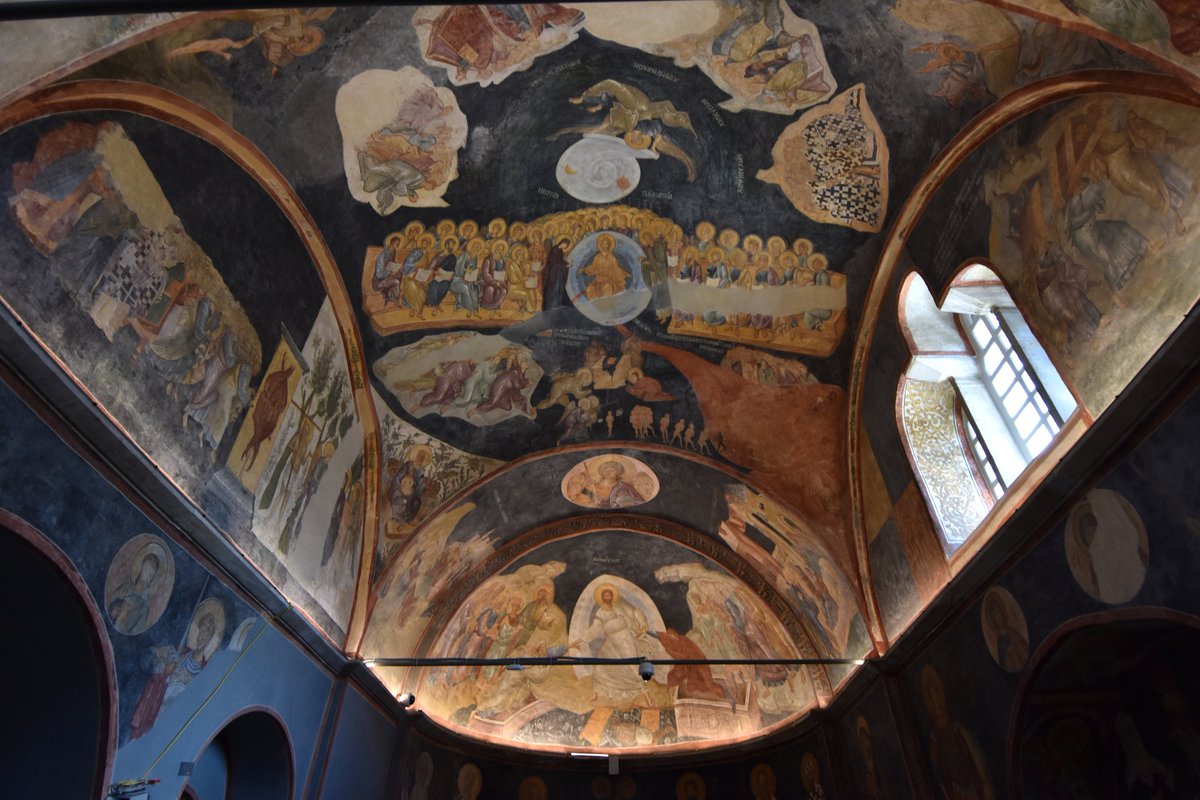
Anastasis (Resurrection of Christ) at Chora/Kariye
Orthodox Christians celebrate Holy Pascha (Easter) today.
Chora's fresco of the Anastasis (Resurrection of Christ), also known as the Harrowing of Hell, depicts Christ pulling Adam and Eve from their tombs. Beneath him is a bound and gagged Satan and the broken gate of hell, depicted as locks and keys scattered about. The Last Judgment is depicted above the Anastasis.
Take advantage of our conference offers for Classical Association Conference 2026 until May 13. Apply code 107946 at checkout. #CA2026
https://t.co/9eVQmrqNn6