We're Spectrum the (LGBTQ+) Rep. Net. at the Uni of Winch, promoting equality, & acceptance. Drop a DM for our other socials!
Join our discord, DM for invites
Throughout February, we will be celebrating LGBT+ History Month, with the aim of raising awareness and advancing education on matters affecting the LGBTQPIA+ community.
Join us in The Vault today from 12-2pm, where Spectrum will be holding an activity stall, to meet some of the committee and ask us questions about the network and what we do.
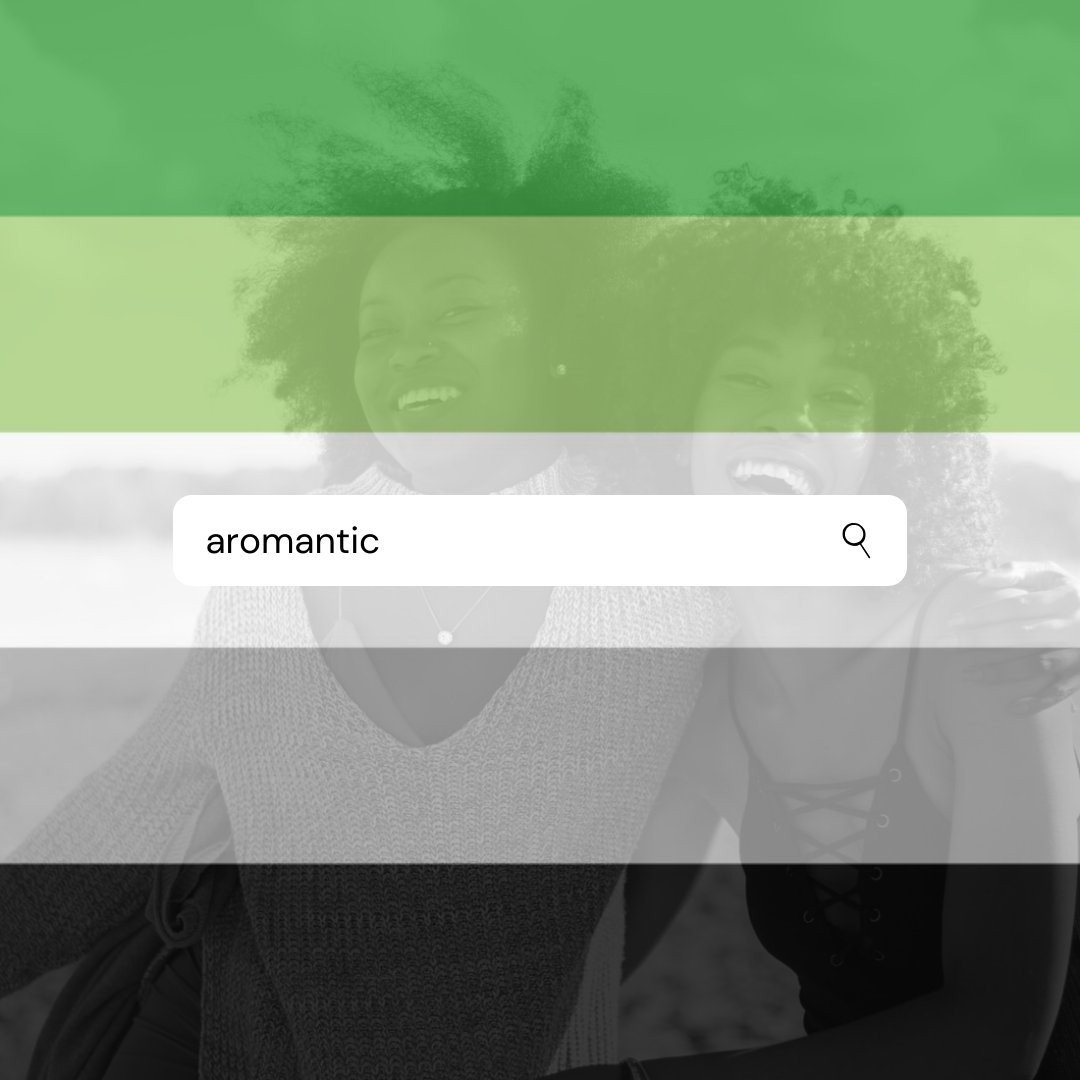
Aromantic (shortened to aro) means having a lack of romantic attraction or interest in romantic relationships. Same with the ace umbrella, under aromanticism comes the aro umbrella.
Panromantic is specifically referring to the romantic attraction towards people regardless of sex or gender. This doesn’t mean being attracted to everyone, simply that their attraction isn’t driven or specified by gender.
Biromantic describes a person who is romantically attracted to two or more genders. Biromantic asexual people may seek romantic relationships for a variety of reasons, including companionship, affection, and intimacy.
Homoromantic is a term to describe romantic attraction to the same sex. It is often used by asexual people to express their orientation. It can also be used by people whose sexual and romantic attractions don’t align perfectly.
Questioning - the term questioning is used to describe people who are in the process of discovering their gender identity/sexuality but haven't yet figured it out exactly.
Queer - a label used by individuals who don'f feel the need to specify their attraction.
Non-binary - “umbrella term for people whose gender identity doesn’t sit comfortably with ‘man’ or ‘woman’".
While some non-binary individuals identify as either having a gender which is in-between ‘man’ and ‘woman', others can fluctuate between them, or have no gender.
Intergender can be considered to be between male and female, and is typically only used by those who are intersex. Intergender people may also identify as nonbinary, genderqueer and/or transgender. Some intergender people consider themselves cisgender.
Today, instead of looking at a specific identity, this post covers a lot of general terms and labels associated with gender identity and expression, and how they differ as well as interact.
Gender identity encompasses how a person perceives and describes their gender.
A demiboy is a gender identity describing someone who partially, but not wholly, identifies as a man, boy or otherwise masculine, whatever their assigned gender at birth. They may or may not identify as another gender in addition to feeling partially a boy or man.
Demigirl is a gender identity that describes someone who identifies partially, with a female gender identity.
This identity is defined by the feeling of not being wholly connected to a female identity but identifying with female-coded terms, such as she/her pronouns.
A genderqueer person experiences gender in a way that may fall outside of, fall inbetween, or fluctuate amount the binary gender categories of ‘man’ and ‘woman’. Genderqueer can also be used by people who are questioning their gender, or those who don’t feel a need to define it.
Pangender is a term used by people that feel they cannot be labelled as either male of female in gender. Because of this it has a great deal of overlap with the identity of genderqueer.
Pangender could be described as an identity comprised of many gender expressions.
Trigender is a gender identity which can be literally translated as 'three genders' or 'triple gender'. Trigender people experience exactly three gender identities, either simultaneously or varying between them.