Balloon-borne experiment studying the early universe through measurements of the polarization of the cosmic microwave background.
Supported by @NASA, @NSF
SPIDER 1 (@SPIDER_CMB) CMB data products including maps, masks, EE/EB/BB power spectra, and likelihood values as a function of r, presented in ApJ 927, 174 (2022), are now available from LAMBDA at https://t.co/YL5GNjV1DW
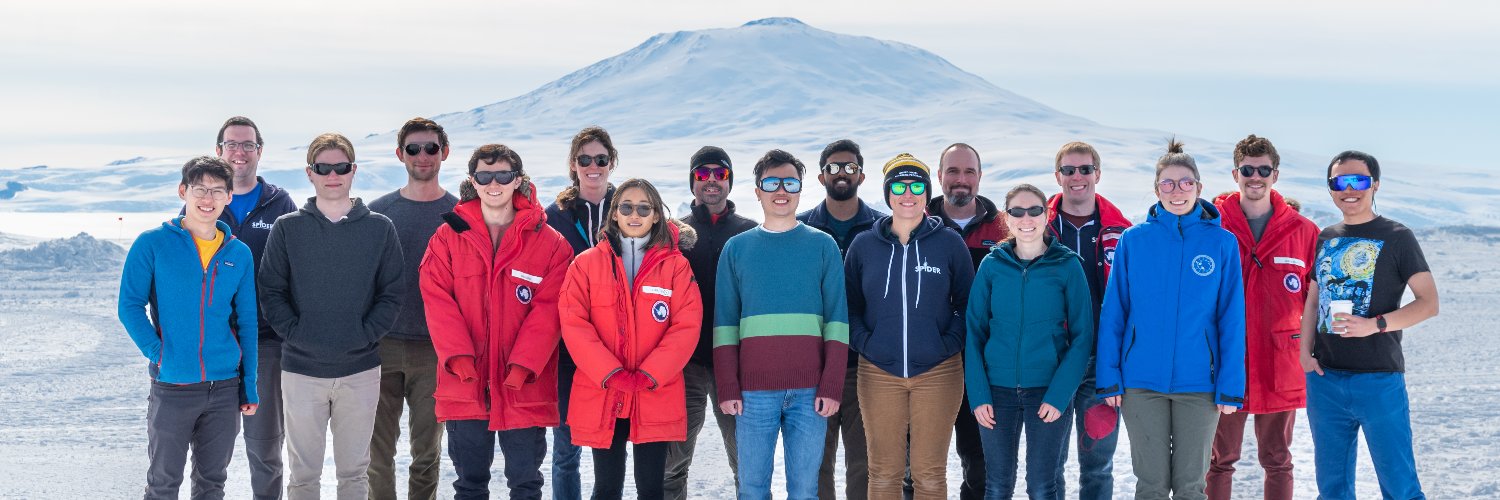
This Newfoundland scientist is studying the big bang with balloons in Antarctica: Susan Redmond, originally from Portugal Cove-St. Philip's, was recently stationed at McMurdo Station in Antarctica as part of an interdisciplinary team of 15 researchers. https://t.co/tEQjtJMOvb
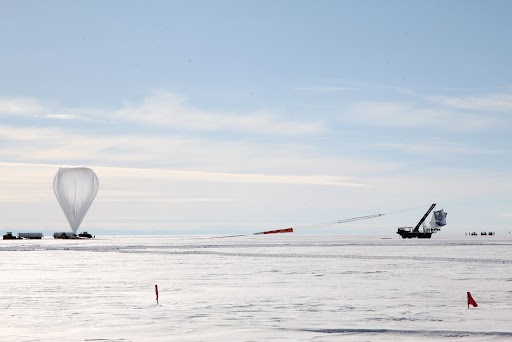
Scientists want you to know that most balloons come in peace. They're used for experiments to look at everything from cosmic rays to the ozone layer. https://t.co/atHK07RtrI
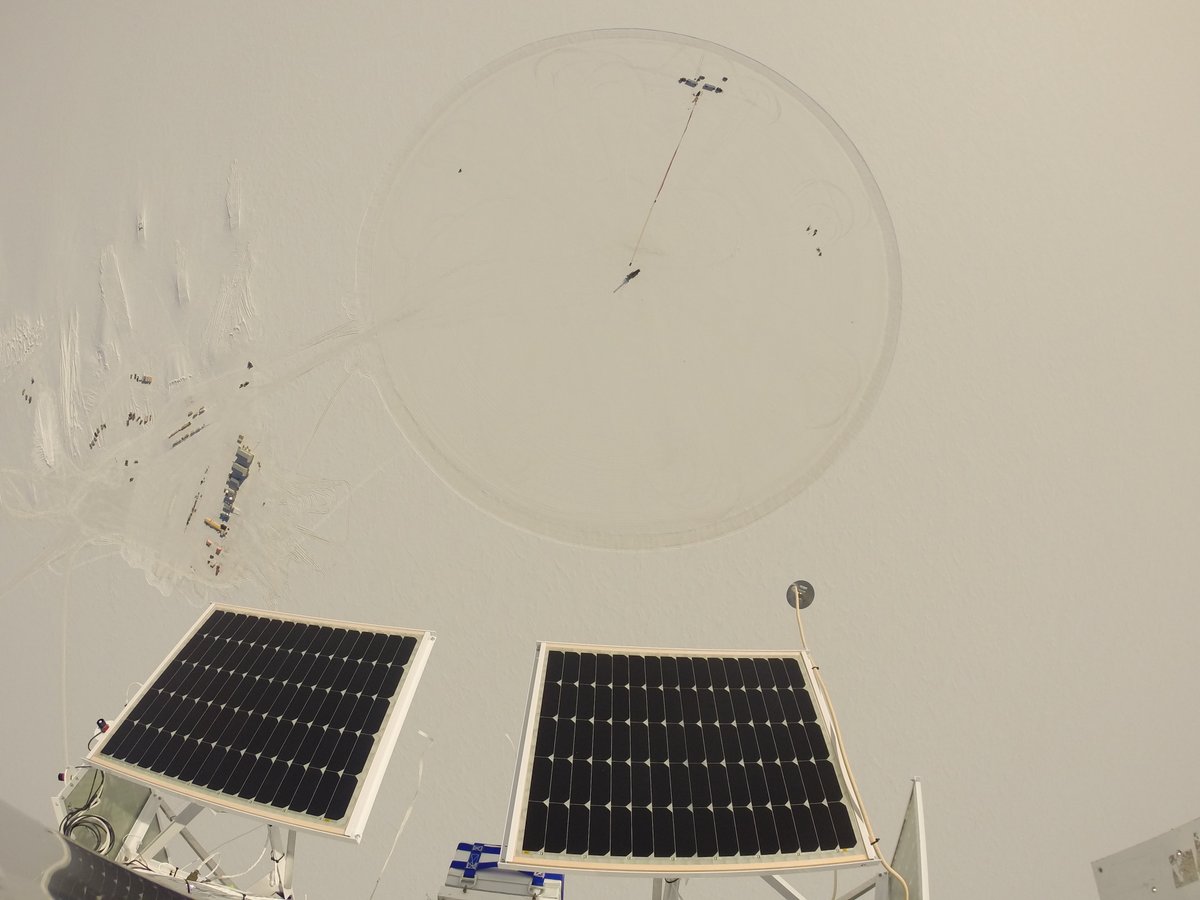
SPIDER-2 Flight hardware and data recovery is complete, with just 20 days from flight termination to complete recovery! Only footprints are left, and those will soon be erased by the blowing snow. Now, for some cool recovery photos! (thread)
If you look closely you can see the line of red parka-clad Spider team members out behind the last building in the row (our high bay), waving and cheering.