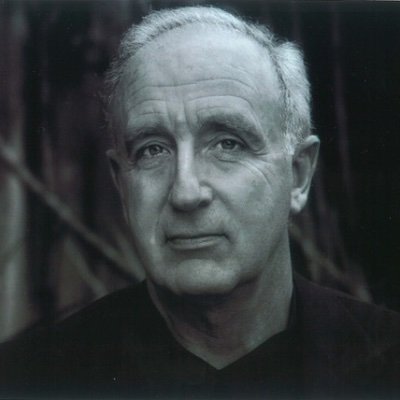
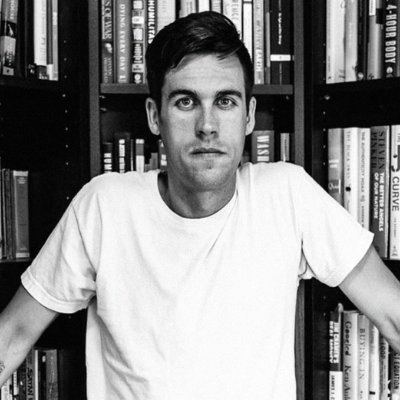
I was joined by an absolute legend for episode 199 of Open Book: the great, inspiring, and wise Steven Pressfield joined us on the podcast. @SPressfield
Watch this episode on X, YouTube, Spotify, or listen on Apple Podcasts or wherever you get your podcasts.
I promise you won't want to miss this one!!
Timestamps
0:00 Steven Pressfield Introduction
1:20 Who is Steven Pressfield?
2:08 Early Wilderness Years to Future Success
4:38 The Muse, Consciousness & Where Creativity Comes From
5:42 The War of Art: Understanding Resistance
8:01 Loneliness of the Artist & Following Your Calling
12:46 The Bhagavad Gita & The Legend of Bagger Vance
17:16 Ego, Creativity & Why Nothing Good Comes From Ego
21:02 The “Daimon”: Genius, Demons & Alexander the Great
31:20 Five Words
The payoff for the prisoner is release from the agonizing imperative of identifying, embracing and bringing into material existence the dreams and visions of his own deepest, noblest, and most honorable heart.
Resistance wants to keep us shallow and unfocused. So it makes the superficial and the vain intoxicating.
Speaking of, have you checked your email in the last half hour?
There's a glamour to failure that has been mined for centuries by starving poets, romantic suicides, and other self-defined doomed souls.
This glamour inverts failure and turns it into "success".
There's a difference between failing (which is a natural and normal part of life) and being addicted to failure.
When we're addicted to failure, we enjoy it. Each time we fail, we are secretly relieved.
Distraction and displacement seem innocent on the surface.
How can we be harming ourselves by having fun, or seeking romance, or enjoying the fruits of this big, beautiful world?
The repetitive nature of the shadow life and of addiction is what makes both so tedious.
No traction is ever gained. No progress is made. We're stuck in the same endlessly-repeating loop.
That's what makes addiction like hell.
Addictions are not "bad." They are simply the shadow forms of a more noble and exalted calling.
Our addictions are our callings themselves, only encrypted and incognito. The are a metaphor for our best selves, the coded version of our higher aspirations.
The work of art or service that might have been produced is replaced by the drama, conflict, and suffering of the addict's crazy, haunted, shattered life.
When we can't stand the fear, the shame and the self-reproach that we feel, we obliterate it with an addiction.
The addiction becomes the shadow version, the evil twin of our calling to service or to art.