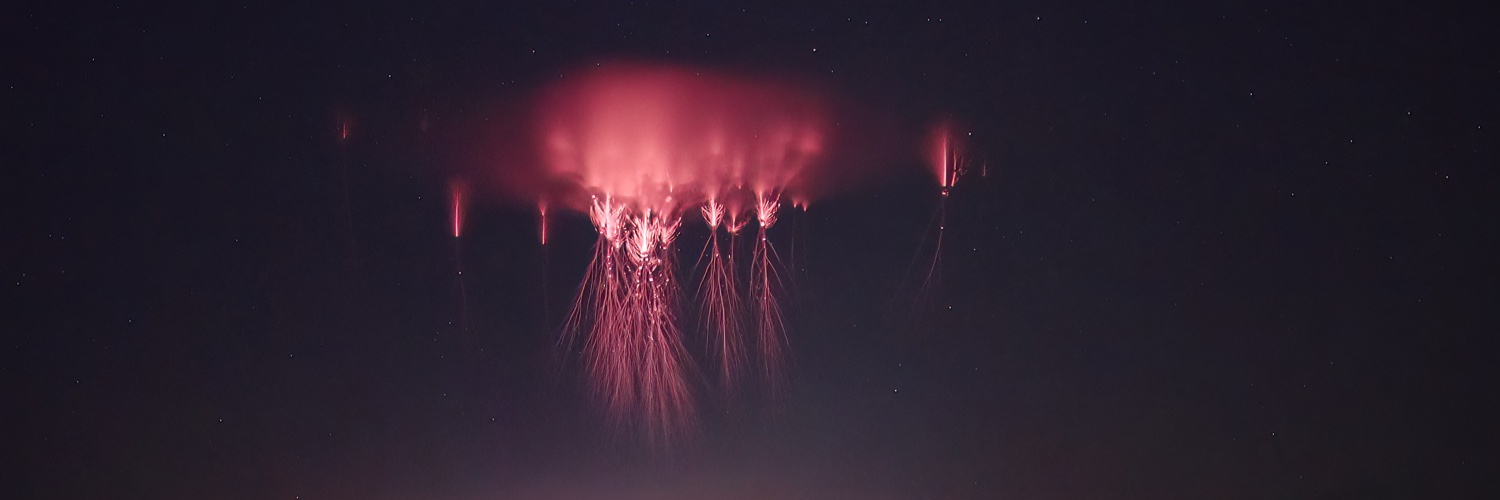
@Astro_Ayers Fantastic capture! Would love to host these phenomenal images from the orbit in our database of Spritacular (https://t.co/xRZFTmzG3S)! These are invaluable captures for the research community to work with :)
Sprites made it to Google’s Halloween 🎃 👻 game! Make your way to the mesosphere to see it for yourself!
Oh by the way, we are celebrating 2 great years of @spritacular with a wealth of data from our volunteers in 18 different countries! @DoNASAScience@Google#sprites
Huge congratulations to photographers Nicolas Escurat and Paul Smith (@PaulMSmithphoto) for having their stunning sprite images featured in the 2025 NASA calendar! 📅✨ Your incredible work and support of the @spritacular project inspire us all. Keep shining! @DoNASAScience
How did life form on Earth? Can it exist elsewhere? How can humans thrive in space? 🌍✨
These are the core questions behind our #NASAScience missions — questions that inspired our 2025 calendar. This year's theme — "Life" — explores how NASA studies habitability across the cosmos. 🌱🔬
From molecules to galaxies, discover the interconnectedness of it all: https://t.co/goWQKWGpUZ
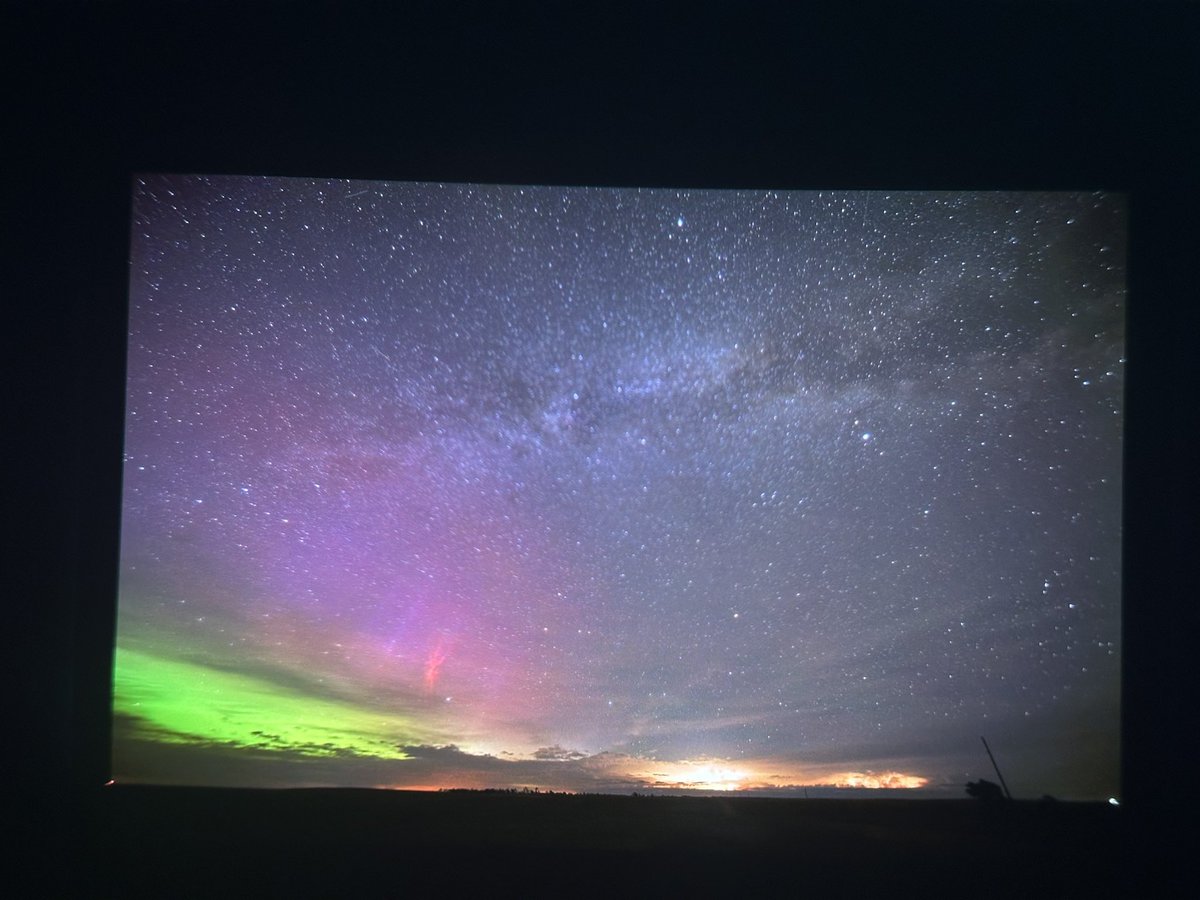
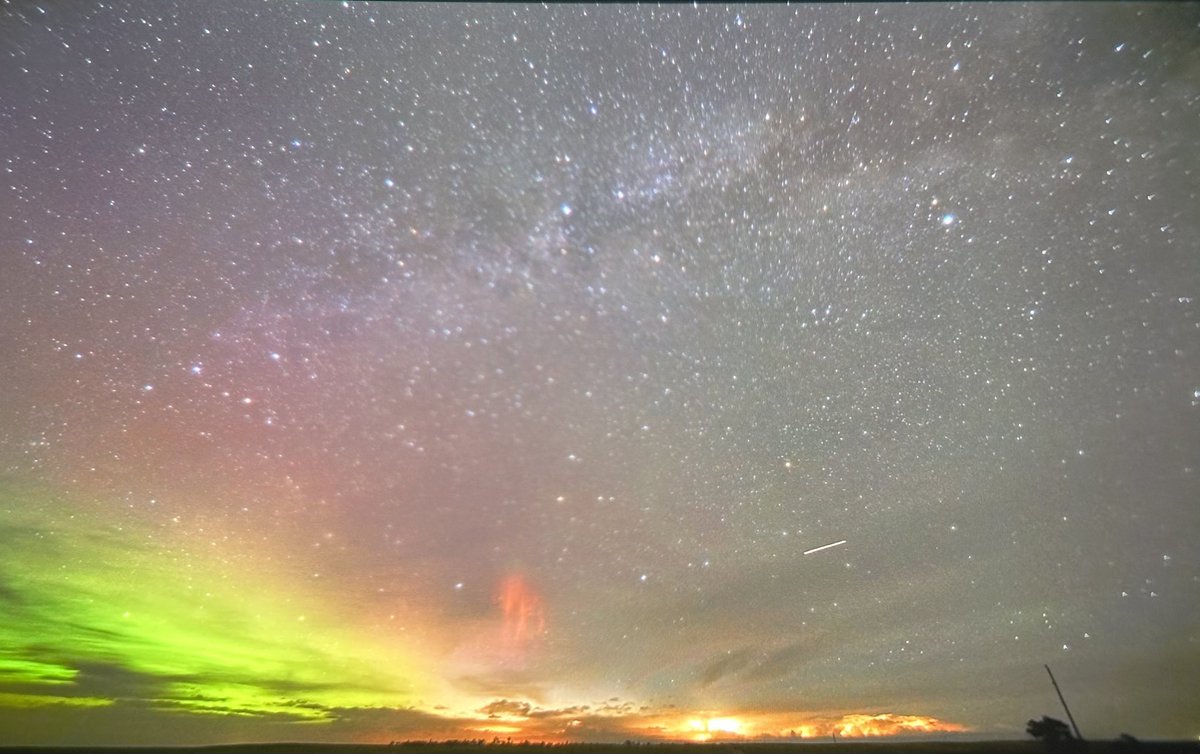
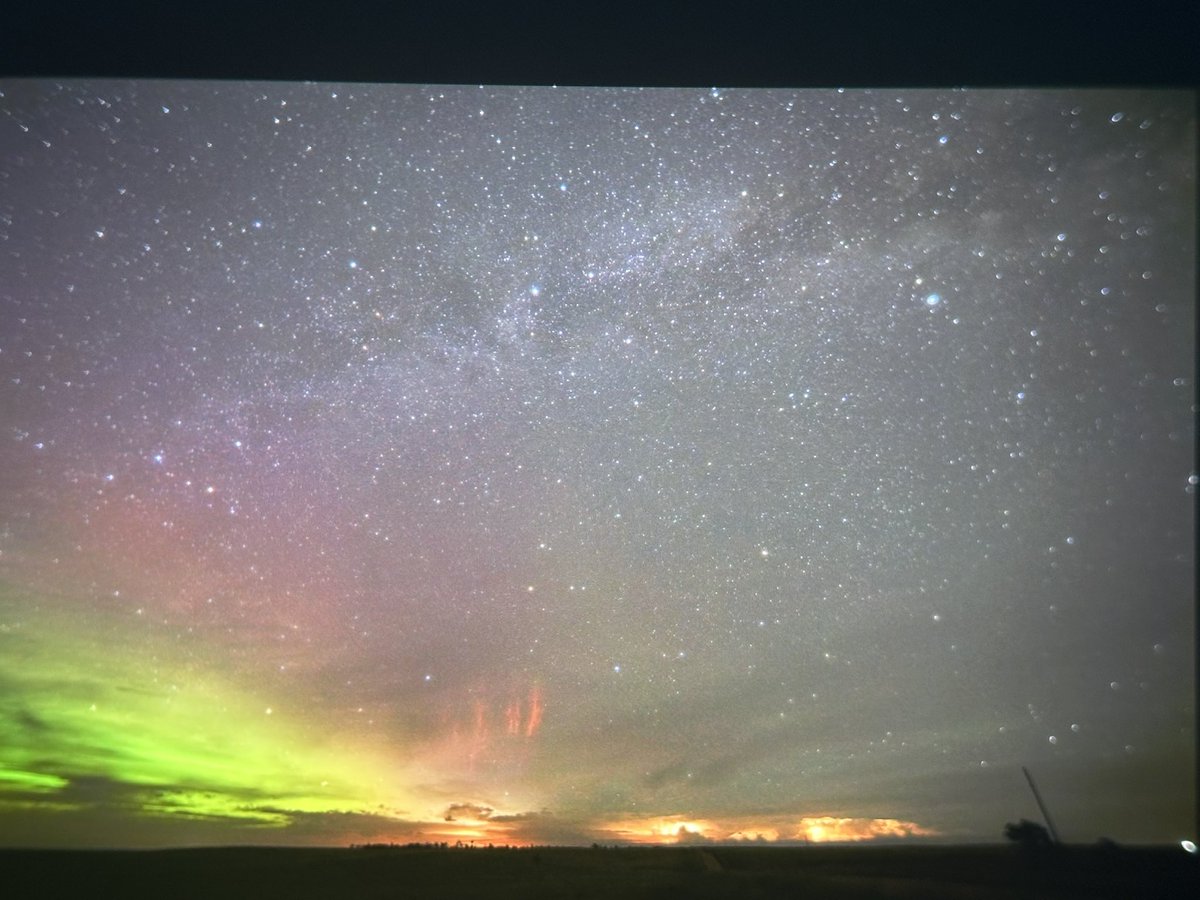
@spritacular Multiple sprites observed last night in rural Cherry County, Nebraska (42.21165°N, -100.52223°W), looking north to the Mesoscale Convective System in South Dakota. Left picture was 12:57 AM CDT and right picture was 1:42 AM CDT.
Thanks for stressing the importance of accurate camera time and location. Paying attention to this this simple step, will make your data very useful for research. Also, please consider joining our community and submitting your observations to https://t.co/w9IaahHKRA!
@dominickmatthew Great capture, Matthew! If you don’t mind, could you submit it to https://t.co/w9IaahHKRA? We’re putting together a database of these types of phenomena for @NASA scientists to study. Your unique vantage point could really help!
@RogerForster1@stim3on Sprites can be visible to the naked eye, but they happen so quickly that you really can’t make out more than just a red flash of something. They would also appear much more faint than what you see in photos since cameras can gather more light
@Healey_Photo This is a beautiful shot! Would you mind submitting it to https://t.co/w9IaahHKRA so we can study it? Our database is run by @NASA scientists so they can learn more about these awesome phenomena ⚡️
Many thanks to @MaximeDaviron for sharing this incredible shot of #sprites dancing above the clouds with the huge #aurora displays from May’s historic solar storm.
Did you capture any sprites you’d like to help us @DoNASAScience with? Submit them at https://t.co/w9IaahHKRA!
Capturing a TLE takes planning, luck, an eye for composition… and some *very* quick reflexes!
The images they capture are propelling NASA’s @spritacular citizen science project forward as we try to understand what drives these elusive atmospheric phenomena.
Watch to learn more:
This month’s #HelioBigYear theme is visual art, and these folks are taking the craft to the next (atmospheric) level!
Meet the people melding art and science in the pursuit of Transient Luminous Events, or TLEs. ⬇️