THE FRAGMENTED EARLY DAYS OF CAMBODIAN DIGITAL PAYMENTS
Before the arrival of a unified national network, the digital financial ecosystem in Cambodia was highly fractured. Individual commercial banks and specialized payment service providers launched standalone mobile applications to capture the rapid shift away from cash.
Merchants were forced to display multiple plastic stands on their counters, each containing a different QR code specific to an isolated banking network. A consumer utilizing one mobile wallet could not scan a competitor's checkout code, leading to significant transaction friction. This fragmented framework limited widespread operational efficiency and slowed the growth of financial inclusion.
THE INTRODUCTION OF BAKONG AND KHQR
The National Bank of Cambodia solved this ecosystem silo by engineering a unified digital payment architecture. The foundation arrived in October 2020 with the launch of the Bakong System, an innovative, blockchain-backed central infrastructure designed to act as a universal payment switch.
Building directly on top of this framework, the central bank officially deployed the standardized KHQR code specification in July 2022. This unified EMV-compliant standard allowed merchants to present a single QR code capable of securely accepting instant retail settlements from any participating bank or electronic wallet application within the country.
MANAGING A DUAL-CURRENCY ECONOMY
A distinctive feature of the Cambodian market is its dual-currency environment, where the local Cambodian Riel (KHR) and the United States Dollar (USD) circulate simultaneously. The KHQR standard natively accommodates this economic complexity by enabling digital balances to be held and transacted in both currencies through a single mobile interface.
Merchants can configure their checkout terminals to generate currency-specific requests based on their underlying pricing strategy. If a consumer scans a USD-denominated QR code using a KHR-denominated mobile wallet, the underlying Bakong network handles the conversion calculation based on real-time institutional exchange rates, eliminating manual conversion errors.
THE ROLE OF PIONEERING PAYMENT APPS
The massive public adoption of this unified network was driven by prominent local financial institutions and mobile wallet providers. Wing Bank, initially established as a pioneering peer-to-peer remittance service, successfully transitioned into a full commercial entity by embedding the national QR standard deeply into its consumer app.
Similarly, institutions like ACLEDA Bank and ABA Bank integrated the unified standard into their existing digital ecosystems. By connecting these highly popular consumer applications to a shared central ledger, the country achieved an immediate network effect, scaling digital payment access across urban hubs and rural communities alike.
STRATEGIC INSIGHTS FOR FINTECH INNOVATION
The structural evolution of Cambodia's payment architecture serves as an important case study for QR code solutions like SQRIL. It demonstrates that long-term merchant adoption relies heavily on simplifying terminal hardware and unifying backend transaction protocols. By eliminating proprietary friction points and directly embracing regional currency dynamics, the national financial infrastructure successfully built an inclusive, highly scalable digital marketplace.
SQRIL examines the Philippines’ scan-to-pay QR code revolution with QRph and how they adapted China’s QR payment success to leapfrog traditional banking, evolving from a cash-heavy society into a unified digital economy.
We believe that observing how different nations solve for financial inclusion provides the best roadmap for the future of payments. While China was the global pioneer, the Philippines offers one of the most compelling case studies in how to successfully adapt that "Big Bang" QR model to a unique, archipelagic landscape. By learning from the giants of the north, the Philippines has transformed its "cash is king" culture into a world-class digital ecosystem.
THE INFLUENCE OF CHINA’S GIANTS
The Philippine digital payment revolution was directly fueled by Chinese expertise. In 2017, Alipay entered a major partnership with GCash, sharing the QR technology and "know-how" that had already conquered the Chinese market. This partnership aimed to provide a "third method of payment" for a population where only 5% had credit cards.
Shortly after, Maya (formerly PayMaya) secured significant backing and technical inspiration from similar mobile-first models. These platforms didn't just introduce an app; they introduced a way of life—replicating the "Super App" strategy of Alipay and WeChat Pay to make scanning a QR code as natural as handing over a 20-peso bill.
THE RISE OF THE E-WALLET WAR
For several years, GCash and Maya dominated the landscape, each building its own "walled garden." This initial phase saw massive growth: GCash leveraged its integration with telecommunications and social habits. Maya focused on becoming a full-service digital bank.
Adoption Surge: From 2020 to 2024, digital payments in the Philippines rose by 185%, with QR code transactions now accounting for 57.4% of total retail payments.
However, this success came with the same friction we saw in other early-adopting markets: a single merchant might have to display three or four different QR codes to cater to every customer’s specific app.
THE GREAT UNIFIER: QRPh
Recognizing that fragmentation was the final barrier to total financial inclusion, the Bangko Sentral ng Pilipinas (BSP) introduced QRPh in 2019. This national standard served as the ultimate bridge.
Launched fully for merchants in October 2021, QRPh allows any participating bank or e-wallet app to scan a single standardized QR code. This interoperability ensures that whether you are a Maya user at a GCash merchant or a traditional bank customer at a local sari-sari store, the transaction is instant and seamless.
WHY THIS MATTERS FOR SQRIL
The Philippine journey from cash to unified QRPh validates the SQRIL philosophy: interoperability is the key to scale. By removing the boundaries between different payment providers, the Philippines has built a more inclusive economy where even the smallest vendors can accept digital payments without expensive hardware.
The future of payments isn't just about having the best app—it's about being part of a connected, frictionless world.
Join the revolution of unified QR code transactions. Visit us at https://t.co/y9Xr9o7MCE to see how your ewallet, crypto app, neobank or bank can pay QRph and all other QR codes around the world.
Learn from SQRIL how Indonesia successfully mirrored China’s QR code revolution to become a global digital payment leader, moving from fragmented e-wallets to the world-class unified QRIS standard.
THE INFLUENCE OF THE “CHINA MODEL”
In the mid-2010s, Indonesian fintech leaders watched closely as Alipay and WeChat Pay turned China into a nearly cashless society. The realization was clear: for a population with high smartphone penetration but low credit card usage, the QR code was the ultimate equalizer. This sparked the rise of home-grown "e-wallet" giants that drew investment—from China’s tech ecosystem.
DANA: Launched in 2018, DANA was built with backing and technical expertise from Ant Financial (Alipay), mirroring the security and ease of use found in the Chinese market.
OVO: This platform rapidly became a leader in the retail and lifestyle space, integrating deeply with Grab to create a "Super App" experience.
GoPay: Born from the Gojek ecosystem, GoPay turned every motorbike ride into a digital transaction, mimicking the social ubiquity of WeChat Pay.
THE FRAGMENTED “WALLET GARDEN” PHASE
By 2019, Indonesia was experiencing an "e-wallet war." While adoption was high, the experience was messy. Merchants had to display five or six different QR placards—one for each provider—to cater to every customer. If you had an OVO app but the merchant only had a GoPay code, you were out of luck.
THE GREAT UNIFIER: QRIS
Learning from the challenges of earlier adopters, Bank Indonesia (the central bank) stepped in with a bold solution. On August 17, 2019, they launched QRIS.
Operating on the principle of "One QR Code for All," QRIS mandated that every payment provider must use a single, standardized code. Suddenly, a small warung (local stall) only needed one piece of paper to accept payments from DANA, OVO, GoPay, LinkAja, and over 50 different banking apps.
A GLOBAL POWERHOUSE IN 2026
Today, Indonesia's QR landscape is one of the most advanced in the world. By early 2026, the market has reached staggering heights:
Mass Adoption: QRIS now serves over 60 million users and 45 million merchants, with 90% being small and micro-businesses.
Growth: Transactions have surged, with 2026 targets aiming for 17 billion transactions annually.
Cross-Border Integration: Indonesia has already expanded QRIS to Thailand, Malaysia, Singapore, and Japan, with full trials currently underway in China to link the two giants together.
WHY INDONESIA’S JOURNEY MATTER TO SQRIL
At SQRIL, we see Indonesia as the ultimate proof of our mission of unifying a fragmented landscape under one standard. We are building the next generation of crossborder QR code tools to ensure your ewallet, crypto app, neobank or bank can tap into this same spirit of seamless connectivity. The world is moving toward a unified future. Is your business ready to scan in?
Discover the future of seamless QR code transactions at https://t.co/y9Xr9o7MCE. Let's simplify the way the world pays together.
Discover how Vietnam transformed its cash-heavy economy into a digital powerhouse by learning from China’s QR code revolution and unifying its fragmented landscape through the VietQR standard.
At SQRIL, we are constantly analyzing the global "leapfrog" effect—where developing nations skip traditional credit card infrastructure to embrace mobile-first financial ecosystems. Following our look at China, we must turn to Vietnam, one of the most exciting digital payment stories in Southeast Asia. Vietnam didn't just copy China’s homework; they studied the catalyst, adapted it to their unique market, and eventually surpassed expectations with a unified national standard.
LEARNING FROM THE GIANT
By the mid-2010s, Vietnam’s central bank and tech innovators were watching China’s Alipay and WeChat Pay with intense interest. Vietnam faced similar hurdles: a high unbanked population and a deep-rooted cultural preference for cash. The "China Model" proved that if you make payments as easy as sending a message, users will switch. This realization sparked the birth of home-grown "Super Apps" like MoMo and ZaloPay.
THE ERA OF THE E-WALLET WAR
The initial push was led by MoMo (founded in 2007 but surging after 2014), which focused on building a vast network of physical "transaction points." Just as WeChat integrated payments into chat, ZaloPay leveraged Vietnam’s most popular messaging app, Zalo, to create a seamless social payment experience.
However, this early success created a "walled garden" problem. Each app had its own QR code. A street vendor might have five different QR placards on their counter—one for MoMo, one for ZaloPay, one for ShopeePay, and others for various banks. For the consumer, it was a mess; for the merchant, it was a management nightmare. This friction threatened to slow down the very revolution it started.
THE GREAT UNIFIER: VietQR
Recognizing that fragmentation was the enemy of adoption, Vietnam took a bold step toward interoperability. In June 2021, NAPAS (National Payment Corporation of Vietnam) launched VietQR. Based on the EMVCo international standard, VietQR acted as a bridge.
Suddenly, a single QR code could accept payments from dozens of different banking apps and e-wallets. This was a masterclass in fintech policy: by unifying the landscape, Vietnam ensured that digital payments weren't just for tech-savvy urbanites, but for every small merchant across the country. Today, the VietQR logo is a ubiquitous symbol of trust, found on everything from luxury boutiques to local Phở stalls.
WHY VIETNAM’S JOURNEY MATTERS FOR SQRIL
Vietnam’s evolution from fragmented e-wallets to the unified VietQR standard validates our core mission at SQRIL. We believe that for technology to truly empower ewallets, crypto apps, neobanks and banks, it must remove barriers, not create new ones. Vietnam proved that when you unify the experience, you don't just change how people pay—you change how they live and trade.
The "Vietnam Model" is now the blueprint for emerging markets worldwide. Are you ready to see how your mobile app can pay VietQR codes?
Explore the future of seamless transactions at https://t.co/y9Xr9o7MCE. Let's simplify the way the world pays together.
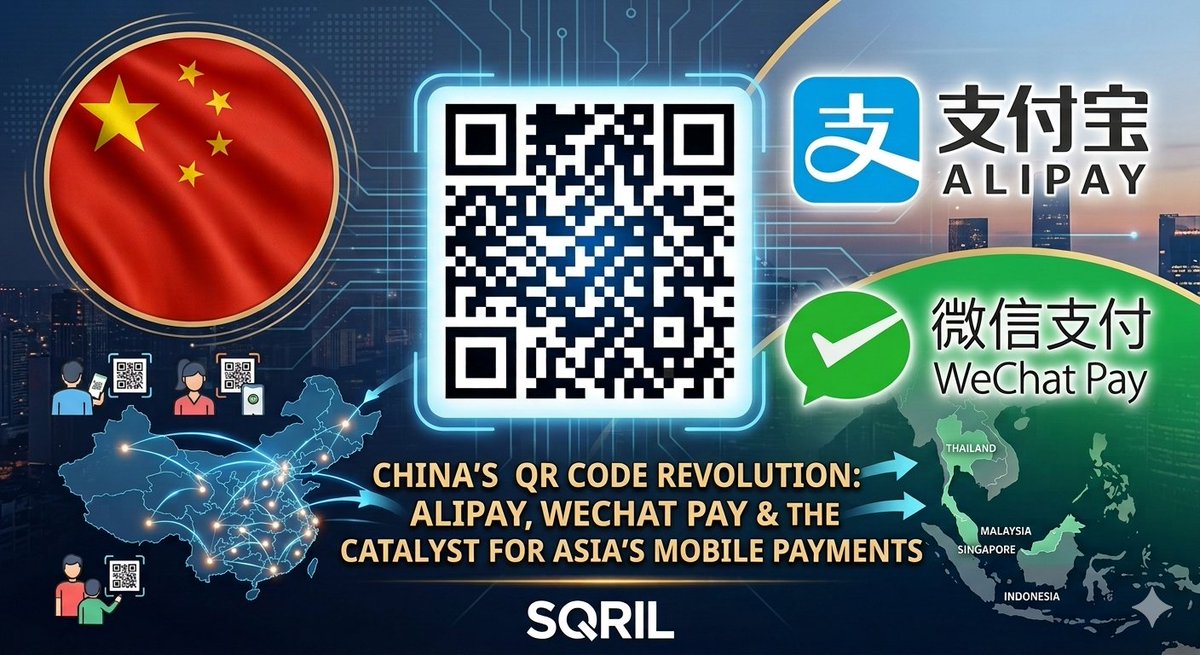
How did a simple square of black and white pixels transform the global economy? Discover the history of China's QR code revolution and how it paved the way for seamless digital payments across Asia.
At SQRIL, we are obsessed with the friction-less future of transactions. To understand where we are going, we have to look back at the "Big Bang" of mobile payments: China in the early 2010s. While the QR code was originally a Japanese invention for tracking auto parts, China was the laboratory that turned it into a financial powerhouse.
THE RISE OF THE GIANTS: Alipay and WeChat Pay
The revolution didn't happen overnight, but it moved with lightning speed. In 2011, Alipay introduced QR code payments to bridge the gap between online shopping and physical retail. Before this, China was heavily reliant on cash; credit card infrastructure was underdeveloped and expensive for small vendors.
Then came WeChat Pay in 2014. By integrating payments directly into China’s most popular social messaging app, they turned "paying" into a social habit. From sending digital "Red Envelopes" (Hongbao) to scanning a printed code at a street food stall, the QR code became the universal language of value exchange.
A MARKET UNLIKE ANY OTHER
To say the Chinese QR market is "big" is an understatement. By 2021, mobile payments in China reached a staggering $47.5 trillion annually. Over 90% of urban dwellers use QR codes for nearly every transaction—from paying utility bills to tipping buskers on the street. China didn’t just adopt digital payments; they leapfrogged the entire "plastic card" era, moving straight from paper money to pixels.
THE CATALYST FOR ASIA (and Beyond)
China served as the global proof of concept. Seeing the efficiency of a system that required zero expensive hardware, neighboring countries took note.
The "China Catalyst" sparked a massive wave across the continent:
India’s UPI Revolution: Following China’s lead, India launched UPI in 2016, creating a standardized QR ecosystem that now processes billions of transactions monthly.
Southeast Asian Standardization: Countries like Singapore (SGQR), Indonesia (QRIS), and Thailand (PromptPay) developed national standards to ensure that one QR code could work with any banking app—a level of interoperability that even China is now working toward.
Cross-Border Integration: We are now seeing the "Next Phase"—the ability for a traveler from Malaysia to use their local e-wallet to scan a QR code in Japan or South Korea.
WHY THIS MATTERS FOR YOUR MOBILE PAYMENT APP
The lesson from the Chinese market is clear: Accessibility is everything. When you lower the barrier to payment, transaction volume skygrockets. At SQRIL, we carry this legacy forward by ensuring ewallets, crypto apps, neobanks and banks have the tools to tap into this global shift toward instant, secure, and hardware-free payments.
The square code changed the world. Are you ready to make it work for you?
Visit us at https://t.co/y9Xr9o7MCE to learn more.
Reach out to SQRIL if you want to enable your crypto, banking or ewallet to have the capability to scan & pay local QR codes across Asia, seeing as how that is their preferred payment method.
!!! NEW COUNTRIES ANNOUNCEMENT !!!
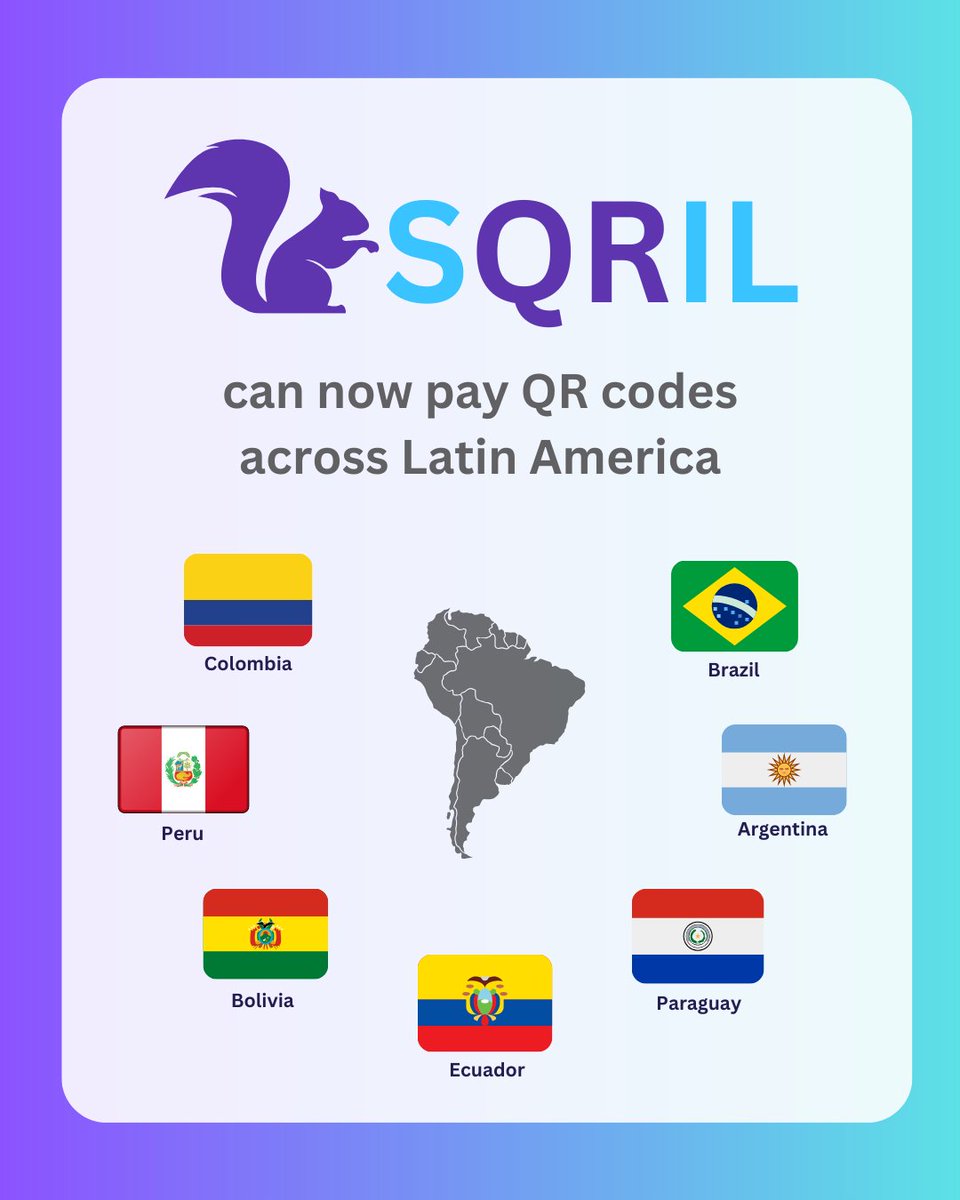
SQRIL CAN NOW PAY LOCAL QR CODES ACROSS LATIN AMERICA
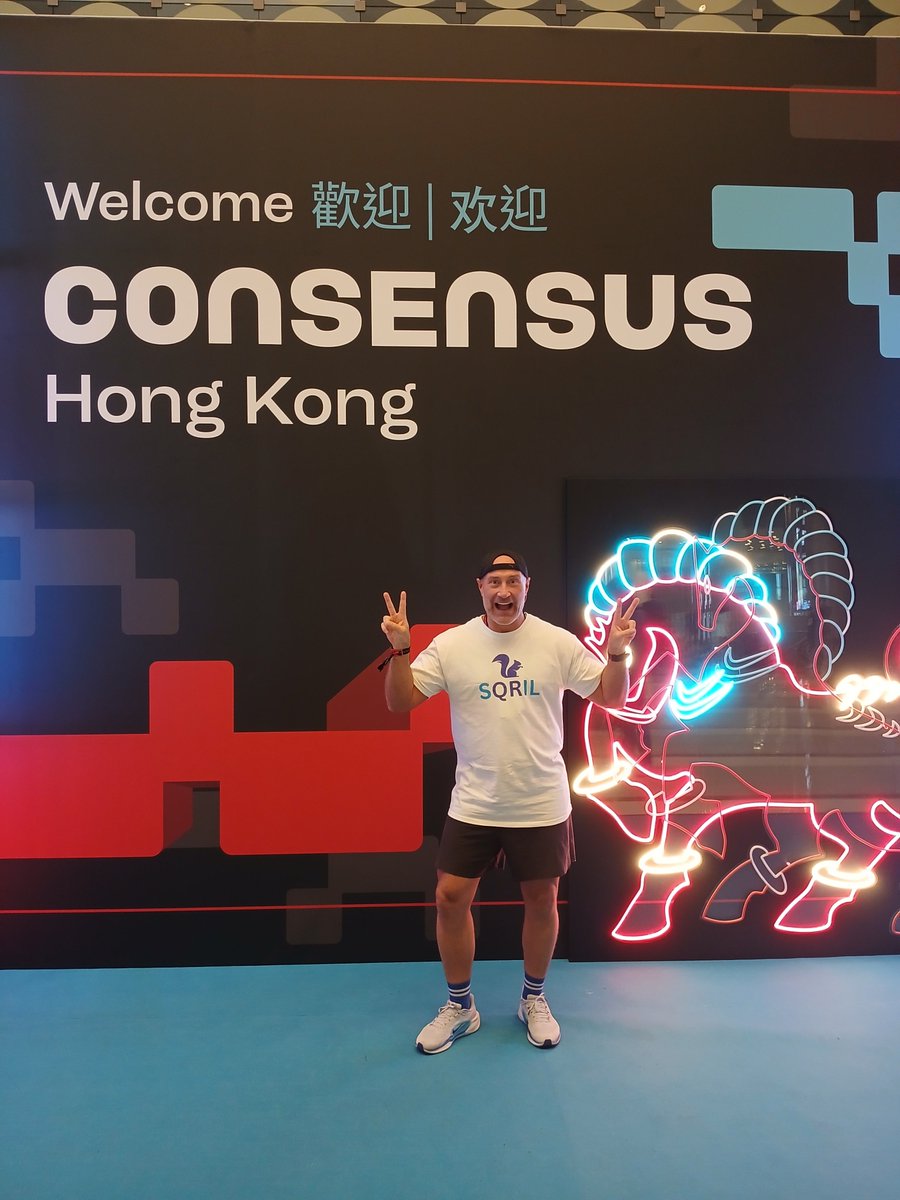
Hong Kong, February 10, 2026 - SQRIL (pronounced squirrel), the Southeast Asia based startup that provides a payments API switch for banks, ewallets and crypto apps to scan & pay local QR codes across emerging markets, announced from the sidelines of the Consensus conference in Hong Kong that it would now support several countries in Latin America.
SQRIL Founder & CEO Malcolm Weed explains that, “any bank, ewallet or crypto app that integrates with our APIs would allow their user base to scan & pay local QR codes across several Latin American countries such as, Brazil, Argentina, Colombia, Peru, Bolivia, Paraguay and Ecuador. The SQRIL API was already available to pay QR codes in the Philippines, Vietnam and Indonesia, with bank transfers in Malaysia and Thailand.
Scan-to-pay QR code volumes have been increasing tremendously across emerging markets with no sights on slowing down. USD stablecoins have also become a very important part of these economies due to them being a better store of value than their local currencies, and are much cheaper and faster for crossborder payments.
Malcolm continues,”we wanted to first tackle Southeast Asia which I think we’ve done a good job of so far, but we always knew that Latin America would be our next target market. The scan-to-pay QR code landscape has really grown in the past few years with Brazil being the leader with Pix QR payments.
”We are aiming to be the world's QR code payments infrastructure leader, especially as it relates to emerging markets, which means we have our sights squarely set on Africa next. We’re having amazing conversations with various partners there to make it a reality in Q2 of this year.” explains Malcolm.
SQRIL plans to add more countries across Asia this quarter as well, so stay tuned.
For more information visit our website at sqril.ioor email [email protected]
!!!PRODUCT ANNOUNCEMENT!!!
SQRIL NOW SUPPORTS CRYPTO APPS FOR ITS SCAN-TO-PAY QR CODE PAYMENT SWITCH FOR ASIA, AFRICA AND LATIN AMERICA.
Singapore, January 21, 2026 - SQRIL (pronounced squirrel), the Southeast Asia based startup backed by the Plan B VC Fund which provides a payments API switch for traditional banks and ewallets, also now supports crypto apps to enable their users to scan & pay QR codes across Asia, Africa and Latin America.
SQRIL Founder & CEO Malcolm Weed explains that, “any crypto exchange, crypto wallet or Dapp can now integrate with our APIs and allow their user base to scan & pay local QR codes across emerging markets and pay with stablecoin, while SQRIL handles the local fiat payout to the merchant in the destination country.”
Malcolm continues,”I believe we are at the early stages of instant payment interoperability between banks, ewallets, crypto apps and merchants of different countries, and SQRIL plans to be an important part of that infrastructure. With the rise of national QR code schemes and hundreds of millions of stablecoin holders across the world, there needs to be a better way to pay across borders.”
Scan-to-pay QR code payments across Asia have been the leading payment method over the past several years. Emerging markets such as Latin America and Africa are also increasing their usage of real-time national QR codes.
“Having worked in crossborder payments for the past thirteen years and spending the past seven in crypto, I can confidently say that scan-to-pay QR code payments will be universal the world over in the coming years. Usually you see developed world technologies making their way to emerging markets, but I really believe this will happen in the reverse.” explains Malcolm.
The SQRIL API is now available to pay local QR codes in the Philippines, Vietnam and Indonesia, with bank transfers in Malaysia and Thailand. Additional countries across Asia, Africa and Latin America will be added throughout Q1.
“We are aiming to be the world's Scan-to-Pay QR code infrastructure leader, especially as it relates to stablecoins and emerging markets,” remarked Malcolm.
For more information visit our website at https://t.co/y9Xr9o7MCE or email [email protected]
FUNDING ANNOUNCEMENT!!!
TETHER BACKS STARTUP SQRIL, THE FIRST REAL-TIME, CROSSBORDER SCAN-TO-PAY QR CODE PAYMENT SWITCH FOR ASIA, AFRICA AND LATIN AMERICA.
Singapore, January 3, 2026 - Stablecoin issuer Tether has invested in SQRIL (pronounced squirrel), the Southeast Asia based startup that provides a payments API switch for banks, ewallets and fintech apps to enable their mobile app users to scan & pay QR codes in real time across Asia, Africa and Latin America.
SQRIL Founder & CEO Malcolm Weed explains that, “any traditional bank such as Barclays or Bank of America, or neobanks such as Venmo, Revolut or Cash app can integrate with our APIs and allow their user base to scan & pay local QR codes across Asia, Africa and Latam. Users would pay with their home currency, and the merchant in the foreign country would receive their local currency. SQRIL would handle the forex and local payout in the destination currency.”
Malcolm continues,”I believe we are at the early stages of instant payment interoperability between banks, ewallets and merchants of different countries, and SQRIL plans to be an important part of that infrastructure. With the rise of national QR code schemes, stablecoins and the global movement of people, there needs to be a better way to pay across borders.”
Scan-to-pay QR code payments across Asia have been the leading payment method over the past several years with no sights on slowing down. Emerging markets such as Latin America and Africa are also increasing their usage of real-time national QR codes for ease of payments.
“Having worked in crossborder payments for the past thirteen years and spending the past three living in Southeast Asia, I can confidently say that scan-to-pay QR code payments will be universal the world over in the coming years. Usually you see developed world technologies making their way to emerging markets, but I really believe this will happen in the reverse.” explains Malcolm.
The SQRIL API is now available to pay local QR codes in the Philippines, Vietnam and Indonesia, with bank transfers in Malaysia and Thailand. Additional countries across Asia, Africa and Latin America will be added in Q1.
“We are aiming to be the world's QR code infrastructure leader, especially as it relates to emerging markets,” remarked Malcolm.
For more information visit our website at https://t.co/5AfhZ3ogRE or email [email protected]
Spend less time on vacation worrying about getting cash when you can upgrade your mobile payment app to scan & pay local QR codes across Southeast Asia.
If your banking/ewallet app truly wants to be global, it needs to be able to scan & pay QR codes worldwide. SQRIL is the only payment solution that is working on exactly this. Reach out to find out which countries are on our roadmap.
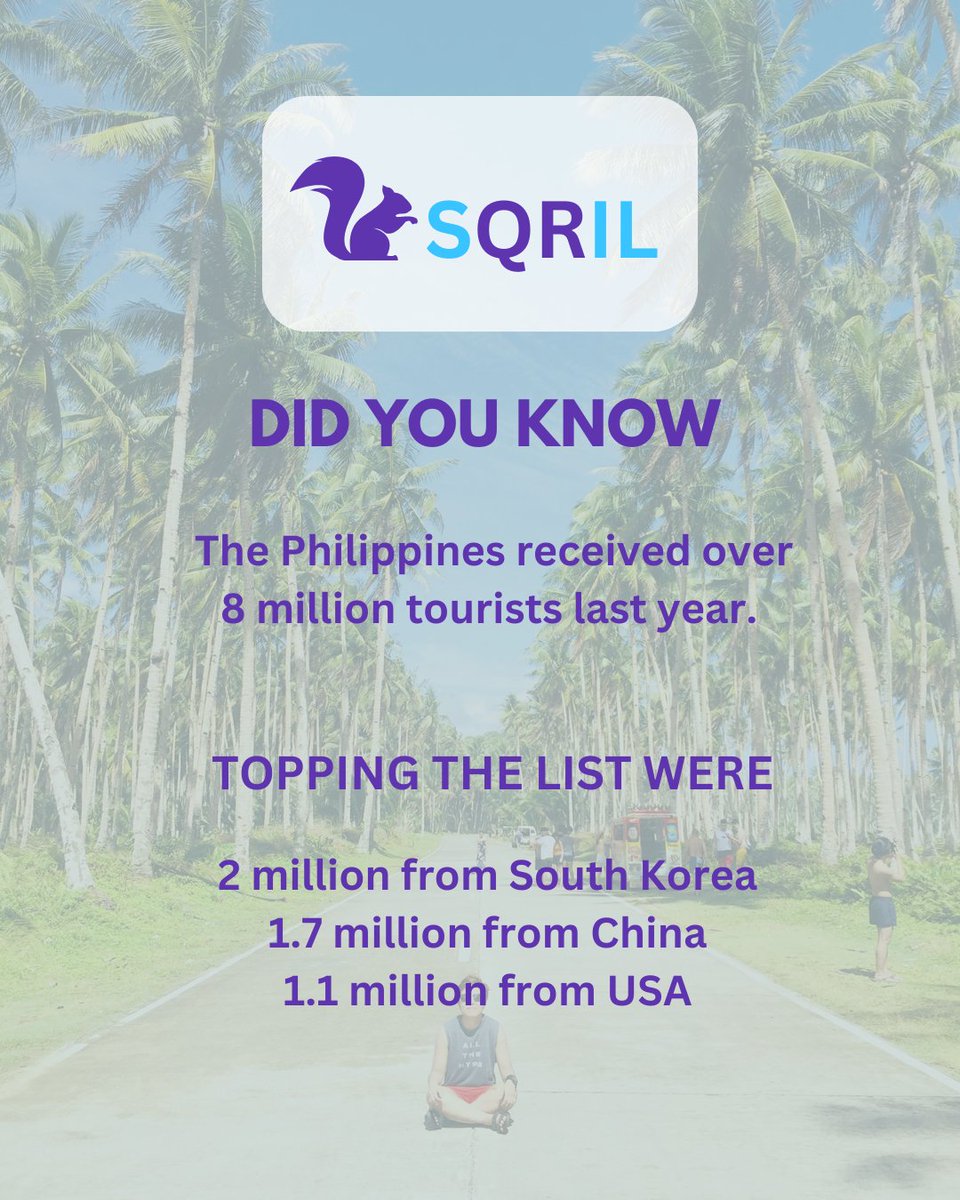
Did you know that Philippines tourism is growing at a tremendous speed - last year over 8 million visitors arrived. With that level of interest, it would be ideal to integrate with our scan-to-pay QR code payments API and let your user base pay with the currency of their choice, while local merchants receive Peso.
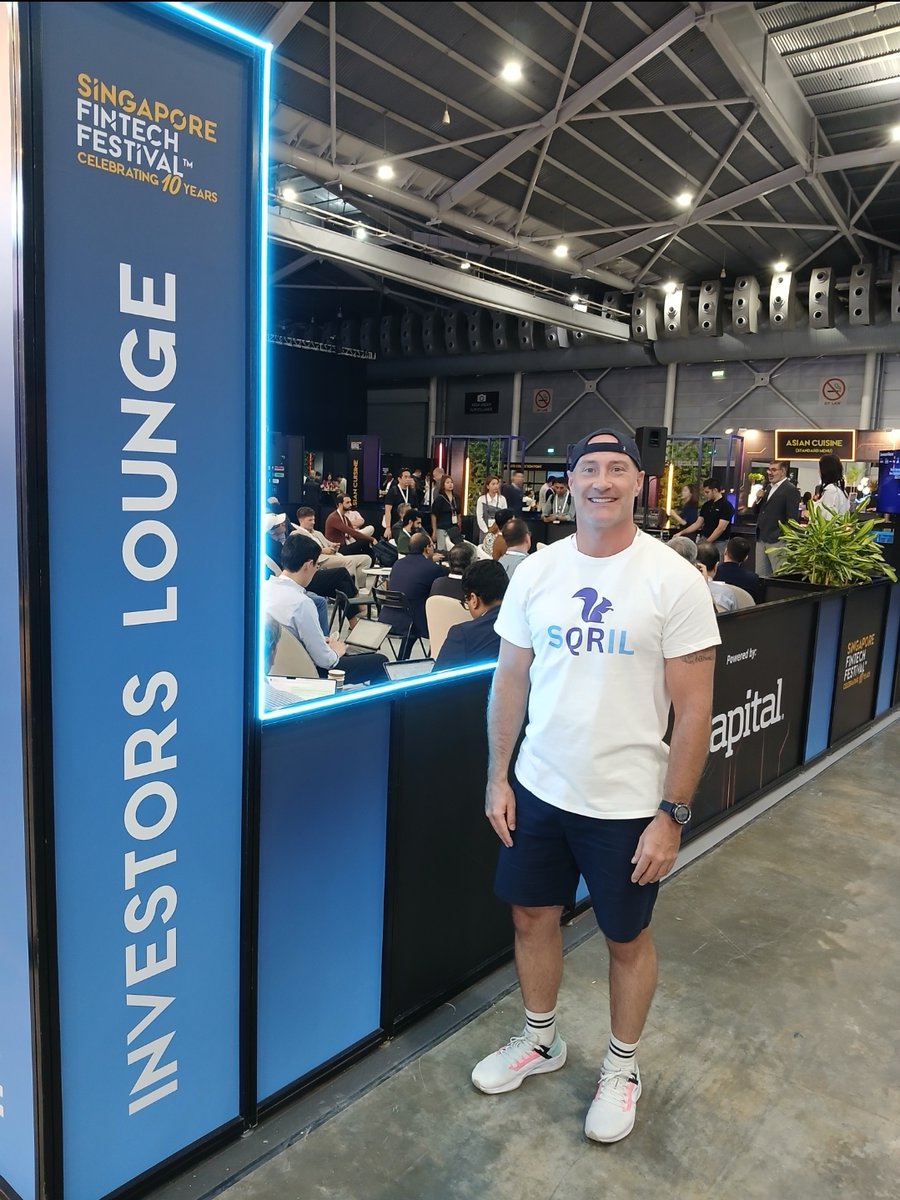
Last week at Singapore Fintech Festival was our first conference now that we're out of stealth mode and it was great. Lots of new partnership conversations to expedite our QR expansion plans across Asia, Africa and Latam. We also have some new opportunities in our sales pipeline which will be exciting once launched.
Hi Everyone,
We want to introduce you to SQRIL (pronounced squirrel), which is focused on making payments in emerging markets, specifically as it relates to paying local merchant QR and personal QR codes across Asia, Africa and Latin America.
If you’re not aware already, many countries in emerging markets have national QR codes for their bank accounts and ewallets, which make it easy to pay between one another with little to no fees. The downside is that each country has their own national QR code standard and they are not compatible with one another - that is where SQRIL comes in.
We’ve built an API-first solution for banks, wallets and other fintech or web3 apps so their users gain access to all of the countries we’ve integrated with. We handle all of the FX behind the scenes and provide real-time payments in the destination country - no need for your credit card, foreign cash or a third-party remittance app, it's a real-time crossborder account-to-account payment from the app you’re already familiar with from home.
We are currently live in the Philippines, Indonesia and Vietnam, with Thailand, Cambodia, Laos and Singapore going live by end-of-year. In January we will be adding Japan, Korea and Taiwan. After that we will be adding in Latam and Africa.
Leveraging years of experience in the crossborder payments and crypto/stablecoin space, we believe that the future of real-time payments and wallet interoperability involves the QR code and our goal is to be the world leader in national QR code inter-connectivity.
If you want to learn more about what we’re building here at SQRIL, or think that this is something you would like to incorporate into your existing app infrastructure just email us at [email protected] and we can discuss further.
Thank you.
https://t.co/y9Xr9o7eN6