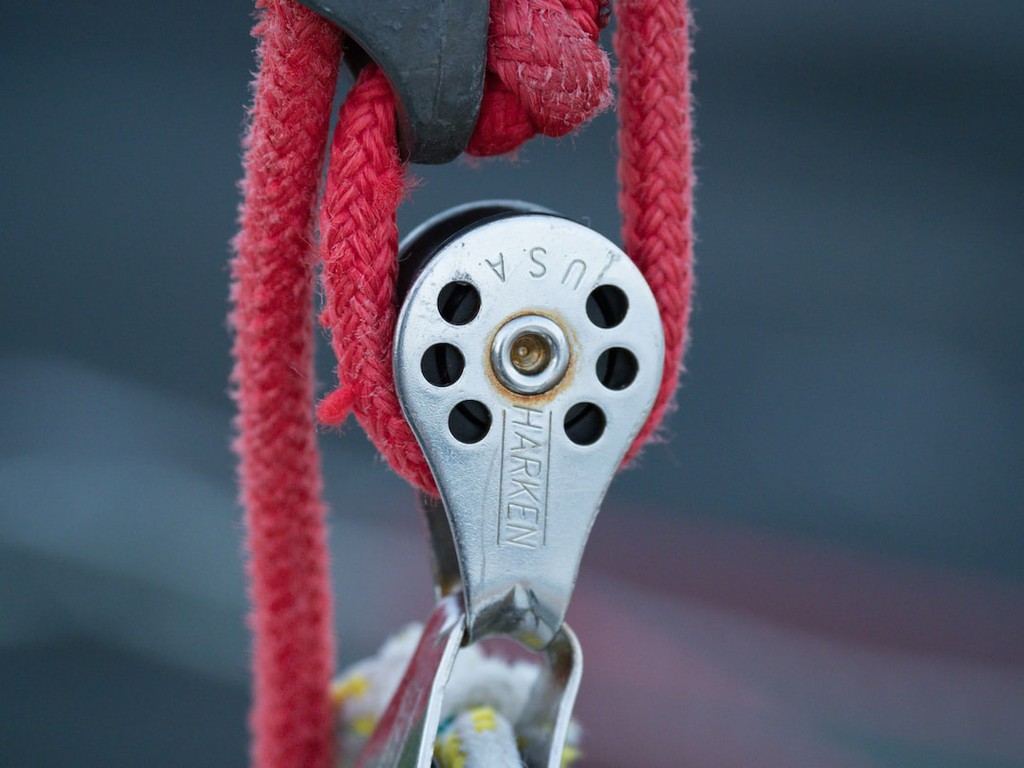
All workers performing hoisting and rigging activities must be thoroughly trained in safety and operating procedures.
Read the full article: Seven Most Common Mistakes That Lead to Rigging Accidents on Construction Sites
▸ https://t.co/u2VQjsigxr
#RiggingHardware#WireRope
Daily inspection usually includes a hands-on visual inspection to identify potential defects, damages, or deformities in the rigging equipment and its components.
Read more 👉 https://t.co/PsL71VTgHP
#riggingequipment#WireRope
Rigging hardware comes in many capacities and weight limits to meet the needs of loads that come in different shapes, weights, and sizes.
Read the full article: 8 Most Common Rigging Mistakes
▸ https://t.co/GrxqQI6Pyo
#riggingequipment#RiggingAccidents
It takes knowledge and experience to ensure safe practices are followed when using rigging equipment.
Read the full article: Seven Most Common Mistakes That Lead to Rigging Accidents on Construction Sites
▸ https://t.co/KnitOk1YBd
#RiggingHardware#WireRope
Before every job, you’re going to have to inspect your gear, crane, fall protection equipment, hardware, and surroundings.
Read the full article: Three Most Useful Skills Learned in Rigging and Lifting Training
▸ https://t.co/497NTlIhGb
#FallProtectionEquipment
This inspection is a recommended industry practice, where the rigging hardware is inspected upon receiving from the supplier or manufacturer.
Read more 👉 https://t.co/2k045IYBE5
#riggingequipment#WireRope
Rigging hardware should typically have detailed identification tags that display load limits and other information in detail.
Read more 👉 https://t.co/8Y8I6XdO4C
#riggingequipment#RiggingAccidents