The Top50 D1 teams report playing qualifying from an average distance of 7,072 with a course rating of 74.
On average, they play 4 rounds of qualifying, and the winner of qualifying averages 67.2, while the 5th player usually has an average of 71.3
One of the biggest mistakes parents and players make, at any level, is thinking the answer is more.
A new drill. A new green reading method. A new training aid. A new club. A new voice.
They believe something new will magically transform the game.
Usually, it doesn’t. What matters is belief, a growth mindset, hard work, getting a little better every day. On the most important skills. The basics.
The best players and parents simplify.
Especially with younger players, too much technical instruction and too many voices in the mix is a recipe for disaster.
Let them have fun.
Let them explore.
Let them take ownership.
Let them fail.
Let them learn.
They need to be grounded in fundamentals, not overwhelmed by noise.
Female amateurs looking for an event later this month?
Registration is still open for the Golfweek Hoosier Amateur! WAGR points awarded. July 29-31 at the Pfau Course at Indiana University https://t.co/6Nf7DbPXgn
Four eagles in 36 holes 😳
@tillieclaggett leads by six shots heading into the final round of the PGA Women’s Championship of Canada presented by @pingcanada
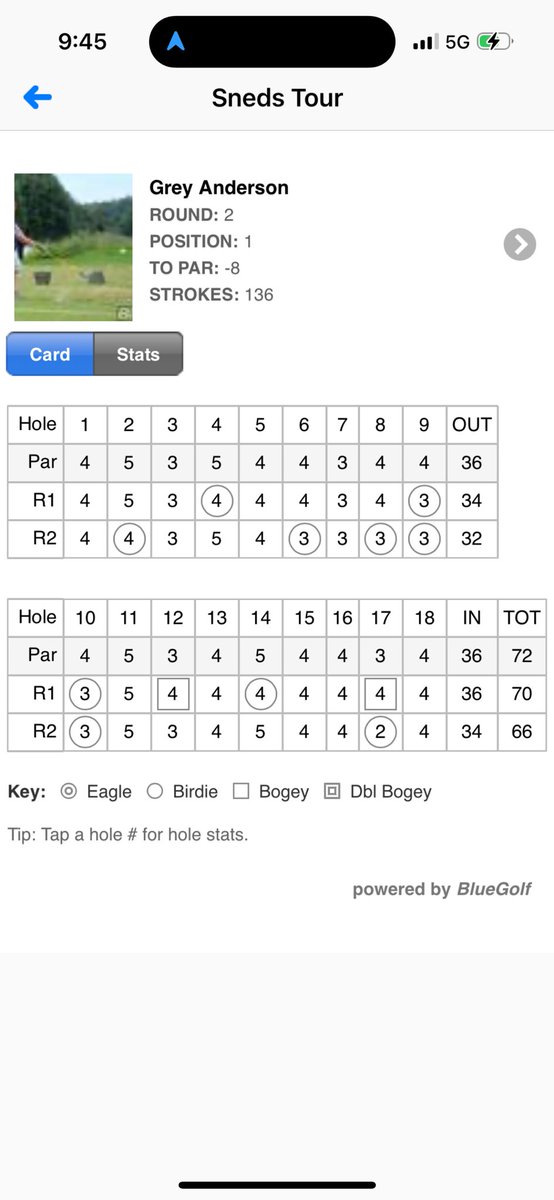
@volgolfdad@bradrosegolf@AJGAGolf@tgfjuniorgolf You still have to have stars to get into out of state qualifiers. Also the cost. Sneds Elite 2day event $200, AJGA Q + travel cost and parents time off work adds up. The cost to travel for good events keeps going up.
@bradrosegolf@AJGAGolf@tgfjuniorgolf Many do. Most choose to play in-state. I push my kids to play everywhere. Right now TN Jr Cup is a big carrot for TN kids. It gets you recognized locally but not on the big stage.