@StanfordEd expert reframes the classroom screen time debate. Education scholar Hari Subramonyam encourages a closer look at how students use devices, not just how much time they spend on them.
https://t.co/vtThbwqRGp
@StanfordDoerr research shows that a dune’s grain size reflects the speed of the winds that built it. The discovery could help scientists read climates across the solar system.
https://t.co/711YFAbPKJ
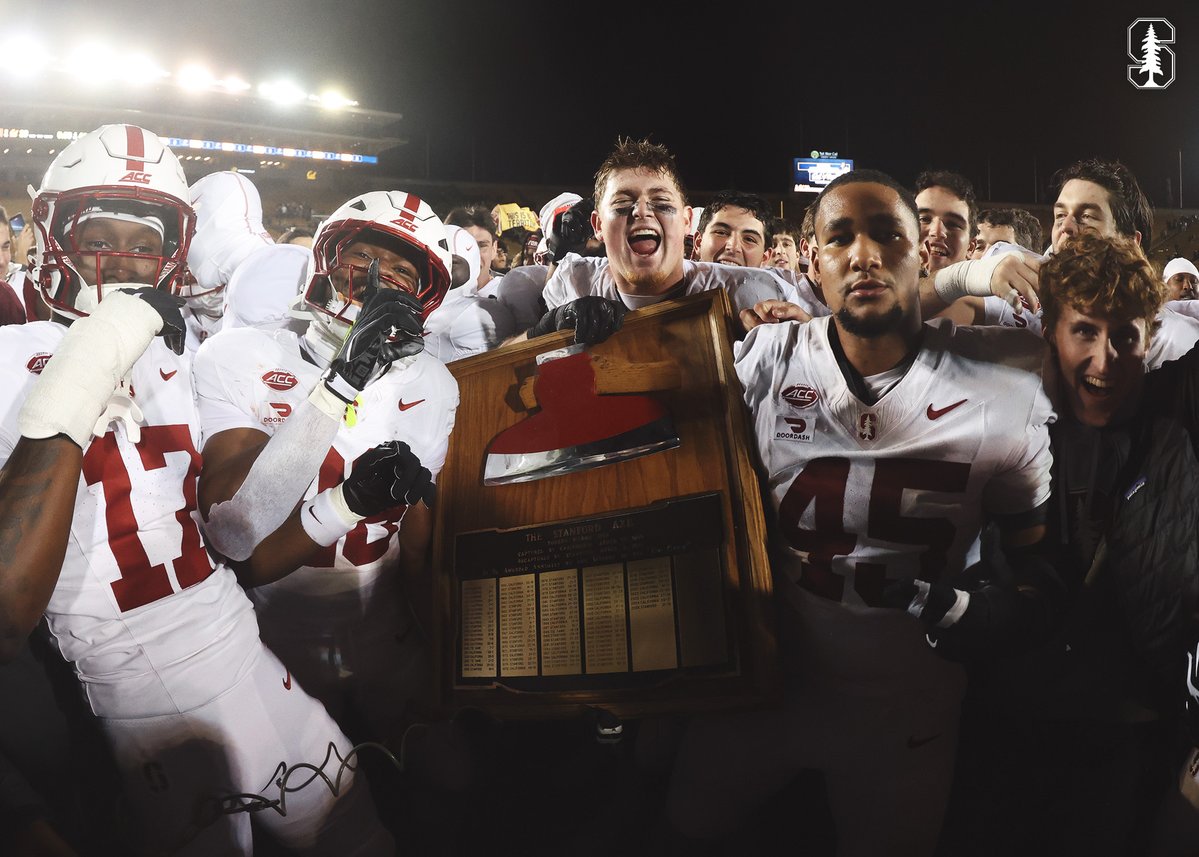
Ahead of Saturday’s 129th Big Game, take a look back at the early years of one of the nation’s oldest college football rivalries through photos of its players, fans, fields, and more.
https://t.co/2vnsvvK0hB
Exercise can ease fatigue and may improve survival. @StanfordMed experts explain the evidence and how patients can safely add movement to their care.
https://t.co/5gsMIRk3jP
Couples with repeated pregnancy losses often never learn why. New @StanfordMed research points to possible genetic explanations, mostly inherited, in some families.
https://t.co/ntaLNc1oQ5
New research from Stanford and Renmin University of China helps resolve a longstanding question over how much the one-child policy lowered China’s fertility rate.
https://t.co/zIdjB39shn
What families should know about postpartum psychosis? @StanfordMed psychiatrist Mariella Suleiman explains the red flags, how it differs from postpartum depression, and why fast treatment matters.
https://t.co/8ceLVxQUck
Induction avoids gas-burner combustion pollutants, yet only about 3% of U.S. households use it. At a Stanford-co-hosted summit, experts highlighted trusted messengers and incentives to help households switch.
https://t.co/xzaro0irkX
@StanfordGSB Professor Huggy Rao analyzes how conspiracy theories spread online and explains how policymakers and corporate leaders can respond.
https://t.co/XtRaG0vp9h
A new @StanfordEd study finds that most districts have not yet adjusted to enrollment losses since the pandemic, leaving smaller schools, more teachers per student, and ongoing budgetary pressures.
https://t.co/sUngaODCsZ
What makes ‘super shoes’ so fast? @StanfordEng student Jeremy McCulloch studies the foam inside the racing shoes that are helping runners set new world records at nearly every distance.
https://t.co/gpZUhsbxwX
Brain activity may predict Alzheimer’s before memory loss. A new brain activity score could help identify people at risk for cognitive decline, potentially opening a window for earlier intervention.
https://t.co/0aRkm4NhK3
Three brain biotypes found in kids with ADHD, anxiety: A @StanfordMed-led study offers a foundation for future research on underlying biology and treatment approaches for the common, overlapping childhood conditions.
https://t.co/rKIhVU4AZe
A new @StanfordEd study finds that most districts have not yet adjusted to enrollment losses since the pandemic, leaving smaller schools, more teachers per student, and ongoing budgetary pressures.
https://t.co/0H6LAdq16V
Induction avoids gas-burner combustion pollutants, yet only about 3% of U.S. households use it. At a Stanford-co-hosted summit, experts highlighted trusted messengers and incentives to help households switch.
https://t.co/vlOO7COCS8
What families should know about postpartum psychosis: @StanfordMed psychiatrist Mariella Suleiman explains the warning signs, how the condition differs from postpartum depression, and why fast treatment matters.
https://t.co/xzaro0irkX
A @StanfordMed-led study finds more youth are getting hurt on electric bikes and scooters – and their injuries are more likely to be severe than those from nonmotorized vehicles.
https://t.co/PNBDVb6qvS
Do school phone bans make a difference? A national study found benefits from school phone bans, but no simple fix. @StanfordHumSci researchers and collaborators explain how educators shaped the research – and what questions remain.
https://t.co/5neMU4cquB