STCV is an OA database collecting bibliographical descriptions of #earlymodern books printed in Flanders|Service of @erfgoedbibs|Tweets by @wyffelsheleen & team
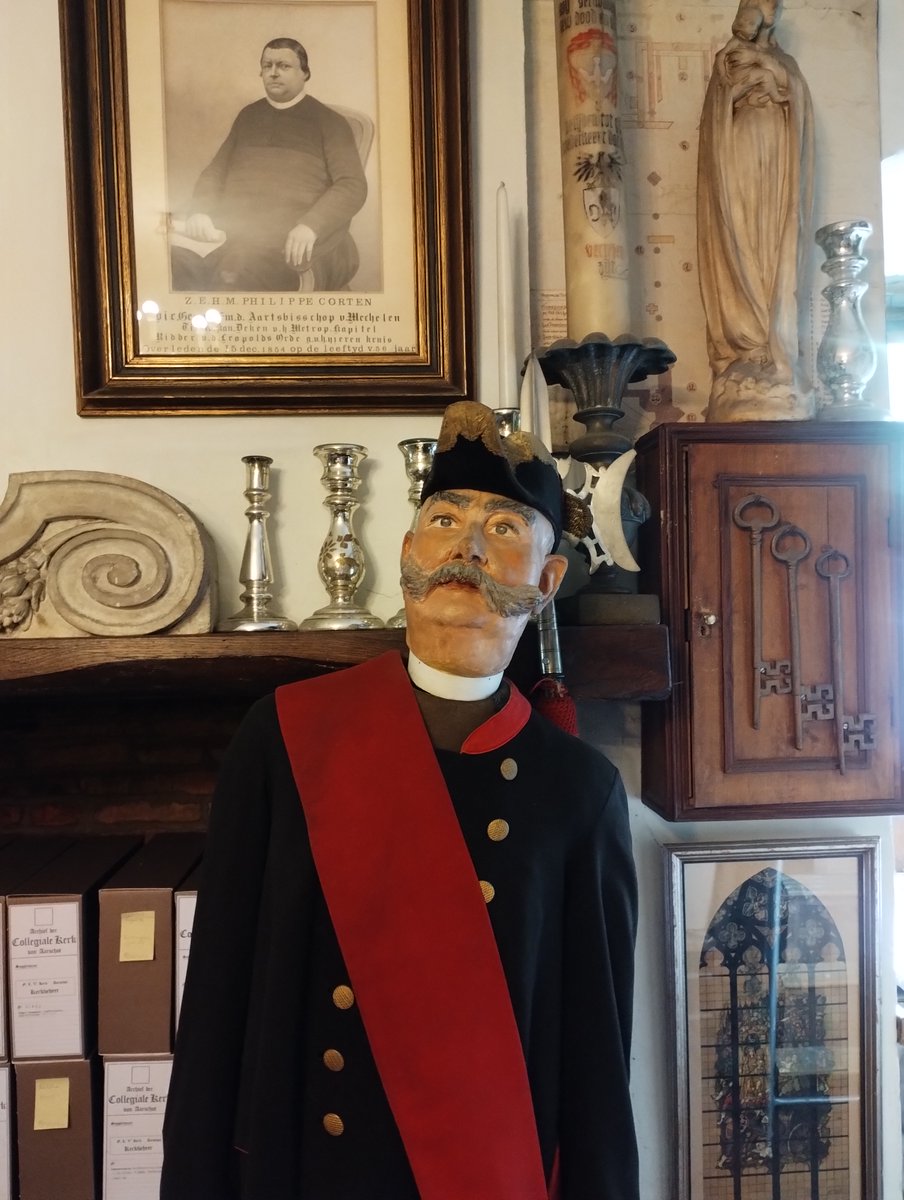
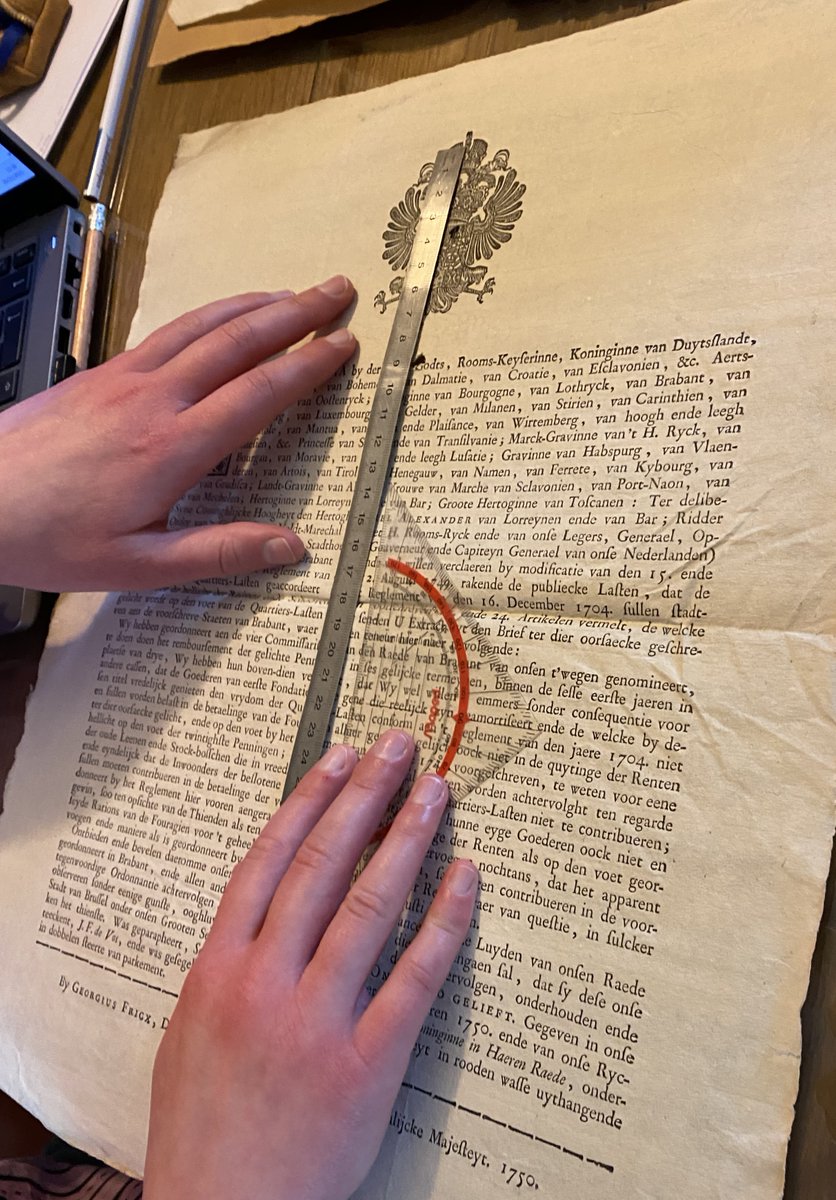
STCV cataloguers often find themselves in fascinating places such as the Church-of-Our-Lady in Aarschot, where we work under the watchful eye of this friendly guard. At the moment, we are cataloguing a set of 18th-c ordinances about topics such as natural disasters & deserters
When you want to cite someone but also make clear that they are absolutely wrong. This book by Jean Hessels (1522-66), theology professor at Leuven university, puts the words of heretics between [brackets] to avoid confusion. Or, how typography helps save your soul!
Which rare book would you ask to be your Valentine? To start off celebrations for STCV's 25th anniversary, we want to highlight your favourite rare books printed in Flanders. Want to share your love story? Click on the link to send us your favourite https://t.co/aiZJVE6jIF
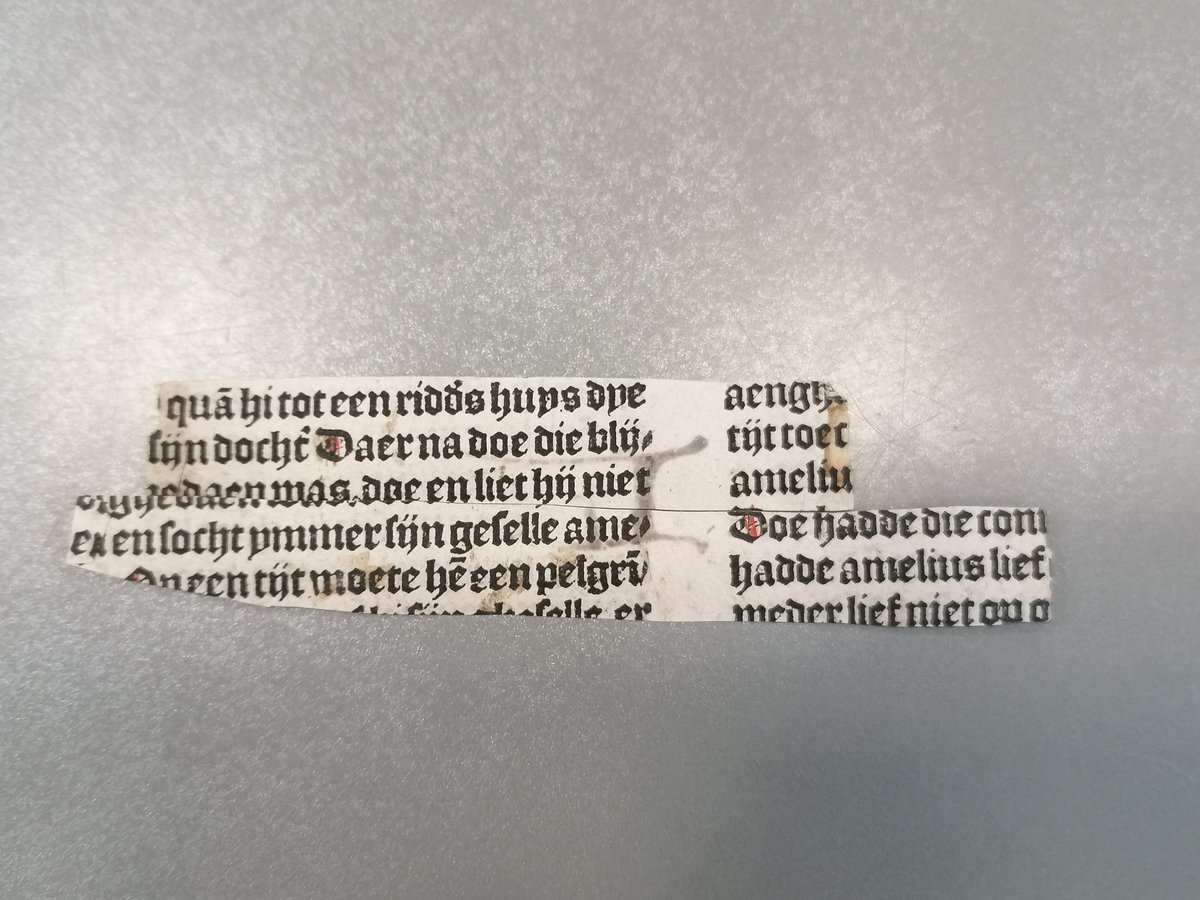
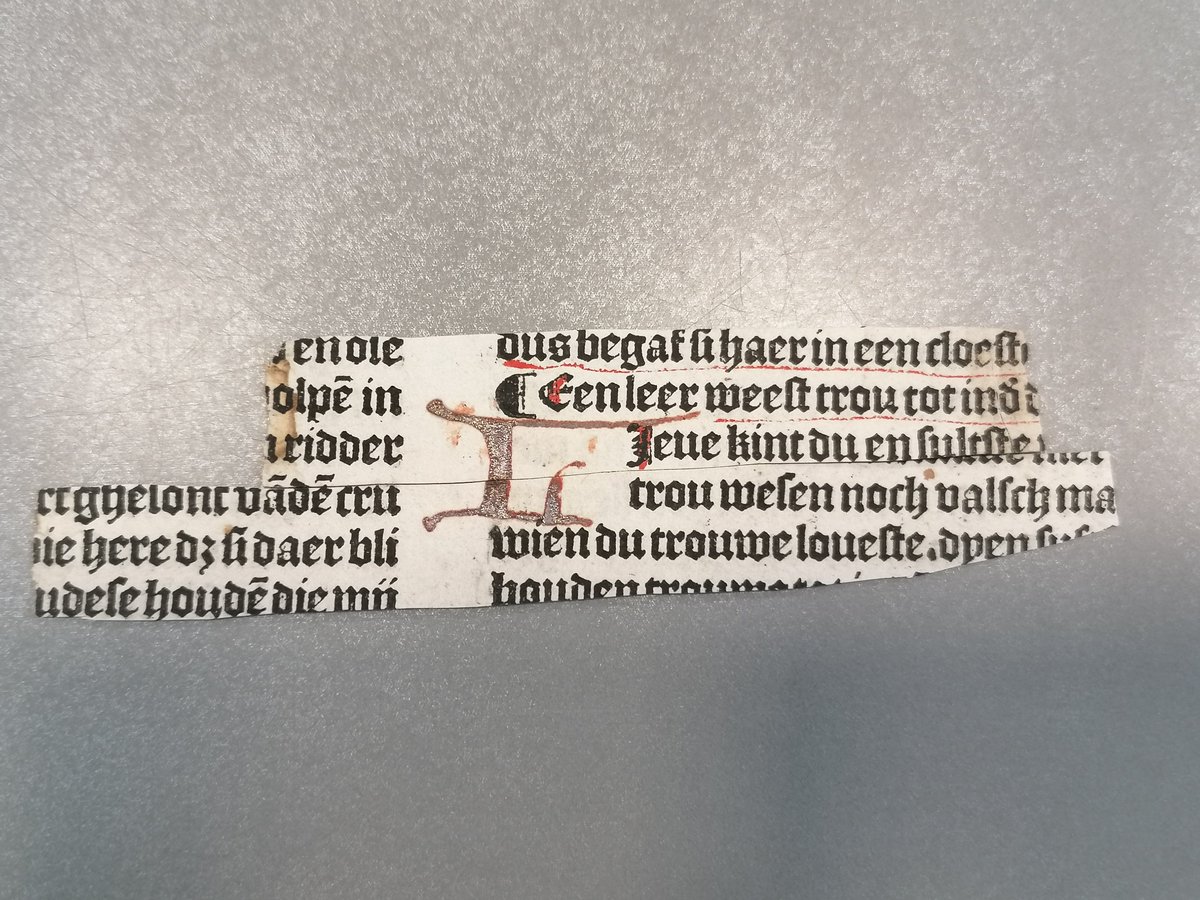
An unexpected stowaway found in an illuminated legder from the archives of the abbey of Maagendaal (Oplinter): two snippets from an incunable or post-incunable edition of 'Der sielen troest', with the Middle Dutch version of the bestseller Amicus et Amelius. #fragmentology
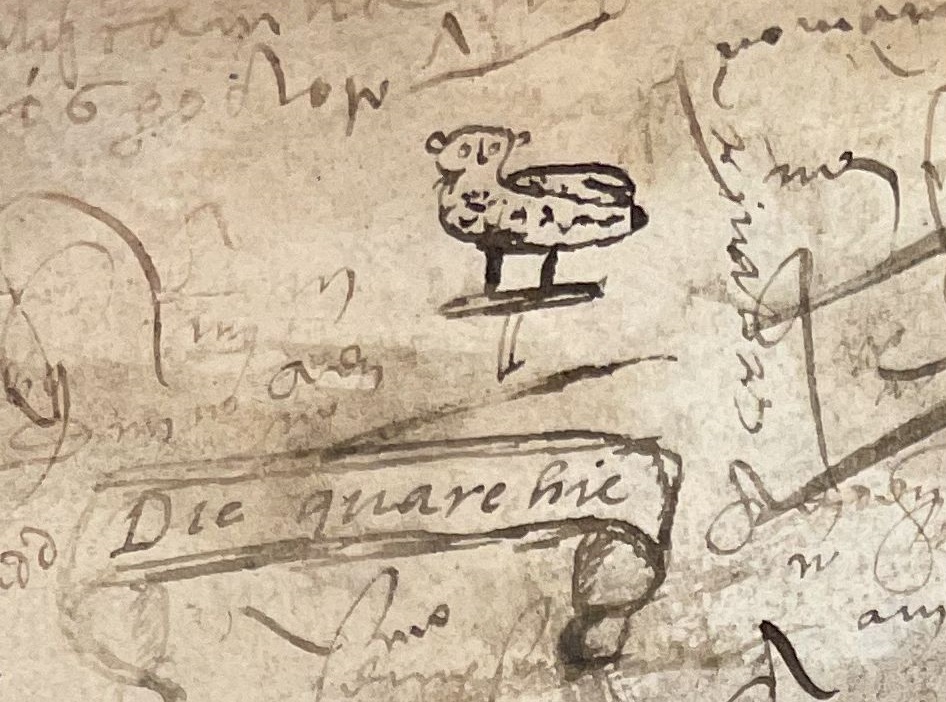
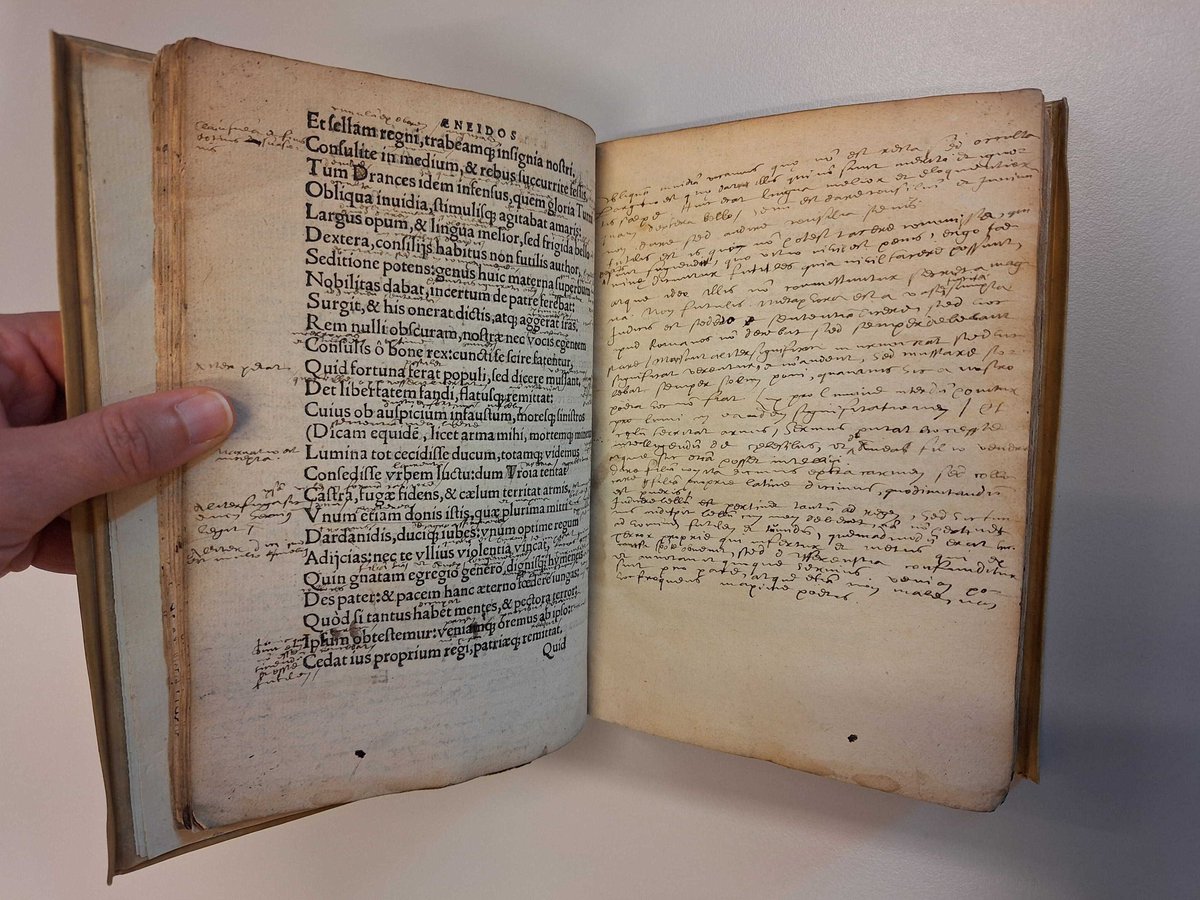
The beginning of autumn has called students back to their books. The owner of this 1568 edition of Virgil’s Georgics & Aeneid definitely took his studies seriously with notes in the margins & on extra blank leaves. But sometimes you need to let your artistic talent take the lead!
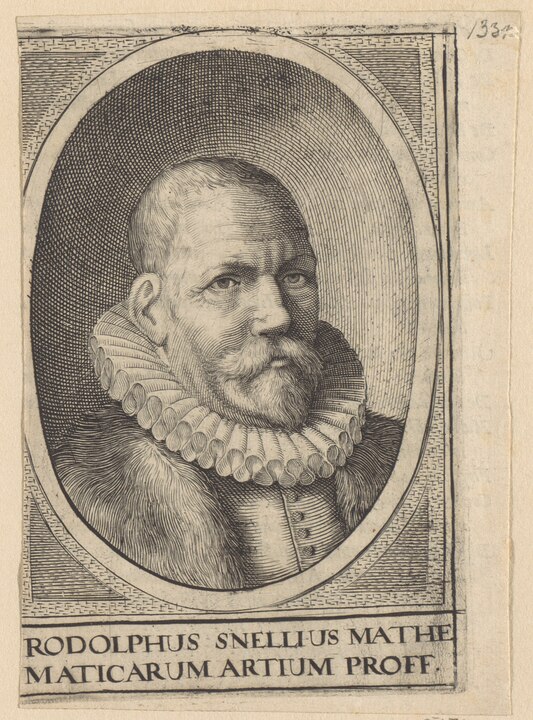
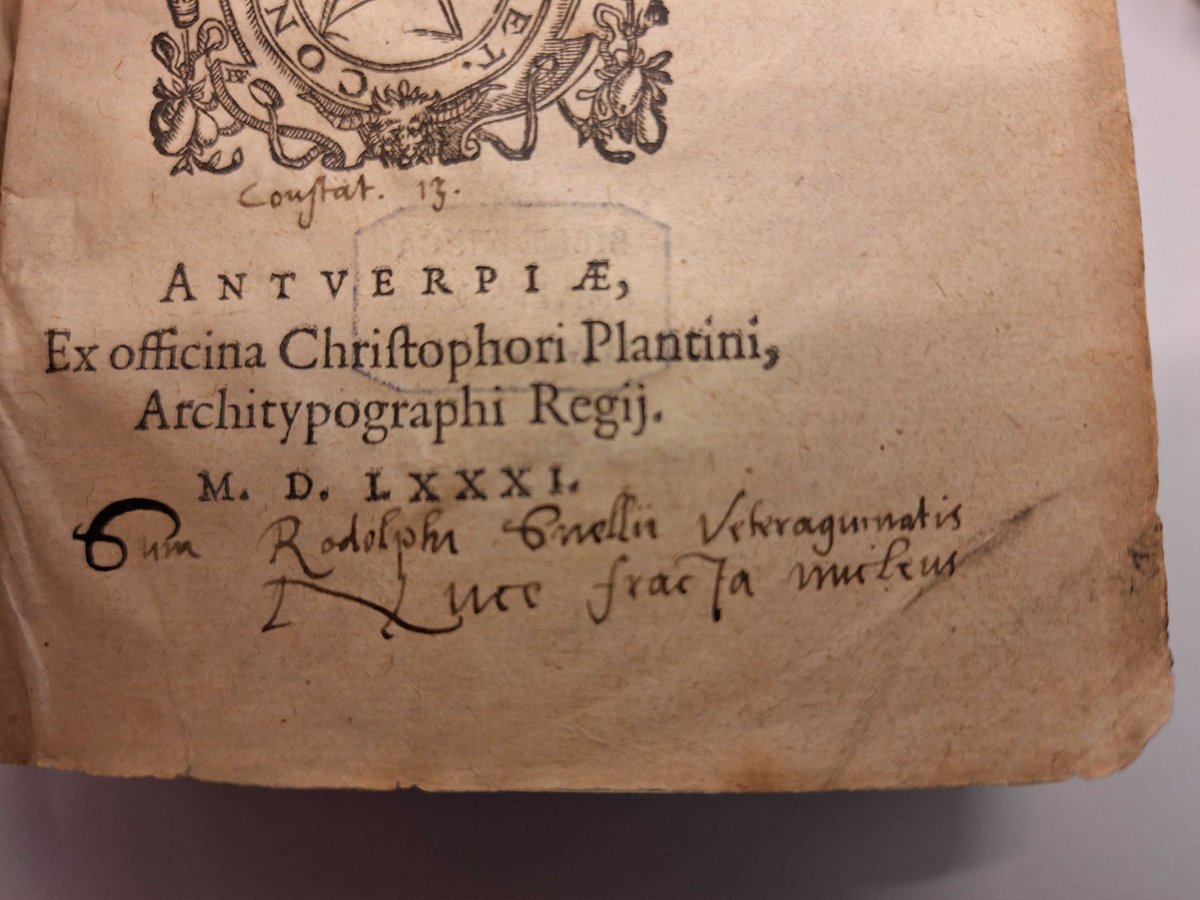
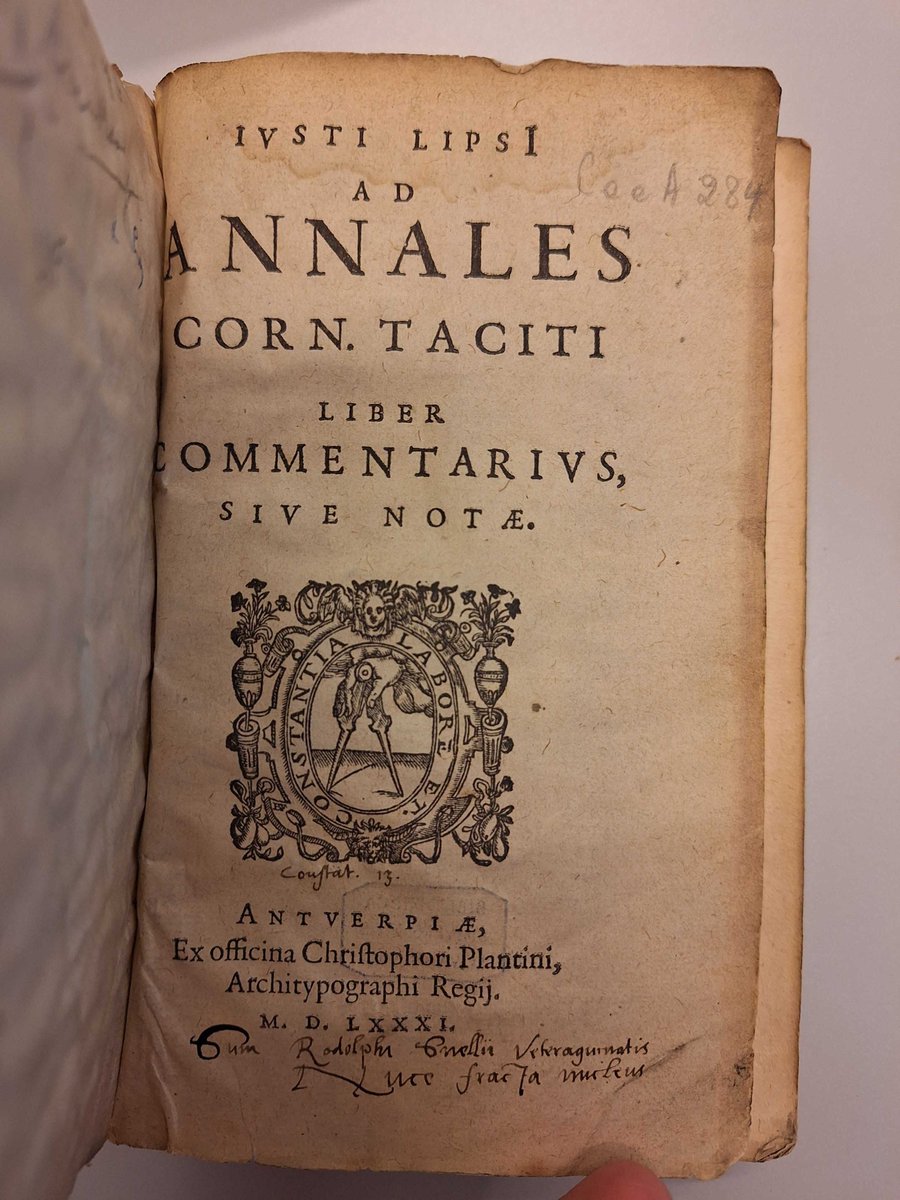
“I am Rudolphus Snellius” did he write confidently on the title page. Previous owners are sometimes hard to identify, but not Rudolph Snel van Royen. He was a Dutch linguist & mathematician at the University of Leiden. Amongst his pupils were Jacobus Arminius & Hugo Grotius
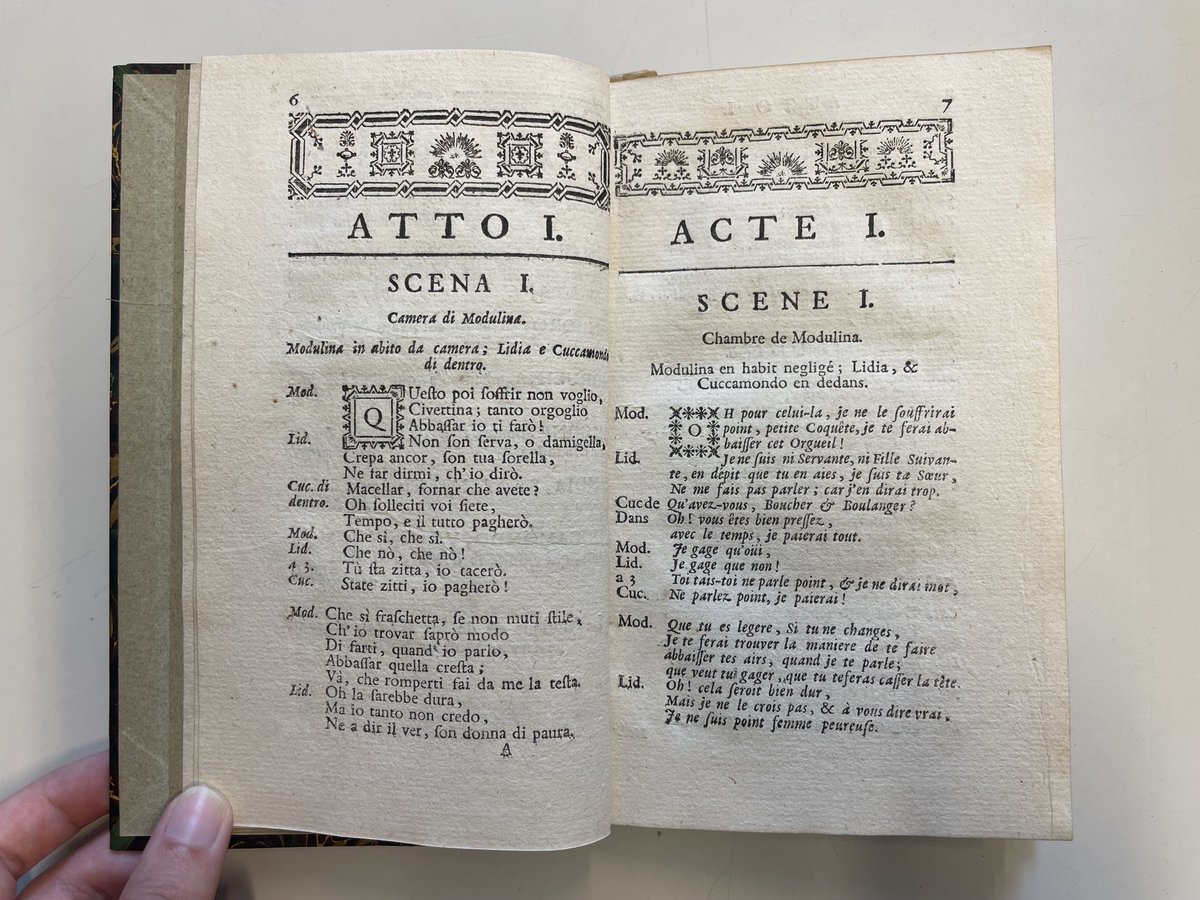
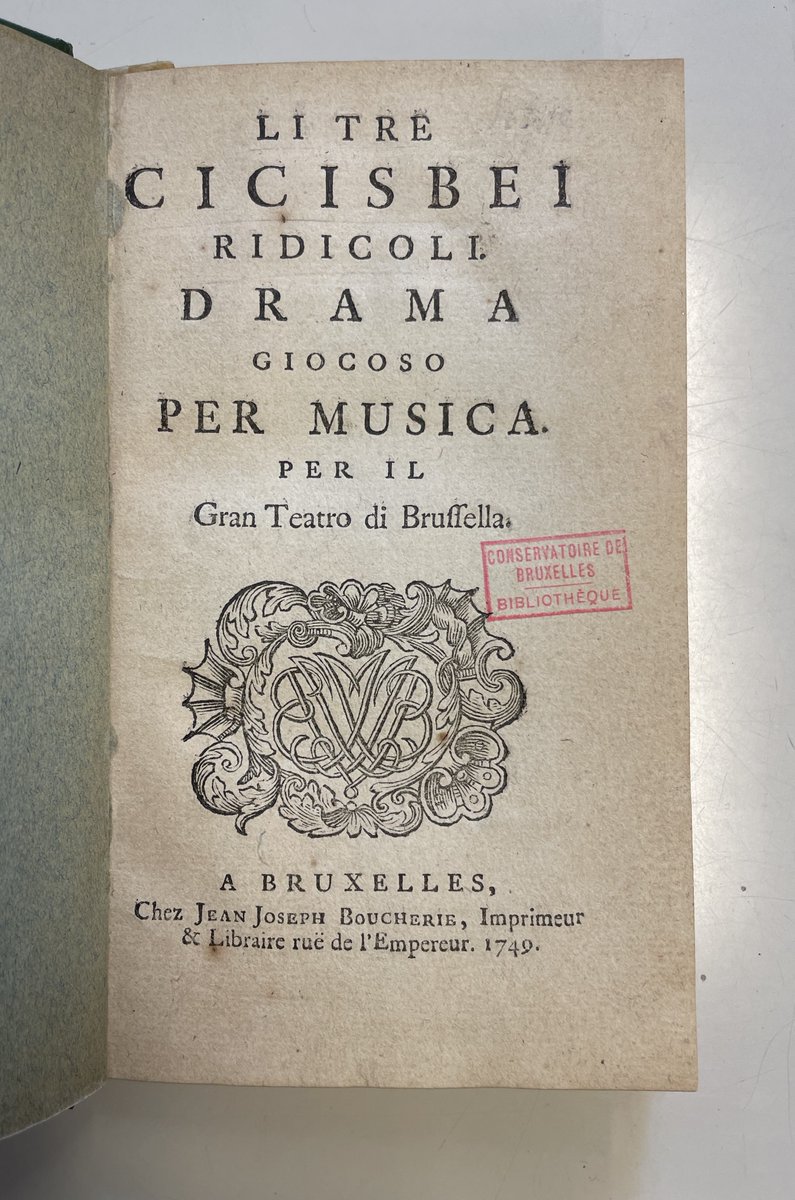
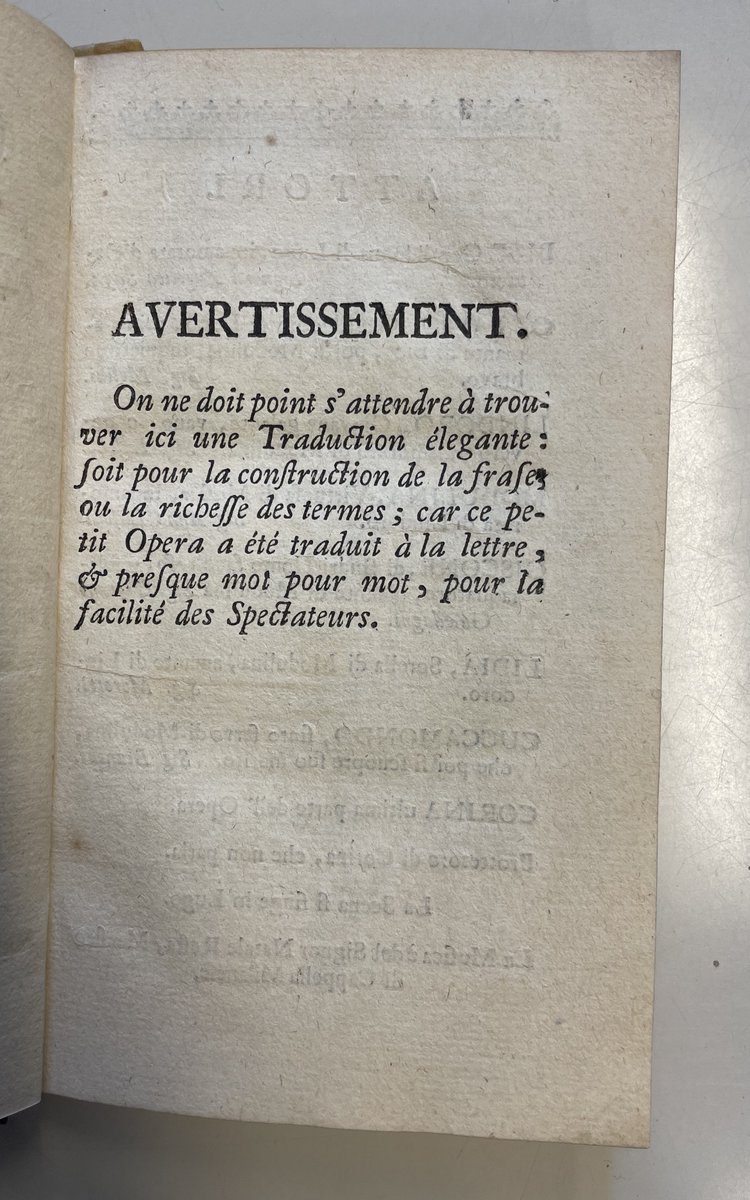
Have you ever brought your own subtitles to the theatre? With this playbook for Li tre cicisbei ridicoli the audience in Brussels could read the Italian & a French translation side by side. The introduction warns not to expect an elegant translation, as it is done word by word,/1
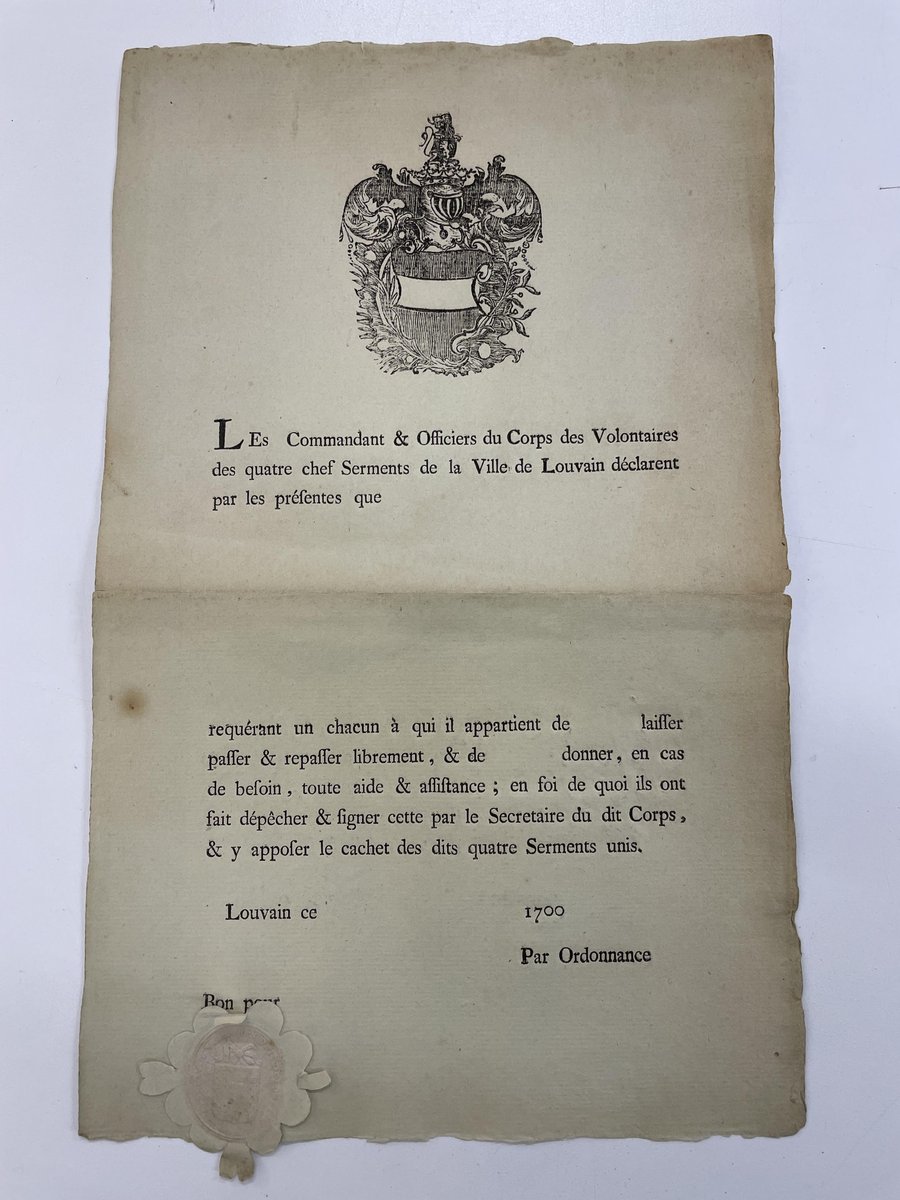
Are you travelling this summer? Don’t forget your passport! This printed form from 1700 -once filled out by the Louvain Volunteer Corps- granted its owner permission to travel freely. Whith seal of the Corps already attached, this copy is ready for use.
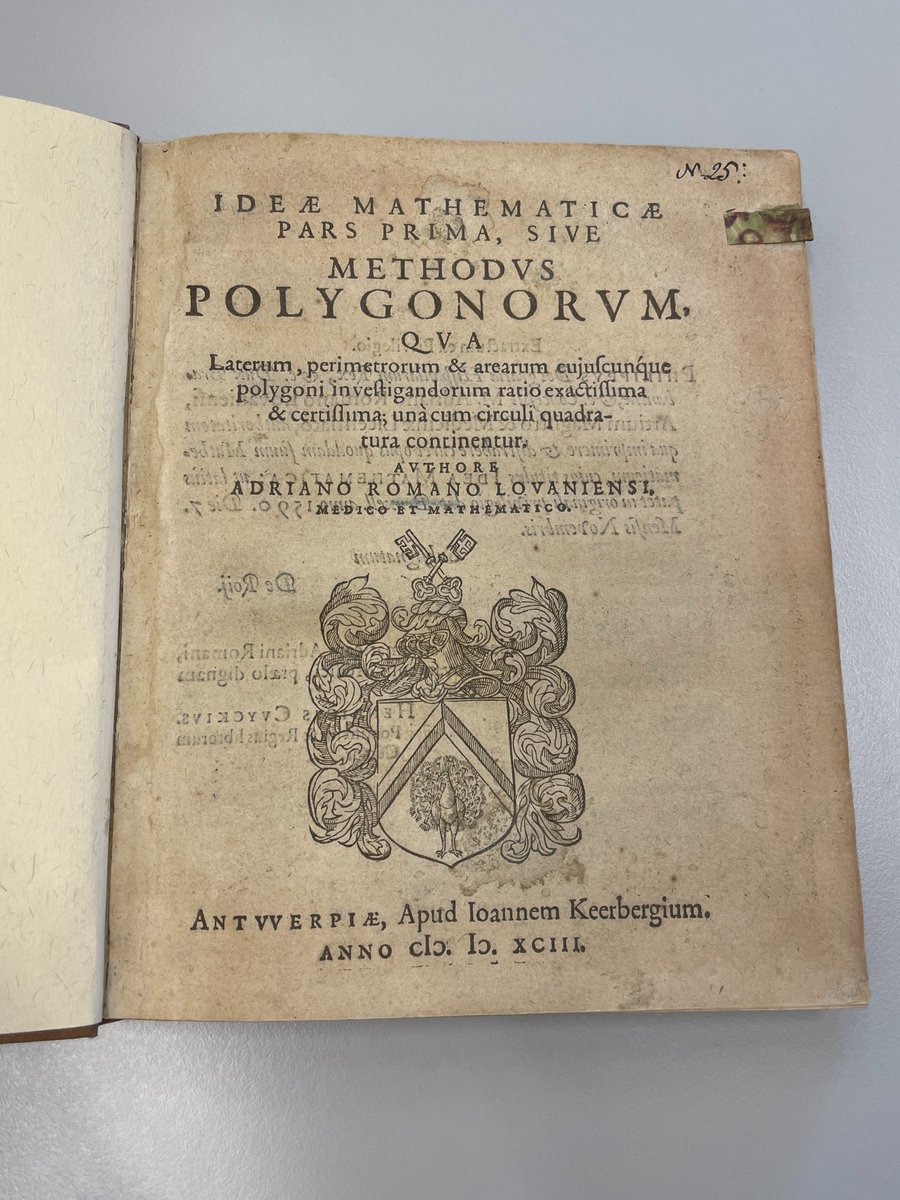
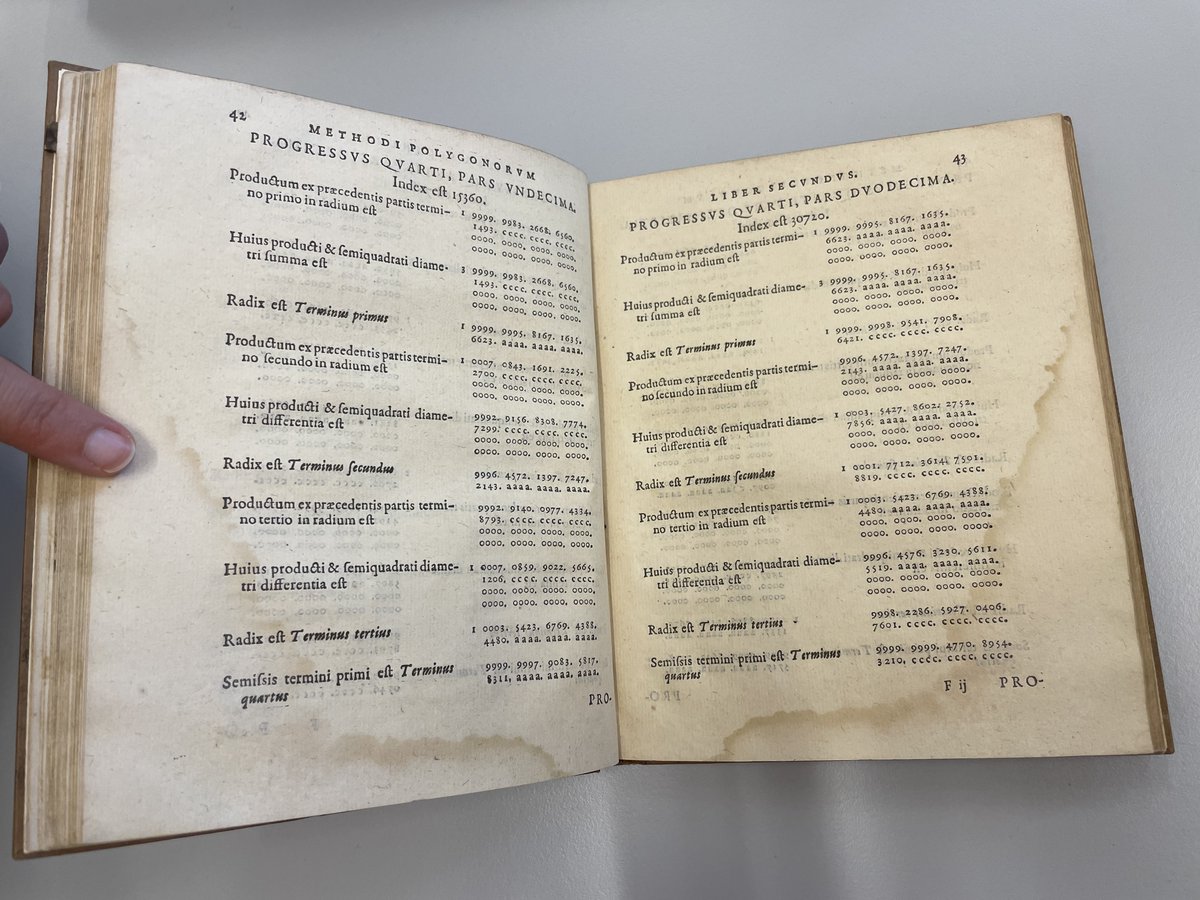
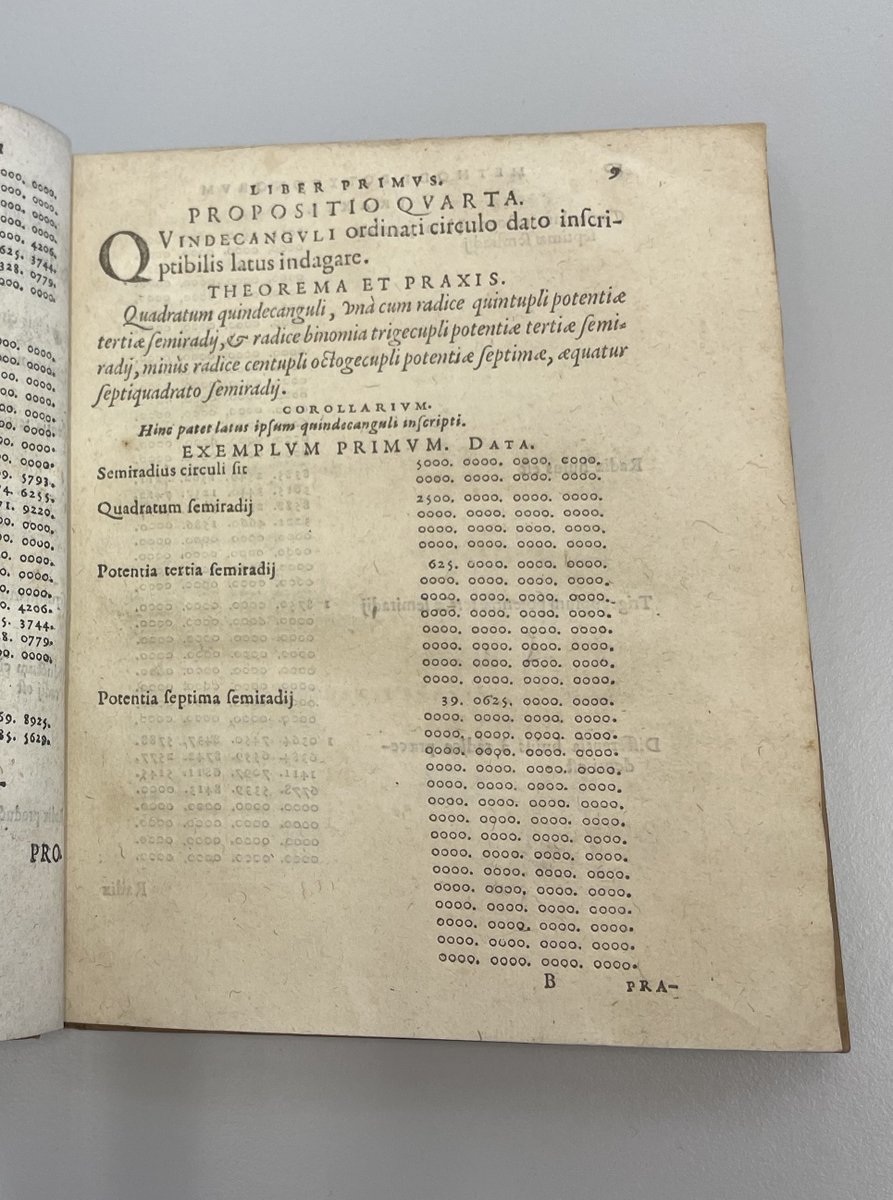
The Antwerp printer Jan van Keerberghen might have needed to buy some extra 0’s when he published the mathematician Adriaan van Roomen's 'Ideæ mathematicæ pars prima' (1593). It proposed calculations to determine the sides of regular polygons. That’s a lot of numbers to print! /1
Copy of @SpColl_KULeuven CaaA585 - STCV 12928306
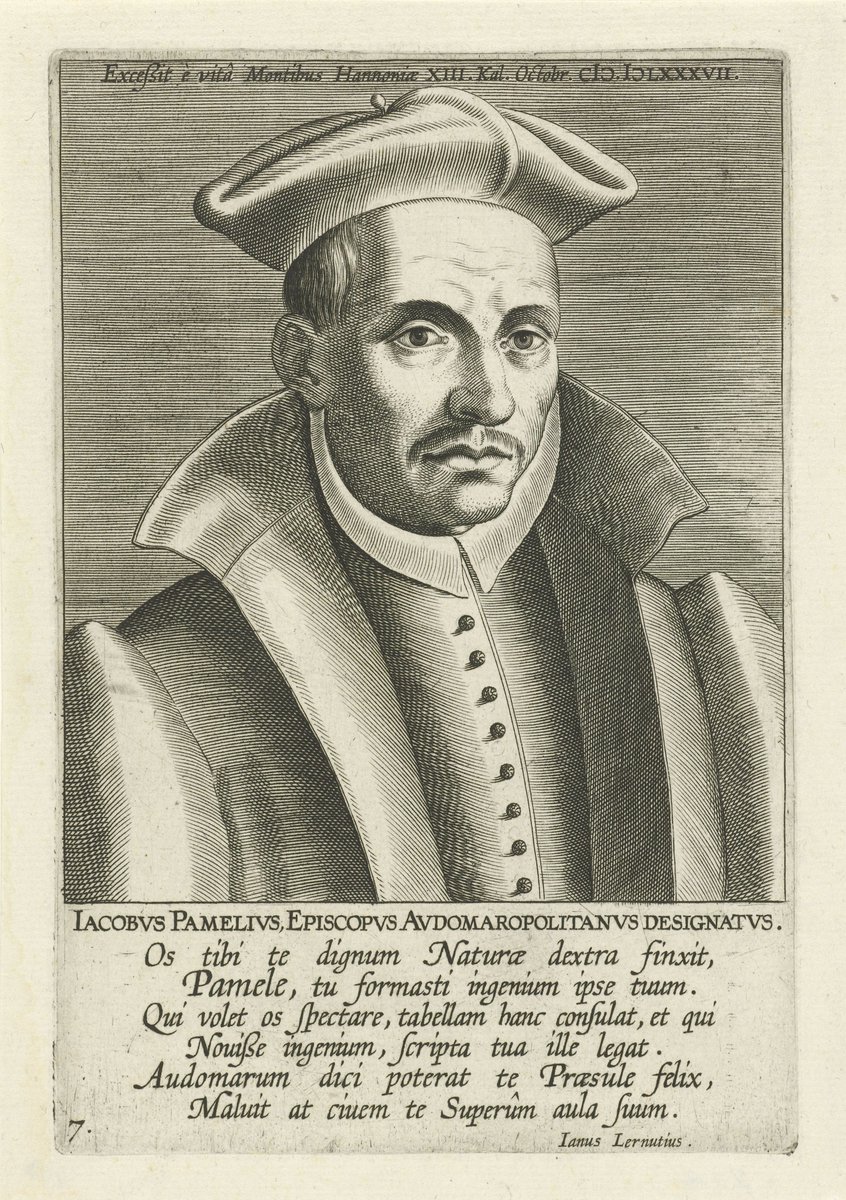
Portrait: Rijksmuseum RP-P-1912-735
And here is an example of an incunable receiving the same treatment: KU Leuven Libraries GBIB-P Inc GSM 29 - STCV 12928245 - https://t.co/4m2QQWk9gz
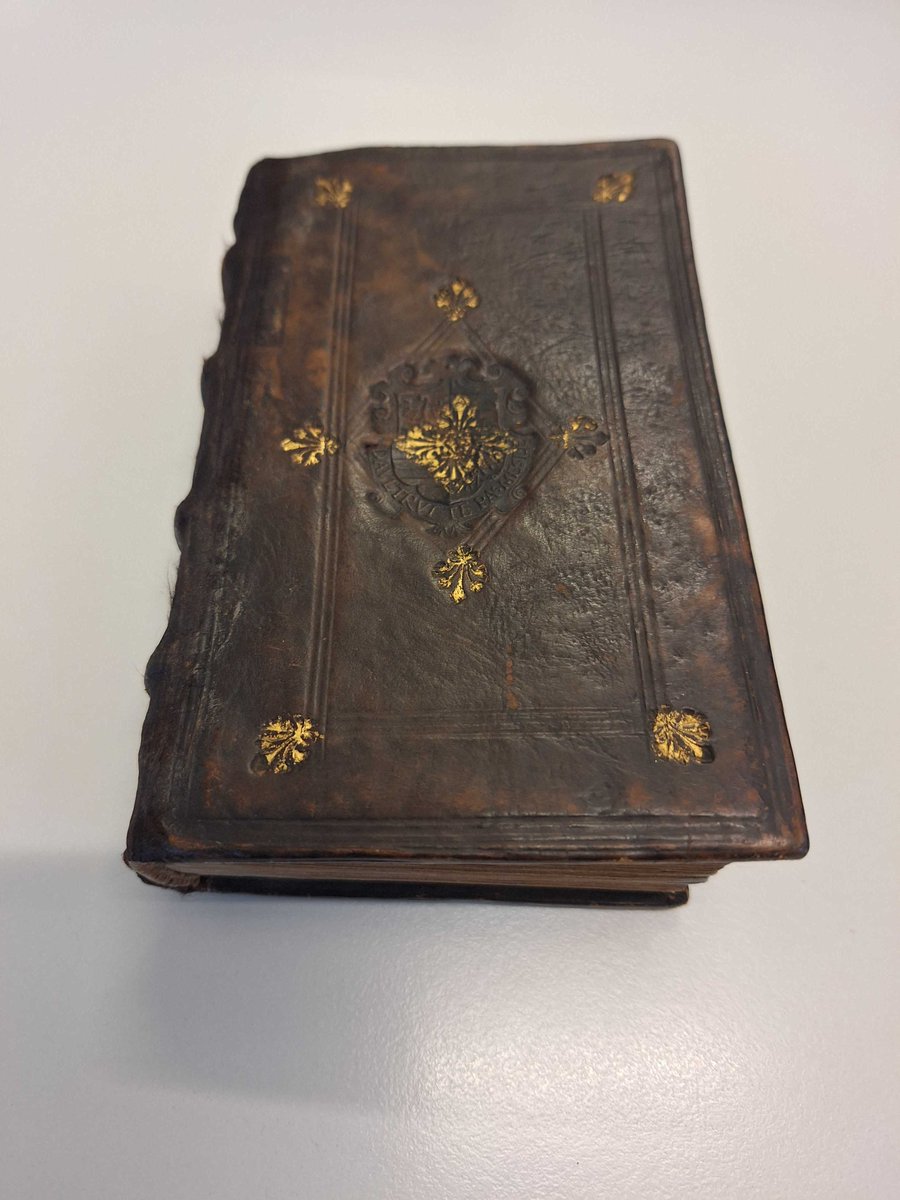
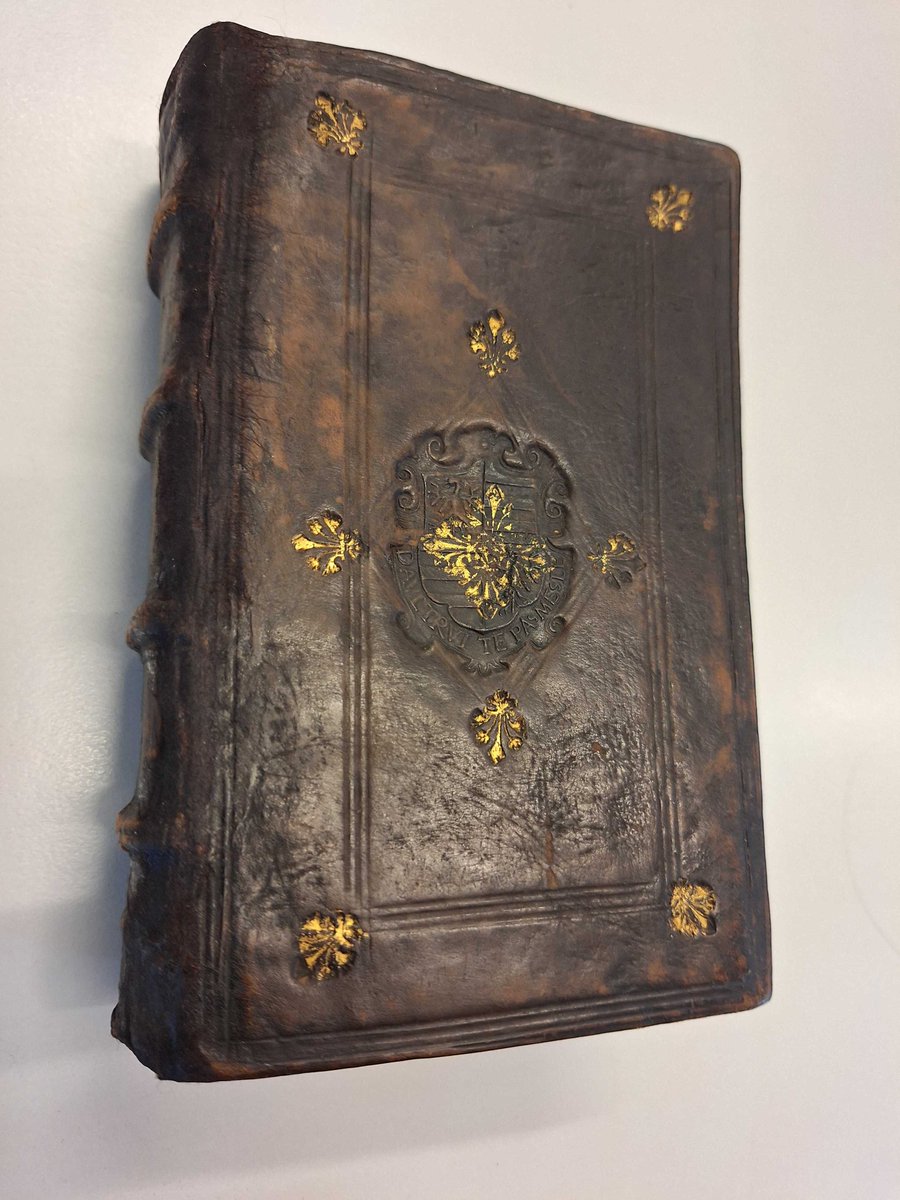
The placement of this supralibros feels off. Its owner Jacobus Pamelius, a 16th-century theologian, collected a large library but did not commission a new binding for each book. Instead, he had his coat of arms & motto ‘Davltrvi te pasmesle’ added to the existing binding.


![STCVbe's tweet photo. When you want to cite someone but also make clear that they are absolutely wrong. This book by Jean Hessels (1522-66), theology professor at Leuven university, puts the words of heretics between [brackets] to avoid confusion. Or, how typography helps save your soul! https://t.co/T5M5Aefgkn](https://pbs.twimg.com/media/Gl7TNPaXcAAaDKs.jpg)
![STCVbe's tweet photo. When you want to cite someone but also make clear that they are absolutely wrong. This book by Jean Hessels (1522-66), theology professor at Leuven university, puts the words of heretics between [brackets] to avoid confusion. Or, how typography helps save your soul! https://t.co/T5M5Aefgkn](https://pbs.twimg.com/media/Gl7RendWMAAYfIh.jpg)



![STCVbe's tweet photo. When you want to cite someone but also make clear that they are absolutely wrong. This book by Jean Hessels (1522-66), theology professor at Leuven university, puts the words of heretics between [brackets] to avoid confusion. Or, how typography helps save your soul! https://t.co/T5M5Aefgkn](https://pbs.twimg.com/media/Gl7TXGKWgAEJPgC.jpg)