@NNUBonnie@AllOnMedicare#N660rn@mrwalt2011 M8 -Nursing Leaders use social media & twitter to remain aware of healthcare issues that impact population health & lobby for healthcare policy & regulations that further the efforts towards health equity. >3 Million US nurses united can = huge social impact.
#N660rn@mrwalt2011 M8 Health IT-The power of Twitter in healthcare https://t.co/8kCZ0pnwau Versel id's the reach of twitter, the # of people using twitter for health info & resources. Nurse leaders use twitter to reach more patients & network w/other HC Leaders & organizations.
@InHealthPolicy#N660rn@mrwalt2011 The power of twitter allows quick access to issues pertaining to health policy and legislation and allows Nurse leaders to lobby congressmen and US representatives to enact healthcare legislation that promotes population health and health equity.
@NLN@AmJNurs Diversity in healthcare is desperately needed to promote healthcare for all, across all cultures and and populations. Maybe we've come a long way. We still have a long way to go. Very proud of Mary Eliza Mahoney for her contributions to nursing. I hope she inspires many others.
@DoreenRudolph3 For the nation that spends more healthcare dollars than any other, the lack of health equity is appalling. When people have to struggle to find resources to afford the medicine to sustain the lives of their loved ones, esp. their children, is sad. @kathymb4 @pcjefa@mrwalt2011
#N660rn@mrwalt2011 @kathymb4 M6. Integrity, a leadership quality that enhances a leaders ability to influence others, the top thing that employees want from their leader. Integrity. See 6 other traits of highly effective leaders at https://t.co/g6c5t7QQ5R
#N660rn@mrwalt2011 @kathymb4 I follow another nurse leader that strongly impacts the transformation of the US healthcare system, Debbie Hatmaker, @ANANursingWorld, who works diligently to support healthcare policy & legislation in support of the US nurses and those we serve. M6
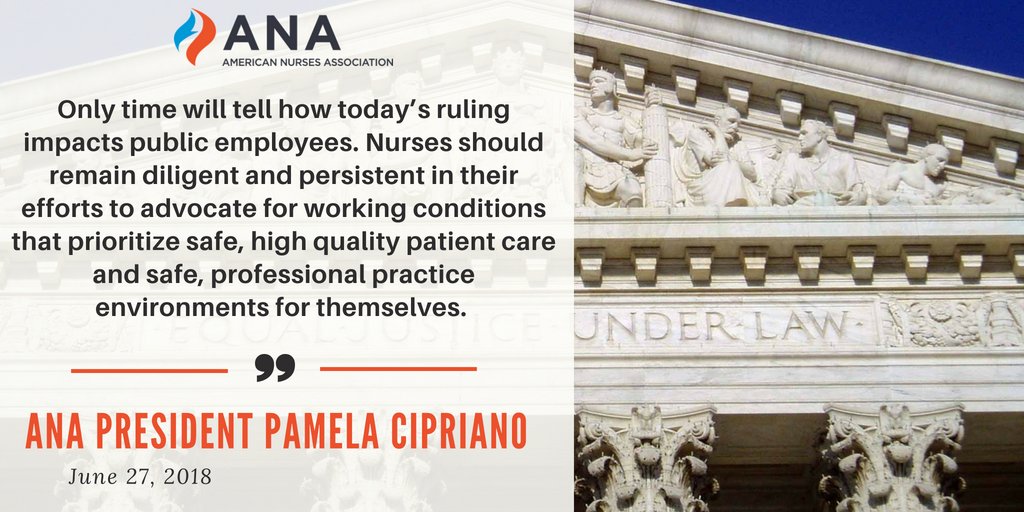
#N660rn@mrwalt2011 @kathymb4 M6: I continue to follow Pam Cipriano @ANAPresident as an nursing leader that strongly impacts the transformation of the US health care system, for her activism in addressing the authors of health policy in America and advocating for Nurses. #UACON
#N660rn@mrwalt2011 “When my wife told her grandfather that I graduated from nursing school, he just laughed. But I think there are more men who are less afraid to take on what have traditionally been considered feminine roles.”
M5 #N660rn@mrwalt2011 M5
‘Forget About the Stigma’: Male
Nurses Explain Why Nursing
Is a Job of the Future for Men
Photos/comment retrieved from https://t.co/A3UQfQaqQb
@mrwalt2011#N660rn “My mother’s a nurse, but for some reason it had never occurred to me to become a nurse until I had a conversation with another man, who used to be an E.M.T. but became a nurse, and something just clicked.” M5
#N660rn@mrwalt2011 In the IOM report on the future of nursing, there's a recommendation to increase diversity in the nursing profession. Diversity in the nursing profession is very relevant in providing care to a culturally diverse patient population. @DiversityNurse M5
@The_Good_John@pcjefa#N660rn@mrwalt2011 Great tweet John. Nursing involves a life long learning process to stay abreast of all the advances in evidenced based practices and healthcare technology. Life long learning is promoted in the IOM recommendations for the future of nursing.
#N660rn@mrwalt2011 NURS 660B @ the University of Arizona College of Nursing has been very instrumental in raising my awareness of the importance of health care coordination for the population with chronic illnesses like heart failure, COPD, Diabetes, & other chronic conditions
#N660rn@mrwalt2011 @kathymb4 There is increasing research evidence and scholarly literature demonstrating improved outcomes for patients & healthcare organizations through chronic illness care coordination programs. https://t.co/V02ibEBFv8
@PtPriorities@NotesOnNursing Nursing and healthcare professionals should always recognize and honor the patients personal values, perspectives, and preferences in healthcare. Integrating their priorities in the delivery of patient-centered care should be central to any care coordination program. #NURSrn
#N660rn Care coordination efforts are increasingly used to help reduce ED visits & hospital readmission, to improve patient experience & health-related quality of life, to improve population health, and to improve the experience of provision of healthcare services. @KathyMB4
@venture_health#NURS660rn Increasingly, the use of technology is being incorporated into healthcare coordination to reduce the cost of healthcare, to improve the quality of the patient experience, to improve population health, and to improve the experience for nurses and others providing care.