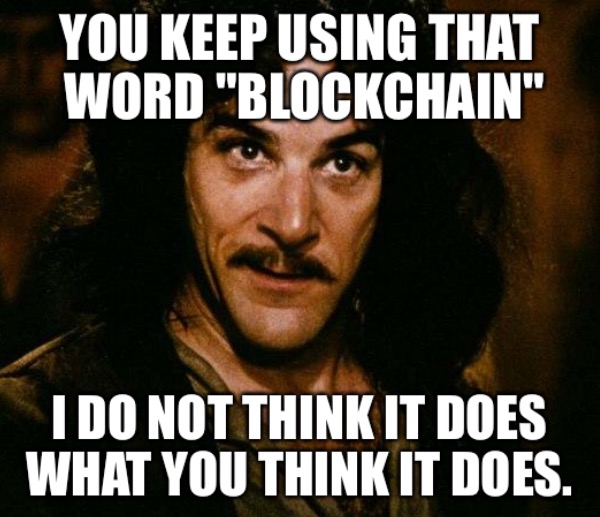
@stephendpalley And the way many people use the term "consensus" is not even wrong!
The "consensus" reached by a blockchain is very narrow; it's reached under special self-imposed constraints, and it's difficult to generalise beyond cryptocurrency.
@xchatty I don’t have strong opinion s about this yet, and the differences might not matter, but I think what you’re describing is more like counterfeiting than theft.
#DigitalIdentity#HotTake 1/6
There is no such thing as identity theft; there is only data theft. Data breaches do not represent an “identity” problem but a data quality problem.
More: https://t.co/0JJyam6o0T
We need specific facts and proofs, not open-ended identity.
Authenticity now is a far bigger issue than identity.
Let's broaden verifiable credentials to verify any important qualities of any digital thing.
More: https://t.co/ZWzO7yEbTp
#digitalIdentity#HotTake 6/6
The Internet is not missing an "identity layer” but an authenticity layer.
We rarely need to know who someone really is. Instead we usually need to verify some specific fact about them, disclosing as little identity as possible.
@kevinroose@scmallaby@CaseyNewton If Facebook is just a can that holds its members’ content, then it’s a magic can that opens itself, decides who’s hungry, and pours the contents down peoples’ throats.
@kevinroose@scmallaby Thanks for the digital addiction discussion.
Re Section 230, the old metaphor of “product” vs “can” is sooo wrong. Does anyone really think Facebook is just a passive container? It makes eye watering money through active brokering of who sees what.
@CaseyNewton#HardFork
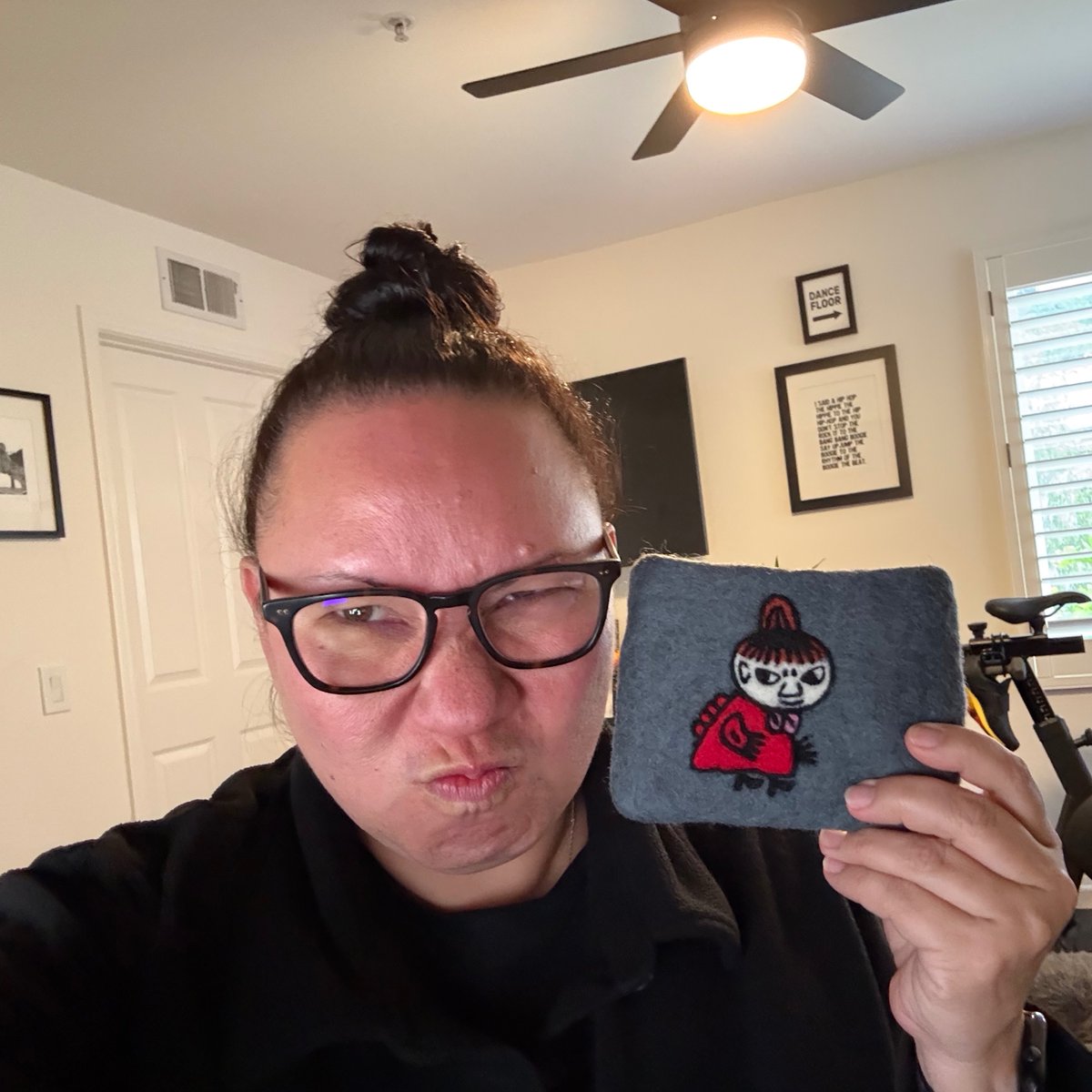
Little My is "determined and fiercely independent" from the Moomin books that I learned about thanks to my colleague @Steve_Lockstep. And yeah...there seems to be a "resemblance" I suppose?
Australians' use of verifiable credentials and digital wallets continues to climb, proving they are ready to #clicktopresent any digital ID. https://t.co/iIENlR2fZe.