Seriously, I’m flabbergasted at how horribly @JetBlue handled the bad weather on the east coast. Worst airline experience of my life. 12 hours of miscommunication. Never again.
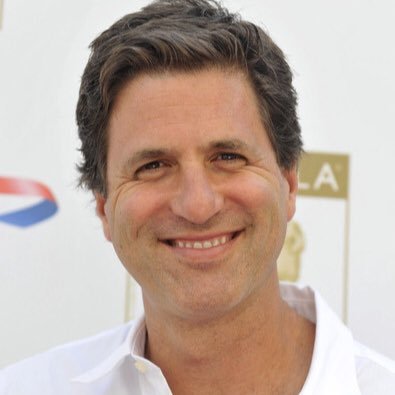
Steve Levitan is the creator of Modern Family, one of the most popular sitcoms in history, which won 22 Emmy Awards.
This conversation is all about how he wrote it. Highlights below:
1. Know the theme of what you’re writing, as it’ll give you a north star for every decision you make.
2. Better stories come from bigger conflicts, but bigger doesn’t mean screaming and explosions, but rather the high stakes that come from a conflict that’ll cost the characters emotionally if it isn’t resolved.
3. What kinds of conflicts work best? The stuff that never changes: love, loss, heartbreak… relationships between parents and kids, couples working through their problems.
4. The story is everything. Once you crack what’s actually going to happen, the script practically writes itself. That’s why there’s an old screenwriter saying that the first draft is 90% finished once you’re done with the outline.
5. Cut the half-jokes: A lukewarm joke kills momentum faster than no joke at all.
6. Be real. Take it down a notch. Steven gets annoyed by “big.” When things feel heightened to the point where they don’t feel human anymore, or when they’re performing on stage, to an audience, instead of just being real people.
7. Emotional moments must be earned. You want them to sneak up on you, to be understated.
8. Steven would spy on his family for TV gold. Sometimes, he’d be sitting at the table, take his phone out to frantically capture the dialogue. When friends came over, his kids would joke: “Be careful what you say around the Levitan house. It might end up on Modern Family."
9. A writer’s antenna needs to be up at all times. If you're observant, there's almost nowhere you can't go where you don't think: "That's funny."
10. Some questions for writers to ask themselves: Does it feel real? Are they talking the way people talk? Are you tapping into what you're thinking about today?
11. Conflict is everything, but how you do it matters. Don't just slap "these two hate each other" on your characters and call it conflict. Dig into who they actually are: what specific traits, backgrounds, or worldviews make them rub each other the wrong way? The clash has to come from something real.
12. Steven’s mantra for writing Modern Family episodes: Keep it moving, but don’t race through them (he thinks the episodes became too frenetic in the later years).
13. How was modern family written? About 7 writers. 8-10 weeks of story breaking at the beginning of a new season. Then the weekly cycle began: Mondays and Tuesdays were for rewrites, Wednesdays were for table reads, and then the final versions were due by Friday.
14. What happens before a show is launched? Writers spend weeks doing nothing but talking about characters and the dynamics between them, with the goal of establishing relationships that’ll play out over the course of hundreds of episodes (if things go well).
15. Give your characters a comedic lens to see the world through. On Modern Family, Phil is the Dad and he thinks he’s the “cool dad” with misguided confidence that he’s hipper than he really is, so the writers of the show knew how he’d react to things before they even wrote the scene.
I've shared the full conversation with Steve Levitan below, and if you want to watch it on YouTube or find the audio links for Apple or Spotify, check out the reply tweets.
Since he loves his name on everything so much, I hope all manufacturers clearly and accurately label any related price hikes they pass on to consumers as “Trump Tariffs.”
Want some writing help from a top pro? Plus, if you win, you’ll get to see how old he really looks because this picture is from a decade ago, minimum.
https://t.co/Y8EL7GN7bo