Earth-Human Systems Scientist at the Joint Global Change Research Institute @PNNLab and @CtrGlobSust. Canoeist. Singer. Comments are my own. He/him/his.
CEDS 0.5° global gridded emissions from 1750-2022 at 0.5° are now available on ESGF.
https://t.co/B1JBK2l0a4 for: mip_era = CMIP6Plus; institution_id = PNNL-JGCRI]
These correspond to the v2024_04_01 aggregate emissions data.
Checksum files and some global plots will be archived on zenodo. Links on our GitHub site shortly.
0.1° downscaled versions of this data from 1980 - 2022 should be available in about two weeks..
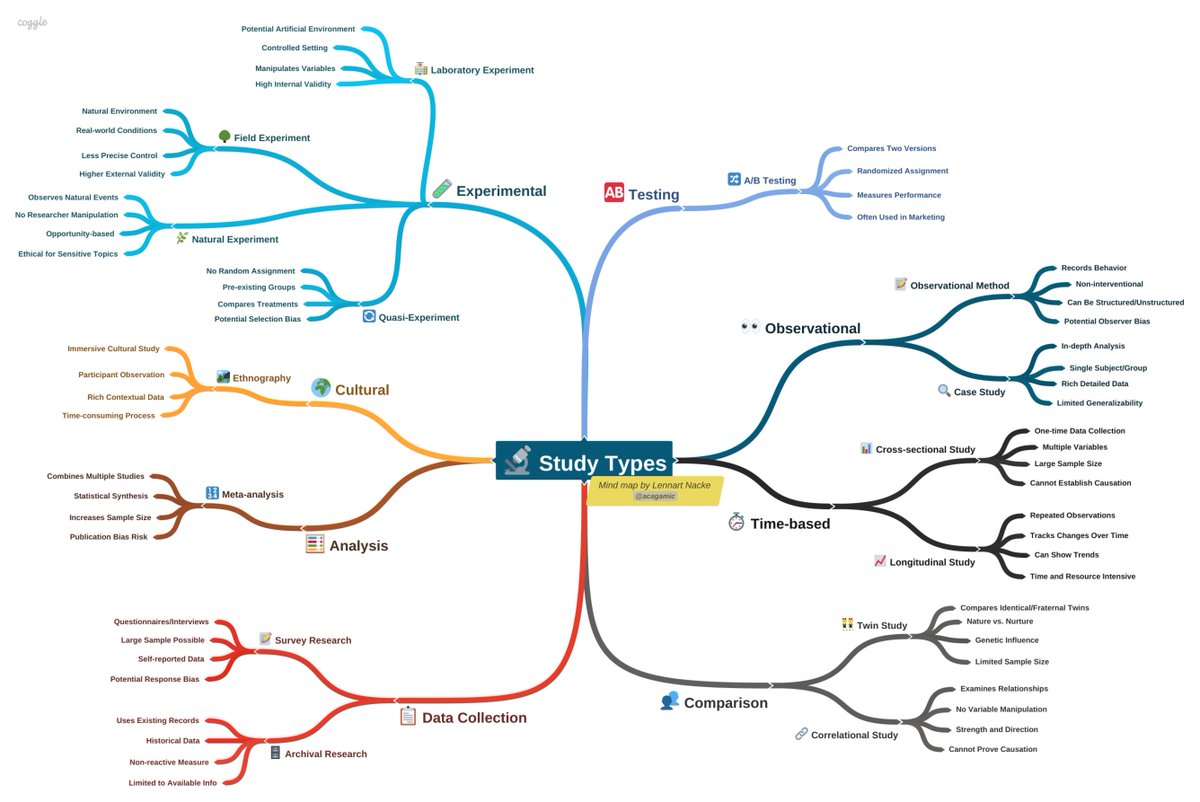
Why do 80% of researchers only use 20% of available study types?
The answer might reshape your entire research career.
13 study types every researcher should know:
New paper:
“Lessons for scaling direct air capture from the history of ammonia synthesis.”
Led by Cameron Roberts.
TLDR:
If high temperature DAC can grow like ammonia it can meet 2050 targets, but…
1/x
🌏How can China optimize its solar power potential?
A new study published in @ISES_Solar, co-authored by @CtrGlobSust@MengyeZhu, identifies major shortcomings in China’s PV solar farms, impacting the country’s solar energy potential. https://t.co/7aoY5ssQX9
@energysmartwv System doesn’t seem to be running that hard (most of the time I’m running two of the Indoor exchangers), and it works great. Humidity is under control (I was having mold problems before I installed it), and the house is comfortable without being overly cold.
@energysmartwv Interesting. an antidotal experience, I have a three zone mini split in my older (not particularly large) house in the Washington DC area (Fujitsu eqp). In the summer I run it in dry mode. When I am not home, I turn it off, so it’s running 10 to 12 hours a day.
Check out our new @CtrGlobSust study in @Nature_NPJ showing how expanded policies from federal & non-federal actors could help the U.S. achieve an ambitious 2035 climate target.
https://t.co/HUUXFzu7bz
@Peters_Glen@LeonSimons8 For future projections, there really is no reasonable way to interpolate overtime in the long-term other than linear interpretation. We are working on making sure that, for the next round, historical data is used for the latest year possible.
Released today 📣
A new @Climate_Policy study, led by @MengyeZhu, systematically reviewed and compared U.S. and China methane policies, pointing out global governance blindspots and the potential for U.S.–China methane collaboration: https://t.co/FkDvmu9ZQH
1/14
This is a pretty silly statement, and I am surprised that the World Bank doesn't understand why. The PPP adjustment is an attempt to make the economies of different countries more comparable by adjusting for difference in prices.
Recently published in REStud, ``Does Pricing Carbon Mitigate Climate Change? Firm-Level Evidence from the European Union Emissions Trading System,'' from @JonathanColmer, @mondpanther, @MirabelleMuuls, and Wagner:
https://t.co/za2Jmu1baf