Fall in love with some activity, and do it! Nobody ever figures out what life is all about, and it doesn't matter. Explore the world. Nearly everything is really interesting if you go into it deeply enough. Work as hard and as much as you want to on the things you like to do the best. Don't think about what you want to be, but what you want to do. Keep up some kind of a minimum with other things so that society doesn't stop you from doing anything at all.
Huge congratulations to Francis Halzen on the Nobel Prize, a landmark moment in astrophysics! 🏆
It was an honor for our Kaggle community to collaborate with the IceCube Neutrino Observatory in 2023, building open-source ML models to help predict the direction of neutrinos.
Claude Integrates into Google Docs, Sheets, and Slides
Anthropic launched Claude for Google Workspace in public beta, available on all paid plans via a Marketplace add-on.
BREAKING NEWS
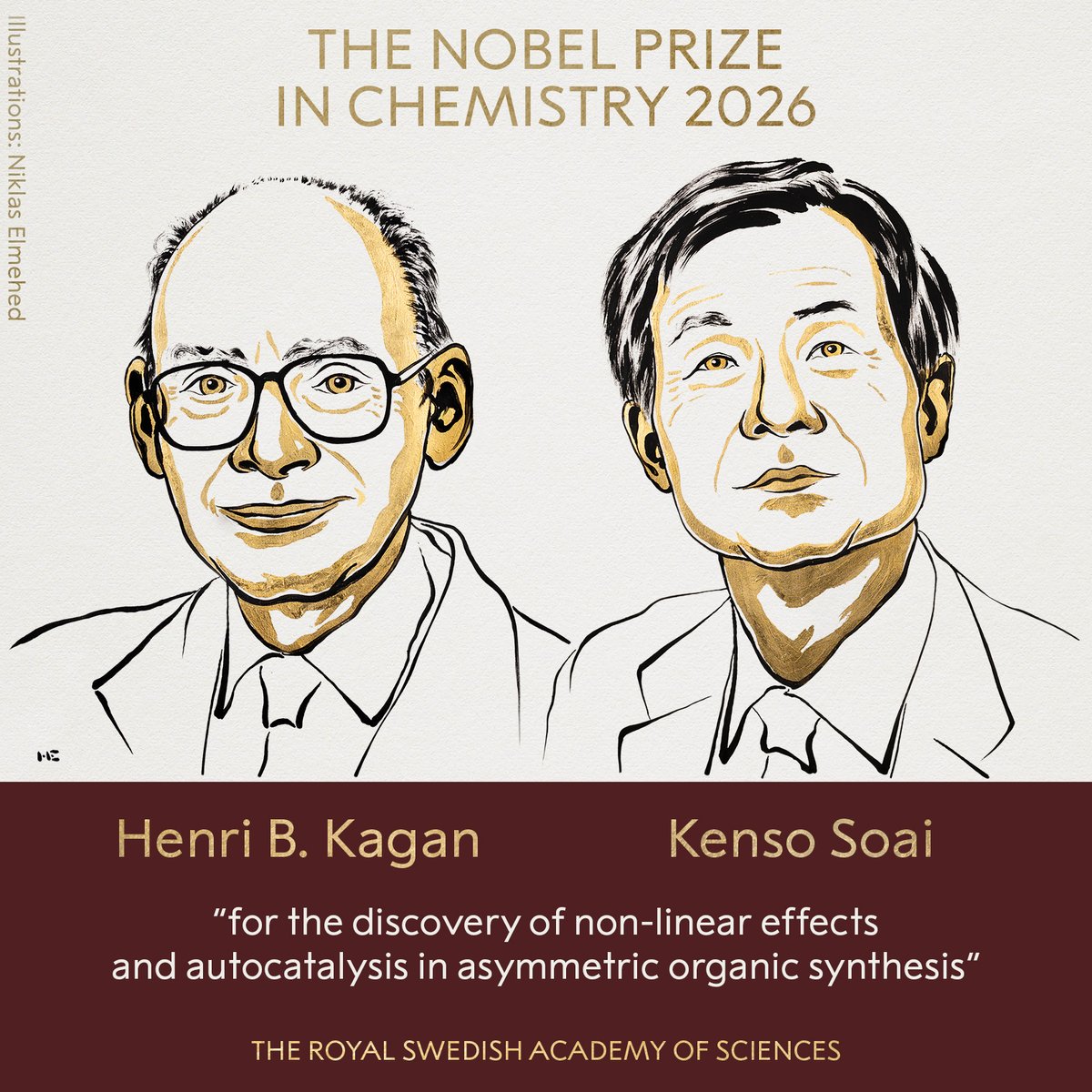
The Royal Swedish Academy of Sciences has decided to award the 2026 #NobelPrize in Chemistry to Henri B. Kagan and Kenso Soai “for the discovery of non-linear effects and autocatalysis in asymmetric organic synthesis.”
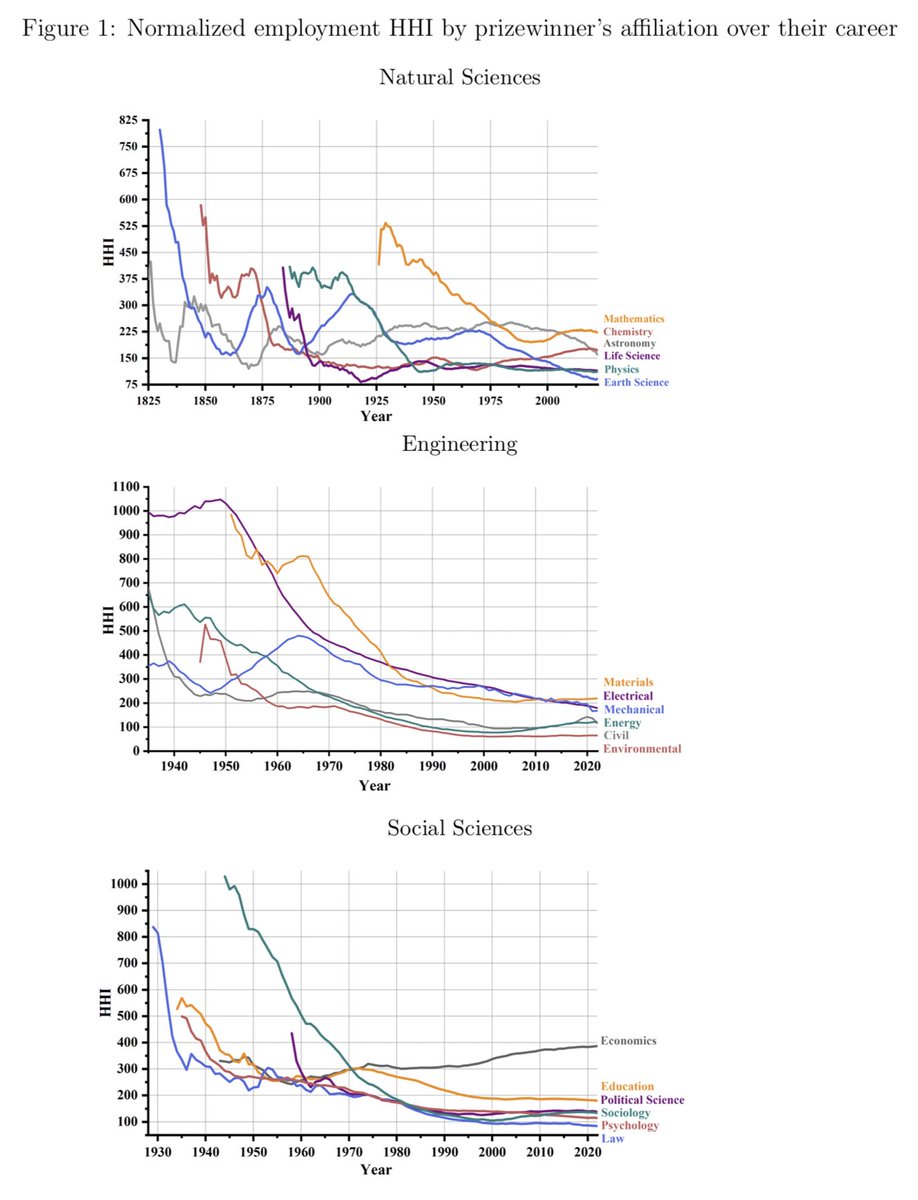
Economics is the *only* scientific field in which the concentration of institutional affiliations of award-winning researchers (i.e., more winners at top universities) has increased over time.https://t.co/5rbY9RUW1c
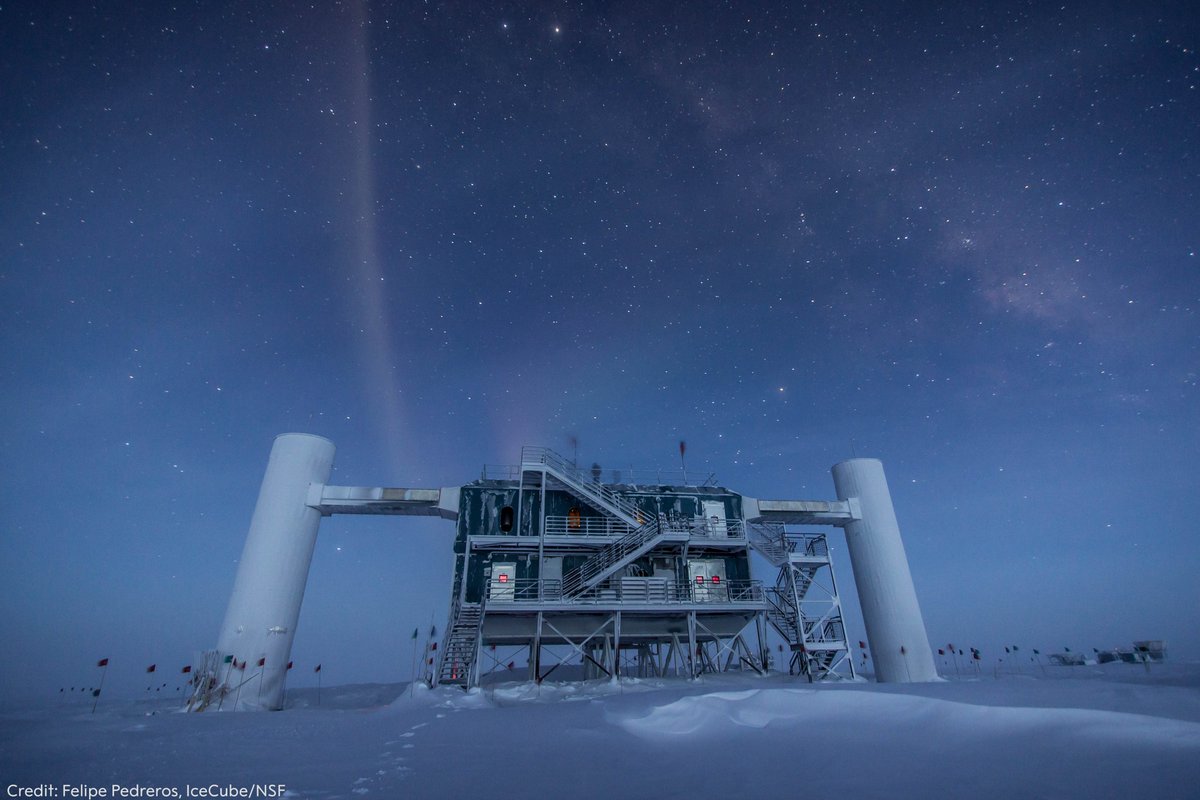
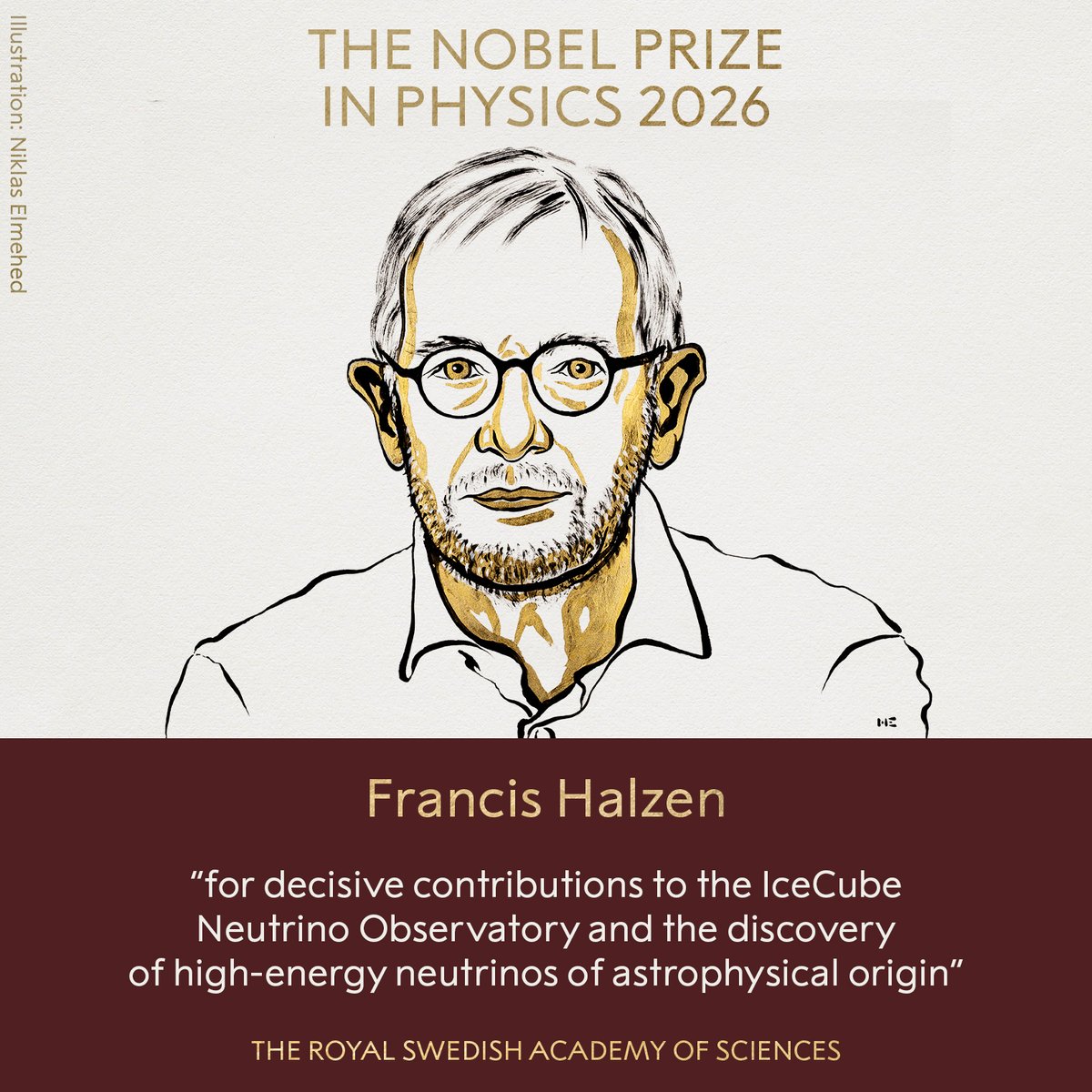
The IceCube Neutrino Observatory – ideated by this year’s physics laureate Francis Halzen – tracks neutrinos that originate in the distant cosmos.
The neutrino interactions that are continuously collected by IceCube will provide researchers with novel knowledge about the violent settings in which high-energy neutrinos can be created – and could even reveal previously unknown cosmic phenomena.
#NobelPrize
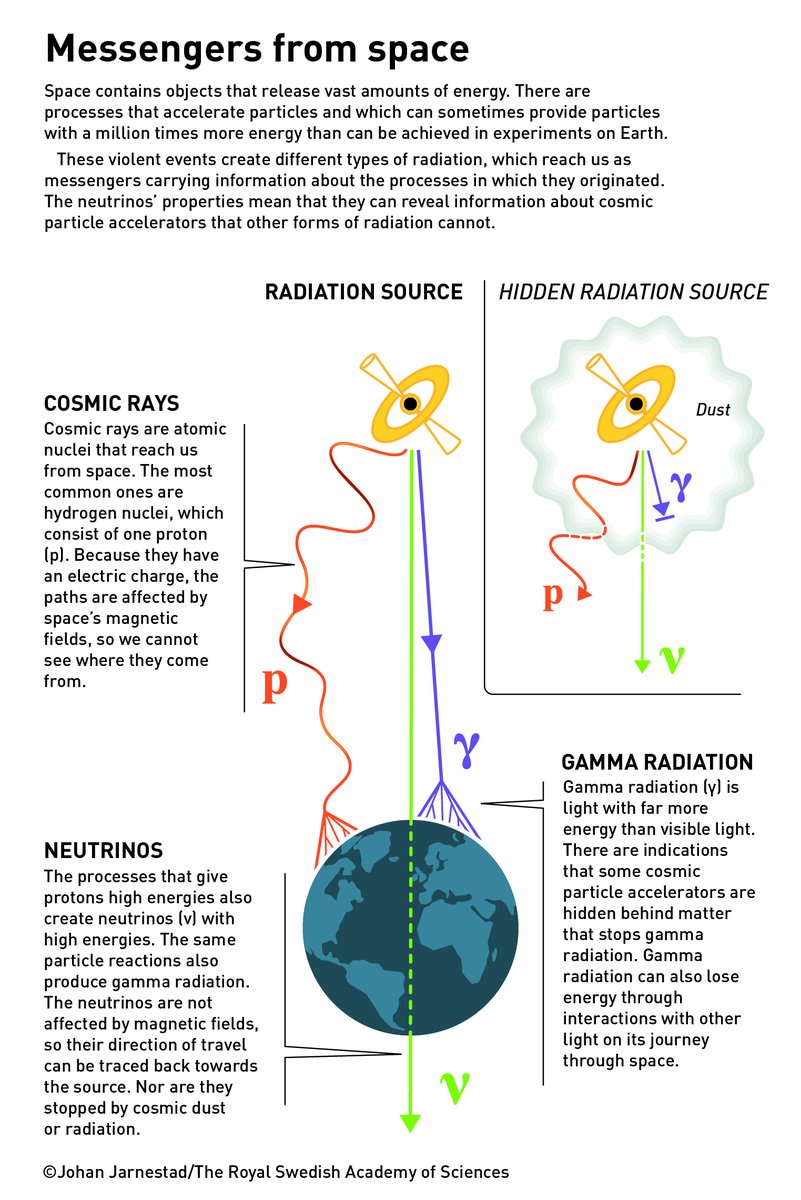
Scientists have long known that the cosmos contains natural particle accelerators, which fire out particles with energies up a million times more than can be achieved in laboratories on Earth. Much about these sources is mysterious: what are they, where are they, and what are the main processes inside them?
Neutrinos with extremely high energies are created in the same environments as other types of particles. However, unlike other particles, neutrinos reach us without changing direction or losing energy. This means they can provide information that is not available in any other way.
Newly awarded physics laureate Francis Halzen first presented his vision for capturing neutrinos at the South Pole in 1988. When a neutrino collides with an atomic nucleus, it produces a flash of light that can be tracked by sensors in the clear glacial ice. The South Pole’s ice has many advantages, as it is free from various types of interference and the area is geologically stable, with no earthquakes. Halzen and his idea soon gained the support of other researchers and, just a few years later, preliminary testing was conducted on sensors in ice.
#NobelPrize
BREAKING NEWS
The Royal Swedish Academy of Sciences has decided to award the 2026 #NobelPrize in Physics to Francis Halzen “for decisive contributions to the IceCube Neutrino Observatory and the discovery of high-energy neutrinos of astrophysical origin.”
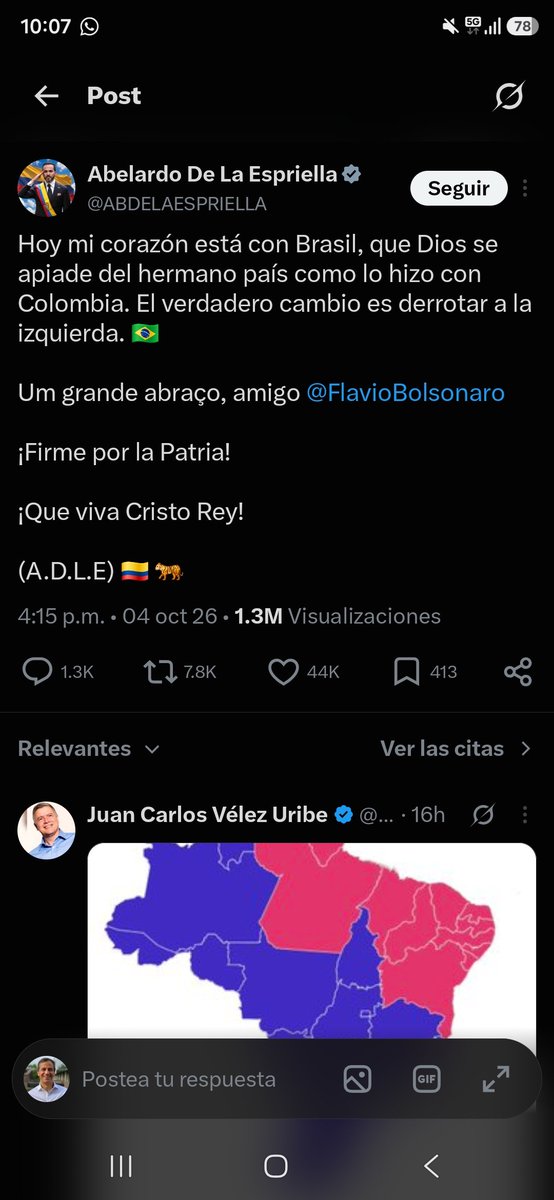
Lo dije muchas veces cuando Petro lo hacía, es obligatorio decirlo ahora:
Las relaciones exteriores deben abordarse con base en los interese estratégicos del país, no con motivación ideológica. Esos, los intereses del país, son los que deben mover las decisiones y pronunciamientos del jefe de gobierno, no sus simpatías o afinidades políticas.
Y siempre hay que cuidarse de no violar el principio de no intervención en asuntos internos de los otros países, un pilar de derecho internacional público.
Está de moda opinar sobre las elecciones en otras naciones, otros los hacen, Petro lo hacía, pero que haya antecedentes no significa que esté bien, que sea prudente, que convenga, que sea conforme al derecho internacional
To understand how the brain forms memories, feelings and behaviours has long been a dream for researchers.
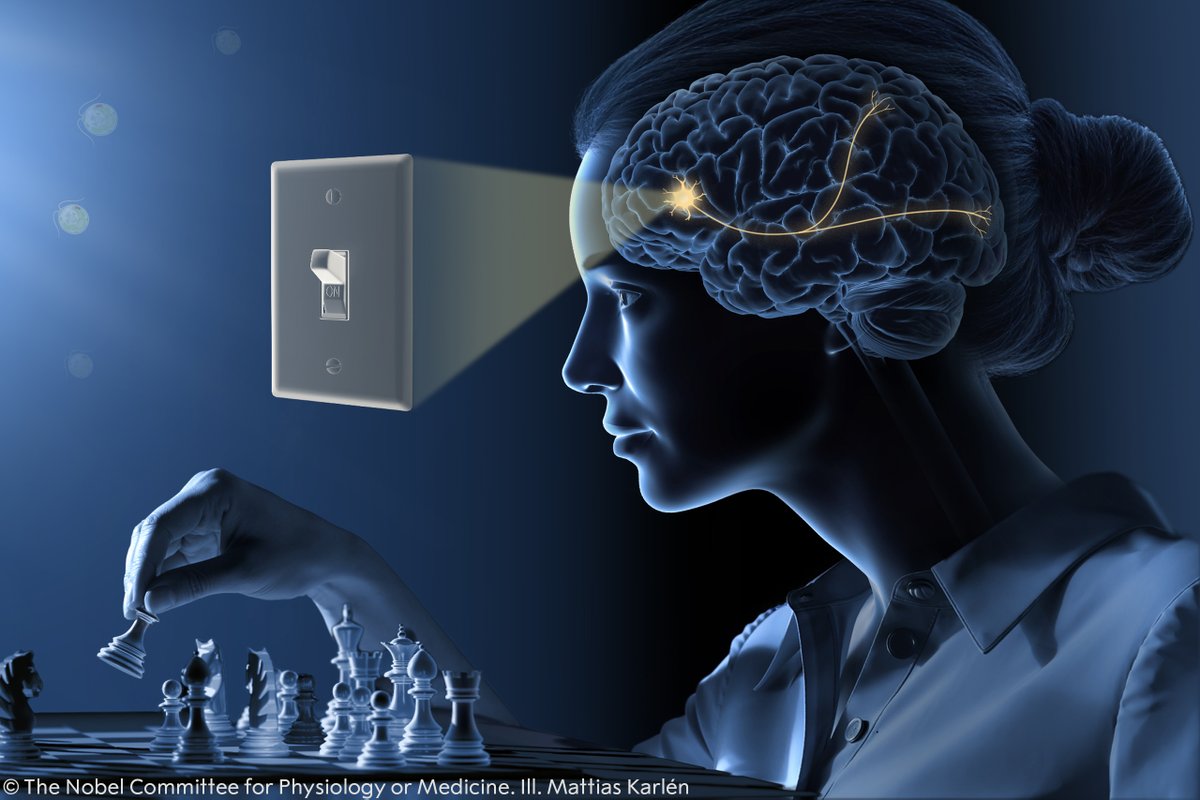
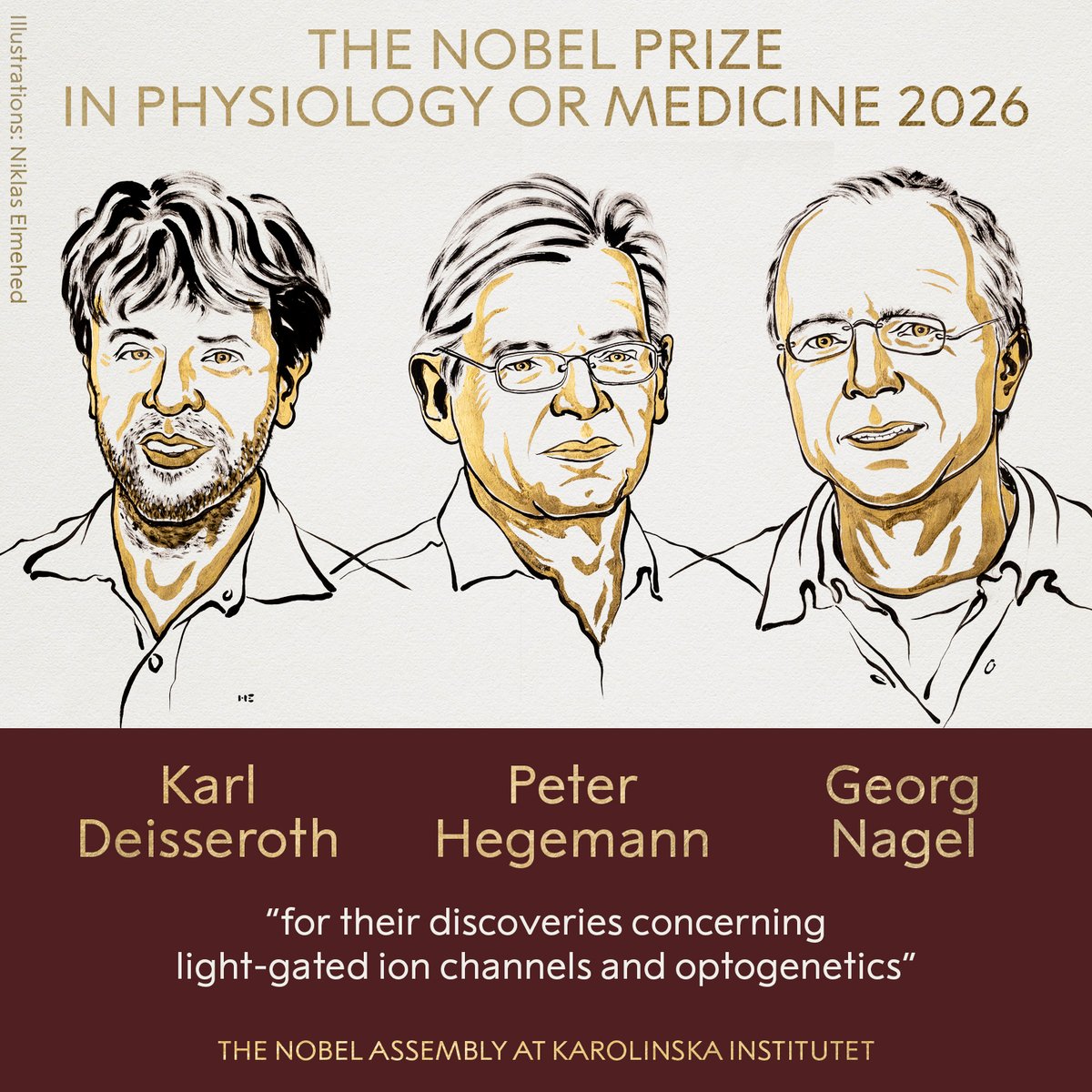
Karl Deisseroth, Peter Hegemann and Georg Nagel have been awarded the 2026 #NobelPrize in Physiology or Medicine for discoveries leading to optogenetics, which makes it possible to switch on, or off, the activity of individual nerve cells in a living brain.
This method is now being used in laboratories around the world to reveal the brain’s mysteries.
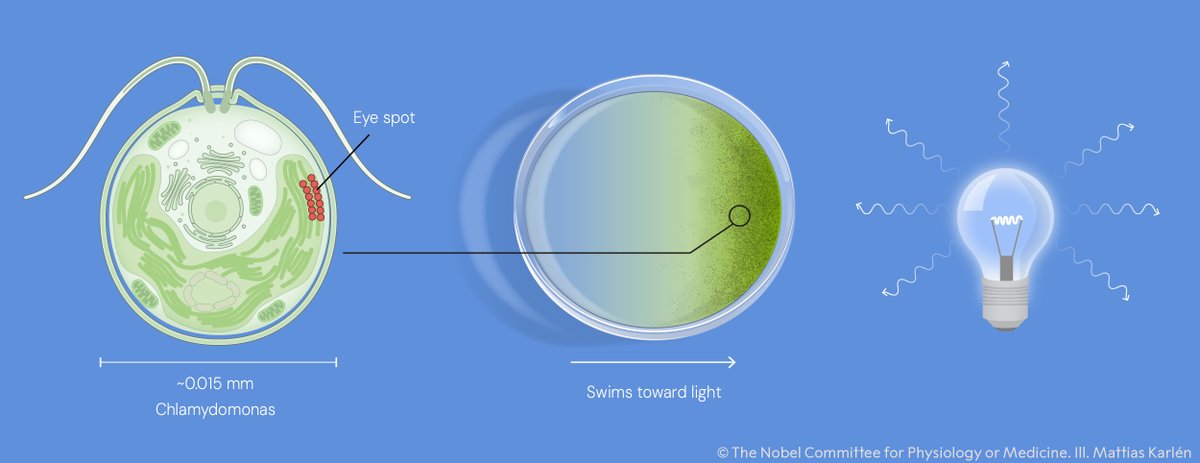
Peter Hegemann and Georg Nagel – awarded the 2026 medicine prize – discovered a remarkable protein, channelrhodopsin, in a single-celled alga.
Hegemann wondered how Chlamydomonas, a single-celled alga, is able to swim towards a light source. In the early 2000s, he and Georg Nagel discovered channelrhodopsin, an algal protein with unique properties, found on the surface of the cell. When it is illuminated by blue light, a channel opens through the protein. Charged ions then flow into the cell, creating an electrical impulse. They found that regardless of which cell they put the protein in, those cells became light sensitive.
#NobelPrize
BREAKING NEWS
The 2026 #NobelPrize in Physiology or Medicine has been awarded to Karl Deisseroth, Peter Hegemann and Georg Nagel ���for their discoveries concerning light-gated ion channels and optogenetics.”