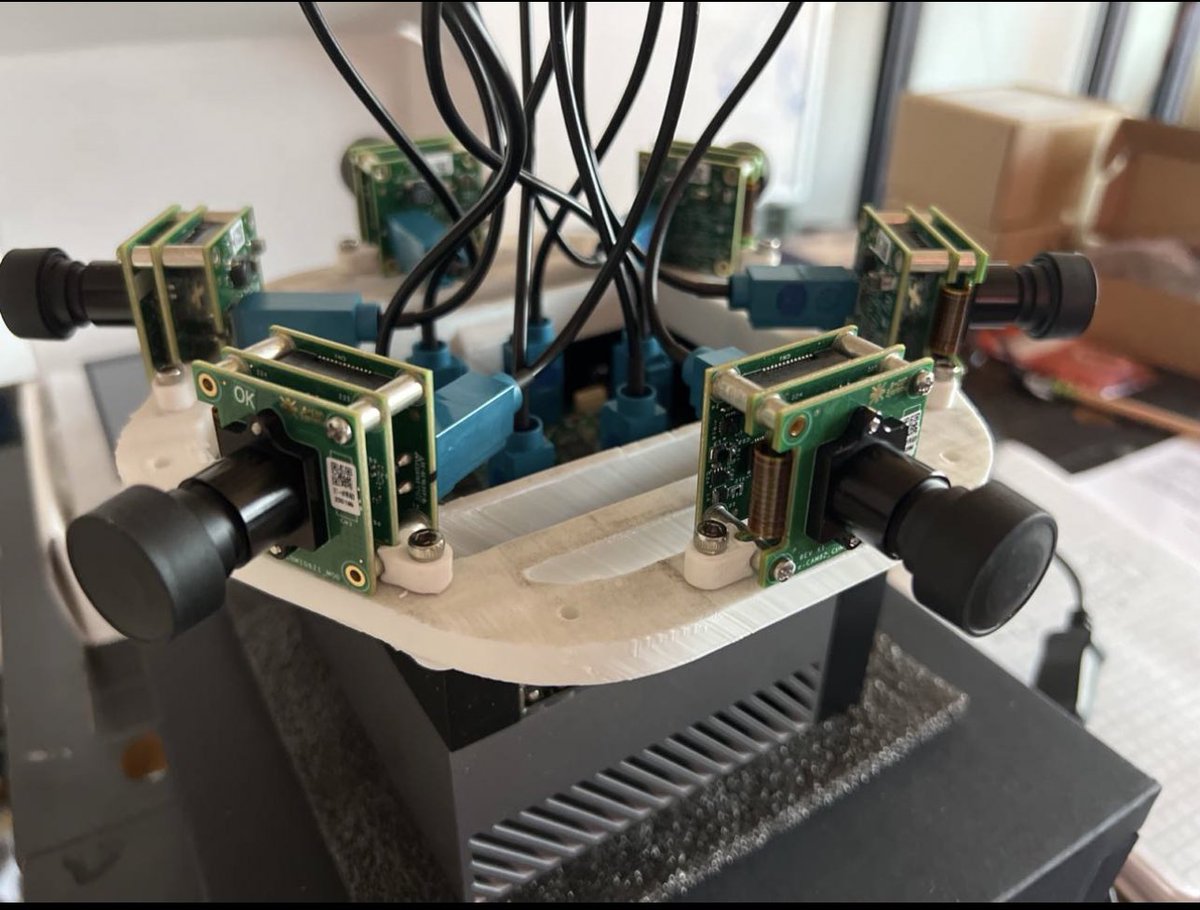
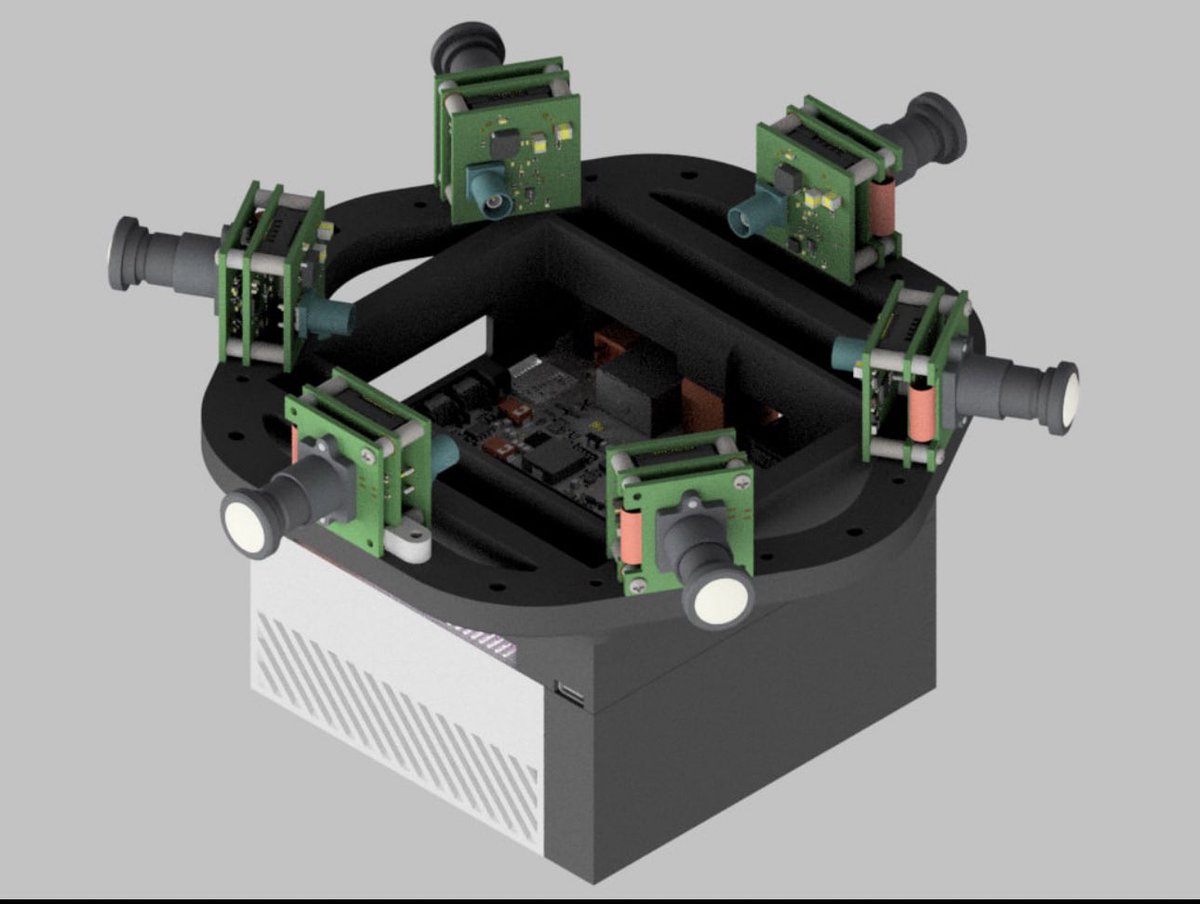
NEW: Royal Navy sea drones secretly sent data to China.
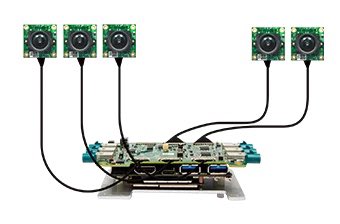
Cameras onboard a fleet of surveillance drones were found to contain Chinese parts despite assurances from suppliers that they were secure.
An investigation found the cameras had been sending “heartbeat” signals to an IP address in China, forcing the Ministry of Defence to remove their connectivity.
The Navy purchased the drones, made by Kraken Technology Group, in March. They are set to be sent to the Strait of Hormuz as part of the UK’s plan to protect the waterways.
The MoD insist no sensitive data was breached and vulnerabilities have now been patched. Defence sources say this is a “major” failure.
https://t.co/HCbkLCsaMo
Gloster Meteor target drone turned into a flaming wreck by the impact of a British Rapier surface to air missile during trials off the Welsh coast circa 1970
KNDS' new Leopard 2 A-RC 3.0 MBT unveiled at Eurosatory, features the Thales UK's TrueHunter Gunner sight (also used on British CR3). The sight integrates AI for automatic threat detection, tracking, and classification, while a new DigitalCrew system complements the human crew.
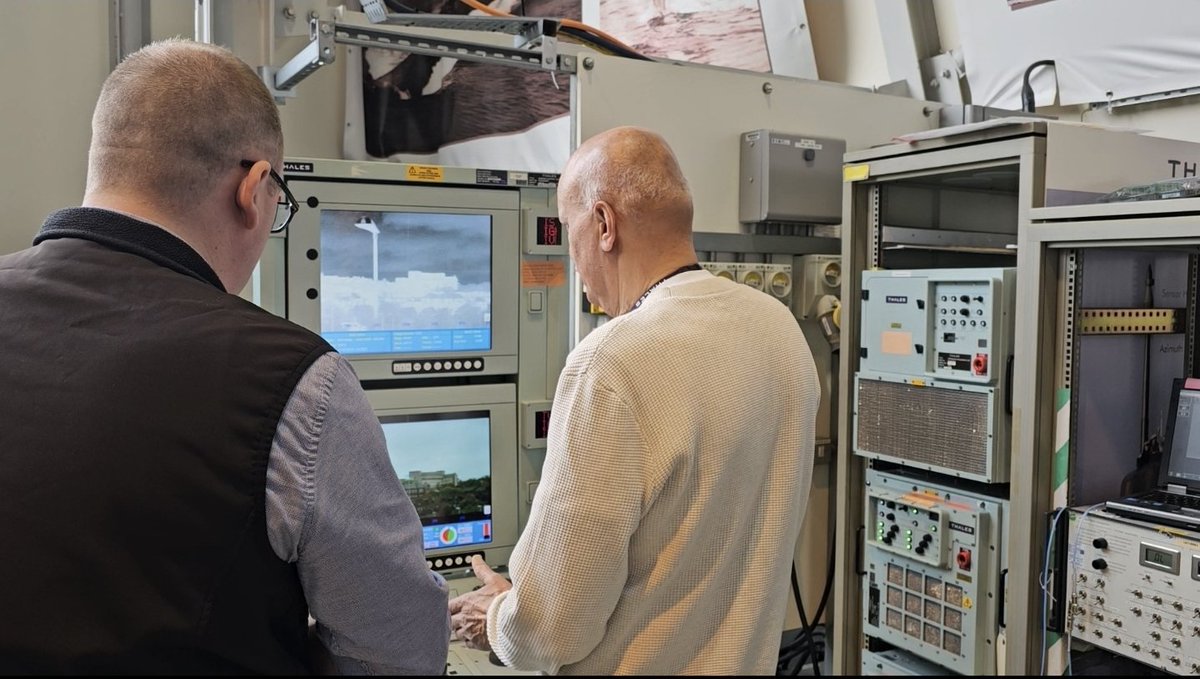
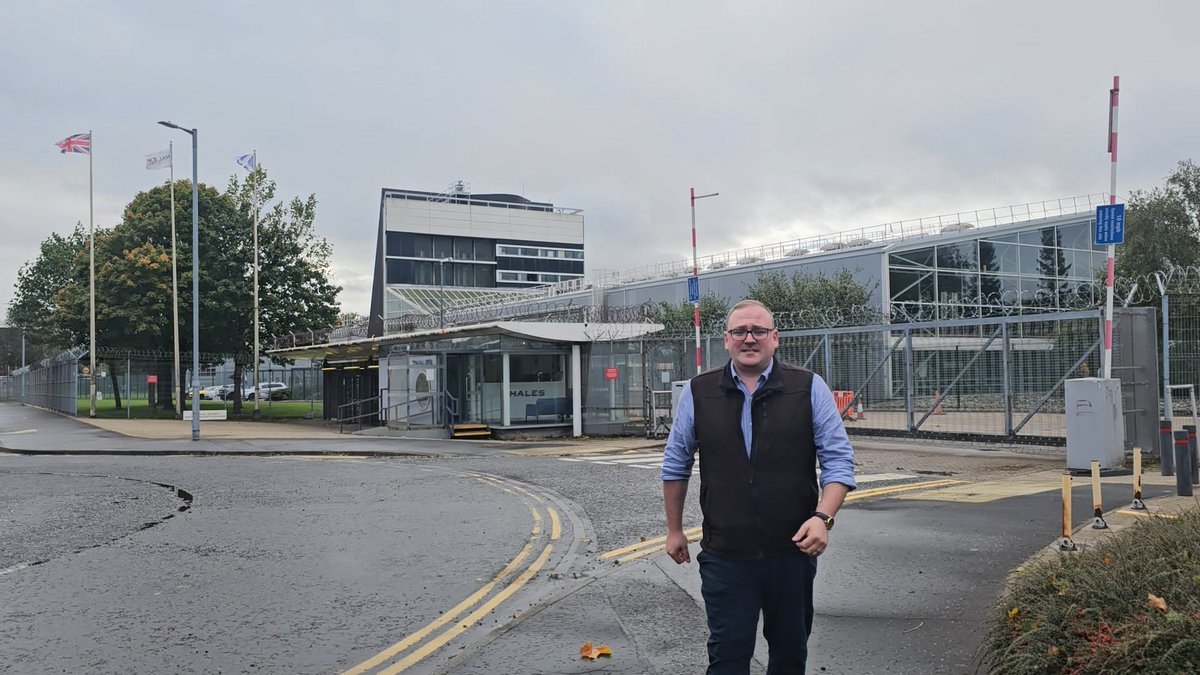
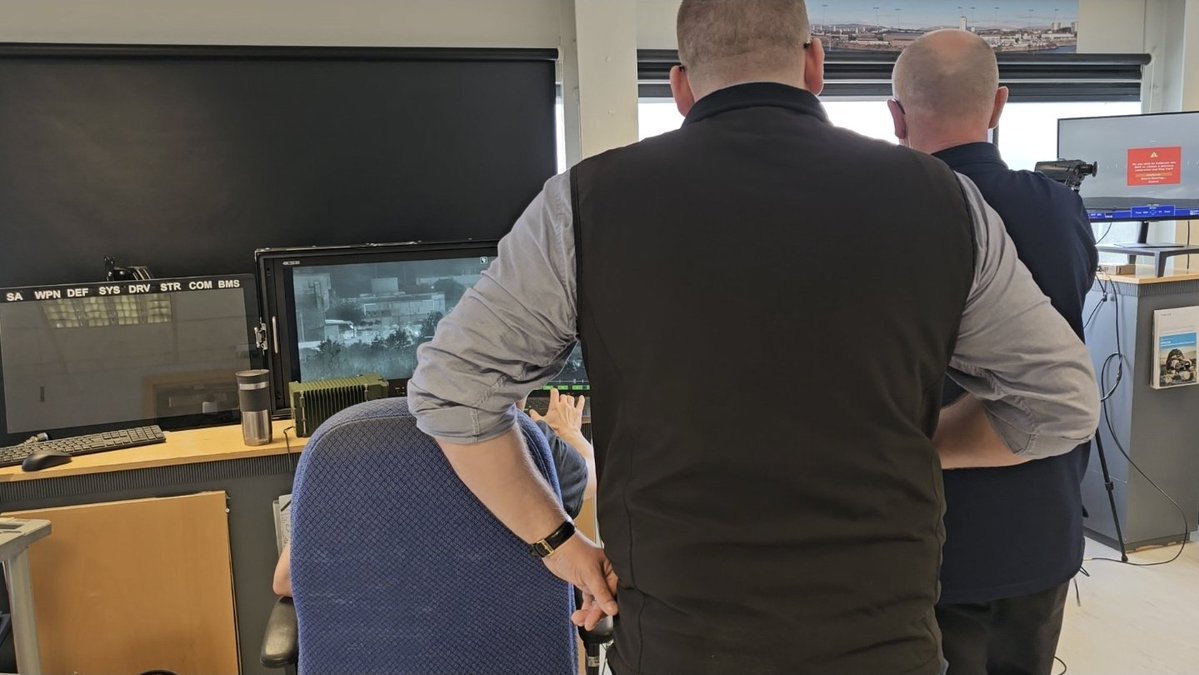
The UK Defence Journal was granted rare access inside Thales Optronics and Missile Electronics in Govan, one of the most important defence industry facilities in Europe.
From sighting systems for the Challenger 3 and AJAX to periscopes and electronic masts for Royal Navy submarines, much of Britain’s advanced optical and sensor technology is designed and built here on the Clyde.
The site’s heritage runs back to Barr & Stroud in 1888, and today it remains a cornerstone of Glasgow’s defence engineering base.
🎥 Full video and write-up by @geoallison from inside the facility coming soon.
Some excellent Royal Navy imagery of the visit by SofS, CDS and 1SL to a returning SSBN this week has been hosted on the Defence Imagery website.
https://t.co/97AjFzGqWq
The UK's largest AI defence trial led by @Dstlmod featured over 200 scientists, military personnel, and industry partners. The trial will help develop AI systems that will provide UK forces operational advantage in complex domains.
Watch the full video 🎥 https://t.co/UQbYOvvSSI
There is atm 2 kinds of AI startups right now:
The ones having a feedback loop that creates unique data to train the model - data with a moat (eg customer deployed hardware)
And the ones without.
Soldiers from the @BritishArmy have successfully trialled a radio frequency directed energy weapon, developed by @defencees and @dstlmod. The weapon is capable of downing swarms of drones.
Watch the explainer video 🎥 https://t.co/MvkON04mrq
Read more 👉 https://t.co/V9lS6Ds9rh
Palmer Luckey shares insight into the IVAS program, a $22 billion contract driving the next phase of the U.S. Army’s Integrated Visual Augmentation System.
@PalmerLuckey@anduriltech
One strategy to counter Russian fiber optic FPVs involves repurposing target acquisition technology developed for AI terminal guidance of FPVs.
If this technology could be automated to detect FPVs early, it would provide potential targets time and space for countermeasures.
Avec 600 chercheurs en IA, Thales est un des leaders mondiaux de l’IA dédiée aux secteurs critiques, comme la défense ou le contrôle aérien. Visite guidée de son laboratoire CortAIx du plateau de Saclay, cœur névralgique de la R&D du groupe
https://t.co/zLS48JErCq
Whoever did this and is in charge of all of Palantir’s videos, branding & style, etc., is incredible at their work.
I don’t even care about it from the standpoint of making the company I’m invested in look cool — I’m genuinely always impressed when I see these videos & the general branding of the company.
Palantir’s branding is ON POINT.
Again taking note of ongoing "resurgence" of BUSHMASTER/ESCAPADE (UK name for the small fleet procured as UOR) content in UK defence discourse.
Thales and Australia have said production would happen in Glasgow after the first 2/300 vehicles if the Army finally made up its mind.