Systematic review asks: What works?
Scoping review asks: What exists?
Many researchers confuse the two!
---------------------------------------
Learn in more detail in this accredited course:
🔗 https://t.co/6FSSgwm0M3
----------------------------------------
Here's when a scoping review makes sense:
— You're exploring an emerging area
— You want to identify what research methods people are using
— You need to clarify how a concept is being defined
— You want to spot where the research gaps are
Stick with systematic reviews when:
— You have a focused question
— You need to inform policy or practice decisions
— You want to compare interventions
— Critical appraisal matters for your question
---
1/6
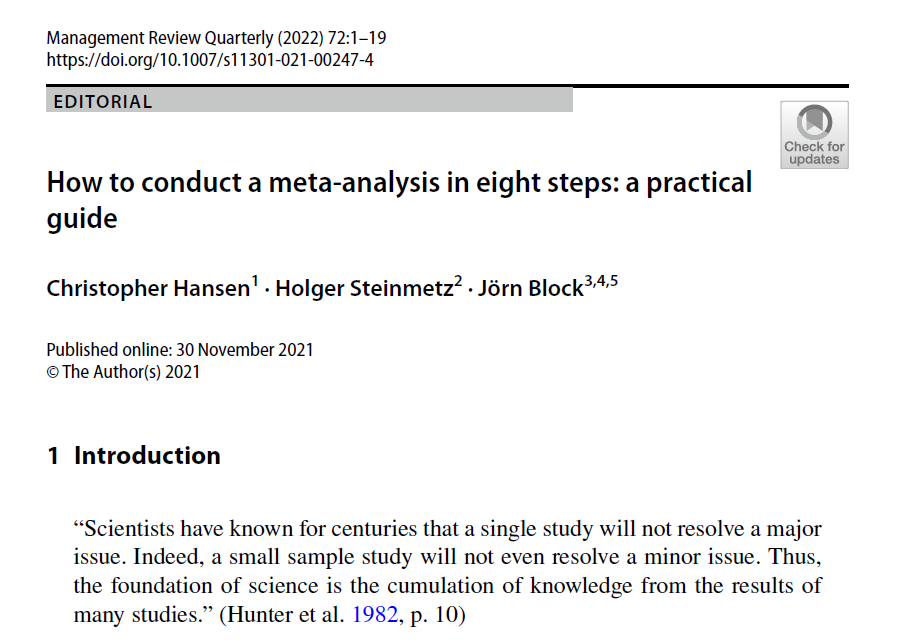
How to conduct a meta-analysis in eight steps: a practical guide
Click the link below to download the PDF for free.
Follow Silvi on LinkedIn for more tips and free resources on systematic reviews and academic writing.
https://t.co/J5BNki2NCp
Here's a downloadable PDF containing guidelines for writing a systematic review.
Download by clicking the link below.
Follow Silvi on LinkedIn for more tips and free resources on systematic reviews and academic writing.
https://t.co/cIlKEnfSvJ
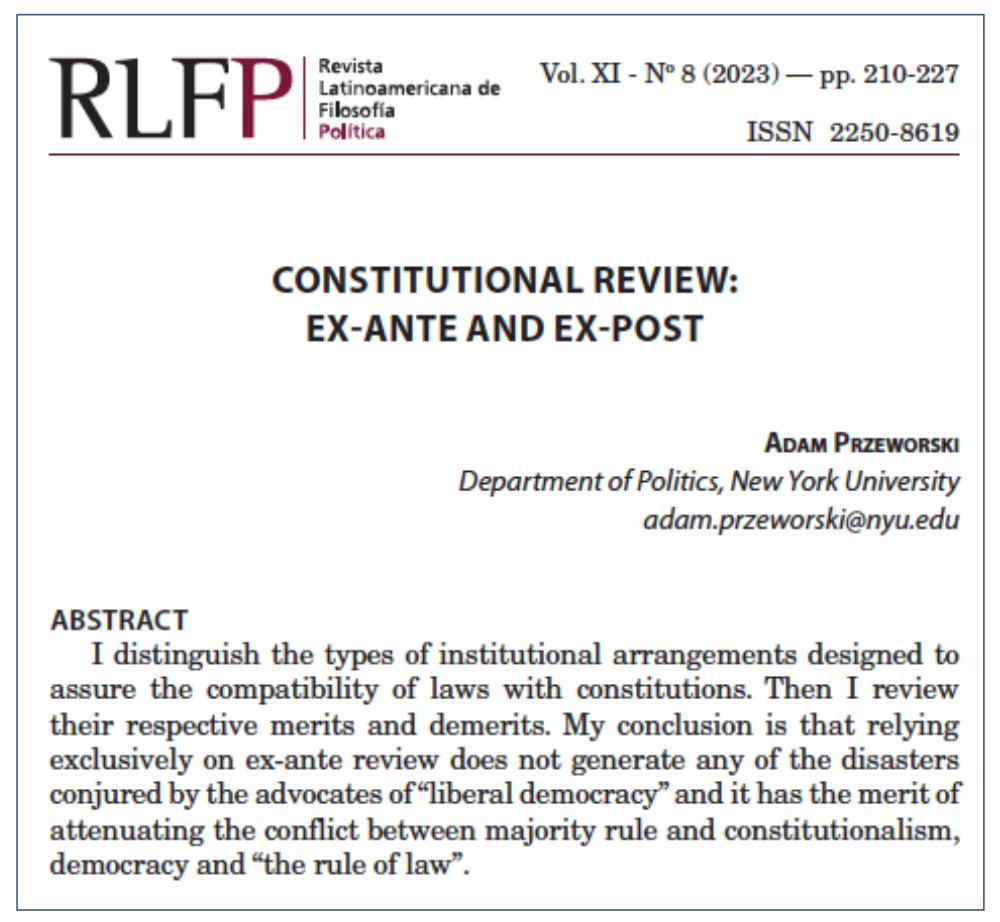
Democracia y constitucionalismo
En este artículo en @RLFPolitica, @AdamPrzeworski analiza los modos ex ante y ex post de control de constitucionalidad.
Concluye que el modo ex ante atenúa el conflicto entre democracia y constitucionalismo.
Descarga: https://t.co/DFI2yHRCRu
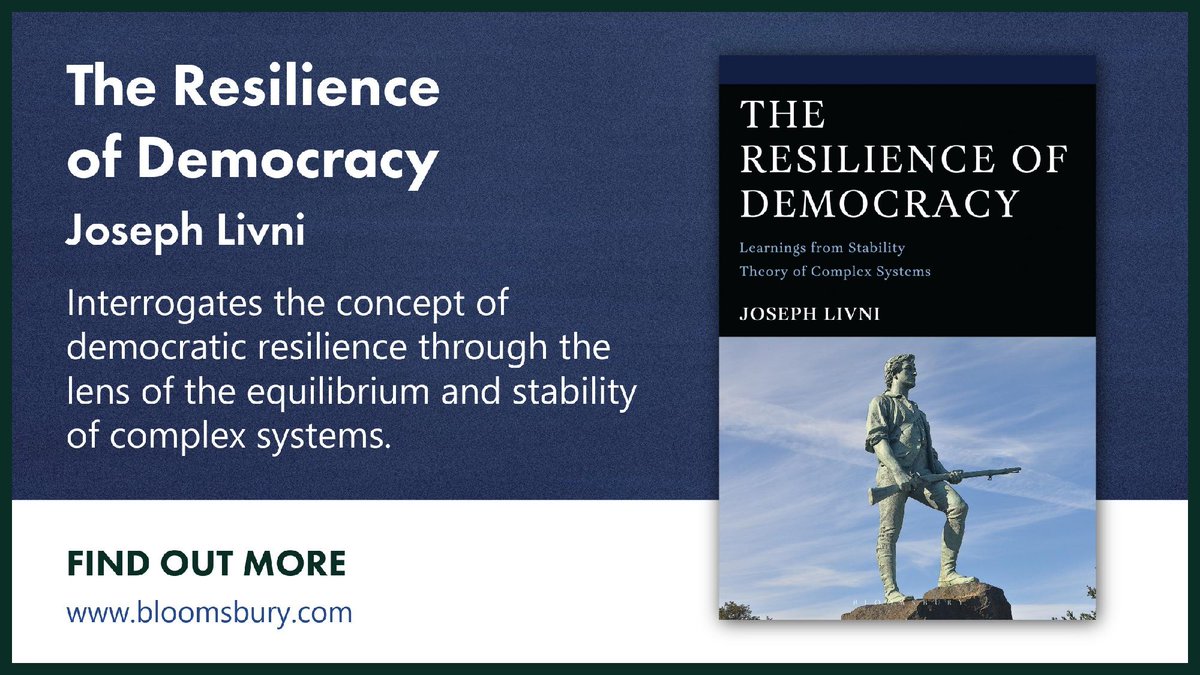
Now available: 'The Resilience of Democracy' by Joseph Livni
Drawing on political science, law, sociology, and psychology, this book offers diagnoses and potential solutions for preserving democracy ➡️ https://t.co/9Z7KnzAlxM
#ConstitutionalLaw
Citizens and Democratic Backsliding
This book by Wunsch argues that “a lack of consolidation around liberal democratic norms within the population explains why citizens often fail to punish backsliding leaders decisively at the ballot box.”
Open Access: https://t.co/2jim2MPXgN
Barrington Moore’s 𝑆𝑜𝑐𝑖𝑎𝑙 𝑂𝑟𝑖𝑔𝑖𝑛𝑠 is a landmark book published in 1966, 60 years ago. It inaugurated a way of studying democratization that emphasized changes in the social structure of a country and the long-term effects of key political events.
Venezuela
Trump: “We're going to run the country until we can do a safe, proper and judicious transition.”
The US does not control Venezuela. So, I have no idea what Trump has in mind and how the US could do this.
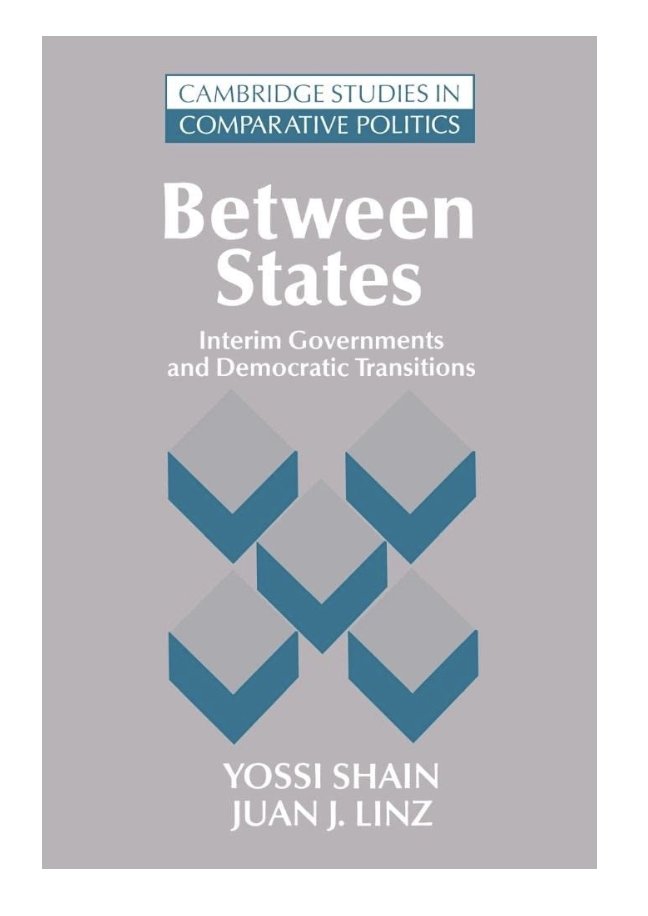
Still, it made me look again at this book by Shain and Linz.
Young people from Peru to Madagascar to Nepal — furious with political elites reaping the spoils of privilege and corruption — are rising up to demand change, write Erica Chenoweth and Matthew Cebul. Read "Why Gen-Z Is Rising" in our new January issue!
https://t.co/gUGHIWcnjK
David Altman lays out how political players and advocacy groups are using AI to draft ballot initiatives, gather signatures, and persuade voters—undermining democratic legitimacy in the process. Read "The AI Democracy Dilemma" from our NEW January issue!
https://t.co/E4CgQmfwEg
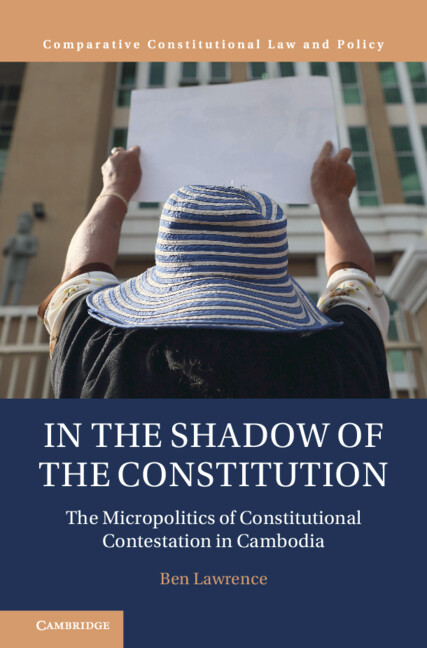
🇰🇭 Just published: "In the Shadow of the Constitution: The Micropolitics of Constitutional Contestation in Cambodia" by Benjamin Lawrence @durham_uni.
A socio-legal, ethnographic perspective on the force and operation of constitutionalism in non-liberal democracies and post-conflict settings, with a focus on smaller-scale, bottom-up, local engagements with constitutional principles and ideas.
Details: https://t.co/nM2YfnmPij