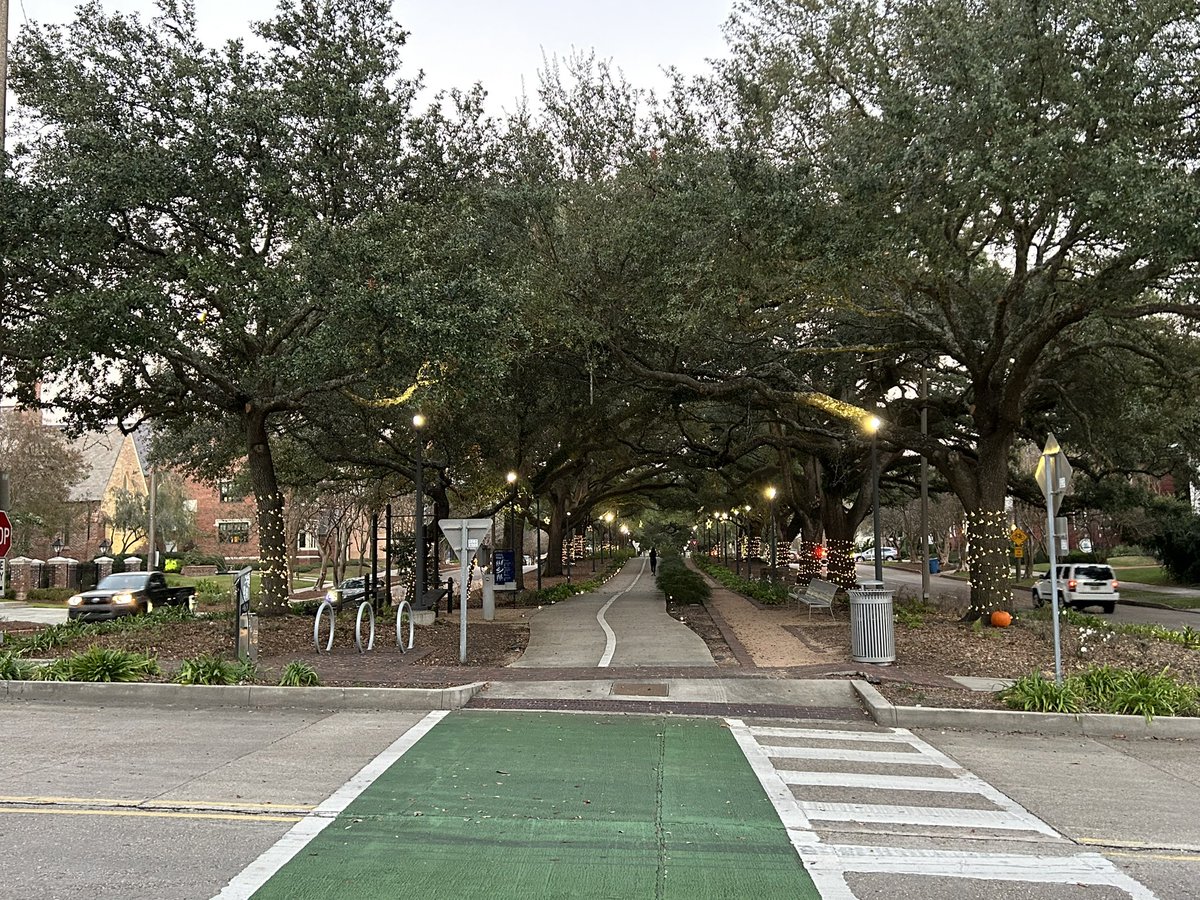
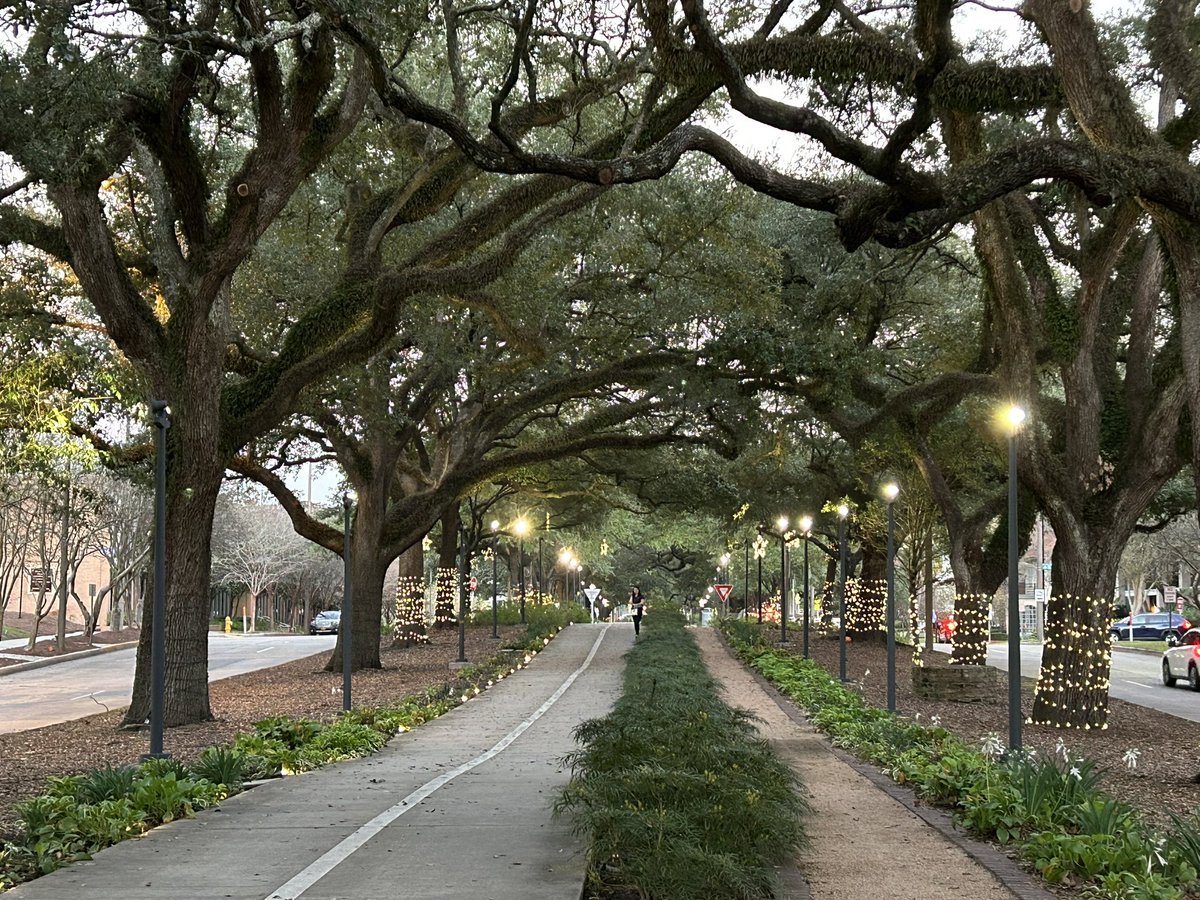
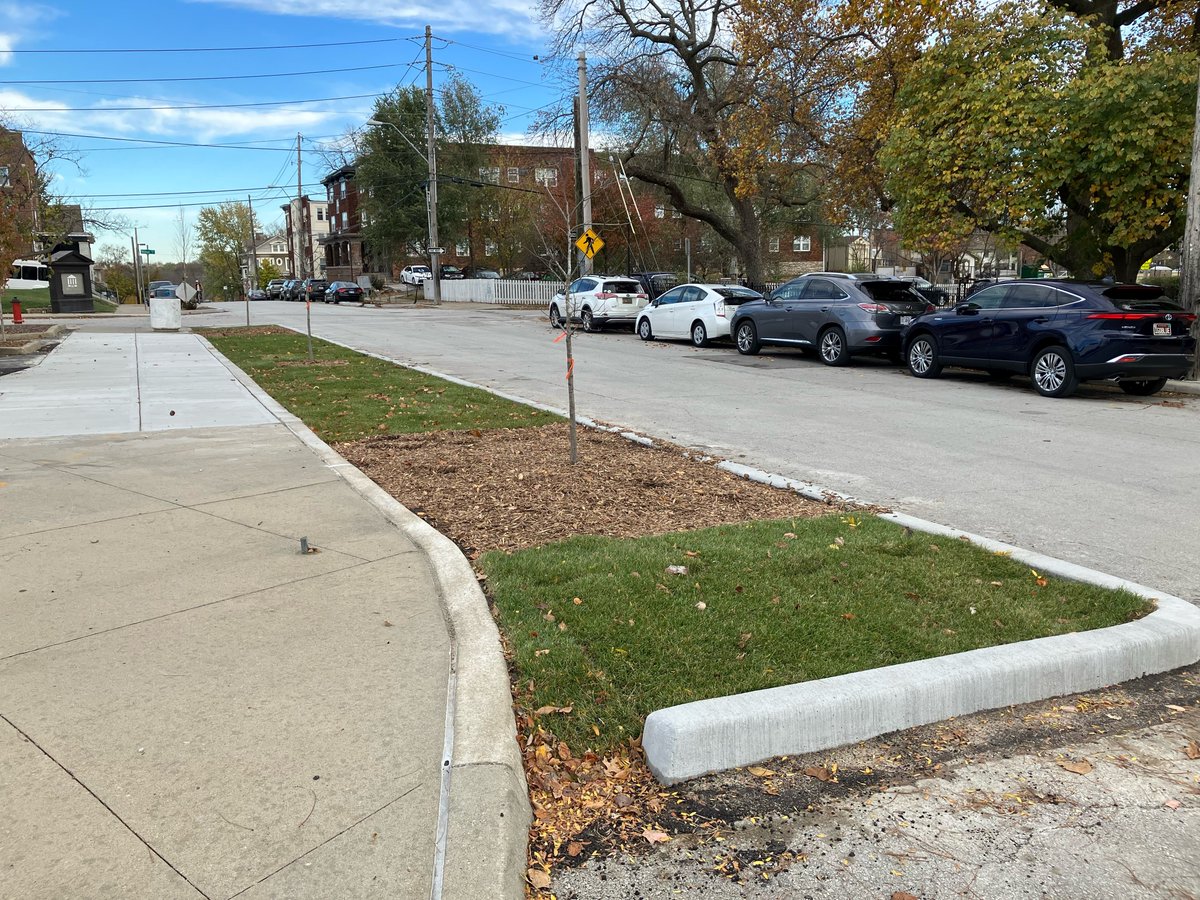
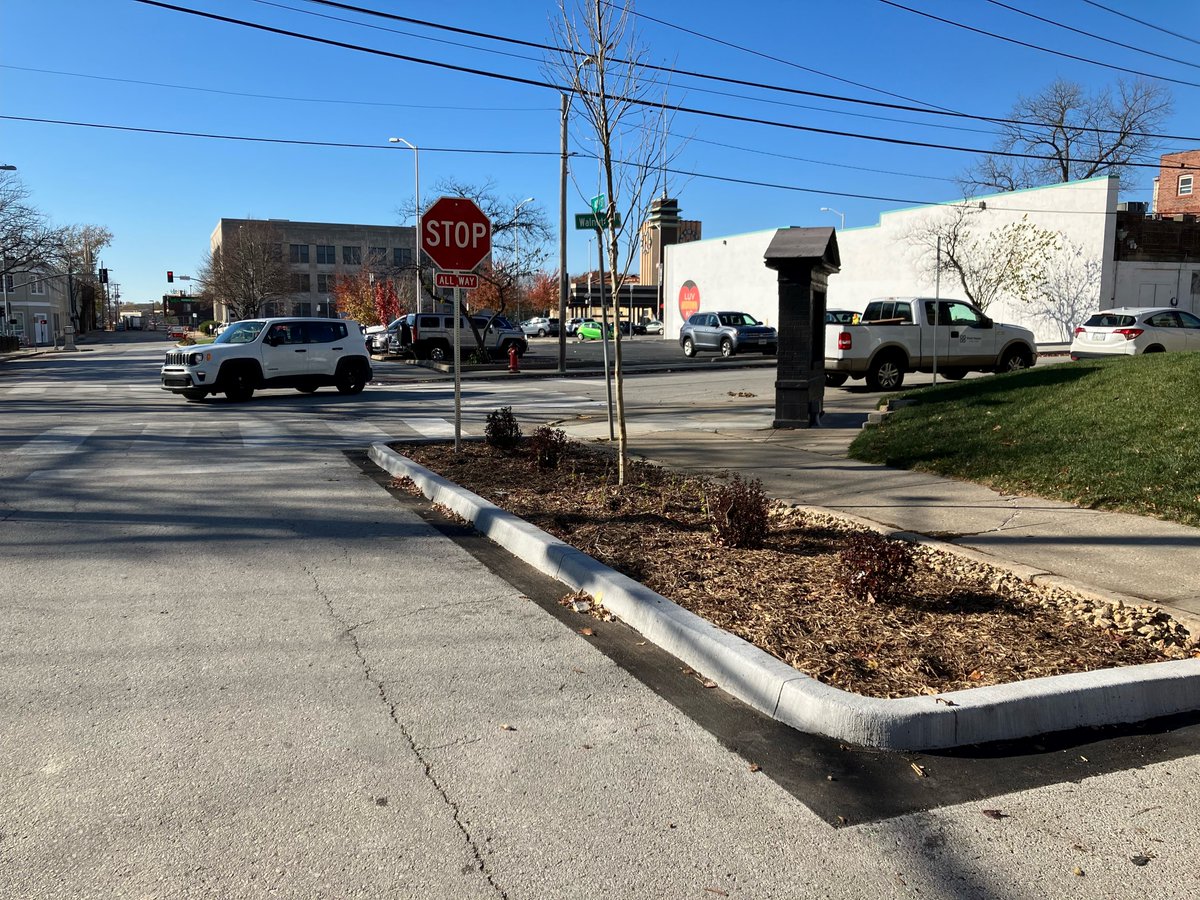
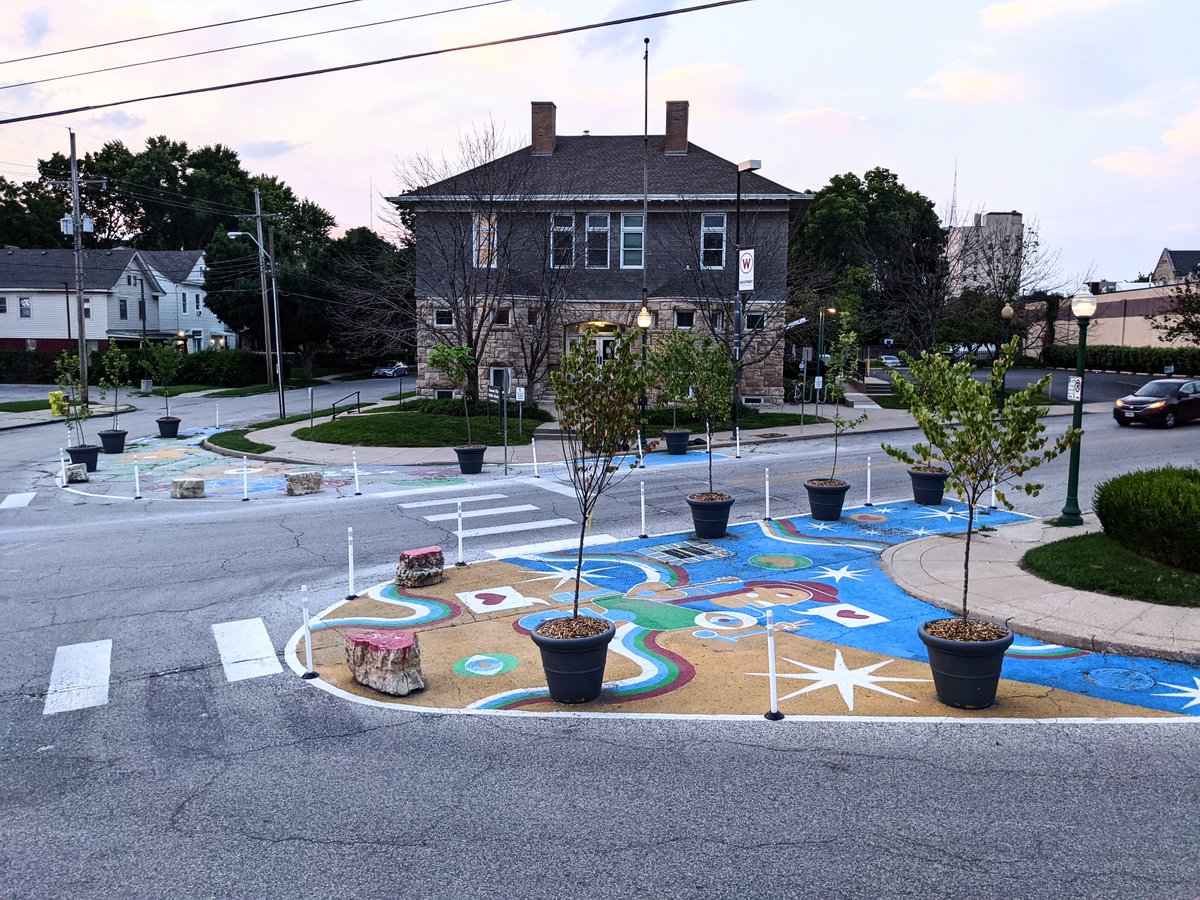
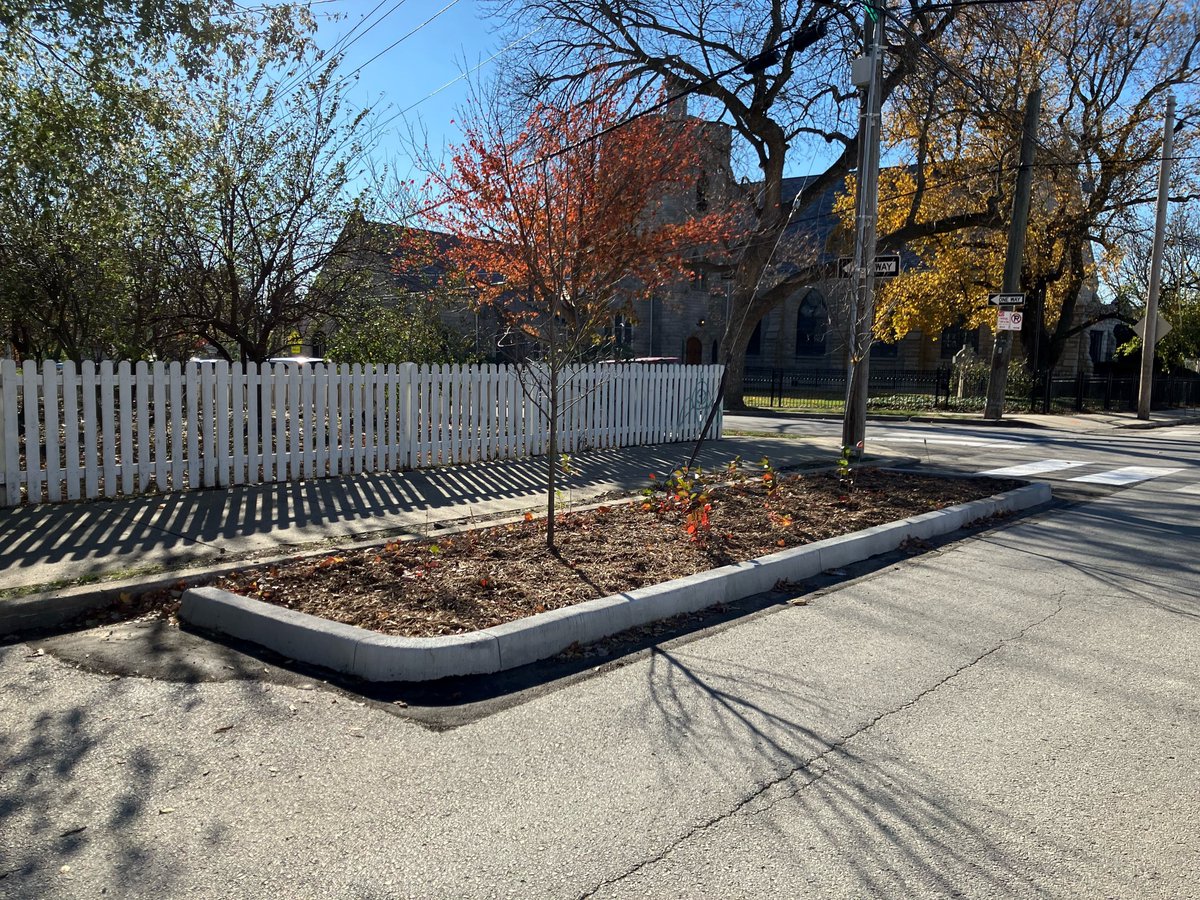
This beautiful curb extension in the Westport neighborhood of Kansas City, Mo helped slow travel speeds by 45% and shortened pedestrian crossings in half!
We are looking to do much more of this, so if your neighborhood or city is in need of safer streets, give us a shout!
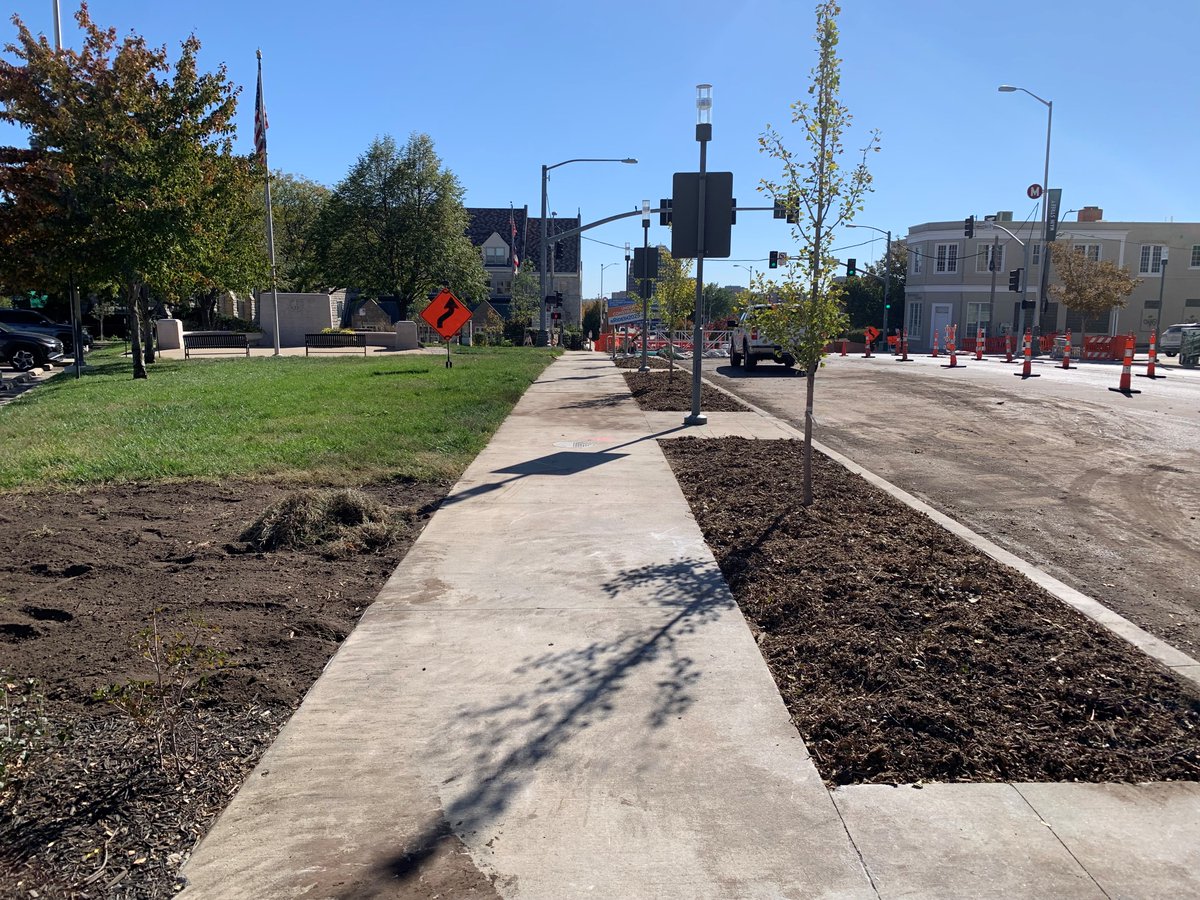
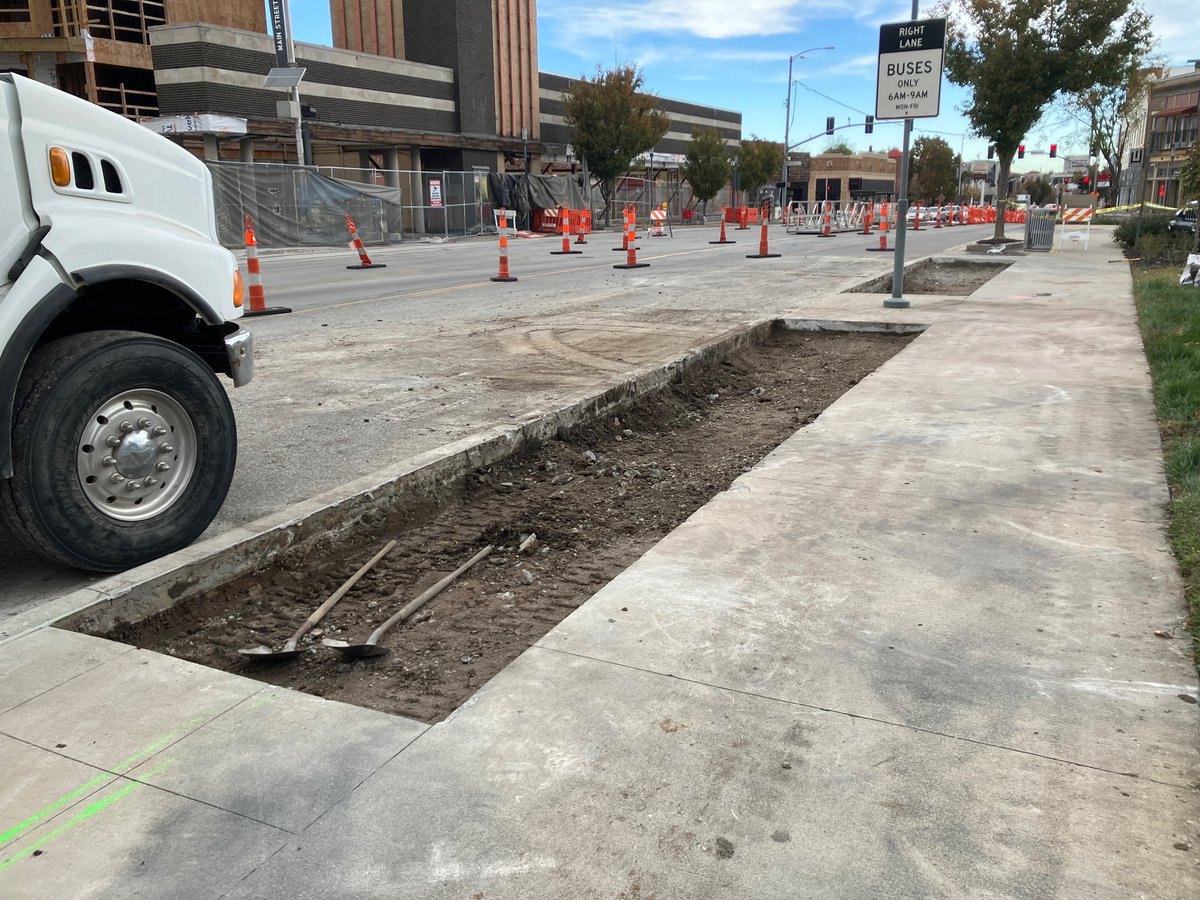
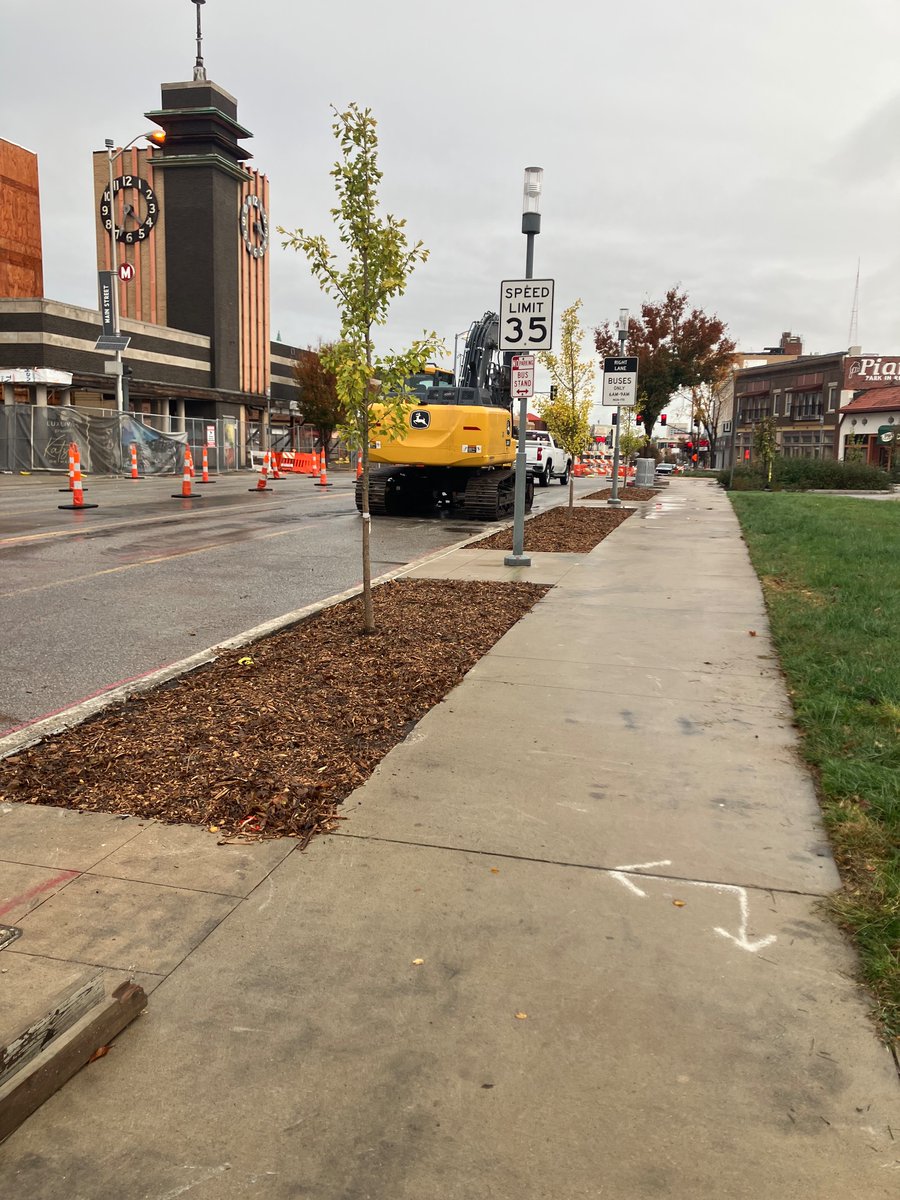
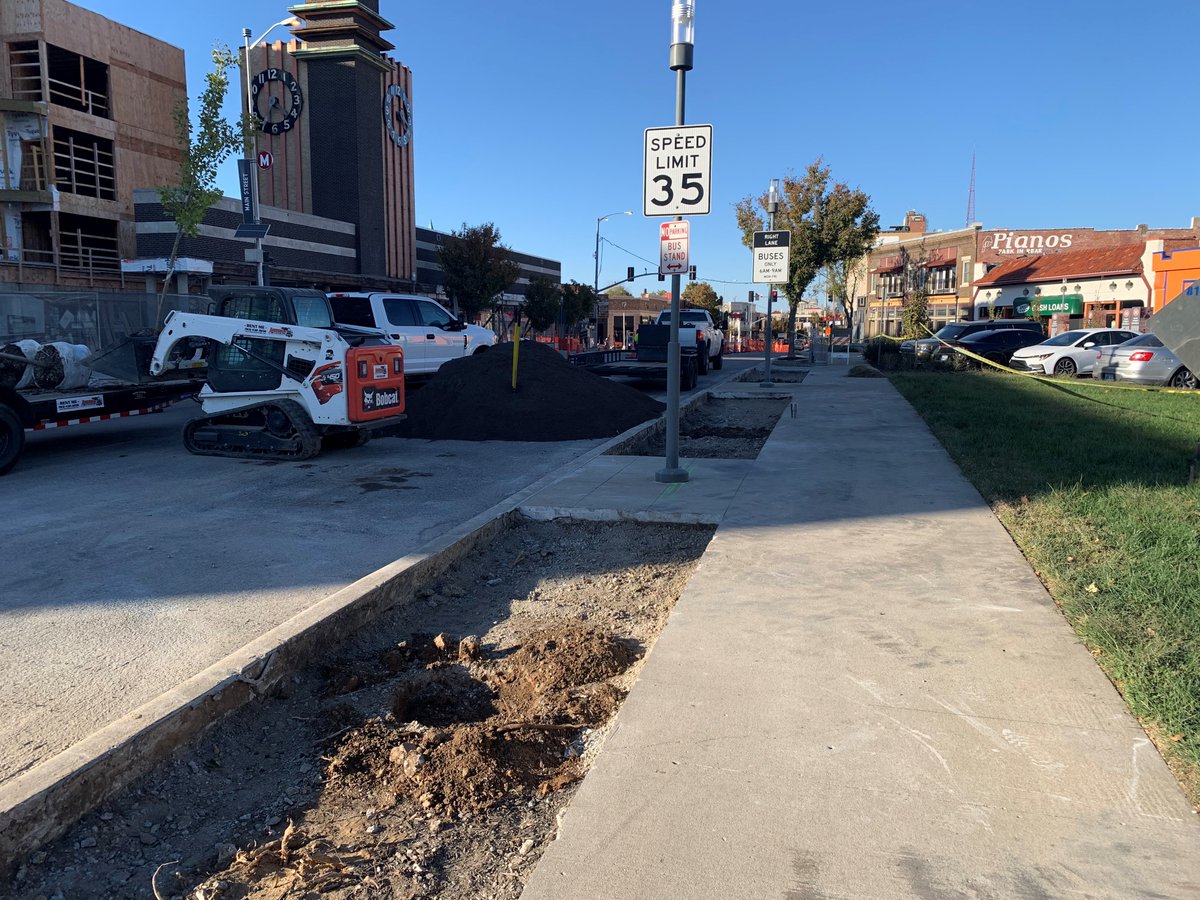
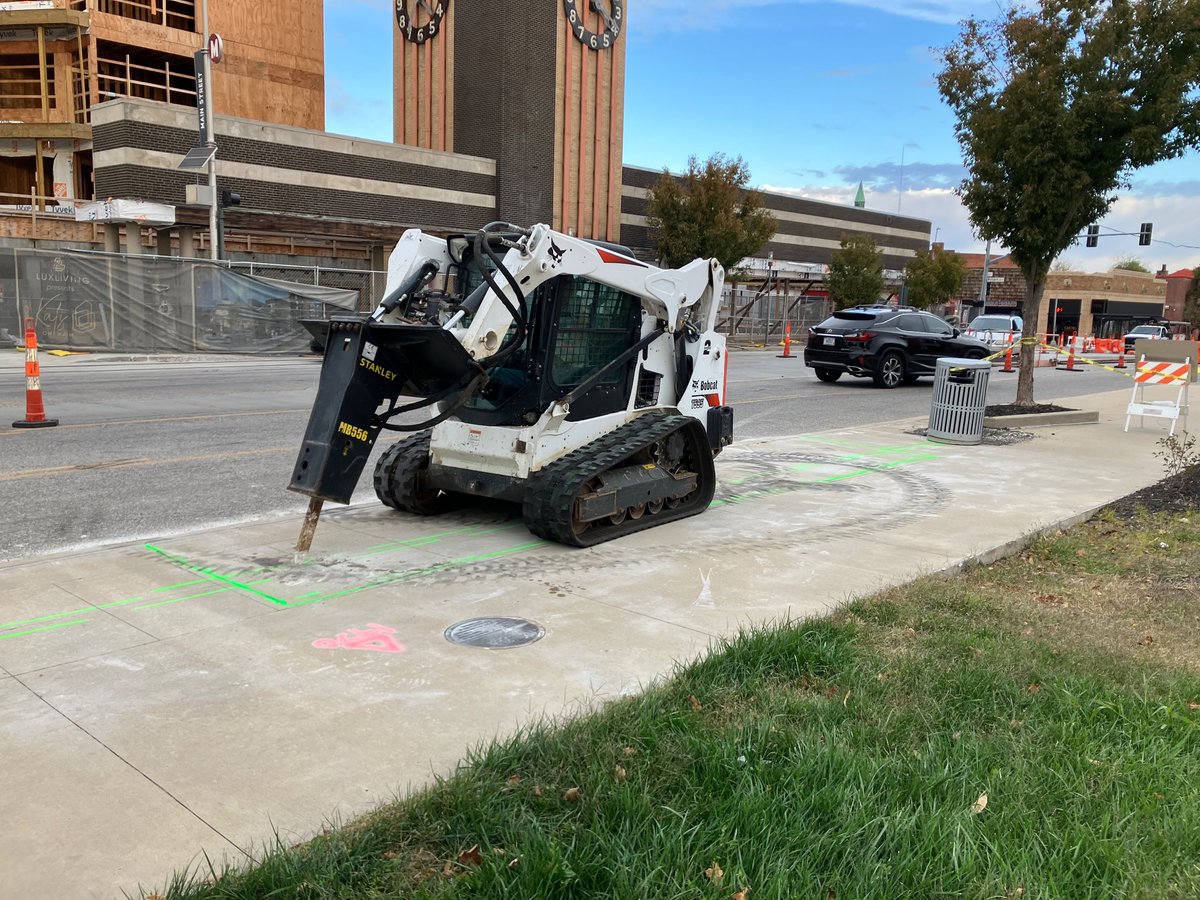
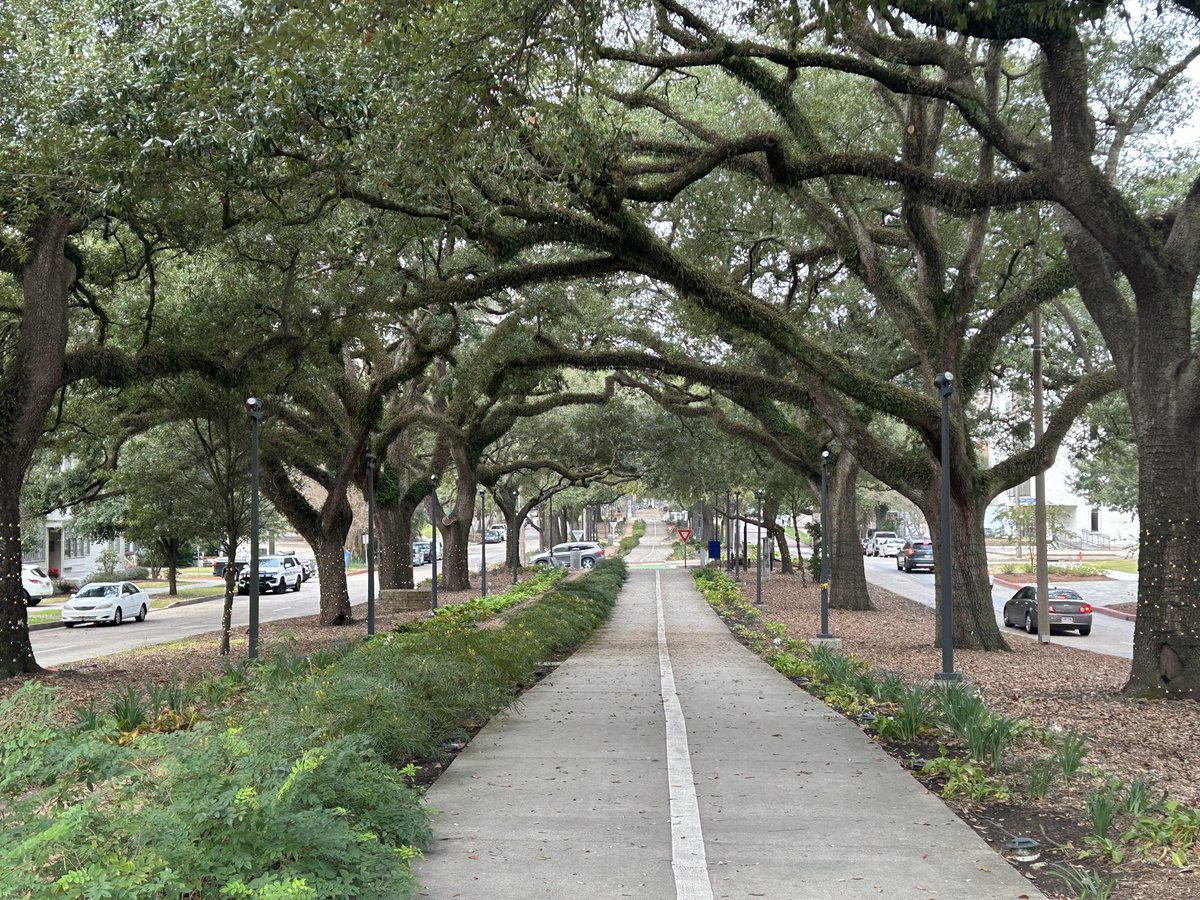
More landscaping / beautification improvements to Main Street in Midtown. New, large tree wells and trees next to Major Murray Davis Park at 40th Street. Paid for by Main Street CID, coordination with @kcstreetcar & City of KCMO
@MidtownKCNow@StreetSmartsDB
#KCMO’s Main Street got a few new street trees last week along the streetcar extension thanks to @kevinklink and the Main Street CID!
Great coordination from @midtownkcnow, @kcstreetcar, and @StreetSmartsDB to get them in before rail construction began this week!
Community-led streetscape improvements at 40th & Walnut made this area safer for pedestrians! The project includes:
• New stop signs 🛑
• Crosswalks 👟
• 1,400 square feet of reclaimed asphalt for landscaping (which helps slow down traffic) 🌳🚘
The incredible thing about these types of projects, aside from the immediate drastic safety improvements created with a relatively small amount of money, is they serve as a catalyst for larger permanent projects…
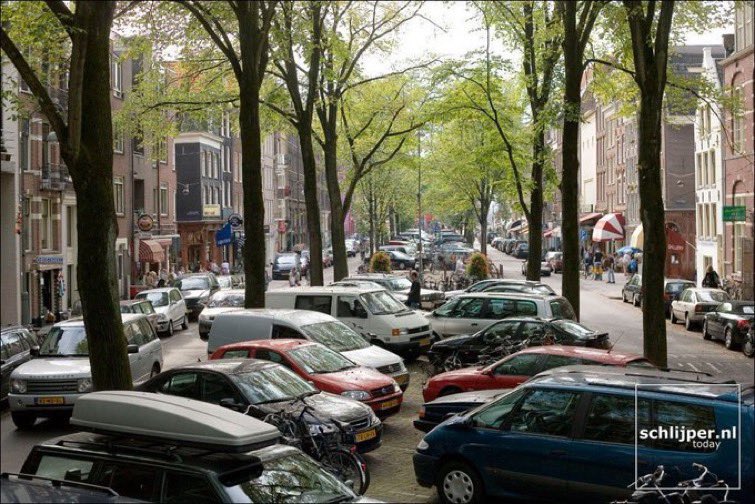
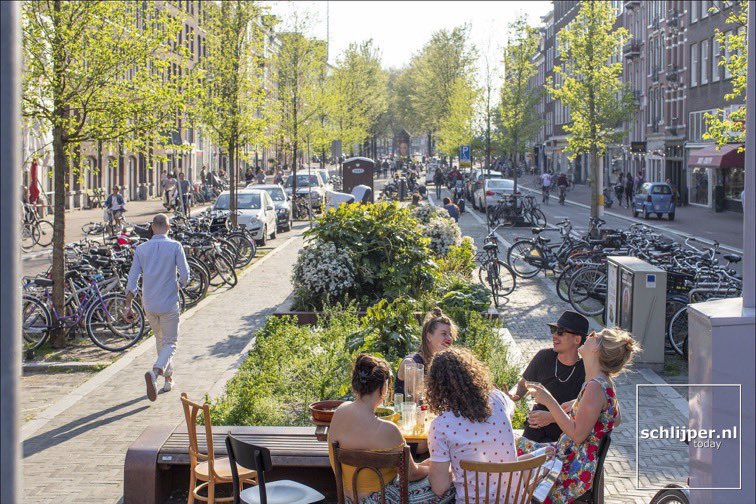
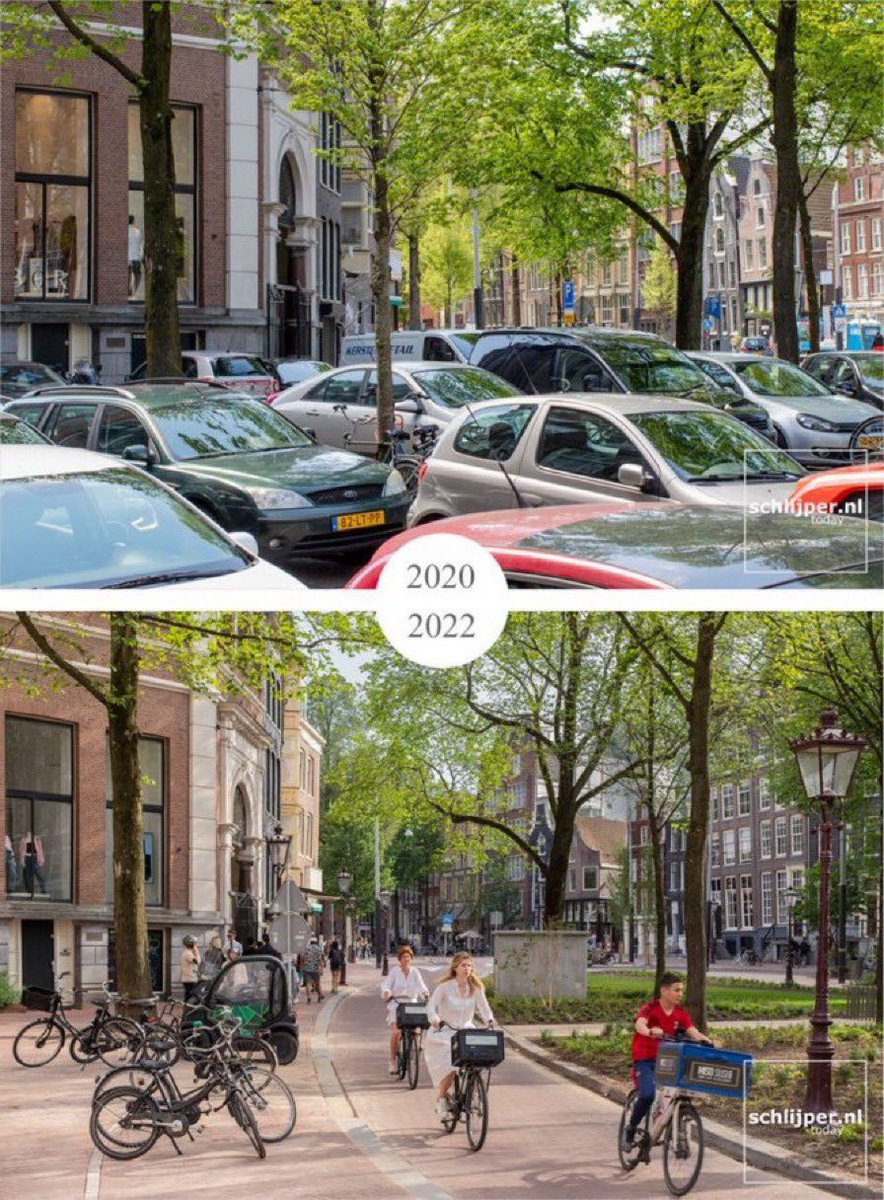
Amsterdam’s plan to remove 11,200 parking spaces from its streets by the end of 2025 is even more inspiring when we realize the kind of people places that are possible where cars used to be. Example — #Amsterdam’s Elandsgracht between 2014 & 2019, via @schlijper’s great pics.
If only it were that easy!
Truthfully, designing and constructing our roadways for increased safety is actually easy, it’s the cutting through red tape that is so difficult!
If your community is having trouble moving projects forward, we can help you get over the hurdles!
In Kansas City, Missouri, artists are transforming an infamous intersection into the picture of safety.
@PattersonNBC shares more details about how the initiative is making cities safer.
The future of urban transportation isn't driverless cars, flying cars and drones. The most inspiring trend before, during and after the pandemic has been the rise of the 'car-free' city, where people, not cars , are the central planning principle.
Ultimately, we need fewer cars and slower speeds in residential areas but in the meantime authorities could make it far easier for communities to make low-cost creative changes to their streets. @RTB_Cheerful https://t.co/2sbpd6XUyu
@JimmyFitzner We are aware of the rush hour back ups… The blinking red lights are an experiment in an “observation phase”, soon Public Works (hopefully with the neighborhood’s input) will decide whether these should stay or revert back to normal operations.