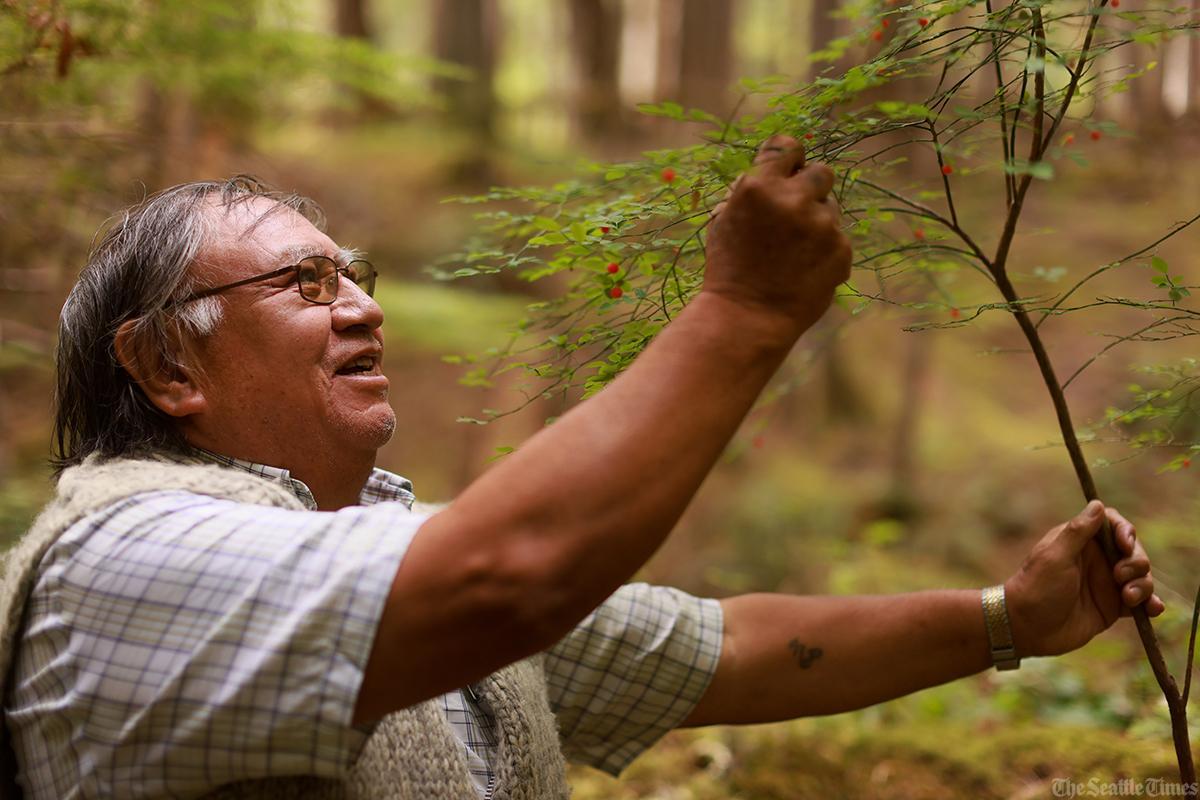
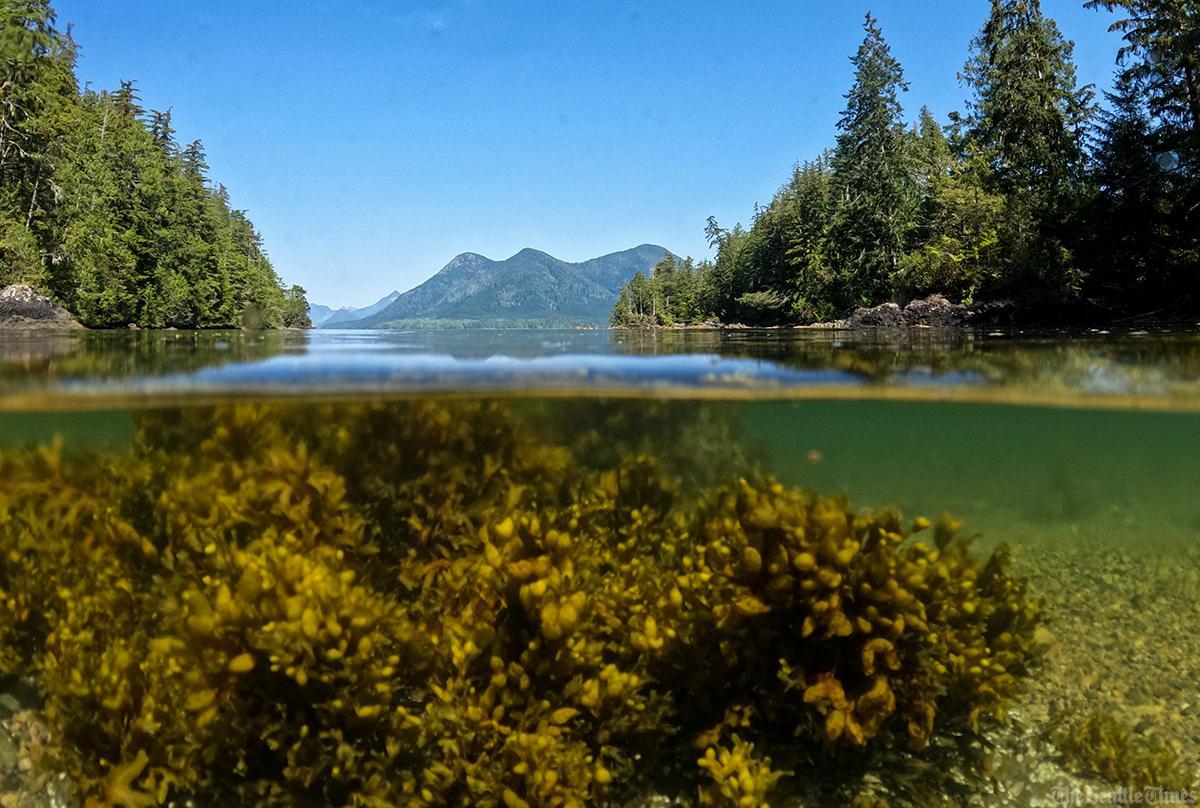
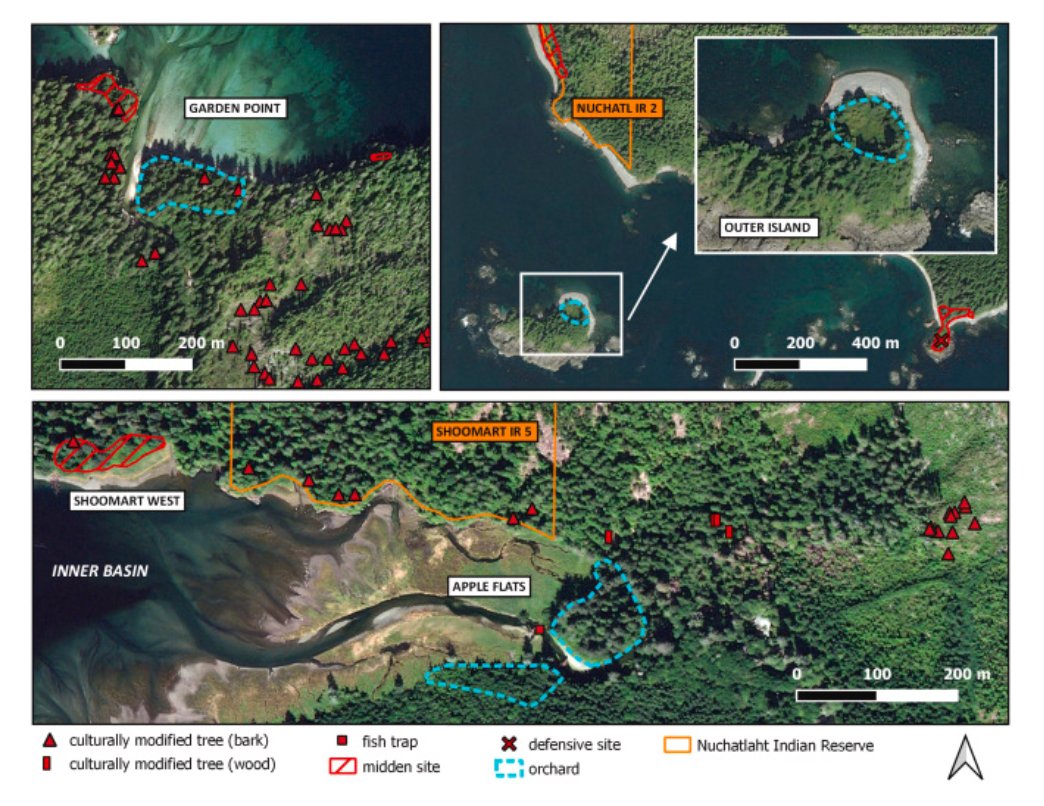
BREAKING: New research published in the Journal of Archaeological Science has found #Nuchatlaht people have cultivated plant foods on Nootka Island (where the Nation is pursuing a claim of Aboriginal Title in BC Supreme Court) for hundreds of years 1/
📰➡️https://t.co/uyO5xBiuFo
Our reporting team traveled to a remote forest off the west side of Vancouver Island to witness an Indigenous-led effort to establish salmon parks. The fruits of this movement could have an impact 500 years from now.
Read more: https://t.co/BIwKCRzZVT
"After decades of forest management that has prioritized timber supply over ecosystems and the health of British Columbia's forests, Premier David Eby announced a transformational shift" https://t.co/gJrfQSzkVi
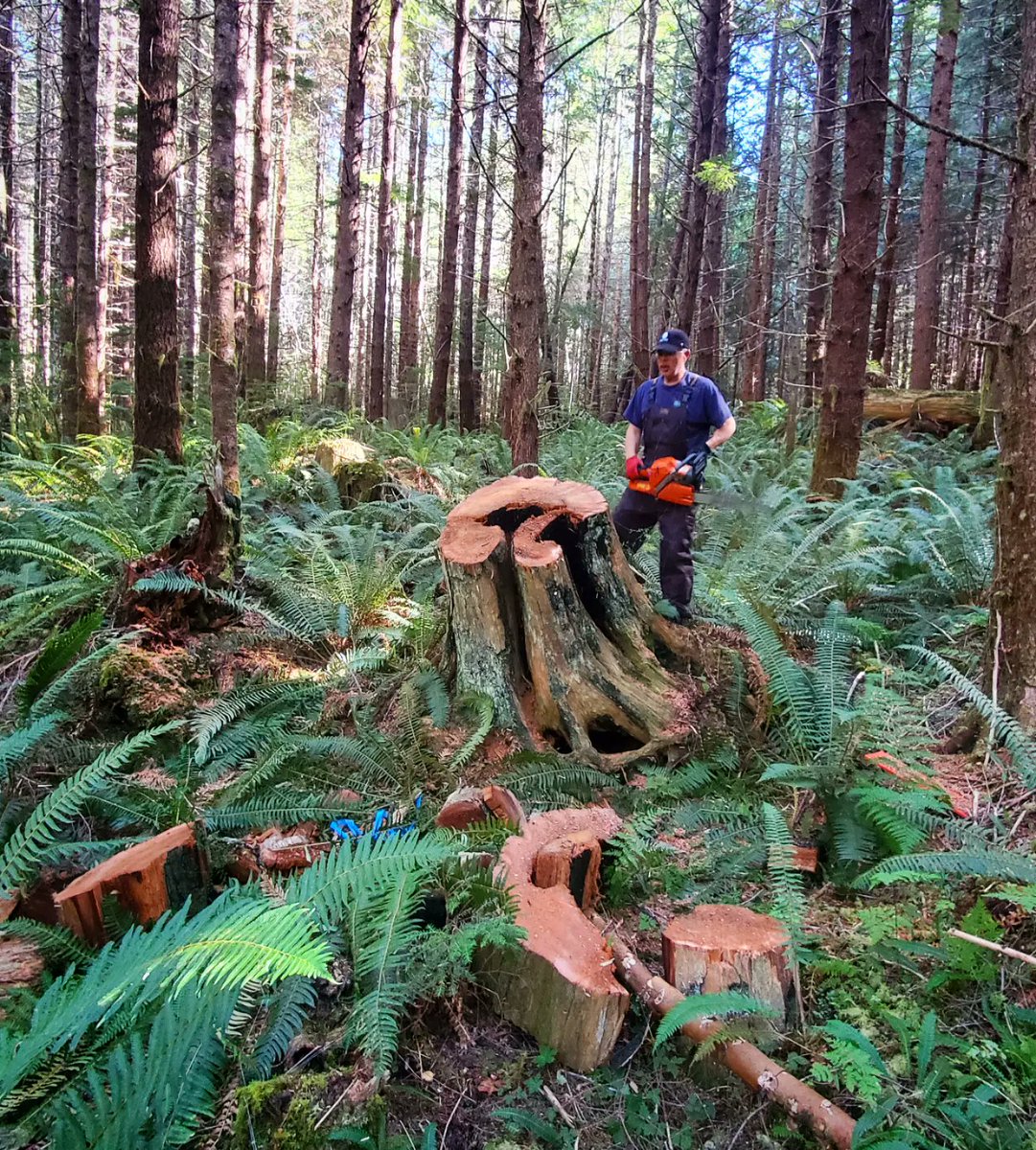
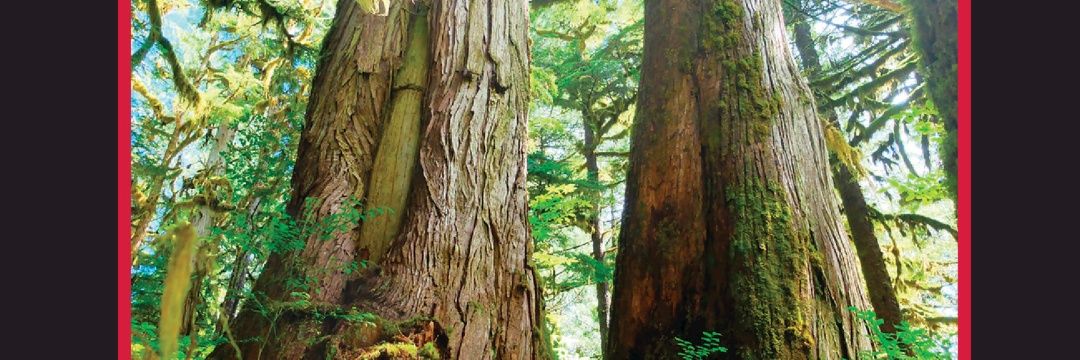
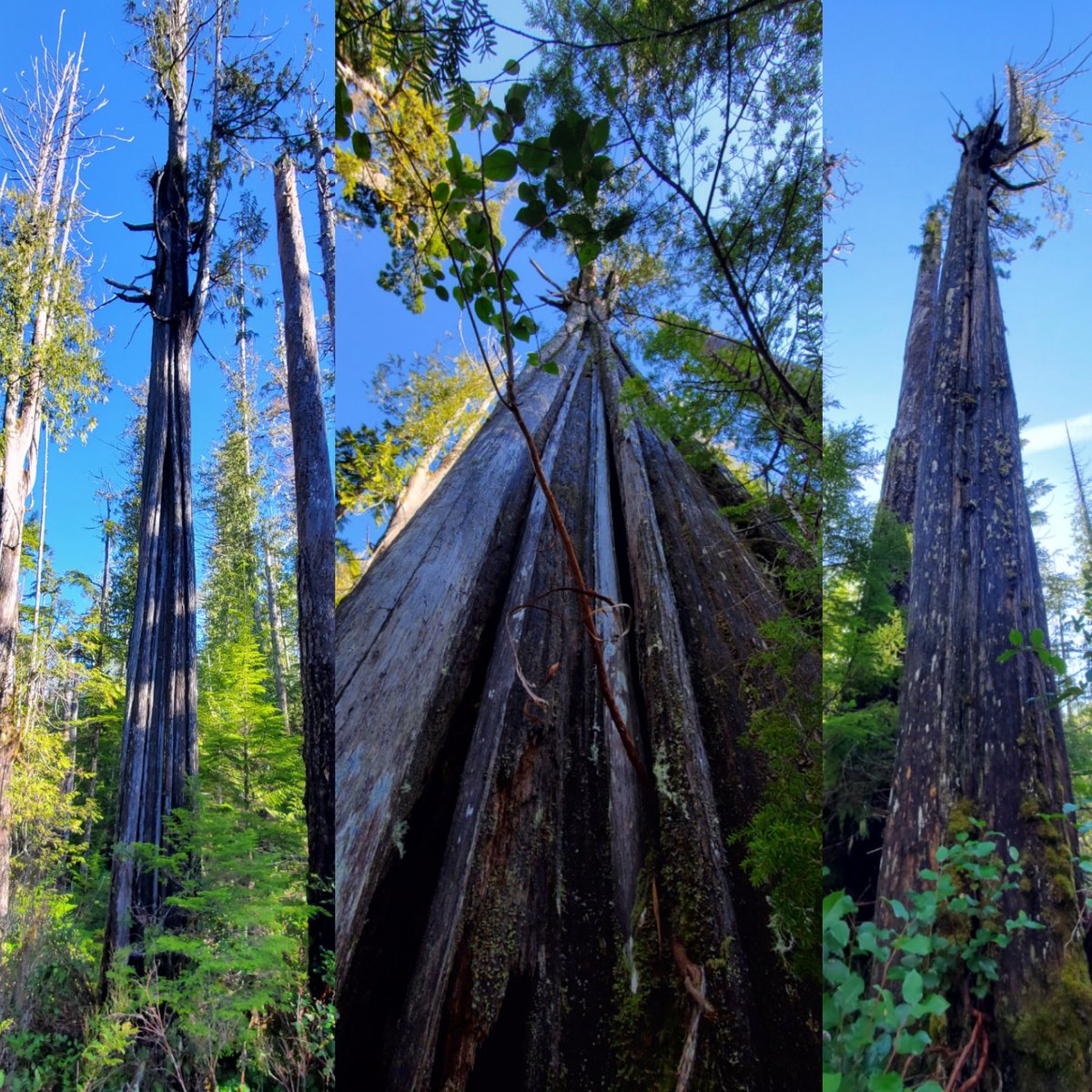
Culturally modified trees are irreplaceable markers of Indigenous Peoples’ history and can even help reclaim jurisdiction over territory. But with little oversight, they’re regularly being cut down by the forestry industry. via @LavoieJudith#bcpoli https://t.co/Qu0Jcj90Us
"Societies that remember ecological information tend to adapt better."
A new #Archaeoecology study led by SFI Fellow @StefaniCrabtree measures how spatial, temporal, cognitive, and cultural limitations affect humans’ understanding of their environments:
https://t.co/qo4QUS65lg
@StefaniCrabtree and our @sfiscience ArchaeoEcology working group wrote an important paper, "Why are sustainable practices often elusive? The role of information flow in the management of networked human-environment interactions". See here,
Less than 20 years ago, the world was headed for a >4C warmer world by 2100. The amount of change that would occur under that much warming, that fast, was almost unimaginable and certainly unsurvivable for human civilization + a large percentage of the world's species. (thread)