Swansea University @PERCEPTIONS_EU team
@EU_H2020 project investigating #perceptions of the EU and Europe by migrants
Funded under Grant Agreement No 833870
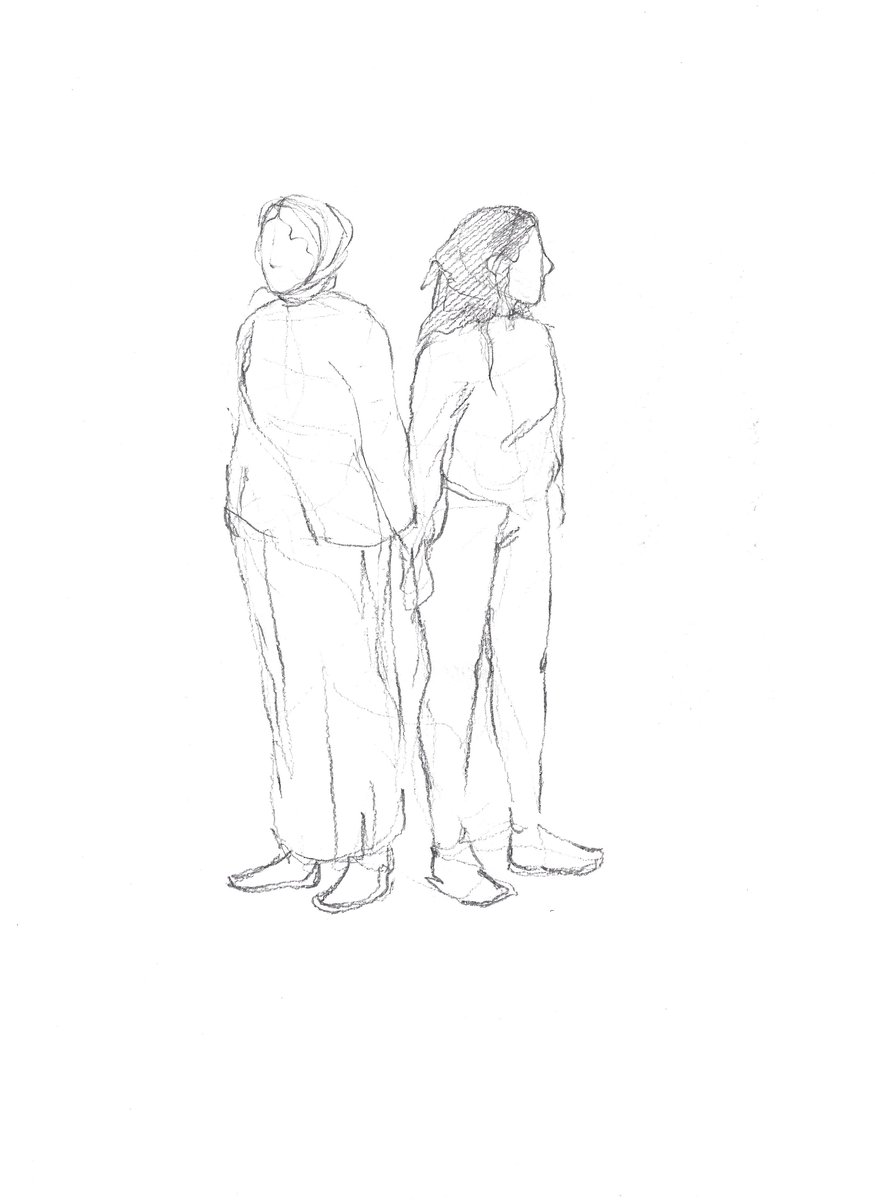
5/5) Like migration, drawing is a journey that unfolds beyond the author's will, “a line going for a walk,” as Paul Klee explains. Drawing makes it possible to find a different voice, in other-than-words. @swanscience @SVShubin@harrison_rees@RGS_IBG@SwanseaGeog
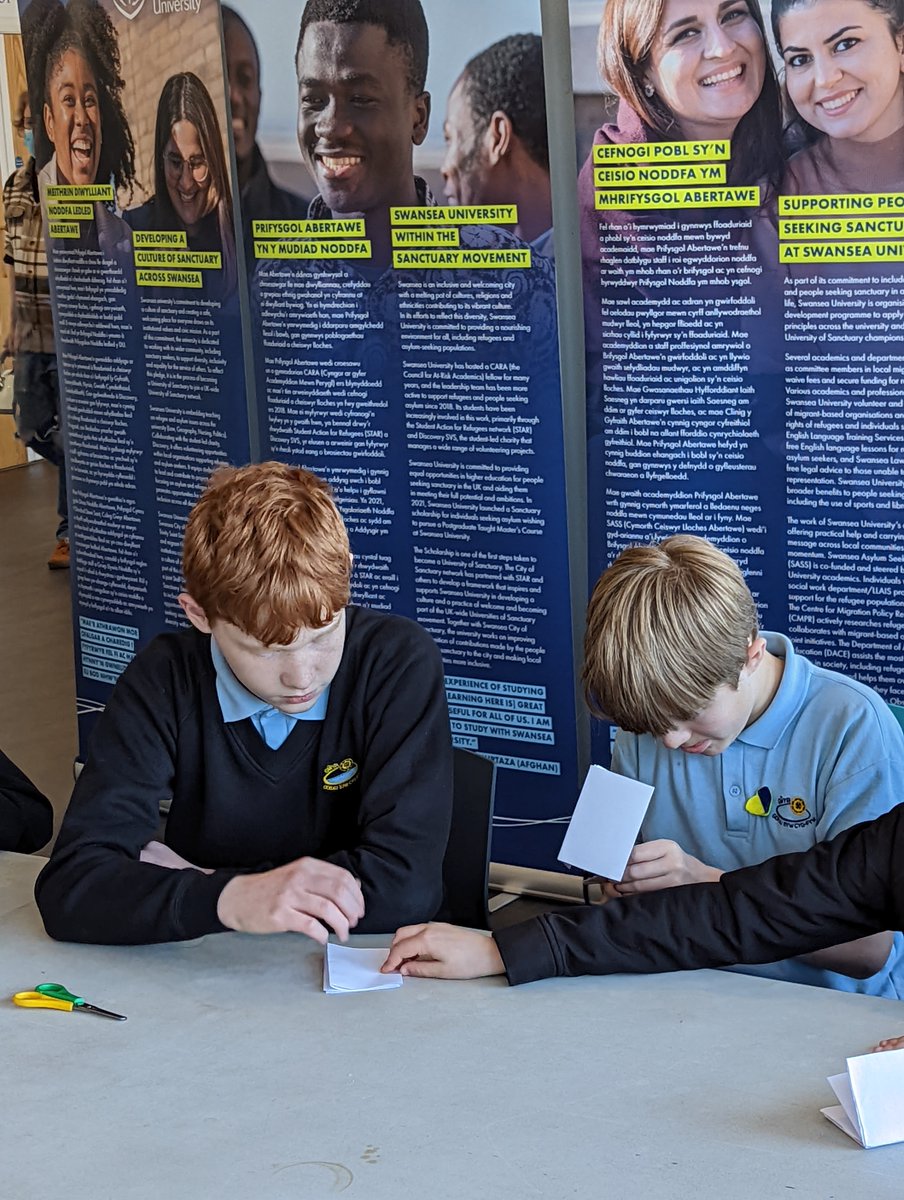
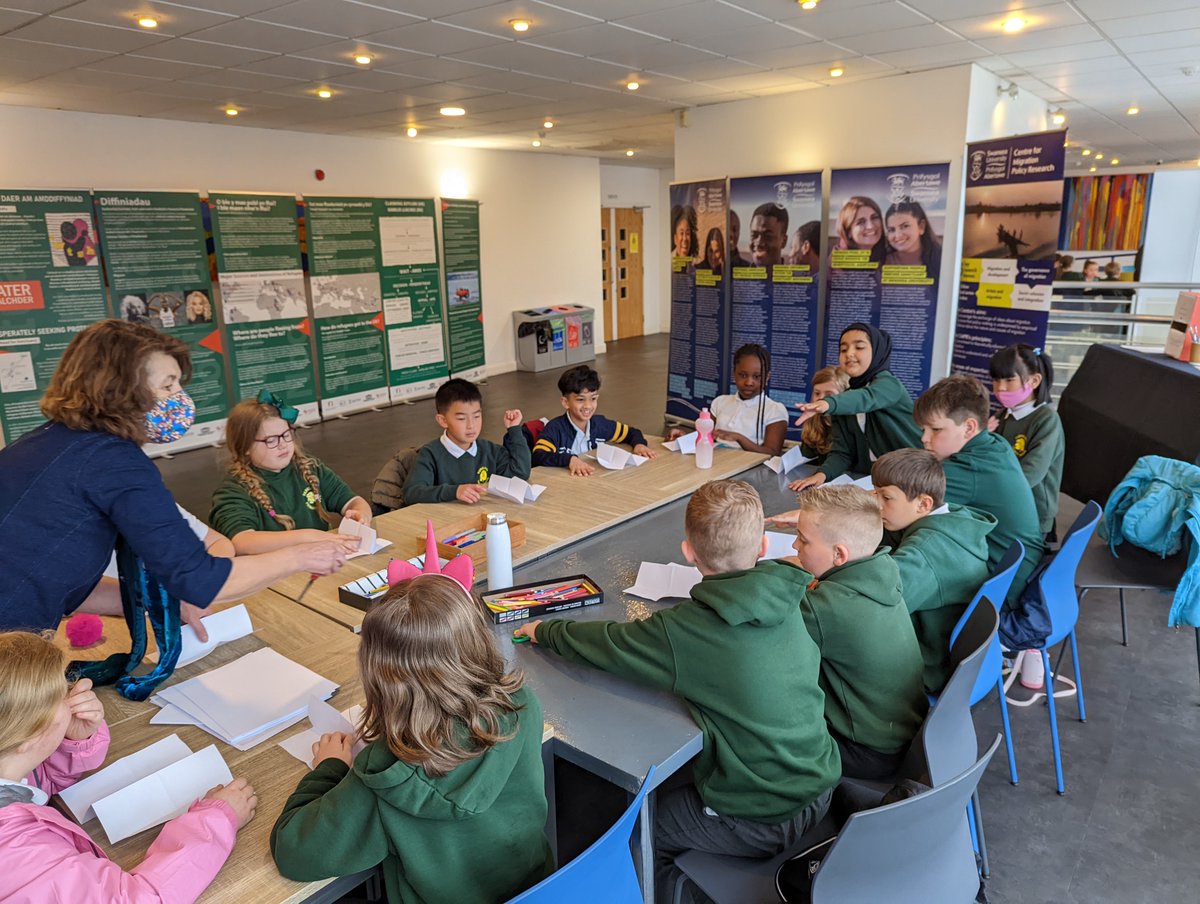
1/5) How can we make sense of @PERCEPTIONS_EU migrant interviews using art-based methods? Sara Holden explains in the video the educational outcomes of @SwanseaUni workshop with children @YGGYWR, @StJosephCPS, @HafodPrimary & @ParklandPrimary and changing #migrant#PerceptionsEU.
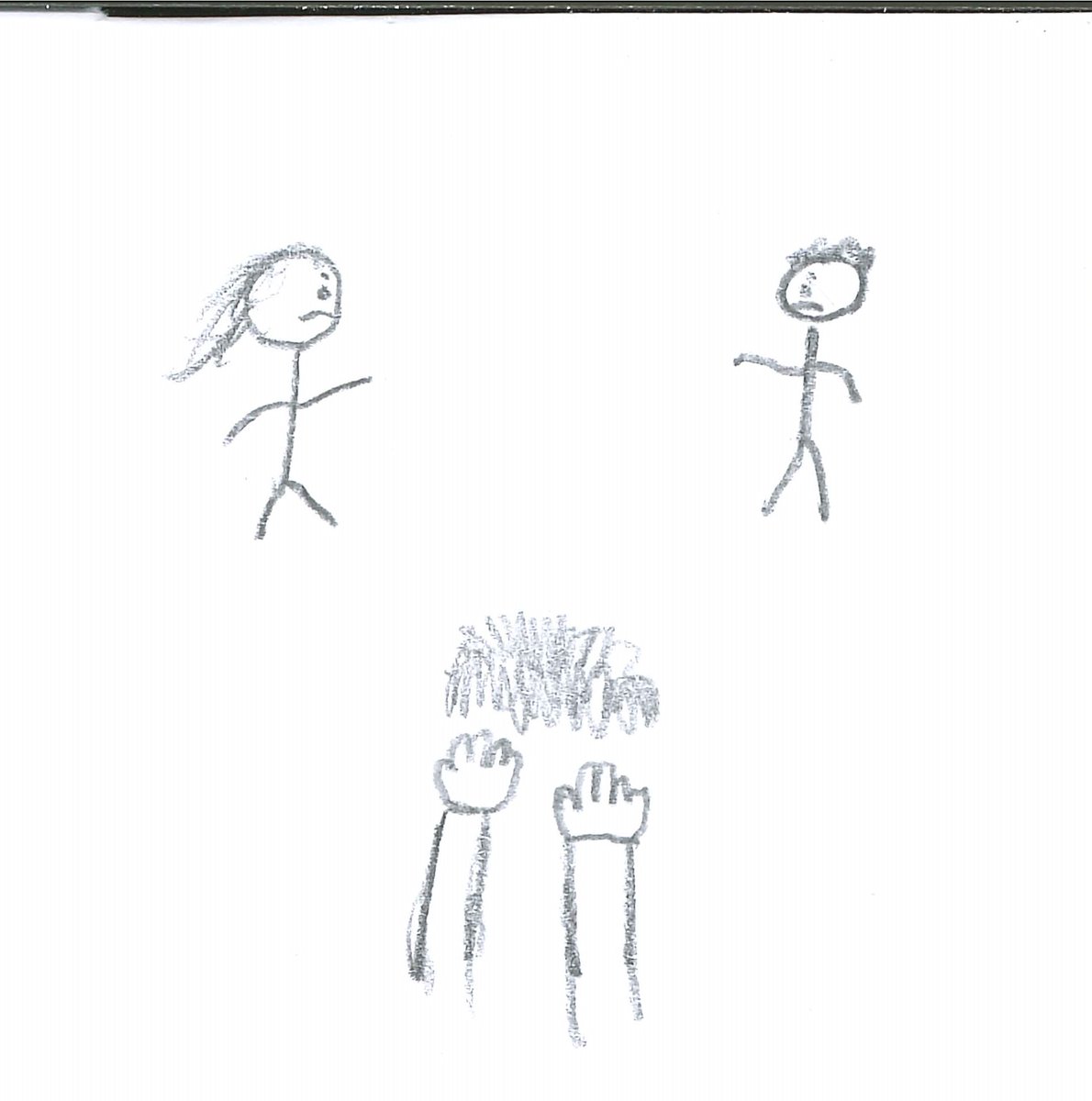
4/5) @PERCEPTIONS_EU migrant interviewees expressed loss as the sense of rootlessness in unfamiliar environments, which are difficult to put into words: “I really like … I miss my friends, I miss my BFF, I miss my family, but I like to live here.” (Brazilian Female).
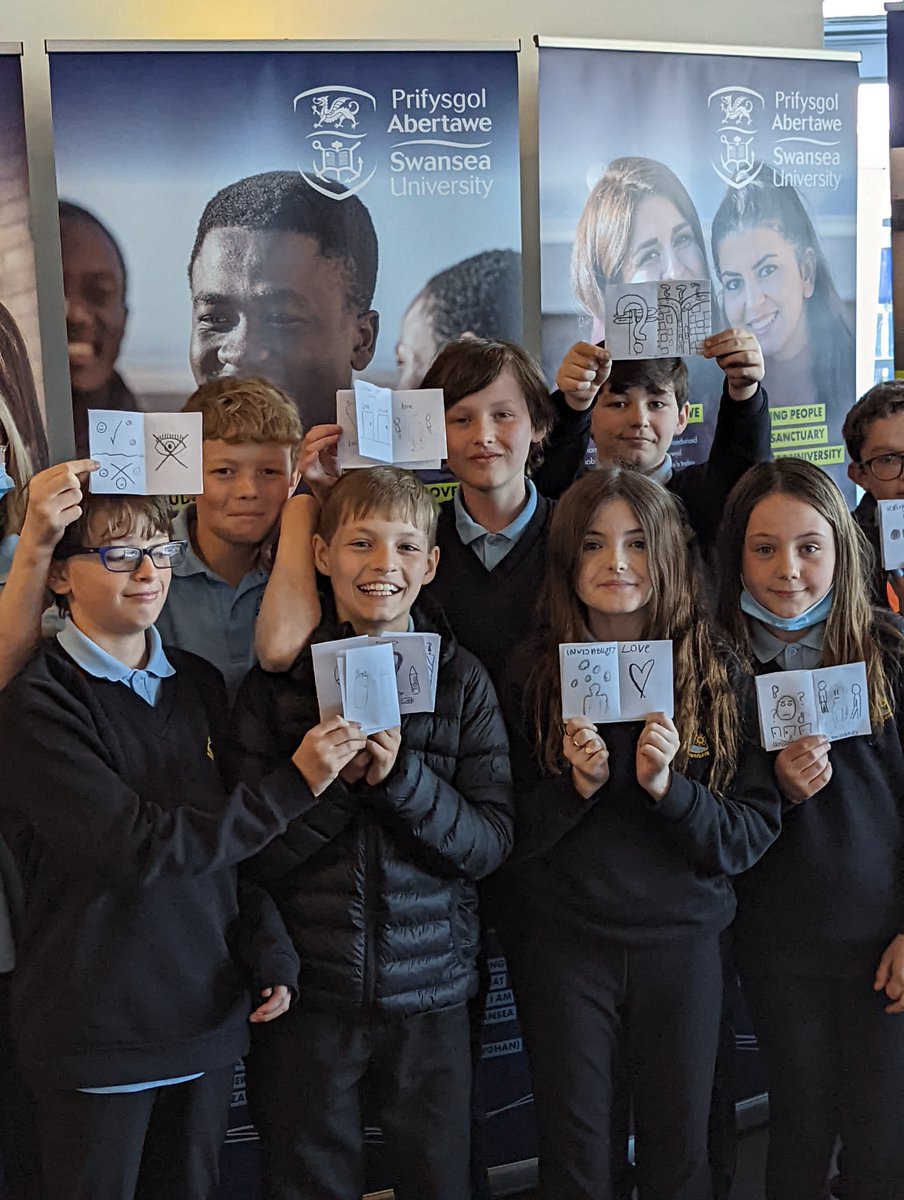
5/5) ‘Little migration books’ encouraged a welcoming culture for newcomers, changed perceptions of migrants, offered emotional responses to #migration & supported the schools’ missions as places of sanctuary. @swanscience @SUEngineering @SUSportsScience @SVShubin@harrison_rees
1/5) Can artistic activities improve Swansea pupils’ empathy for migrants? Follow this thread & see how @SwanseaUni@swanseageog@PERCEPTIONS_EU & artist/practitioner Sara Holden innovatively re-imagined migration in educational workshops with local children. @RGS_IBG#education
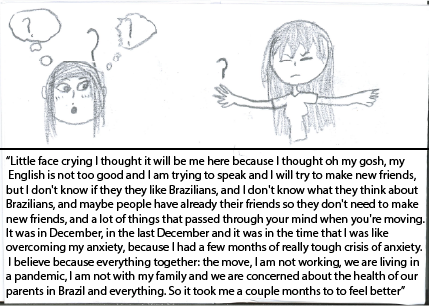
4/5) Finally, we listened to anonymised migrant interviews & collaboratively re-thought the concepts with the children so they reflected & drew their own vision of these terms, one per page.
See the photo for an example of one of the interviews & 'little migration book'.
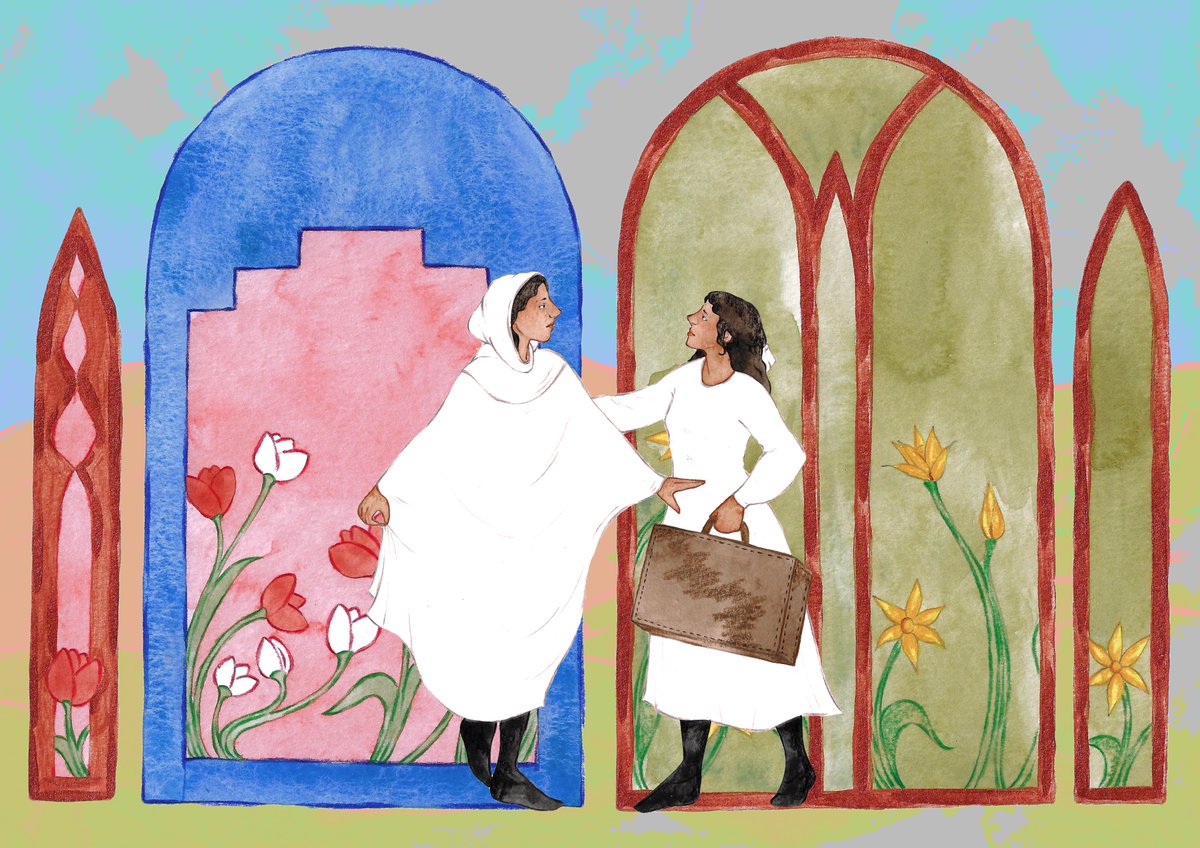
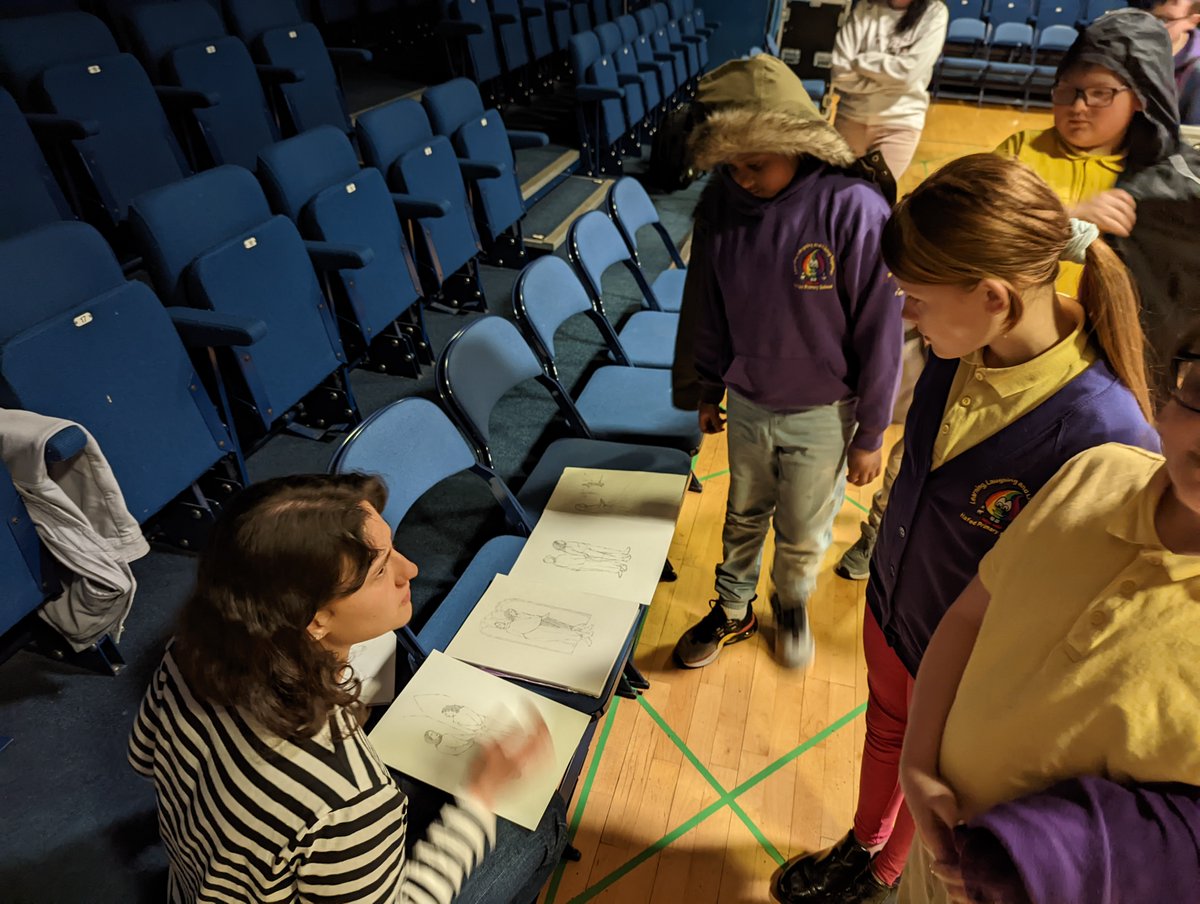
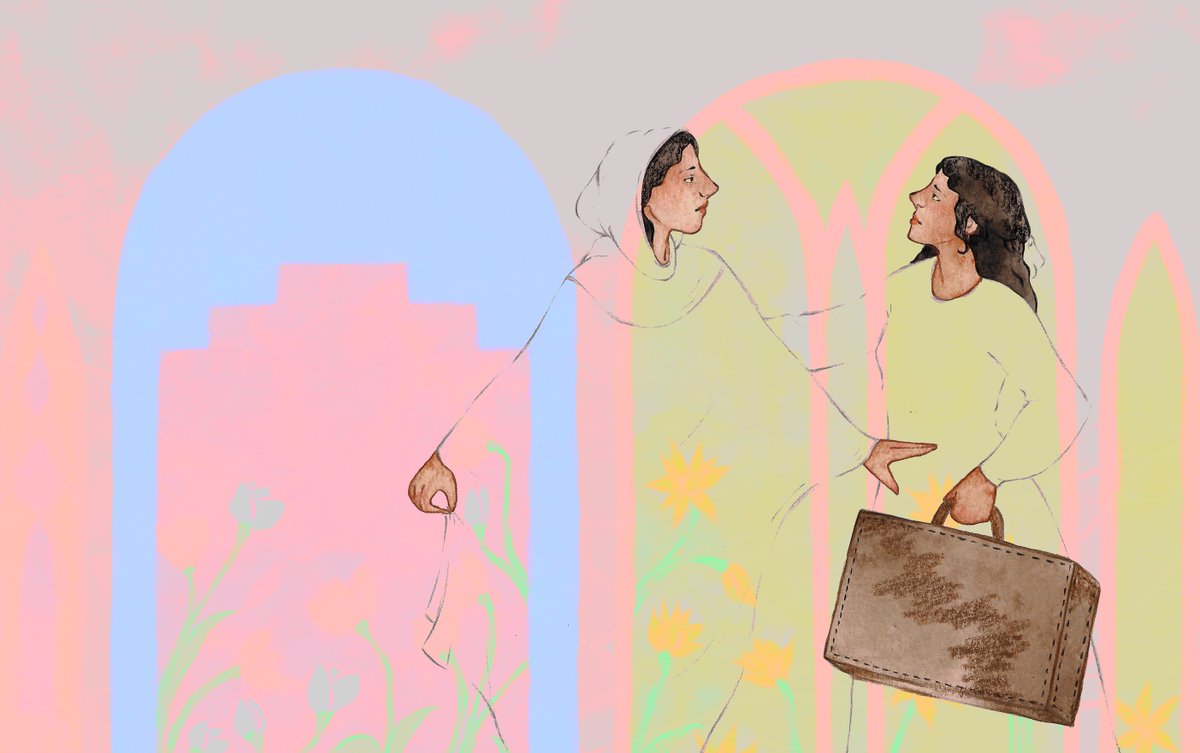
3) During Sweeta's talks, illustrator, Carys Walsh, was translating her story into art. See our previous post to see how Carys' beautiful illustrations encourage engagement and empathy with migration themes. @SUEngineering @SUSportScience @swanscience @SVShubin@harrison_rees
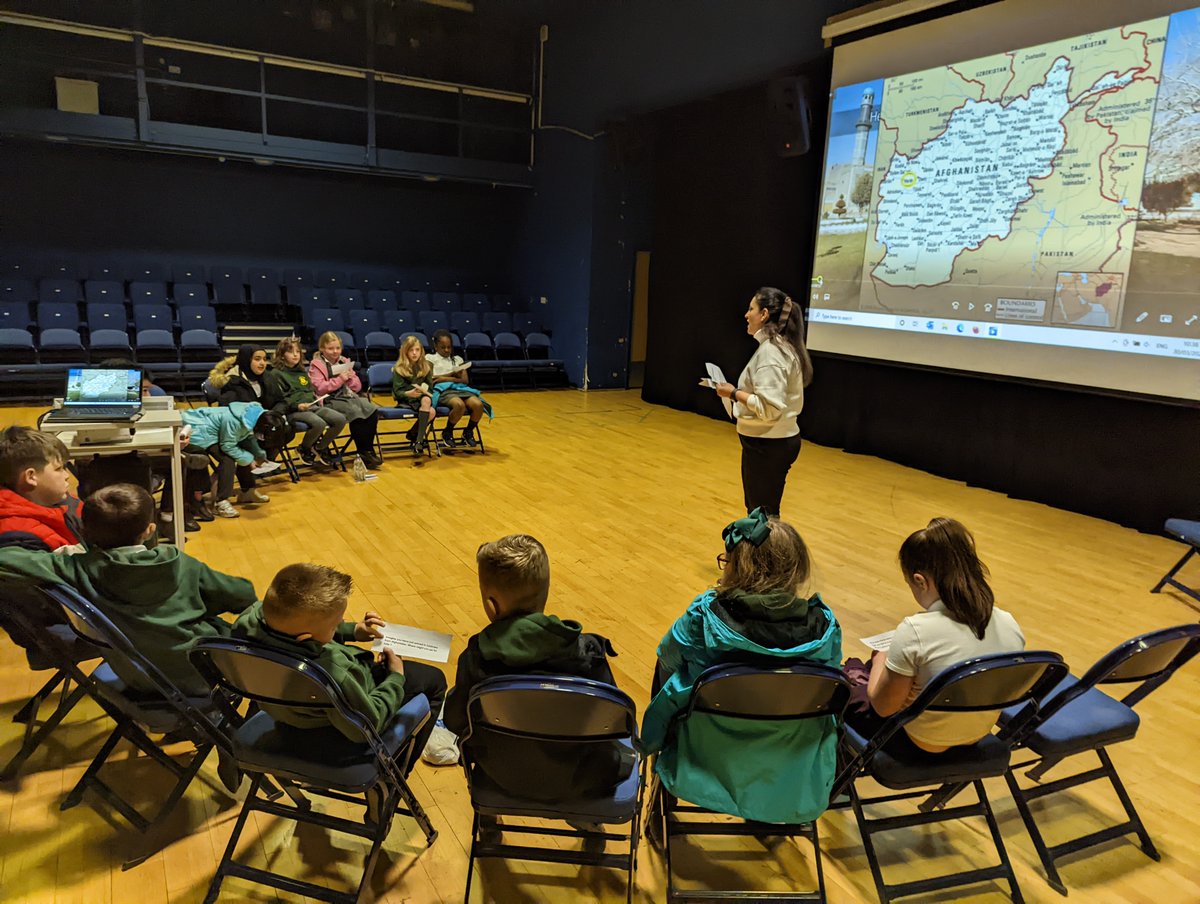
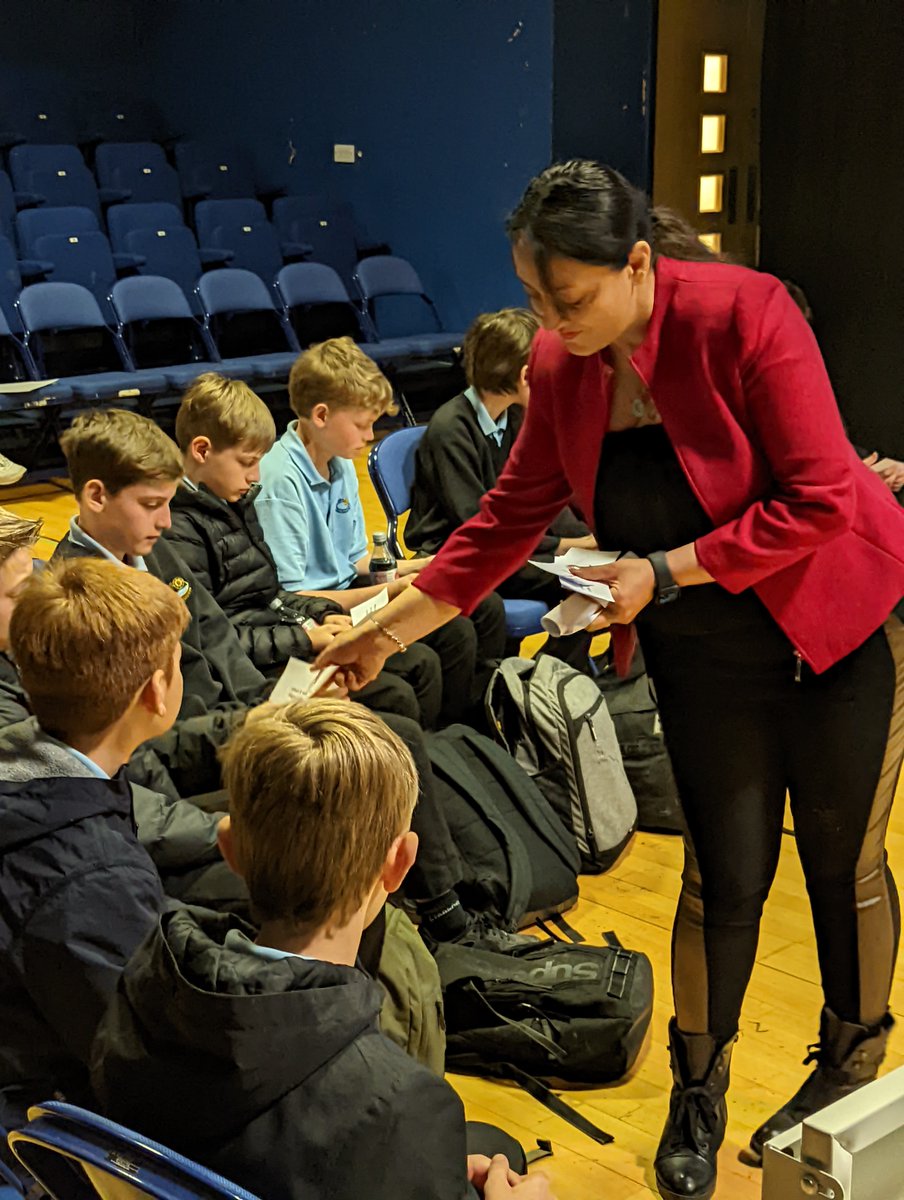
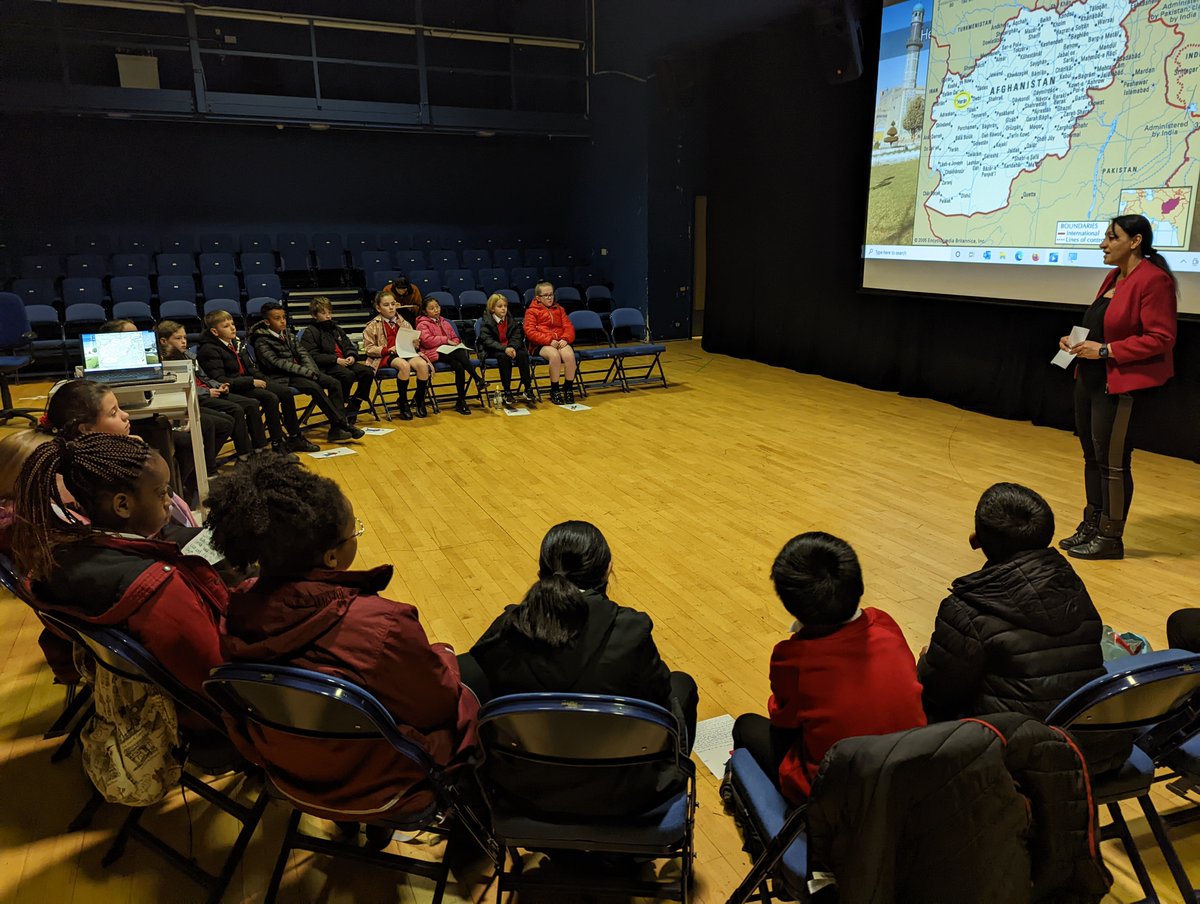
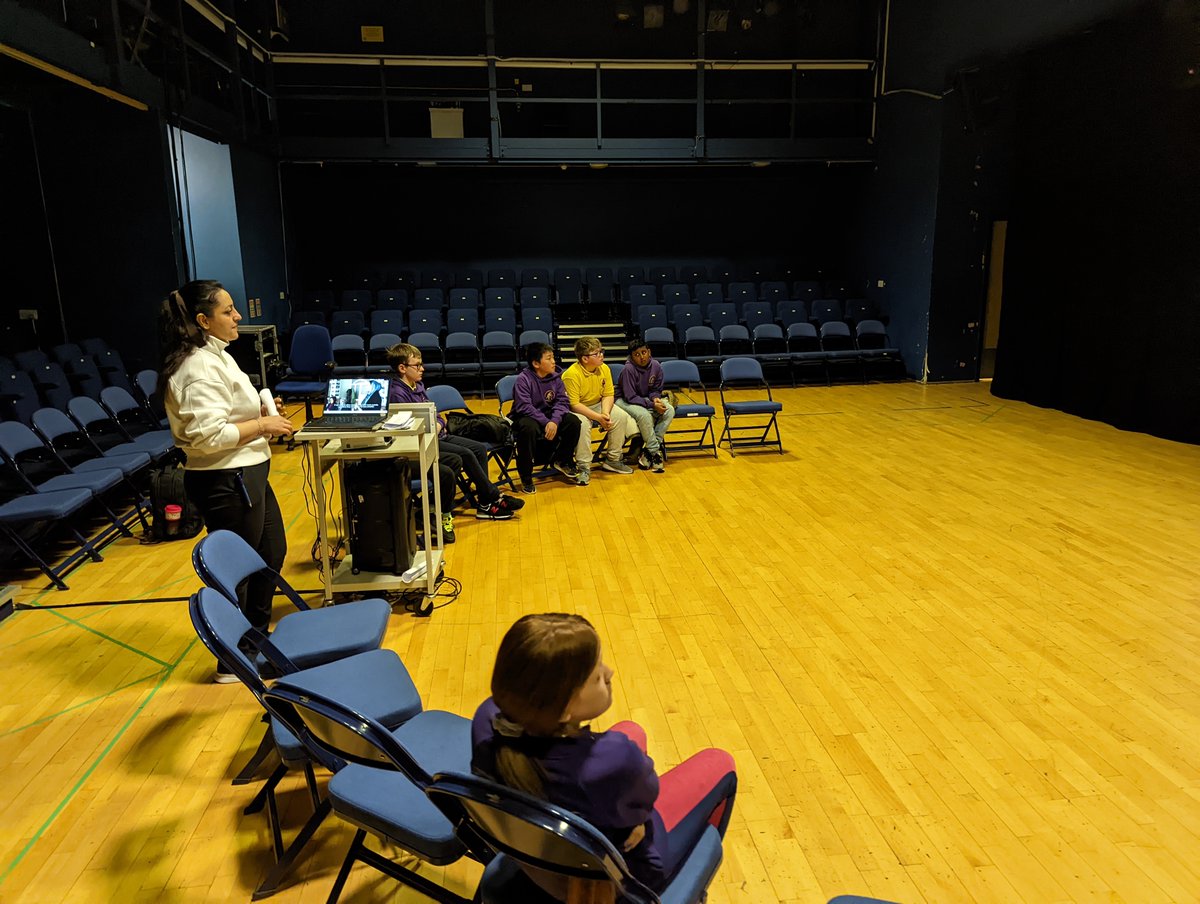
1) Thank you to the 250 children aged 8-11 & teachers from @hafodprimary@yggwyr @ParklandPrimary @StJosephsCPS4 that welcomed Afghan filmmaker & activist Sweeta Durrani, engaged with her migration story & Carys Walsh's illustration at the @SwanseaUni@PERCEPTIONS_EU workshops.
2) The children answered questions about Sweeta's story, Afghanistan and a short film that showed her life there. Sweeta also shared the resonating and traumatic experience of having to leave her children behind when fleeing the country and her hope to be with them again.
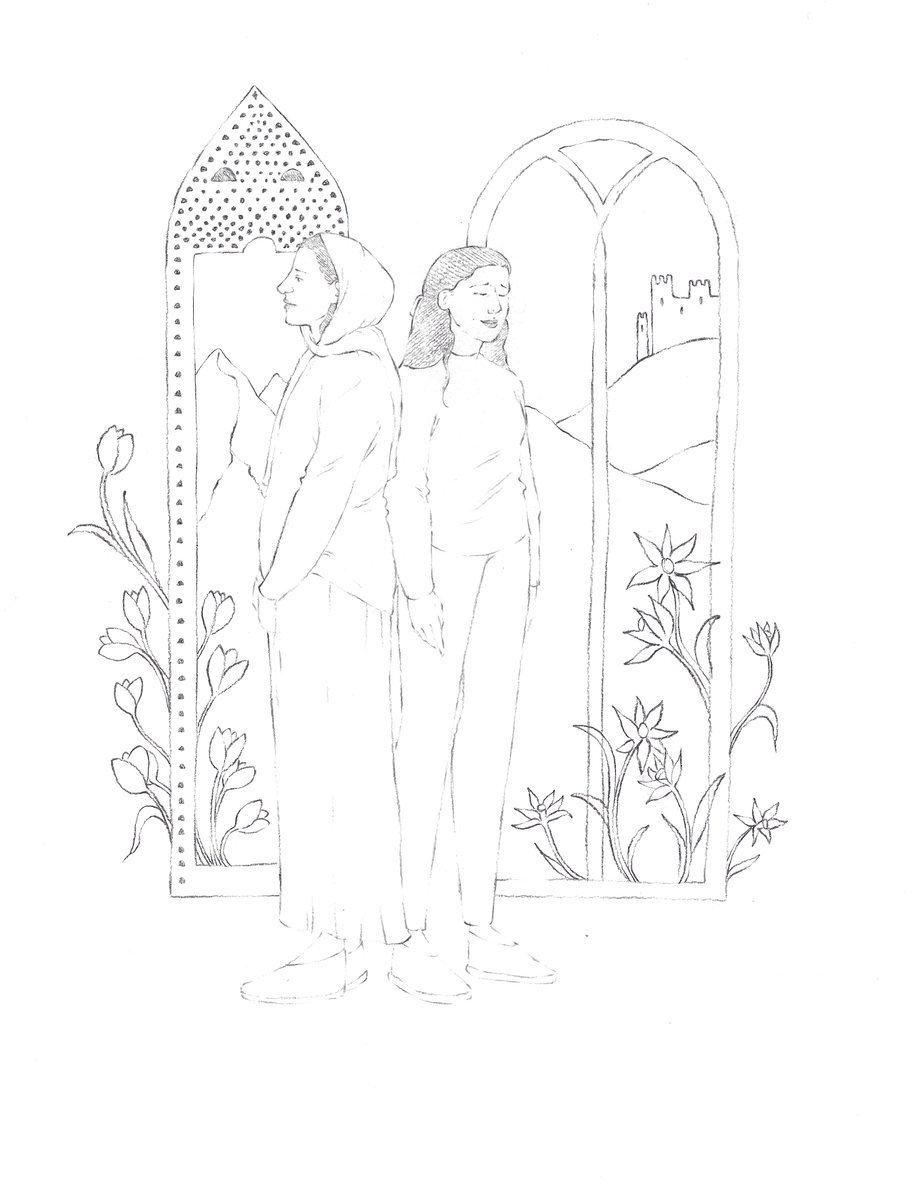
1) How can illustration make us re-think migration stories? During Swansea's @PERCEPTIONS_EU workshops, illustrator Carys Walsh beautifully drew activist & filmmaker Sweeta Durrani's story, reflecting themes migrants expressed in PERCEPTIONS’ interviews: hope, loss & uncertainty.
2) Illustration is empowering. By immortalising the oral history of migration stories into a physical, artistic form, it highlights story themes that migrants consider important, encouraging viewers to infer & empathise with those stories without explanation through language(s).
#BehindTheScenes of #DYSTOPIATheFilm: Esther Mamadou enjoys having her make-up done for an upcoming scene.
@swanscience @SUSportsScience @SUEngineering
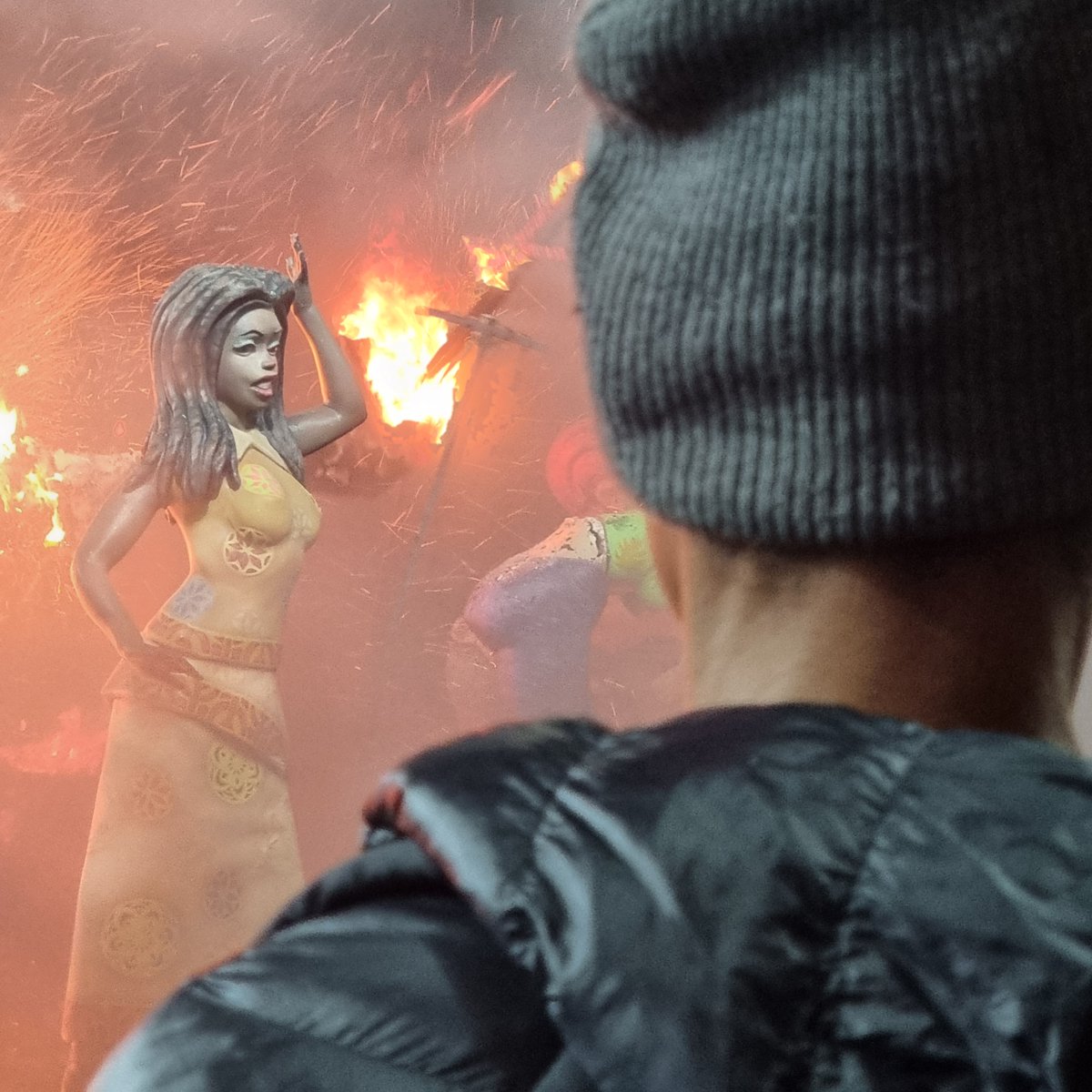
1) #DYSTOPIATheFilm explores how film can reflect contested, overlooked meanings of migration (poverty, uncertainty, inequality) and challenge common cinematic perceptions of migrants, where their individuality and uniqueness are often limited to standardised stereotypes.
2) It was accepted that no single migrant reality was waiting to be filmed but multiple, with meanings attached to uncertainty, invisibility, hope experienced in migration and those captured on camera.
@PERCEPTIONS_EU@SVShubin@harrison_rees@SwanseaUni
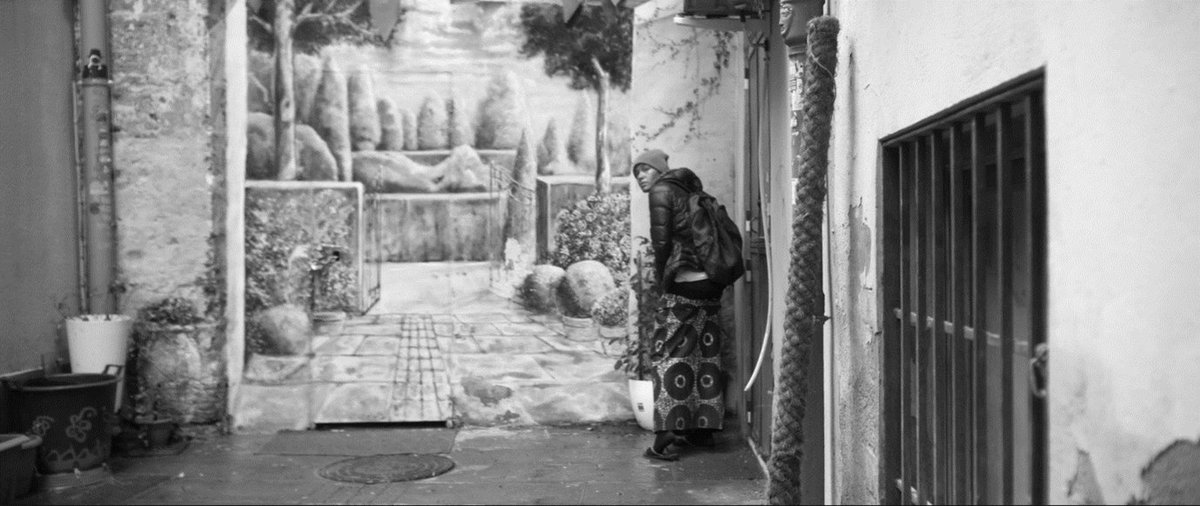
1. #DYSTOPIATHEFILM and @PERCEPTIONS_EU both challenge simplistic “true”/“false” perceptions of Europe. This shot from the film depicts the troubled experience of SPAIN (Esther Mamadou), with the background of an idyllic vision of Europe.
2. [S]PAIN’s PAIN and invisibility are hidden in the foreground, with local people unwilling to notice and take responsibility for migrants’ plight. As SPAIN, Esther expressed the experiences of migrants she encountered in Valencia of racism, exclusion, precarity and depression.