@amba_rose Gaiarbau (Willie McKenzie) with his token stingless bee Tetragonula carbonaria at the top of the arch. I advised Rhyl when she carved that in 1998. This month I am writing a story about him for The Cross-Pollinator. Good luck with yur doctorate.
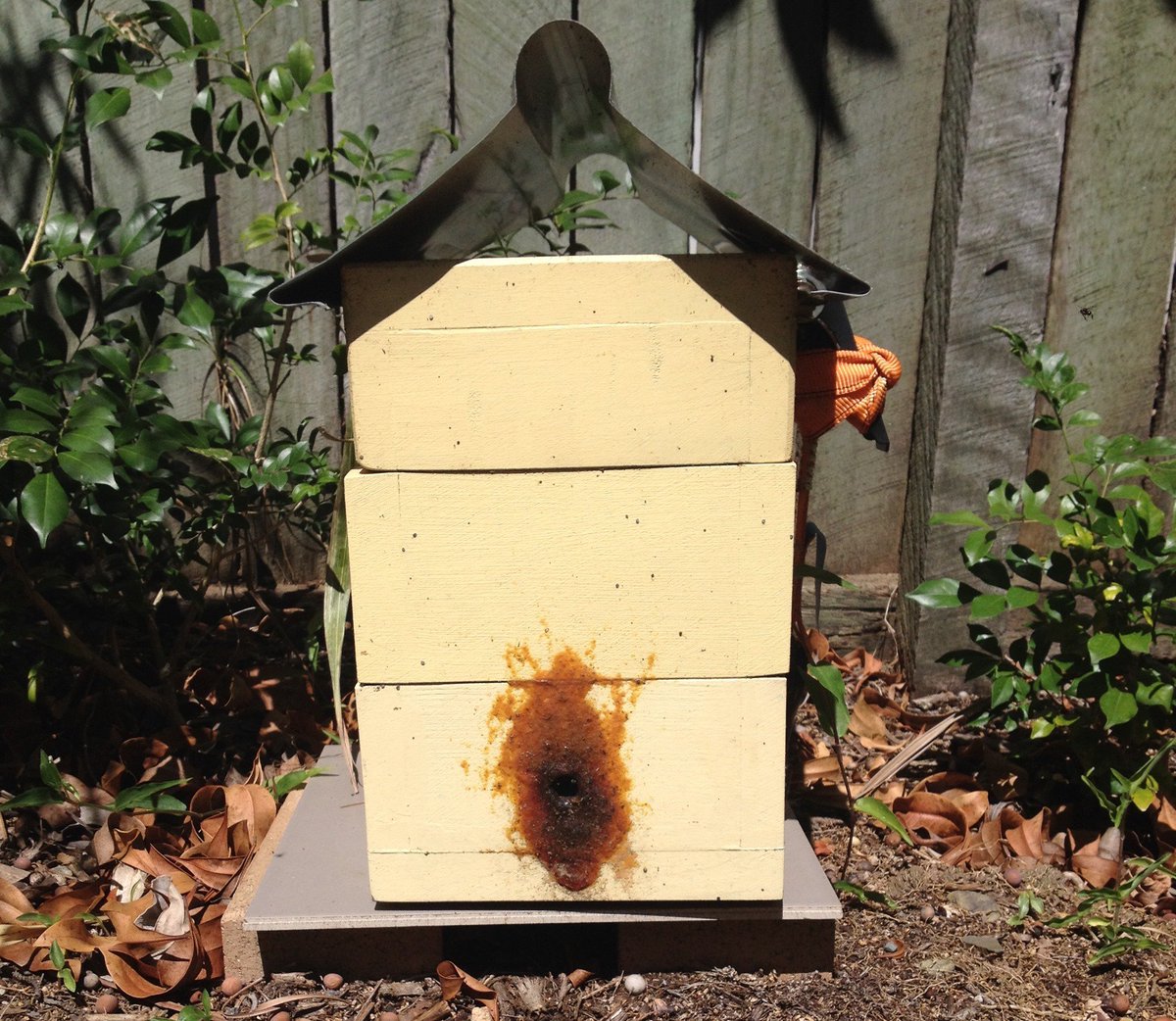
Austroplebeia australis stingless bees protect the nest entrance with a resinous curtain that they put up each night and take down again the next morning
Tetragonula hockingsi are great defenders. When honeybees try to steal honey from an open nest cavity, these awesome little stingless bees know just where to attack and how to avoid stings. Footage via Terry Stevens from Hervey Bay. @EcologyToby @SugarbagBees
Can Australian native stingless bees contract deformed wing virus (DWV)? DWV does not occur in Australia, but could arrive with its main vector, the varroa mite. This important research will help Australia prepare for this probable biosecurity incursion. https://t.co/hRlo1FIcZU
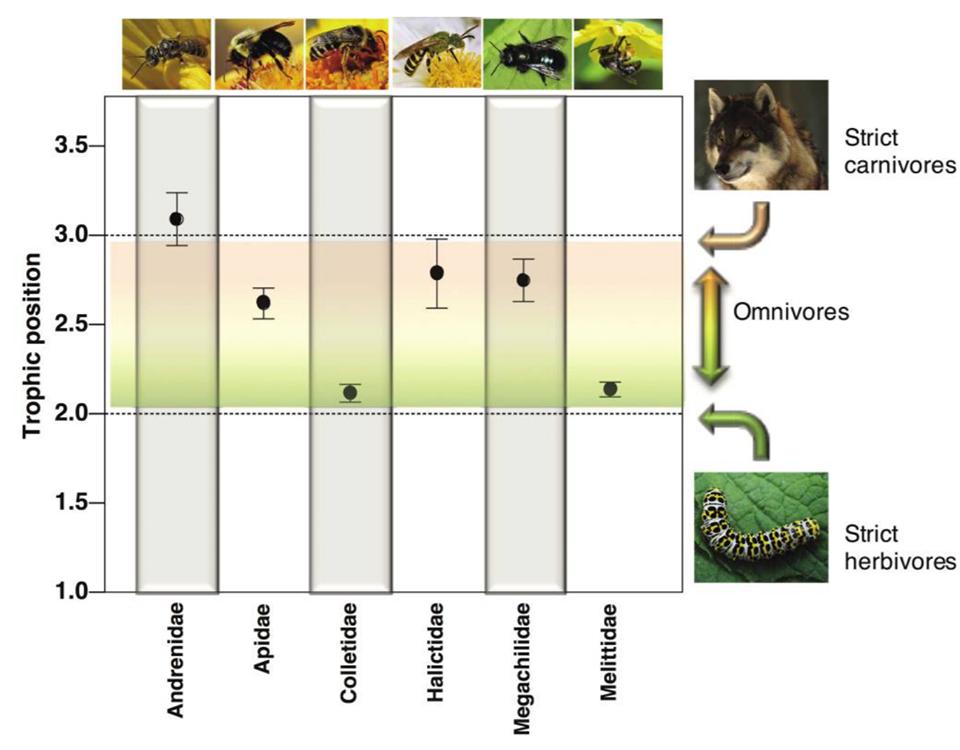
In this recent study, bees are shown to be omnivores that derive much of their nutrition not just from pollen and nectar but from the abundant microbial communities which feed on the pollen before it is consumed by bee larvae. (Steffan, et al. Am. Nat. 2019. Vol. 194, pp 414–421.
The Australian Native Bee Conference is on again this year! 5–7 December 2019, at The University of Queensland, Brisbane. Hosted by the Australian Native Bee Association. This year the conference is over three days. It will be awesome! https://t.co/ddfJjhTlfS #bees#ozpollinators
Our paper out on pathogen spillover from honey bees to native #stingless#bees published today: https://t.co/azC2qYe0Eo. Congratulations to my honours student, Terry Purkiss, for his first publication! (photo credit: Peter Yeeles) @TESSJCU@enviro_sci
Details of the 2nd Australian Native Bee Conference released (Brisbane 7-9 Dec). three days of speakers, trade shows, a field trip and a hive exhibition. Register by 13 Oct for Early-bee discounts. To register, and find out more, go to: https://t.co/QGSfa8Re8w
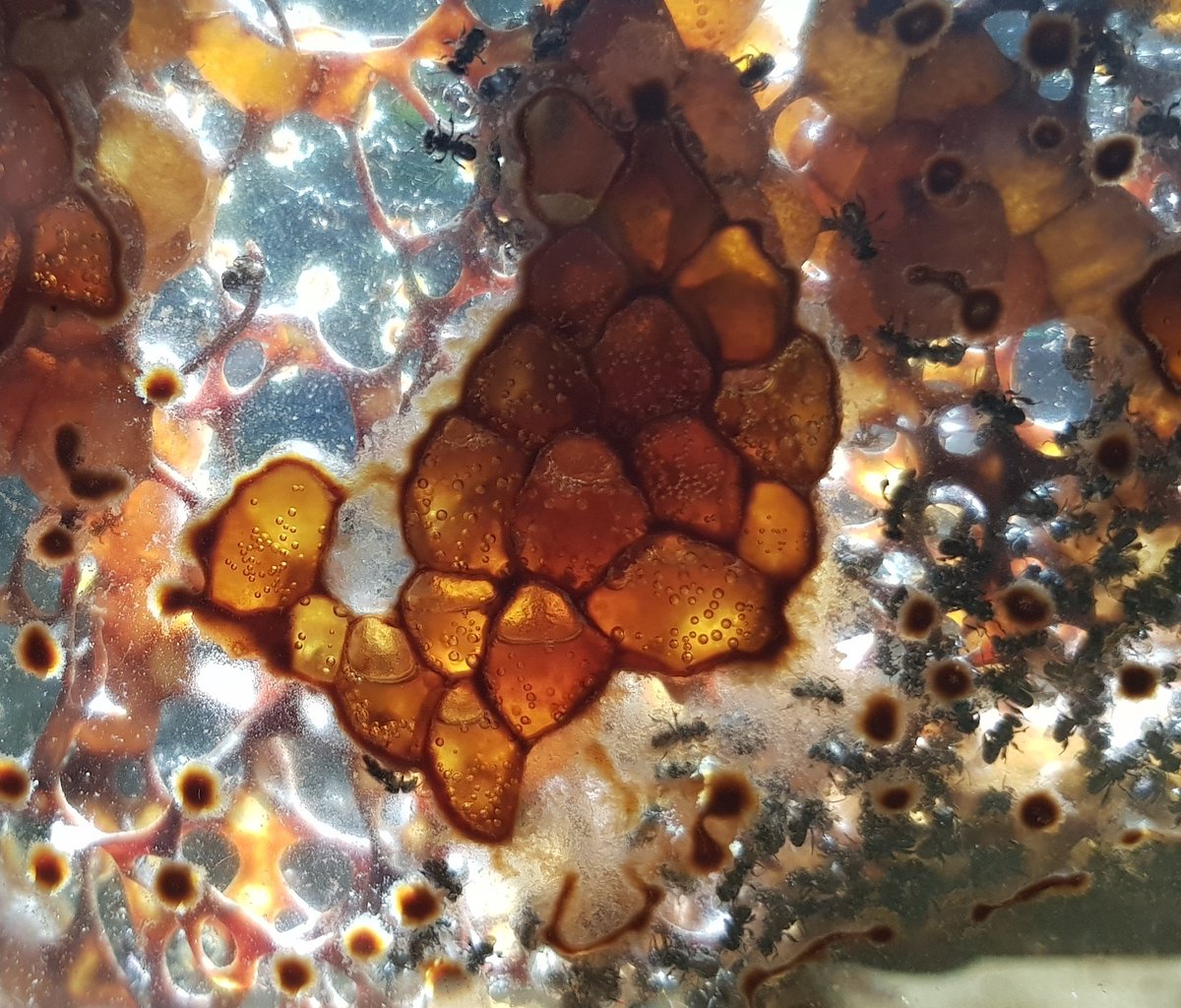
Stingless bee egg laying. See how quickly the queen deposits an egg in the cell of this carbonaria stingless bee nest. Worker bees take hours to construct and provision a new cell but the queen lays an egg, which is visible in the cell, in a flash.
https://t.co/V5kyBYHUKT
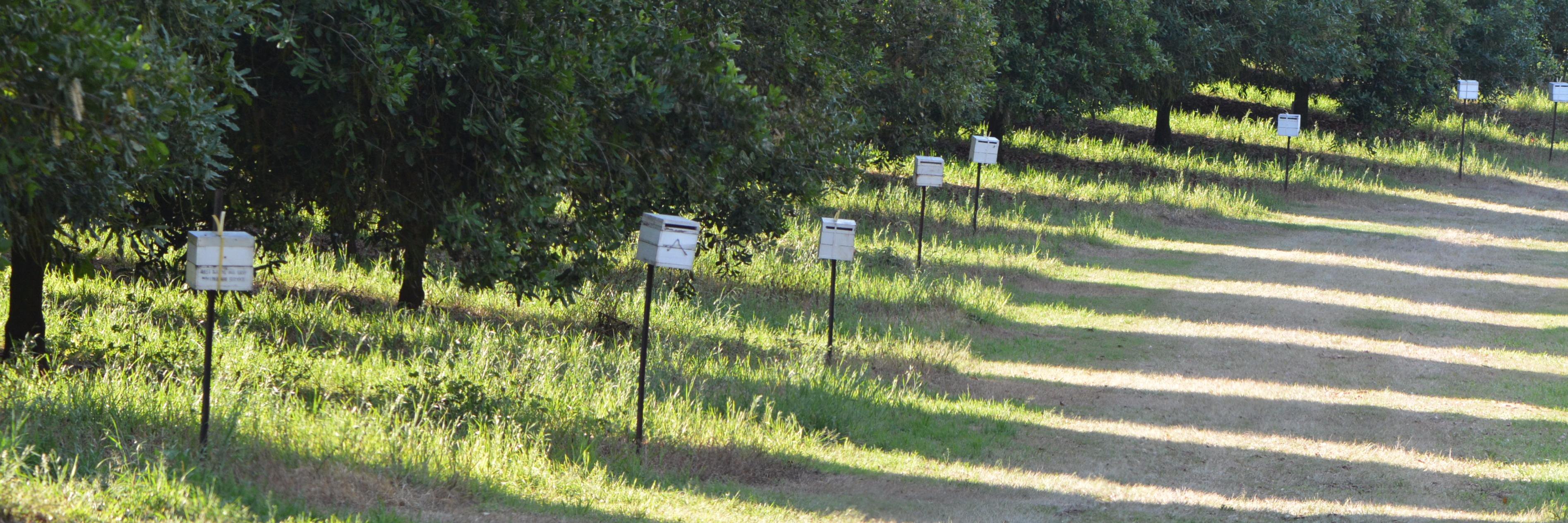
Visit from the talented Shane Christensen, wood carver whose works house stingless bees. We coupled “Battle of the bees” to a strong hive to bud into this castle hive boxhttps://www.facebook.com/sugarbagbees/photos/a.793375797348542/2539310262755078/?type=3&theater
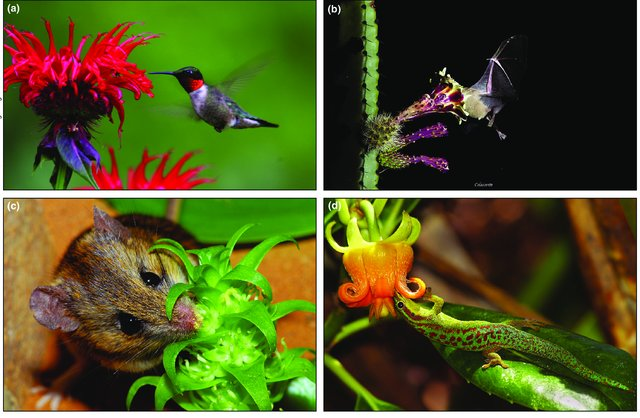
Insects are not the only pollinators. Excluding vertebrates from plants that are visited by both insects and vertebrate pollinators reduces fruit set.
Ratto et al. 2018 Global importance of vertebrate pollinators for plant reproductive success: A meta-analysis. Front Ecol Env.
Varroa mite is a threat only to Apis honey bees; it breeds only in their hives and will not attack other bee species. It has co-existed with many species of native bees for thousands of years in SE Asia, with no reported cases of the mite using other bees.
https://t.co/3p0SAVqroK
John Pallet keeps his carbonaria stingless bees in SE Queensland. He splits his hives in winter with great success. His rationale is that there are fewer pest around at this time of year. Thanks John, for proving an alternative to conventional wisdom.
https://t.co/a3zNHLXqhk
Comparing stingless bees and honey bees for berry pollination. And how to reduce drift fighting between hives using coloured markers.
https://t.co/96QbqrfNes
Will varroa mite affect native bees? Varroa is a threat only to Apis honey bees; it breeds only in their hives and will not attack other bee species. Its biology is closely tuned to its host making it very unlikely to switch its host range to native bees
https://t.co/zCXe4CtYwA
Size of the population of a nest of stingless bees is an important factor in surviving cold weather. A populous colony, like this one, will generate more metabolic heat, which will help to keep the bees cosy inside. https://t.co/YYMUbx6RSc
If you keep stingless bees in cool areas, then your hive may show no external signs of activity in winter. Do not fear, the bees will be OK inside the hive. E.g. carbonaria bees in Australia do not forage until the temperature reaches 18C.
https://t.co/p6OZn16QXt
Nida Zawawi presents results on the composition of stingless bee honeys from Australia and Malaysia. From the thin fluidity and acidity of stingless bee honeys, she predicted that the composition and properties would be different from European bee honey.
https://t.co/NPlddpoqrC