Vijayanagar empire India x Ming dynasty China yes this is #hetalia#aph#hetaliafanart they are women because I want them to be this isn’t nyo I just headcanon them both as women ok
Thinking about this often has led me to this very stable position in my life, where any inconvenience is just a part of the experience, and that it’ll end sooner enough
Yes.
If you like the look of tweed but live in a warmer climate or don't want to look too rustic, here is what you should know when shopping.
Let's start with the basics. In men's tailoring, fabric comes in different weights, from 3oz per square meter (used for summer shirts) to 32 oz per square meter (used for heavy overcoats).
Most men's suits and sport coats are made from fabrics ranging from 8oz to 16 oz, with the 12oz to 14oz range considered mid-weight by most tailors.
If you run warm or live in a warmer climate, you can go for lighterweight fabrics (although, as a general rule, you should always wear the heaviest fabric you can bear, as this material hangs better and is more forgiving in terms of tailoring).
But there's another important dimension buried deep in the yarn. Broadly speaking, there are two types of yarn: worsted and woolen. Perhaps these terms should be renamed combed and uncombed, because the combing process mostly distinguishes them.
Before fibers are spun into yarn, they can be combed, which aligns the hairs and removes the shorter fibers. Once spun, this creates a stronger, smoother yarn known as worsted. Conversely, the shorter fibers can be left in, producing what's known as woolen yarn.
Worsted is what you see hanging on the rack when you shop for wedding suits (e.g., smooth navy and gray suits you associate with formal occasions or business meetings). Woolen is what you will think of when you imagine tweed.
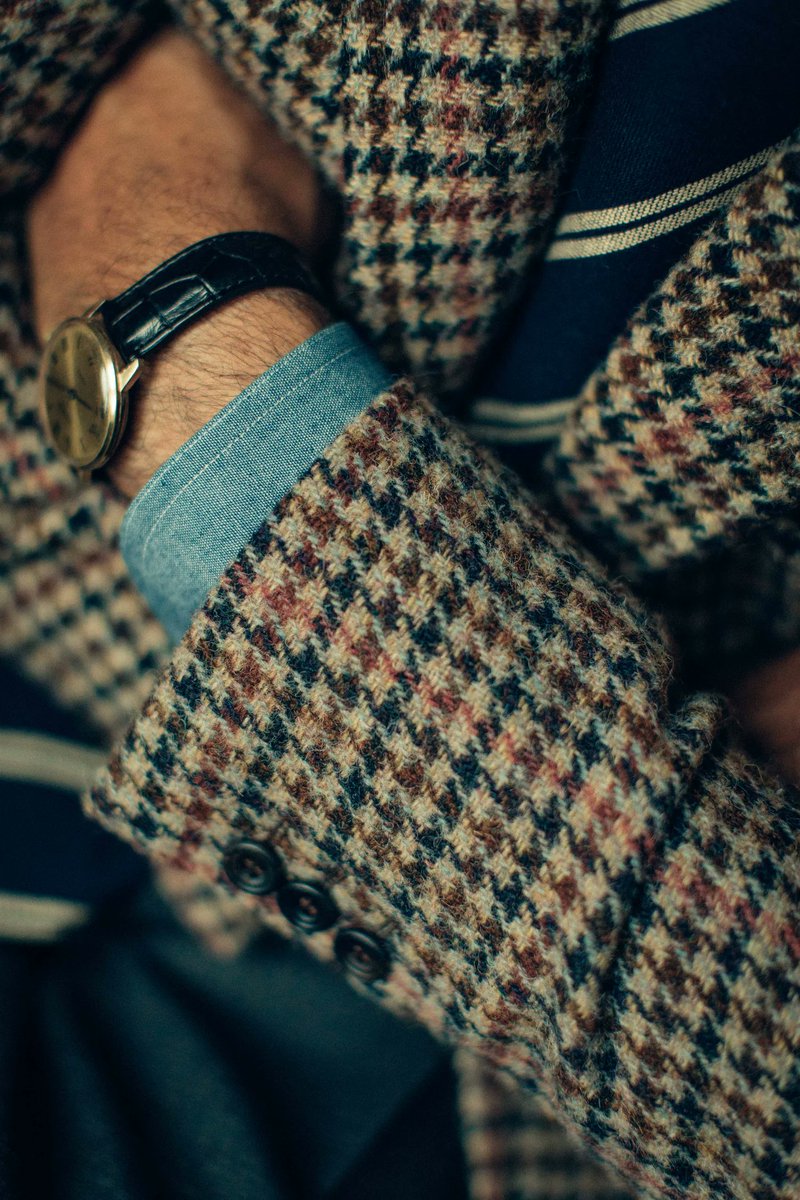
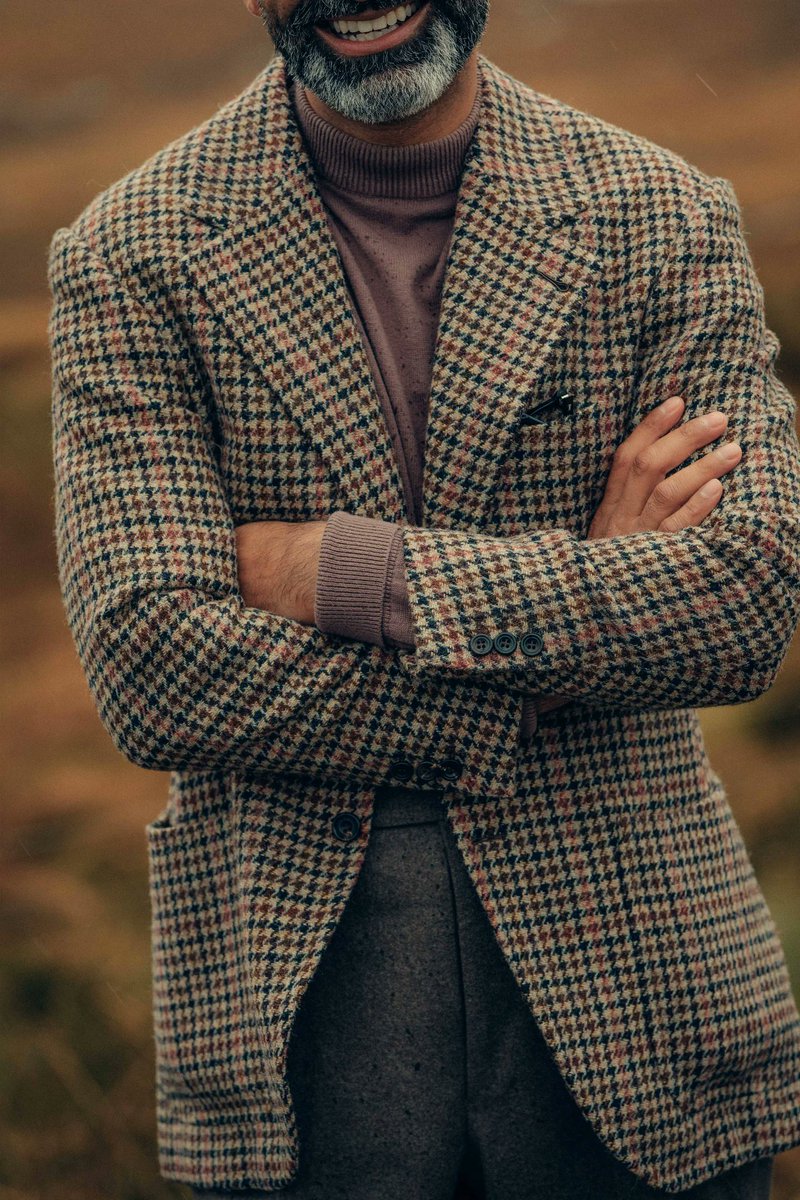
I've attached four photos below. In the first two photos, we see Harris Tweed, which is purely made from woolen yarns. Notice how the fabric is very spongy, thick, and hairy. This is the effect of short and long fibers being mixed together and pointing in every direction. This is a 15/16oz fabric.
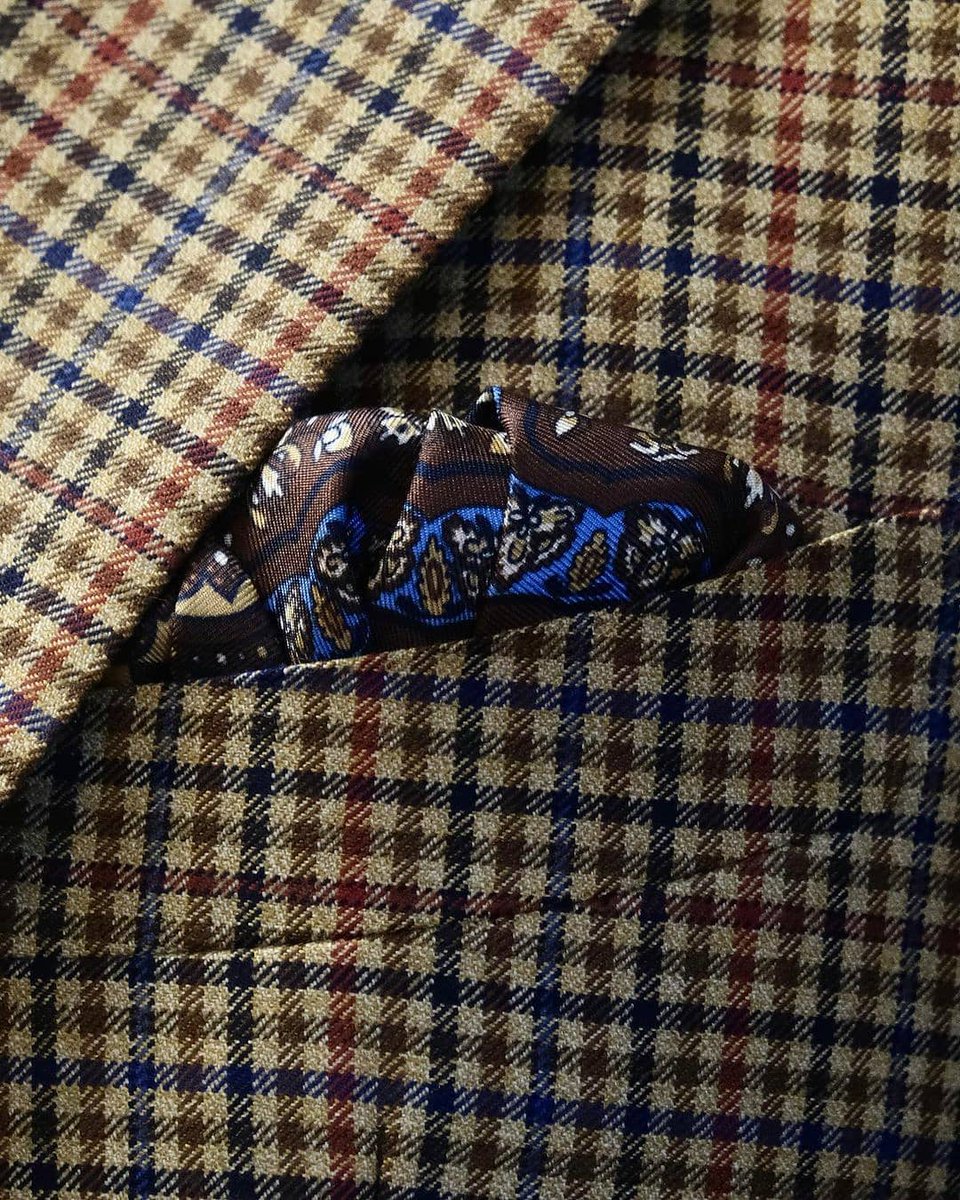
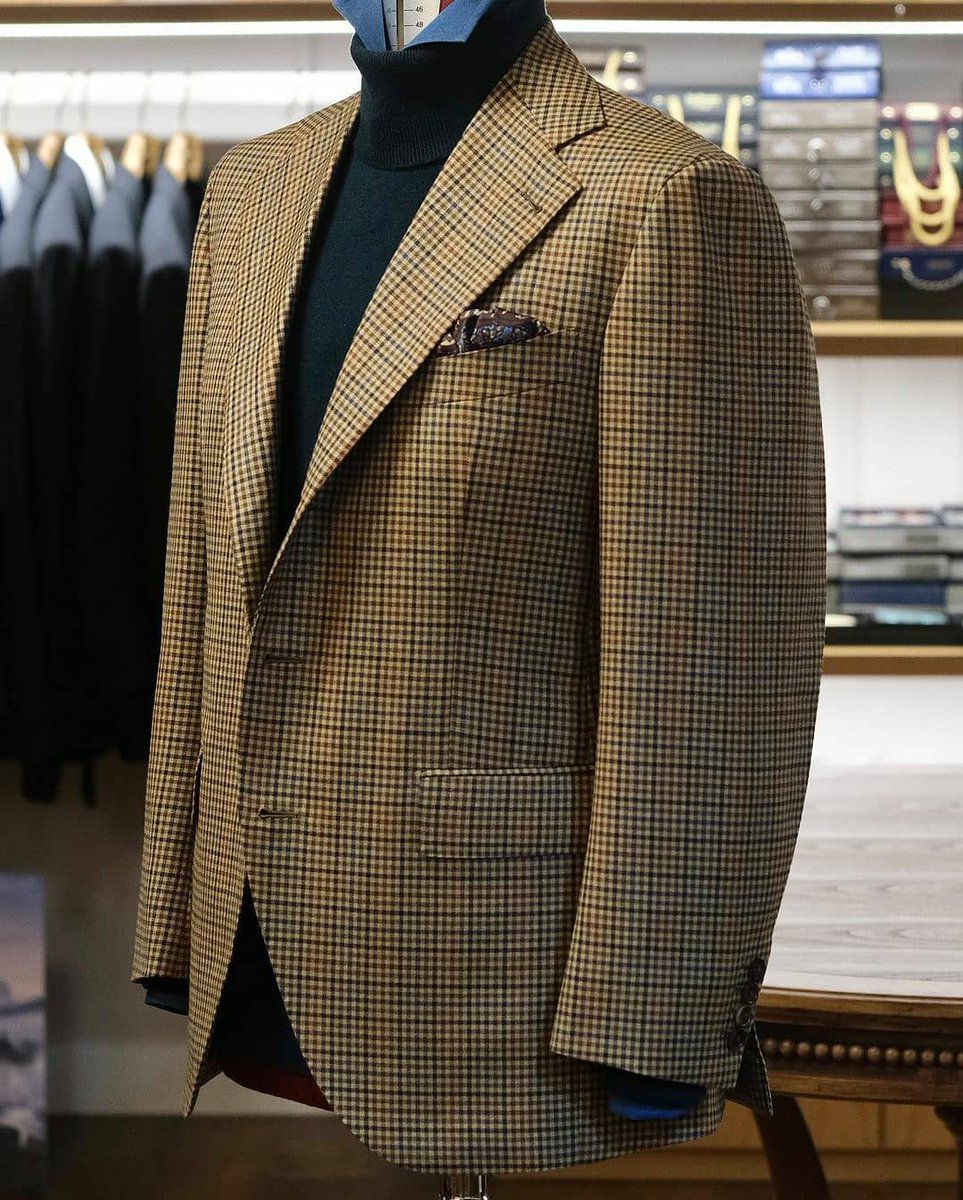
In the last two photos, we see a sport coat made from Harrison's Glorious Twelfth fabric, which is made with worsted yarns (it may be a blended woolen/ worsted, but there's definitely a strong presence of worsted). Notice how the fabric is smoother, which results from removing the shorter fibers. Because the resulting yarn is more resilient, the weaver can produce a lighter-weight cloth. This is a 10/11oz fabric.
Switching from woolen to worsted does three things. As mentioned, it allows you to produce lighter-weight materials. Second, it creates a smoother fabric, which traps less heat. Fuzzy materials create a ton of air pockets, which is what keeps you warm. Third, it makes the jacket look less rustic. Mark Dunsford, director of Harrison's of Edinburgh (my favorite fabric merchant), once described his Glorious Twelfth fabric to me as "city tweeds."
Unfortunately, most ready-to-wear clothiers will not give you this kind of granular information (a fault of both fashion media and retail, which still focus more on communicating trends than on clothing construction). So you will have to learn how to distinguish these things by feel. But with practice, you can find the right tweed by thinking about fabric weight and worsted/woolen yarns.
i feel like a fat perverted balding ojisan every time i type out detailed descriptions for what i want in a nsfw request, how the hell do you guys do it?