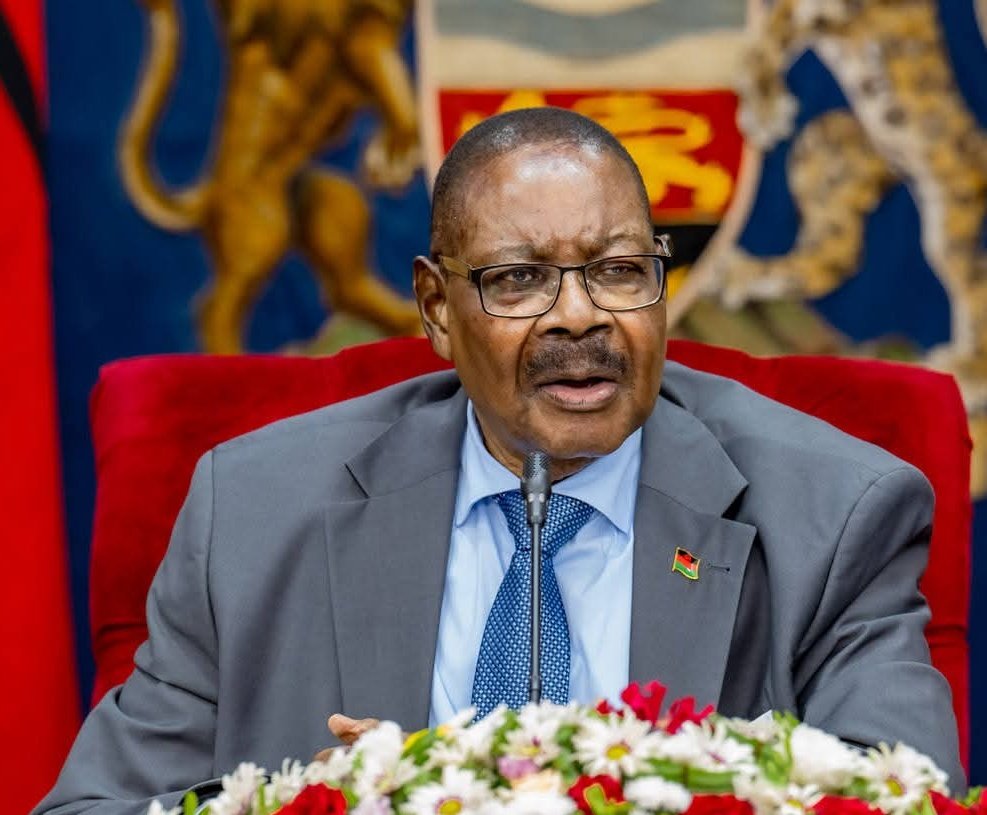
The Vice Presidency, Power and Silence: Is Jane Ansah repeating Joyce Banda’s history — Or rewriting it?
In Malawi’s democratic history, silence from a Vice President has often preceded political rupture.
Read more: https://t.co/WrhT61gLHf
Malawi has farmers. What it doesn’t have is a system that works for them.
Fertiliser: K180,000, Maize bag: K45,000, Tobacco: 90% rejection rate. Now “mega farms” start at 1,000 hectares. So who is this system being built for?
Read: https://t.co/GfOgW3qiR5
If the budget’s development spending is implemented effectively and supported by structural reforms, it could mark the beginning of a more productive economic model.
https://t.co/Z5UiIglEzy
https://t.co/Ypp54n2OPx
For developing countries endowed with resources, the stakes couldn't be higher. They can either become strategic partners within the global value chain or remain exporters of raw materials while the wealth generated by the minerals is captured elsewhere.
Malawi has farmers. What it doesn’t have is a system that works for them.
Fertiliser: K180,000, Maize bag: K45,000, Tobacco: 90% rejection rate. Now “mega farms” start at 1,000 hectares.
So who is this system being built for?
Read: https://t.co/GfOgW3qiR5
On Good Friday, Malawi is carrying more than a cross.
Fuel prices have surged. Food costs are rising. But here’s the real question: Is this economic necessity—or policy choice?
Read the full analysis now. https://t.co/JMRYJwtzxO
When systems collide: Regulation, politics, law, and economics in Malawi’s health sector
Meanwhile, patients continue to face delays, hidden costs, and inconsistent quality of care. The system is not aligning. It is fragmenting.
https://t.co/hVgSmScoqr
Malawi’s infrastructure development model lean heavily on concessional financing. That model is shifting. Now we have the Local Currency Infrastructure Bond (LCIB) framework, introduced to mobilise domestic capital for large-scale projects.
https://t.co/wDymkbVrhI
While government has just secured parliamentary approval for a K10.978 trillion national budget, the political machinery meant to drive its implementation appears increasingly preoccupied with internal contestation.
Read more on: https://t.co/x12txSDy4W
A country importing maize to feed its population while investing billions in industrial parks must confront a sequencing question: Can industrialisation succeed without first securing agricultural stability?
https://t.co/q6NXTkaXjP
Quiet diplomacy, Hard realities: Testing SADC’s peace architecture through Madagascar
Malawi’s leadership moment meets the limits of regional mediation. For now, one thing is clear: The architecture of peace is being tested — and the region is watching.
https://t.co/2foZd0UjL0
https://t.co/dbCyGYl7Di
Reducing violence against young sex workers in Salima
Community leaders say the situation is becoming more visible. For many women along the Salima lakeshore, the demand is simple: safety, dignity and protection should not depend on one’s occupation.
https://t.co/dbCyGYl7Di
Reducing violence against young sex workers in Salima
Community leaders say the situation is becoming more visible. For many women along the Salima lakeshore, the demand is simple: safety, dignity and protection should not depend on one’s occupation.
https://t.co/dOpZeLgL6n
Analysis of PAC evidence, regulatory reports, and media investigations suggests a coordinated effort among board trustees, unregistered advisors, and linked financial actors—a cartel-like pattern.
The politics of the budget: Who really benefits from Malawi’s spending?
Behind the arithmetic of public finances lies a deeper political economy. Government administrators, however, say operational spending often reflects the practical realities.
Read:- https://t.co/CxRwhhgmzT
The danger is not that government spends money — every state must do so. “Countries cannot borrow indefinitely to finance consumption,” Moyo has warned.
https://t.co/NQbv4Js1P9
https://t.co/NQbv4Js1P9
The danger is not that government spends money — every state must do so. “Countries cannot borrow indefinitely to finance consumption,” Moyo has warned.
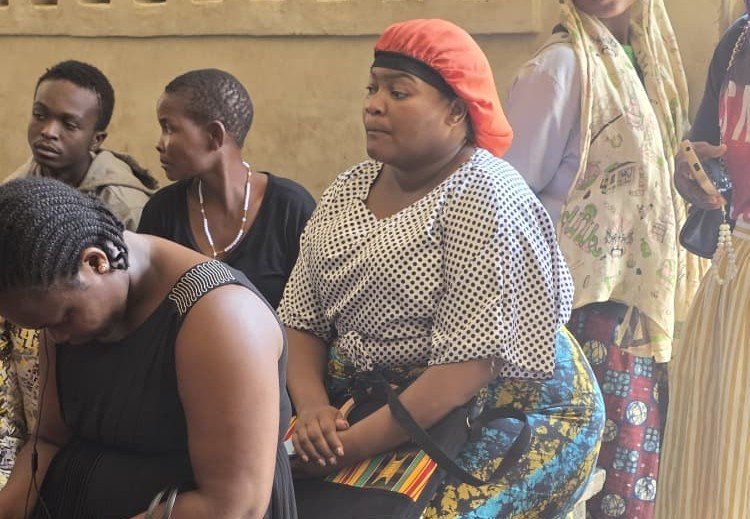
“Masiteni, muli bwanji?” the guard asked in a weary tone. “I… I’ve come for help,” she replied. Then came an offer. “If you want to be seen quickly, it’s K10,000,” he said, suggesting an express lane She refused, kept her place in line as Card-205. https://t.co/q5tZpak9Do
“Masiteni, muli bwanji?” the guard asked in a weary tone. “I… I’ve come for help,” she replied. Then came an offer. “If you want to be seen quickly, it’s K10,000,” he said, suggesting an express lane She refused, kept her place in line as Card-205. https://t.co/q5tZpak9Do
In the twenty-first century, industrial power is increasingly defined not simply by manufacturing capacity but by control of the supply chains that feed modern technology.
Malawi now finds itself standing at precisely this crossroads.
https://t.co/Ypp54n2OPx