Thank you to The Globe and Mail for featuring their podcast on SNOLAB and the search for dark matter among their highlights of 2023. Listen to Dr. Jodi Cooley update the status of SuperCDMS and the exciting role SNOLAB is playing in dark matter detection.
https://t.co/pMVg2kbdg8
Season’s greetings from everyone at SNOLAB!
The experiments featured on this year’s holiday card are, from left to right: SNO+, DEAP-36000, SuperCDMS, REPAIR, and PICO.
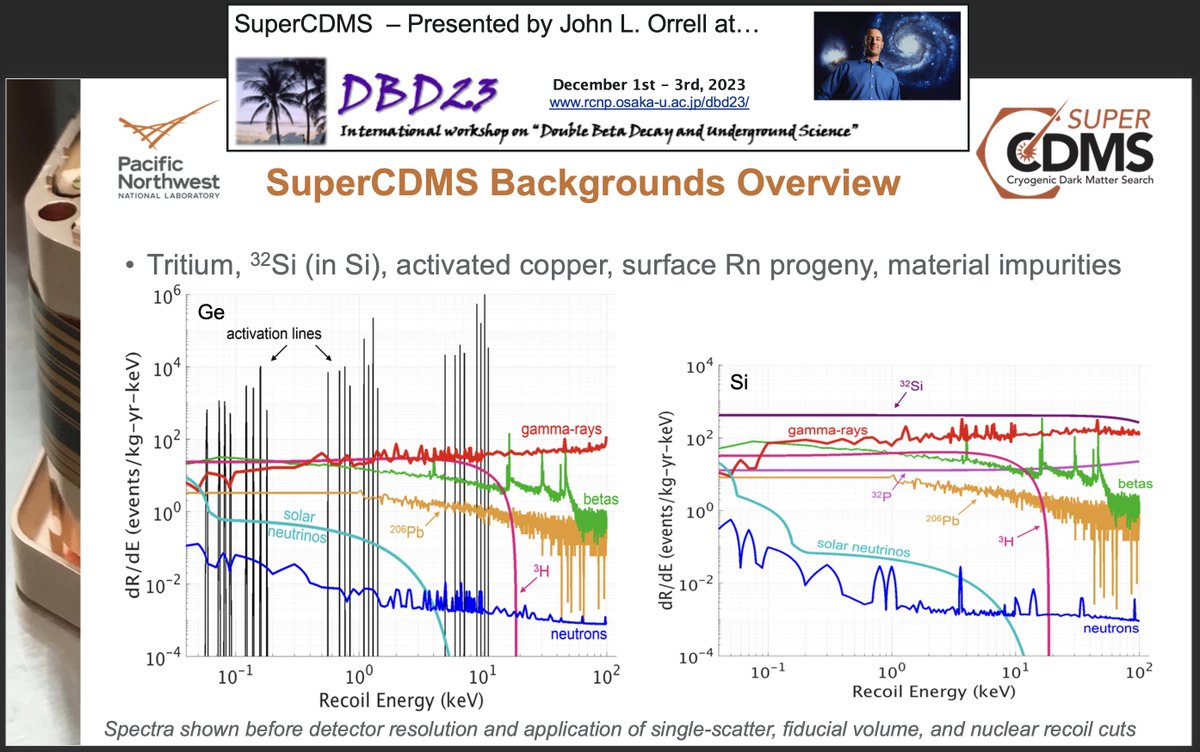
John Orrell from @PNNLab gave a talk at the double beta decay and underground science 2023 conference in Hawaii, USA. His talk covered the detector principles, experimental setup and had a special focus on expected backgrounds for the experiment.
https://t.co/IhvGCrLjpg
It was our pleasure to show the SuperCDMS experiment and the CUTE facility to @Cmdr_Hadfield and friends in the Young President's Organization during their visit to @SNOLABscience.
Thank you so much @Cmdr_Hadfield and friends in the YPO Forum for joining us for a memoral day underground. Great company and great questions. You will always be welcome back!
How can a photon have momentum?
In this video, Fermilab’s Dr. Don Lincoln shows that the question arises from a misuse of equations and also shows that, when you think about it, it’s not surprising at all. ⤵️
https://t.co/YU1IlE3ovp
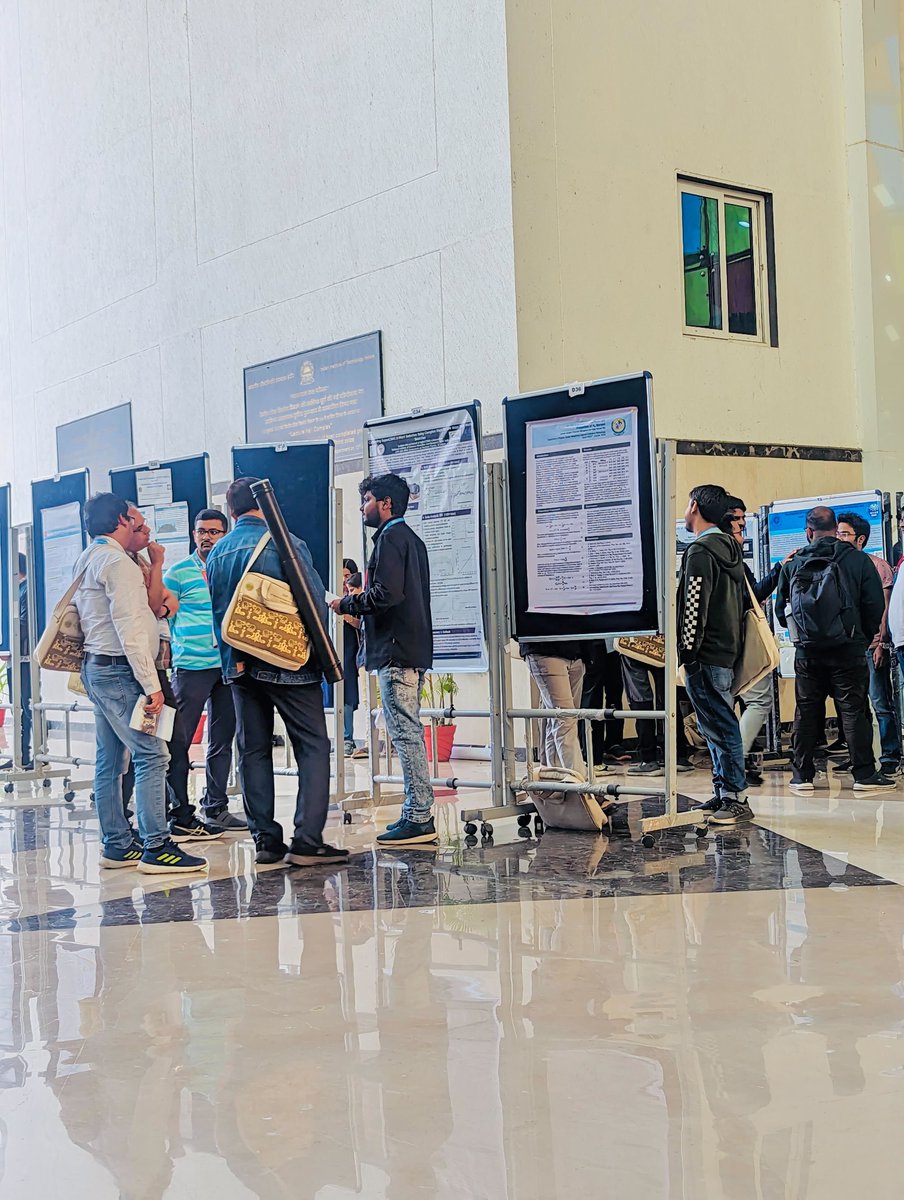
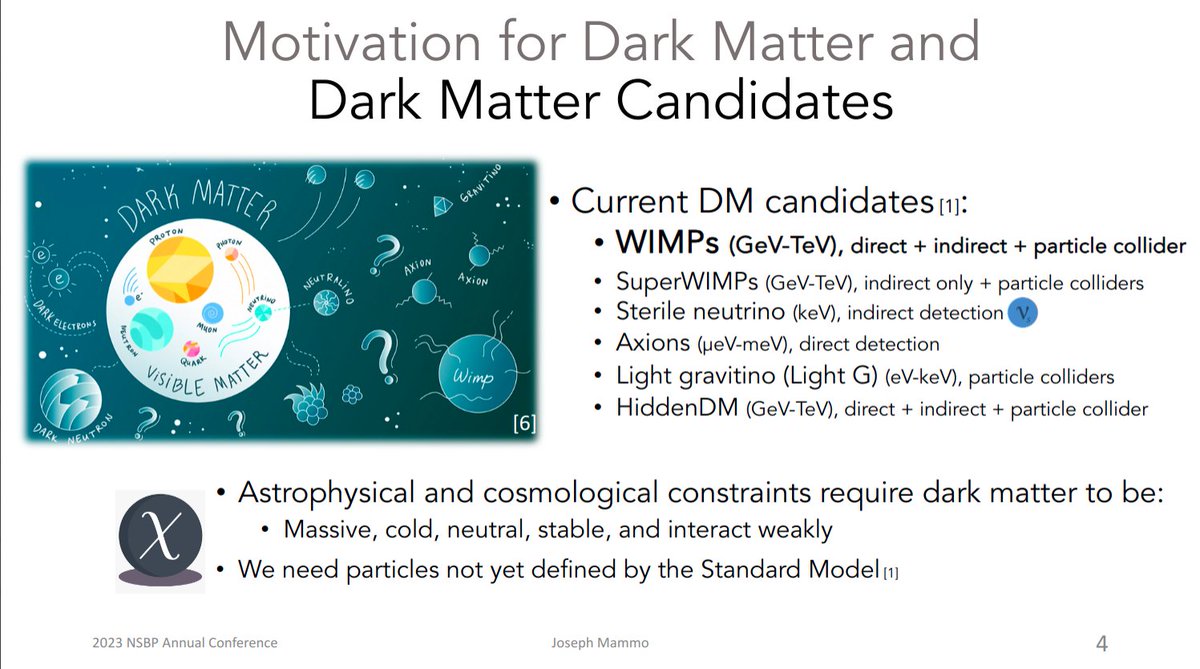
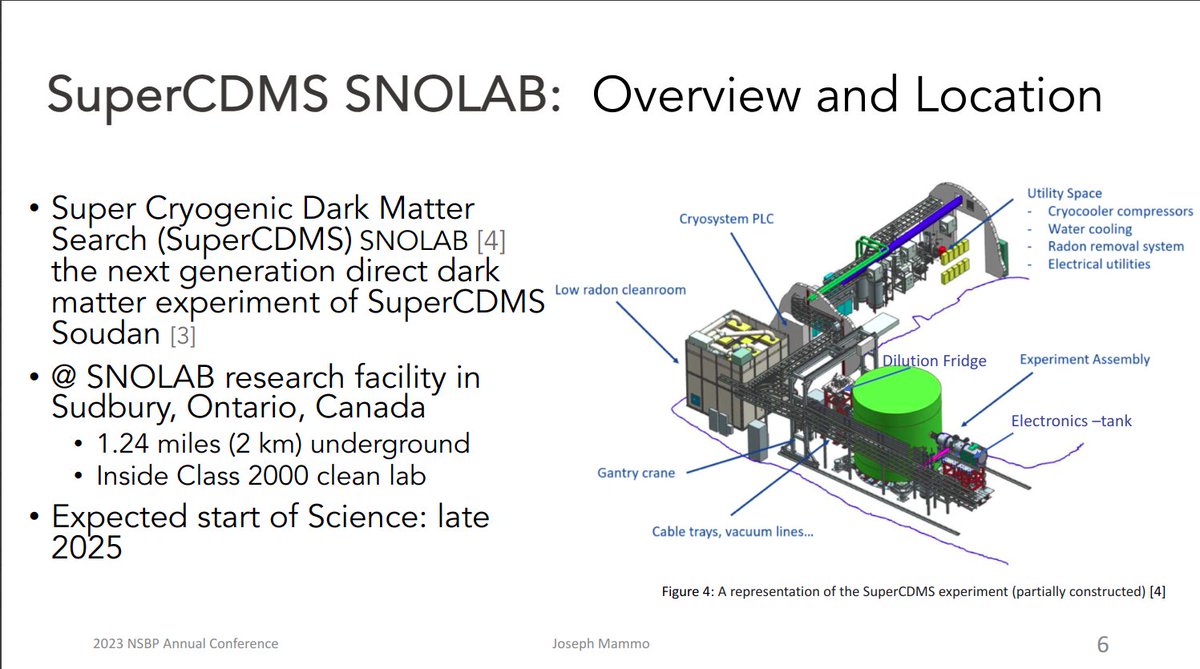
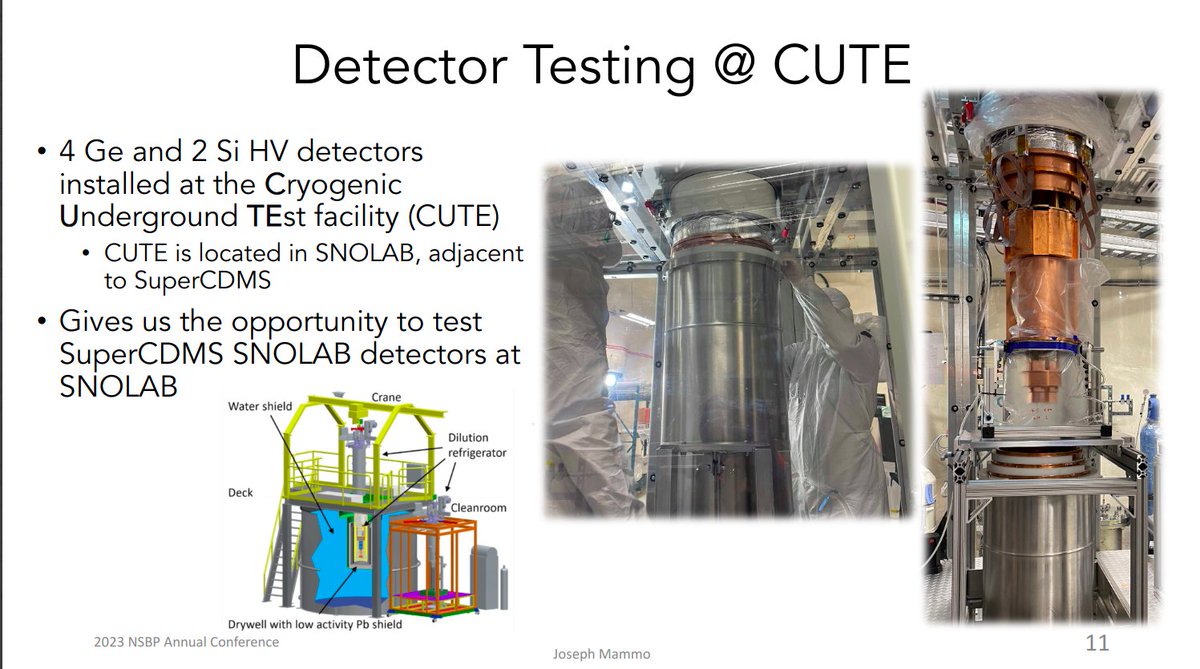
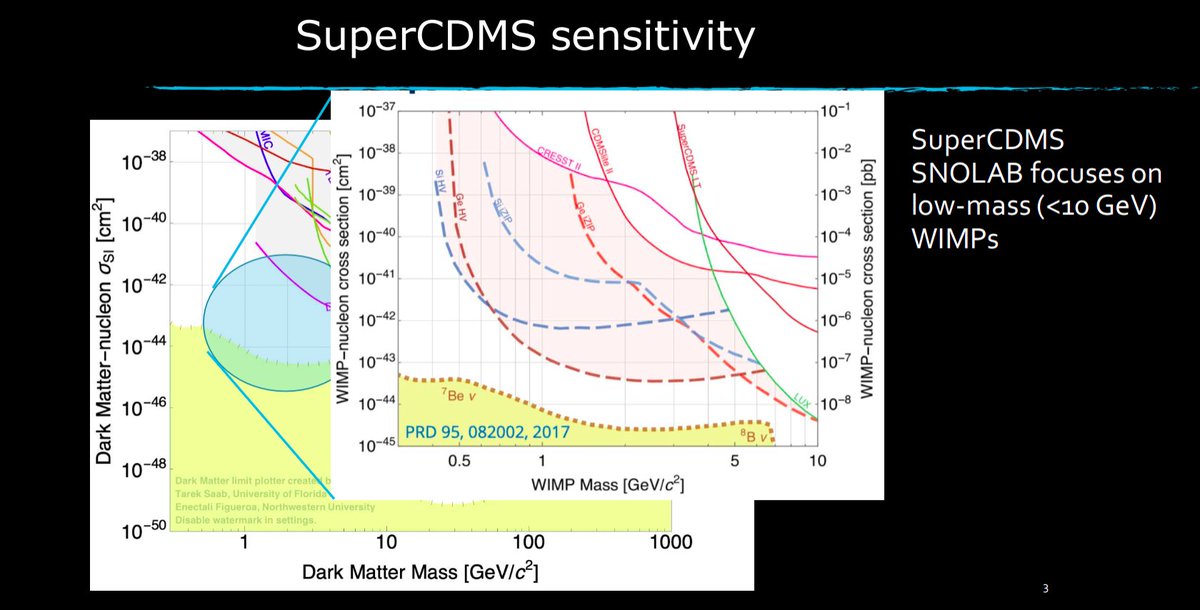
Joseph Mammo from @usd gave an overview of the SuperCDMS SNOLAB experiment @NSBPInc 2023 Annual Conference @KnoxConvCenter Knoxville, Tennessee. His talk covered the motivation, science goals, and current status of the experiment.
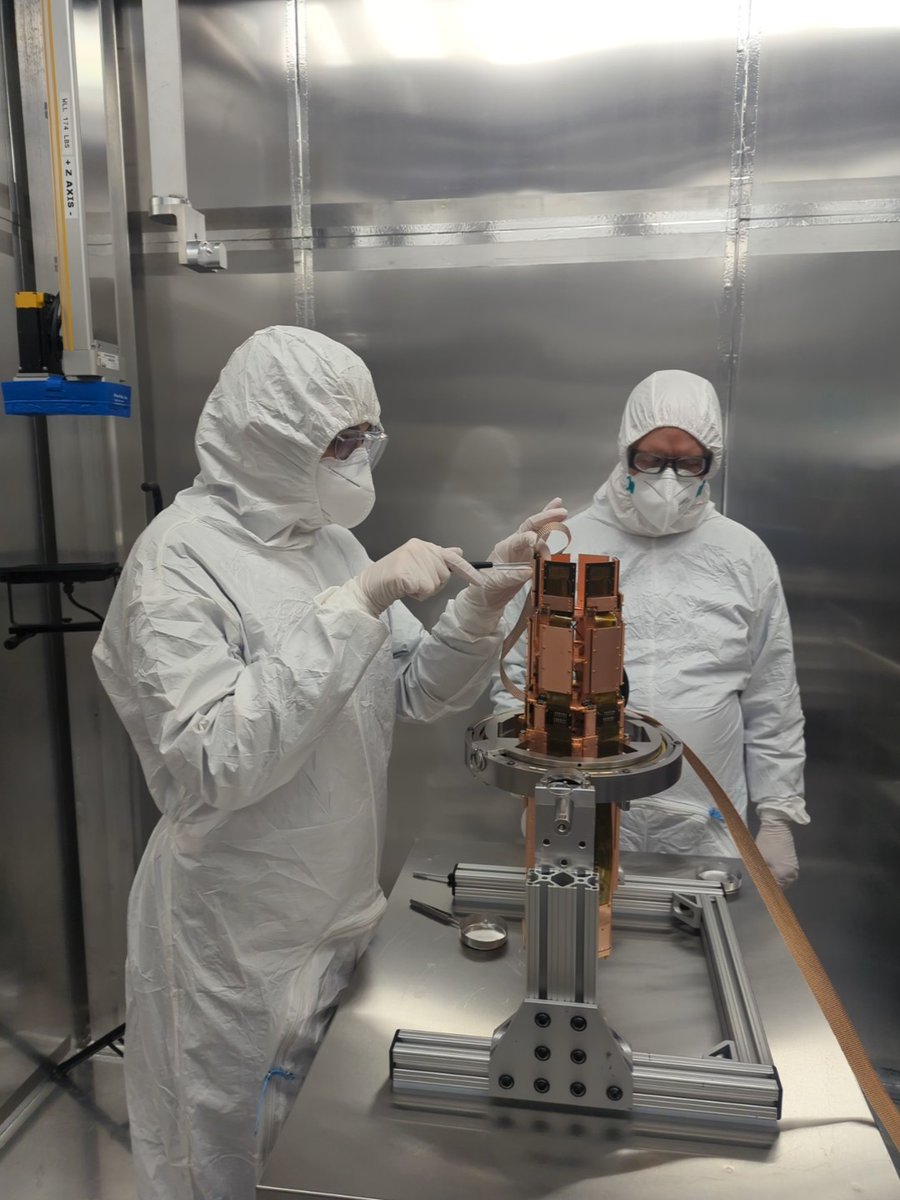
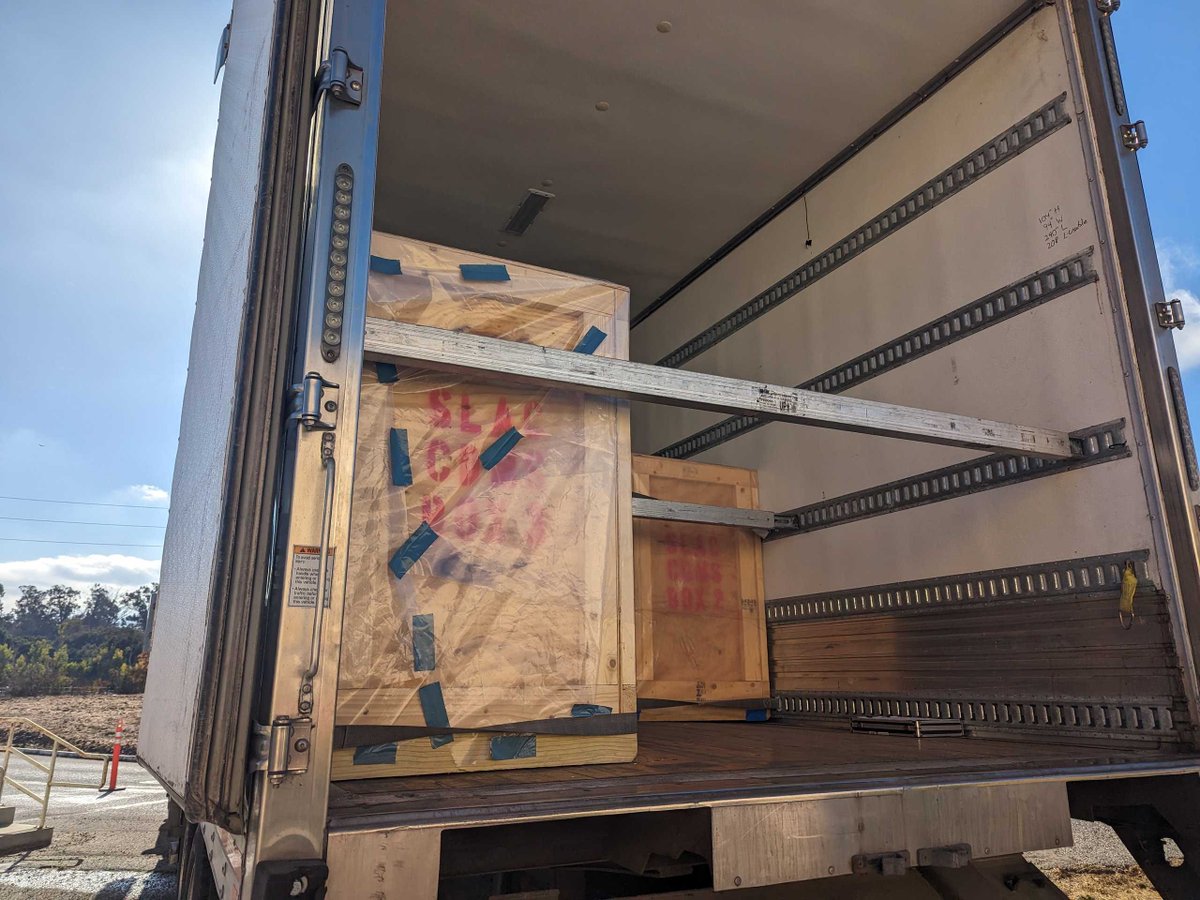
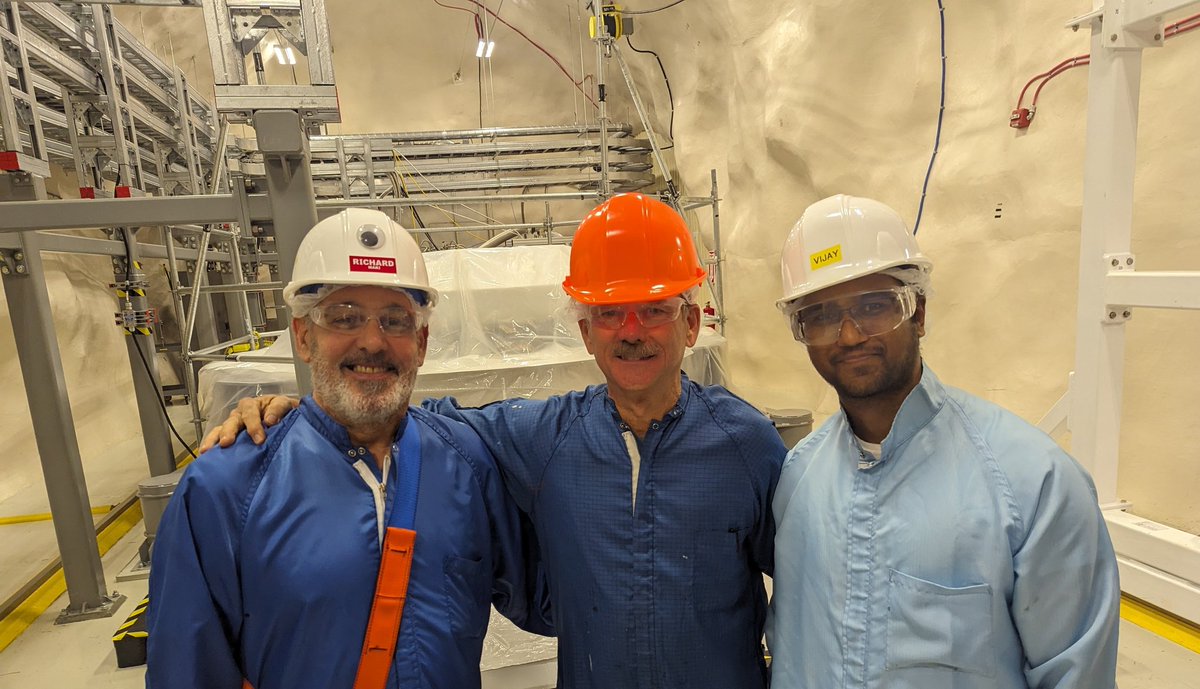
Another major milestone! The last of the SuperCDMS detector towers have arrived @SNOLABscience and are in our cleanroom. Thank you @SLAClab and SNOLAB for the careful delivery. Electrical checks on all their sensors are underway with Vijay Iyer, @mjzurowski and Richard Partridge.
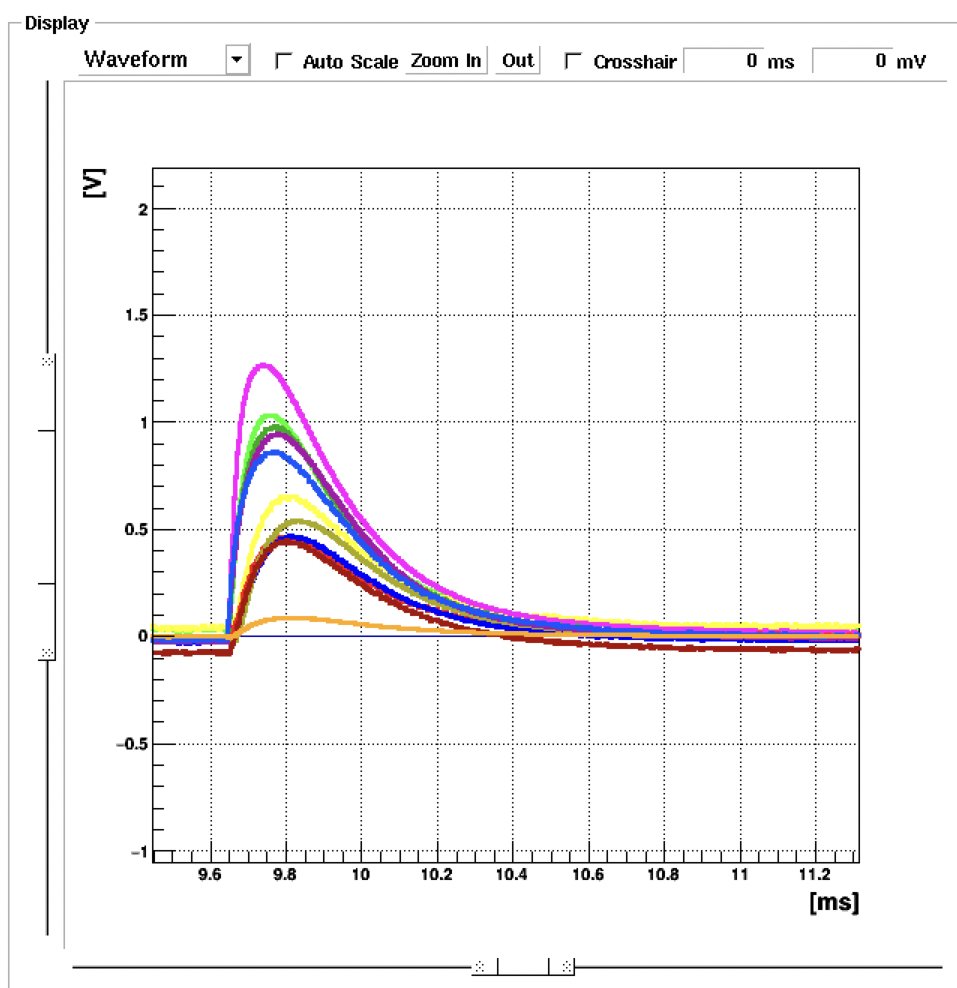
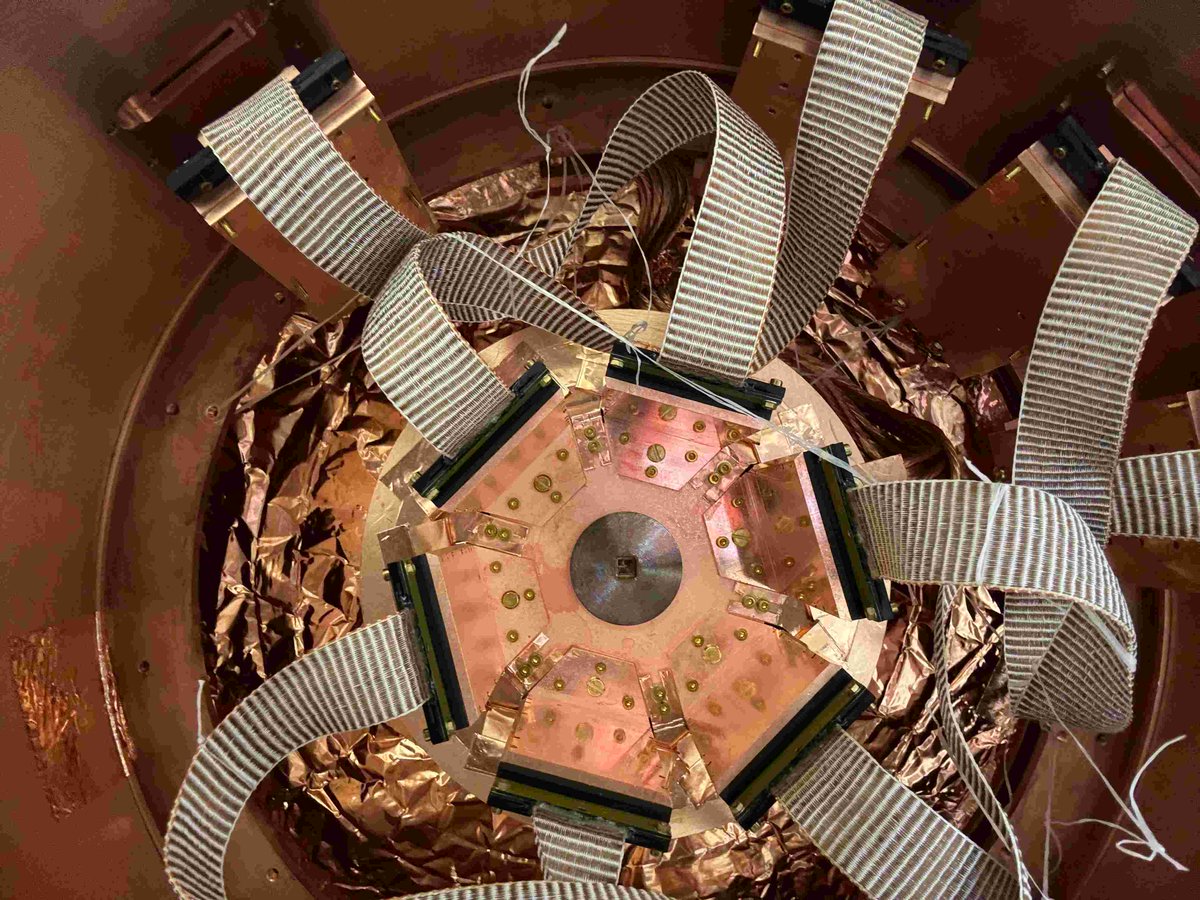
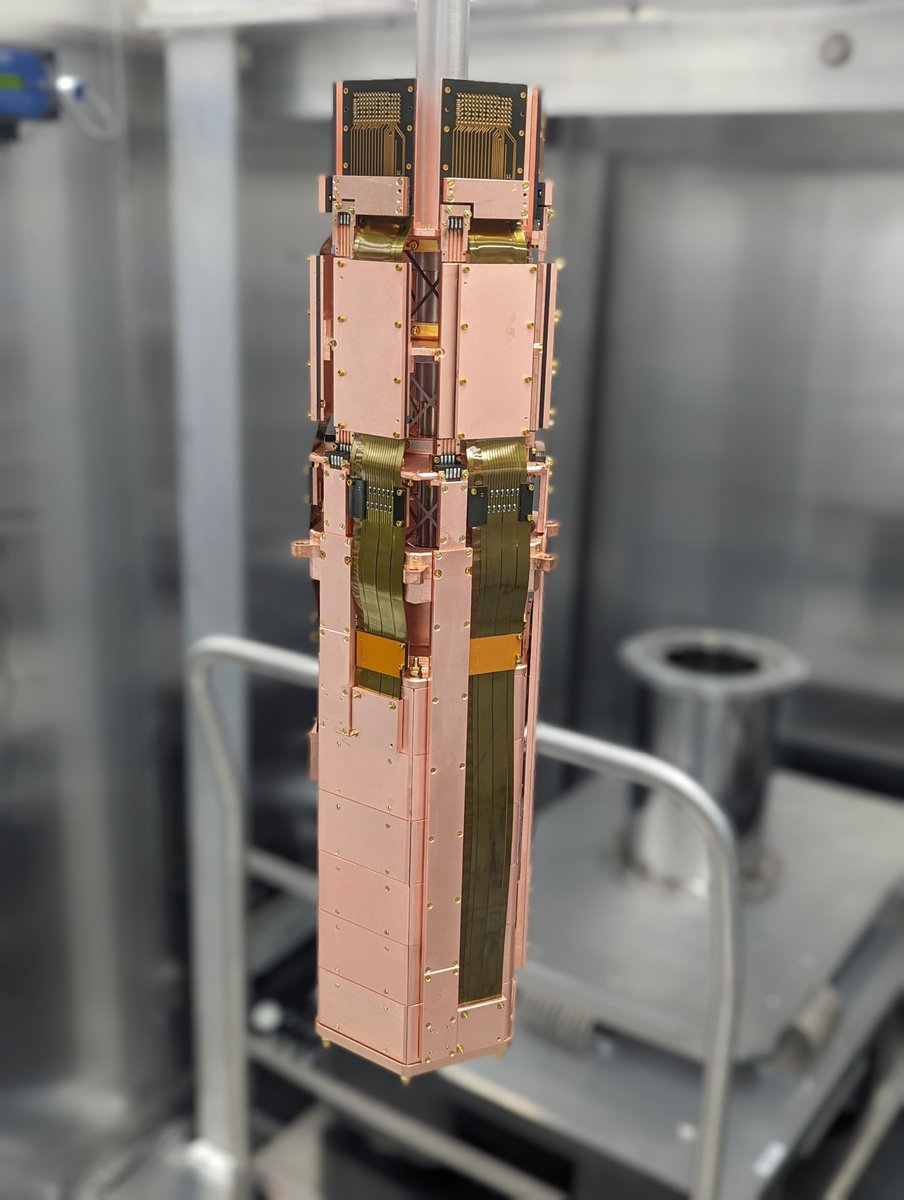
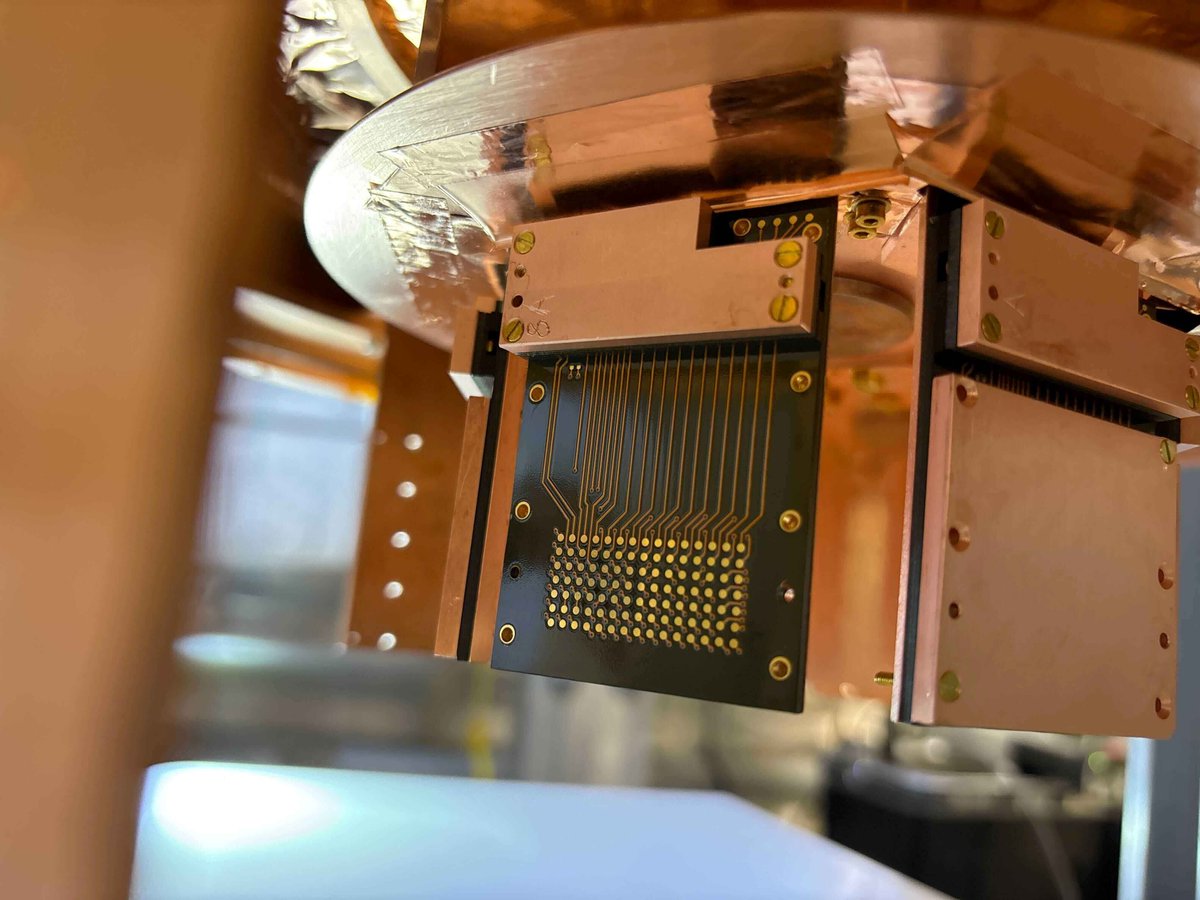
The SuperCDMS HV tower with 2 Silicon and 4 Germanium detectors is being tested at CUTE @SNOLABscience for its performance. A major milestone for SuperCDMS.
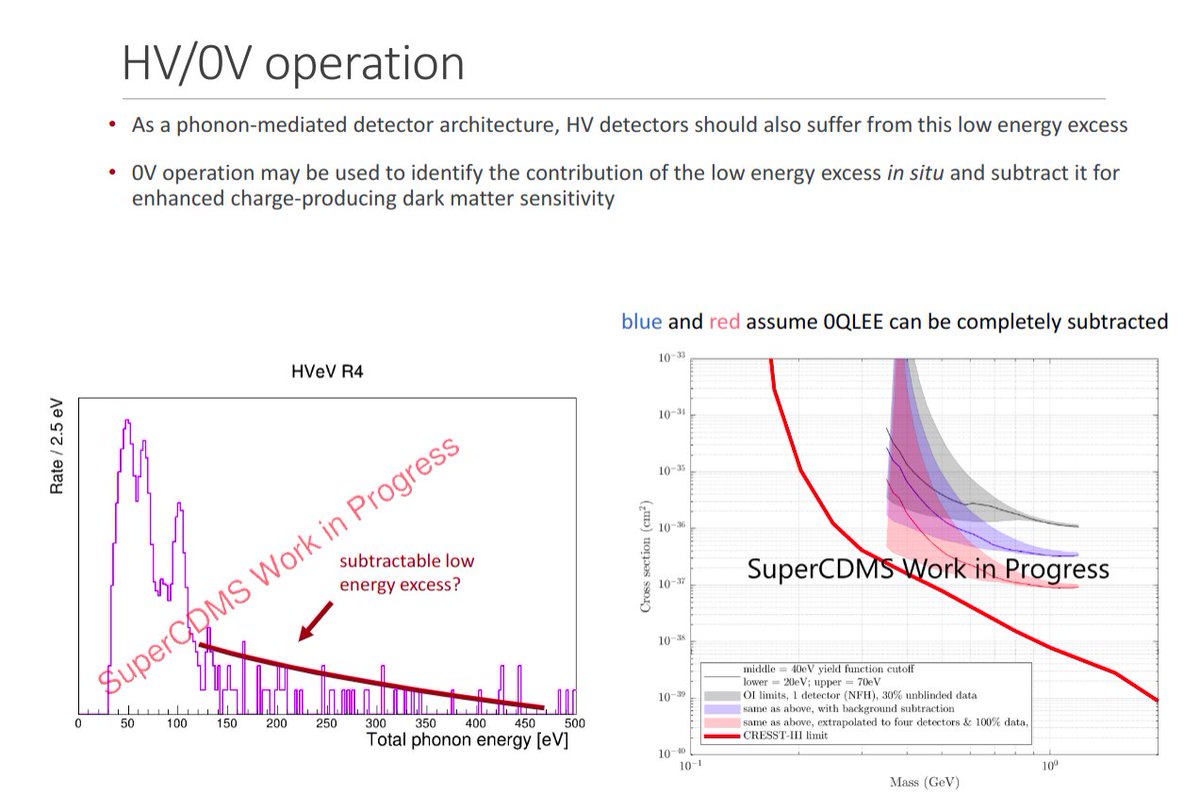
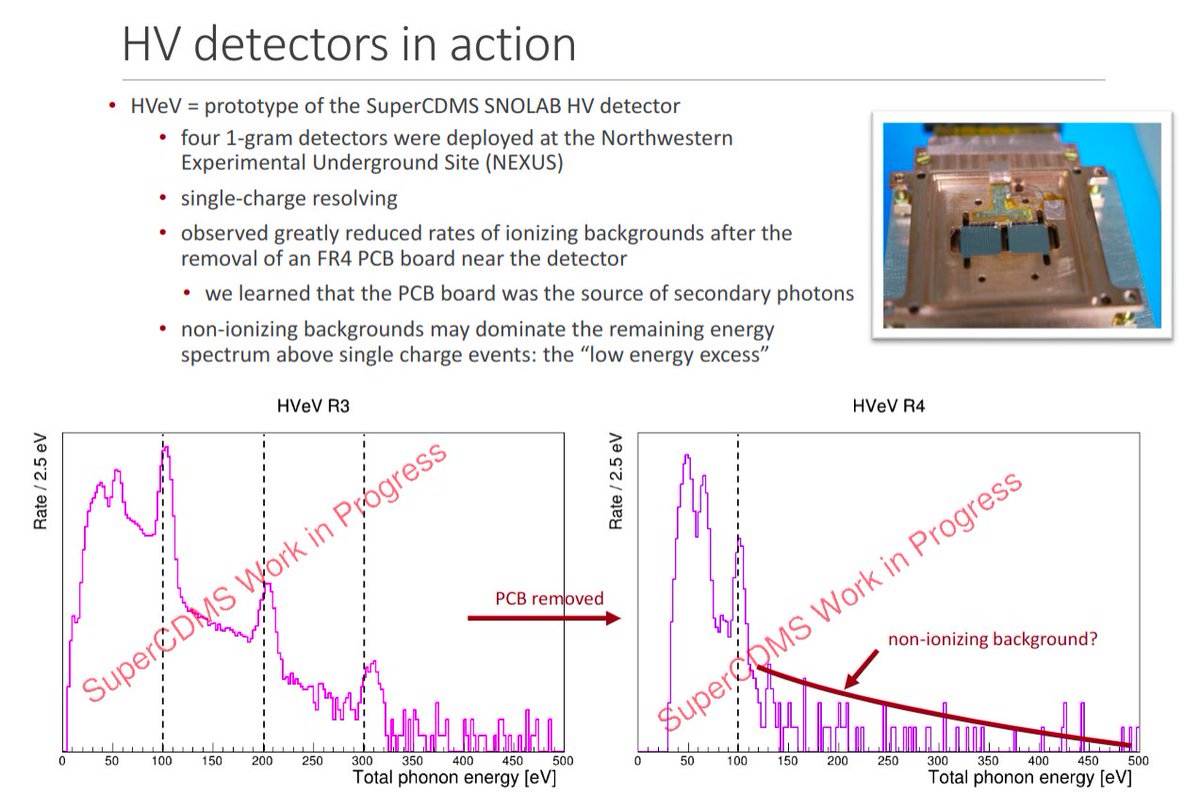
Osmond Wen from @Caltech gave a talk at the CPAD workshop 2023 hosted by @SLAClab. His talk focused on understanding the low energy excess observed in data from the SuperCDMS gram-scale high voltage detectors.
Yan Liu from @UBC@TRIUMFLab recently gave a synopsis of the SuperCDMS SNOLAB experiment at the Symposium on Frontiers on Underground Physics, at Chengdu, China.
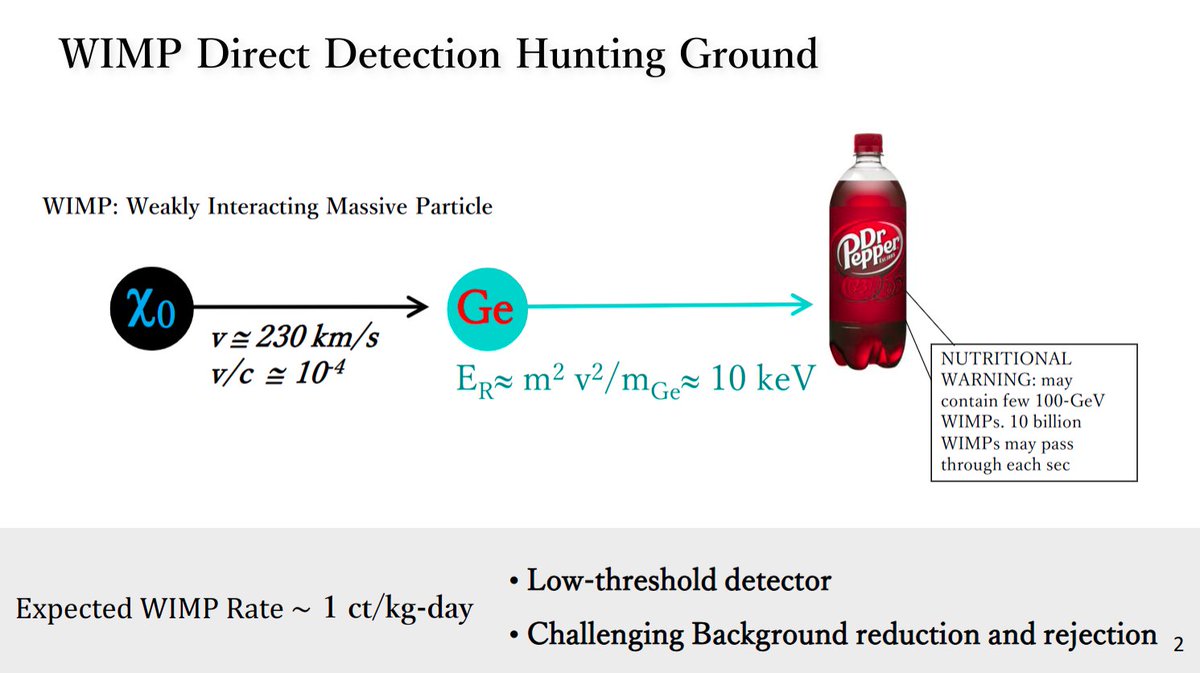
Last month, Jing-Han Chen from @TAMU gave an overview of the SuperCDMS SNOLAB experiment at the 2023 Texas Section @APSphysics in @AngeloState. He described the direct dark matter detection method, detector physics and the experiment setup.
Elias Lopez Asamar from @UAM_Madrid@ift_uam_csic gave a talk at the TeV Particle Astrophysics 2023 @ArchivioStatoNA Napoli, Italy on the status and prospects of the SuperCDMS SNOLAB experiment. His talk can be found at:
https://t.co/Apnj3vyfw6
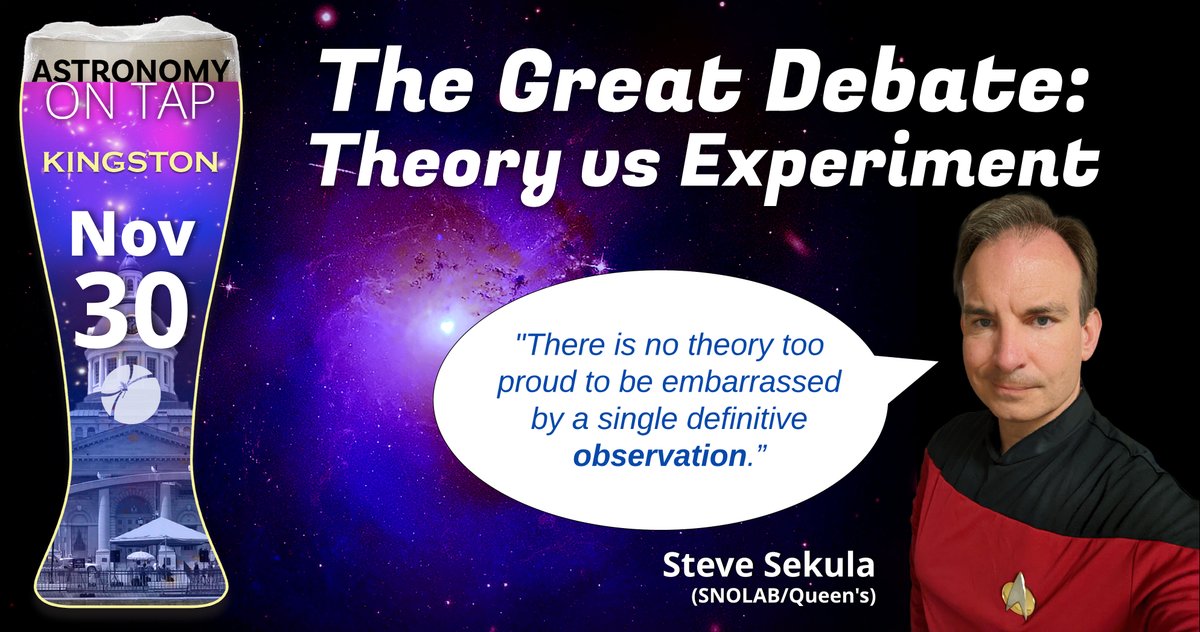
"There is no theory too proud to be embarrassed by a single definitive observation." Join us on at the @kingstonbrewpub on Thursday and hear Steve Sekula of @SNOLABscience / @queensu take the side of Experimentation in this special Great Debate edition of @astronomyontap
Dark matter is abundant in our universe yet remains a mystery to scientists. Here at SNOLAB, many experiments are looking to learn more about dark matter. Hear from scientists at @queensu, @McDonaldInst, and SNOLAB about the search for dark matter here: https://t.co/UyExbyq1n5
🧲🤔 For centuries, people have been mystified by magnets and wondered how they worked.
🔗 In this video, Fermilab’s Dr. Don tells us how: https://t.co/3tVdxe6RyS
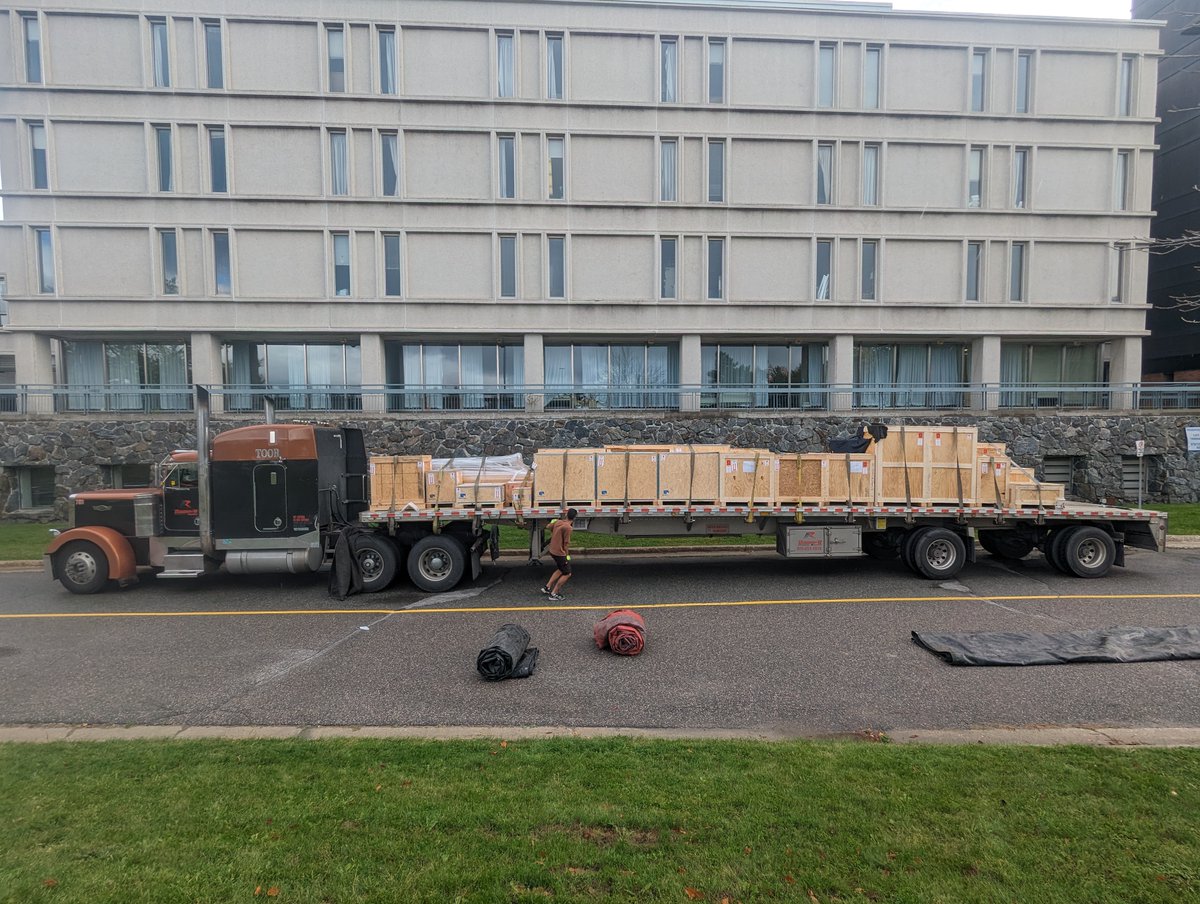
Thank you @Fermilab and @SNOLABscience for the delivery of several of our cryogenic instruments at SNOLAB. They are currently being stored @LaurentianU and at SNOLAB, and in-time, will make their way underground to the main experiment area for installation.
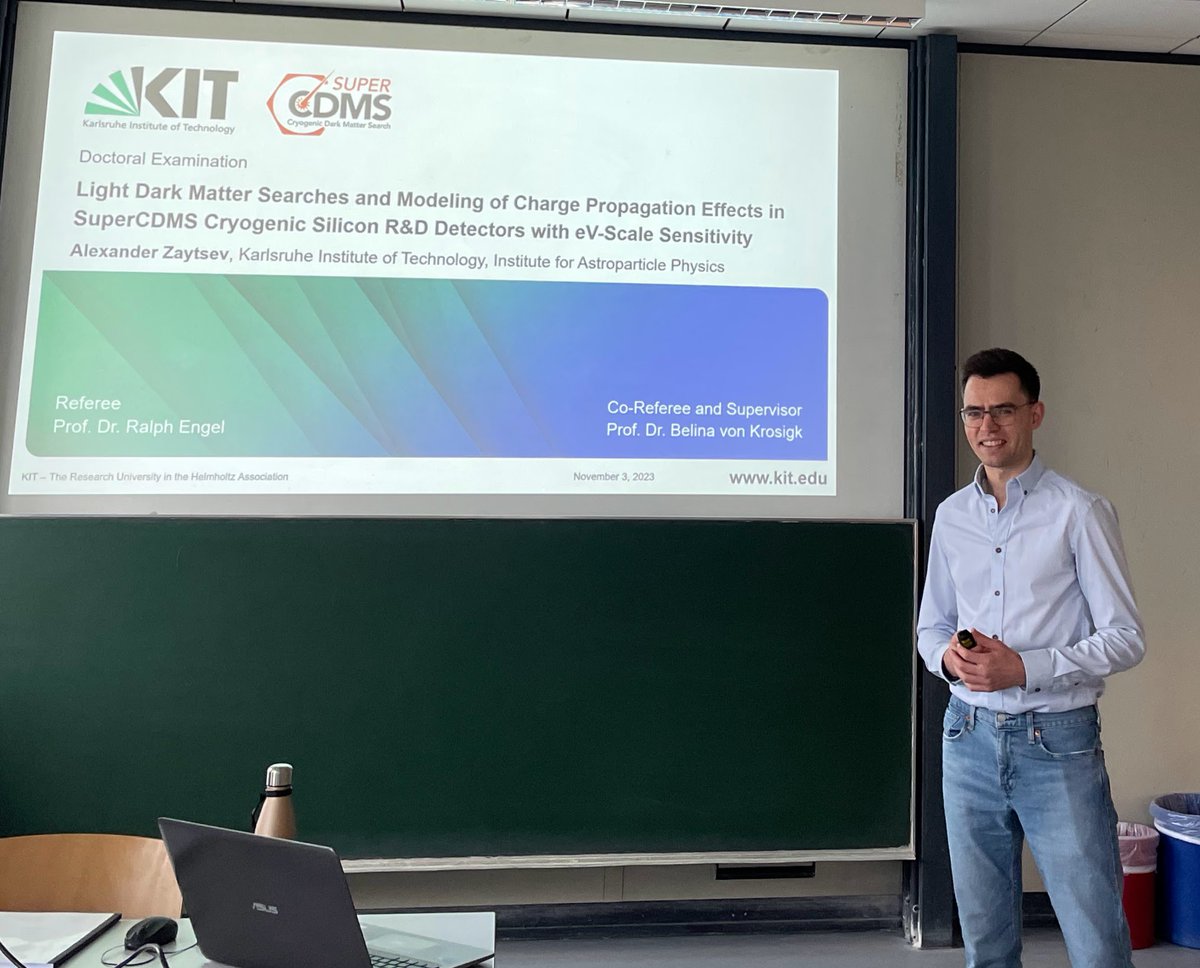
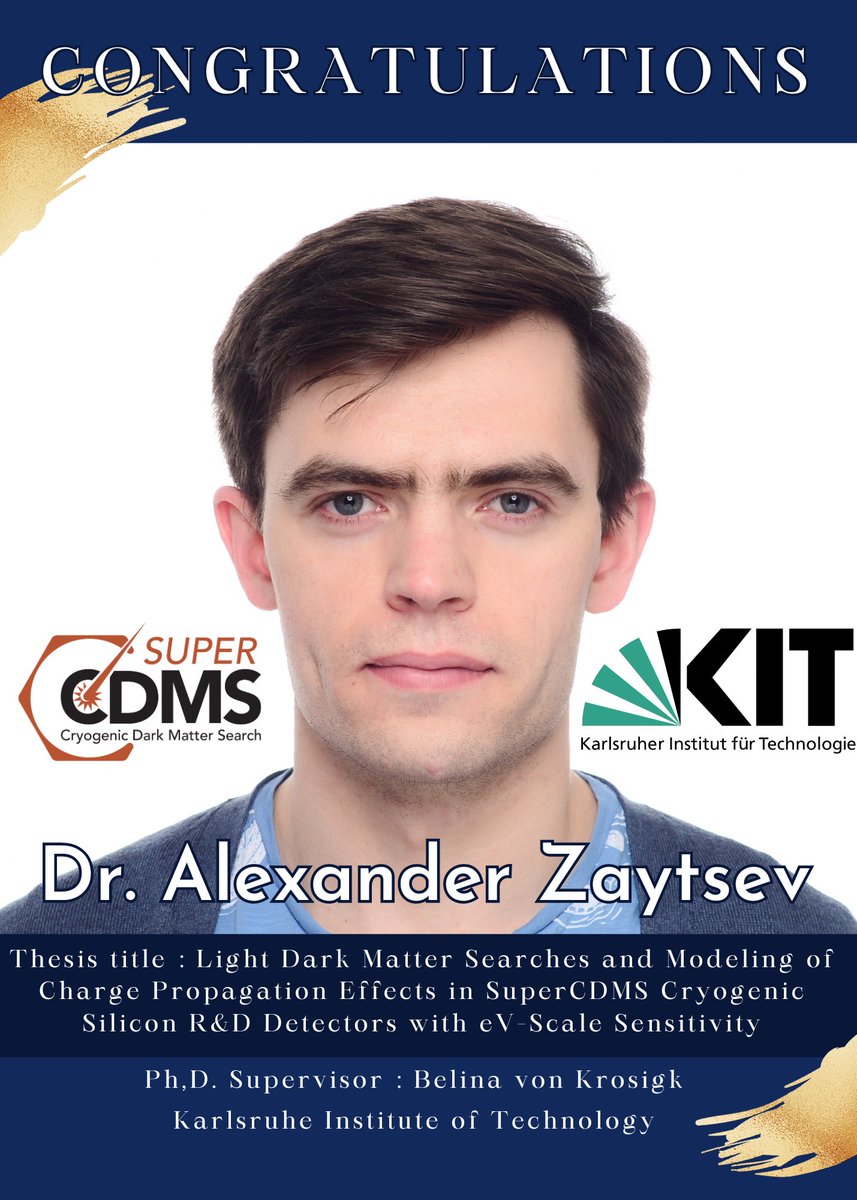
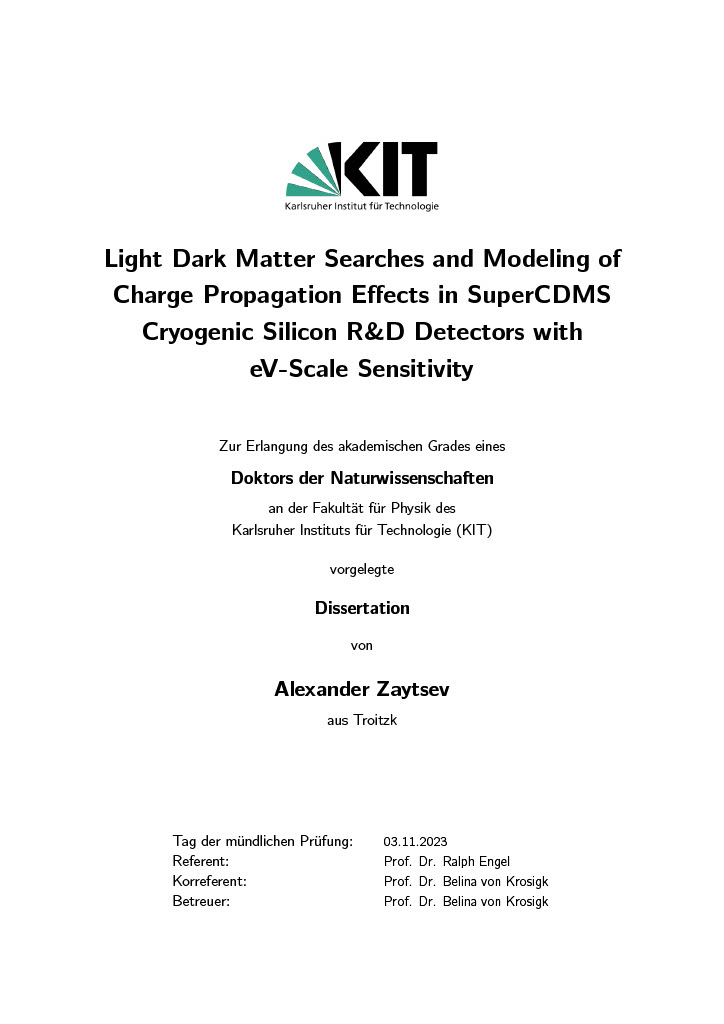
Congratulations to Alexander Zaytsev from @KITKarlsruhe for successfully defending his dissertation. His work has greatly contributed to improving the SuperCDMS R&D detectors' sensitivity to light dark matter. We wish you all the very best for your future!
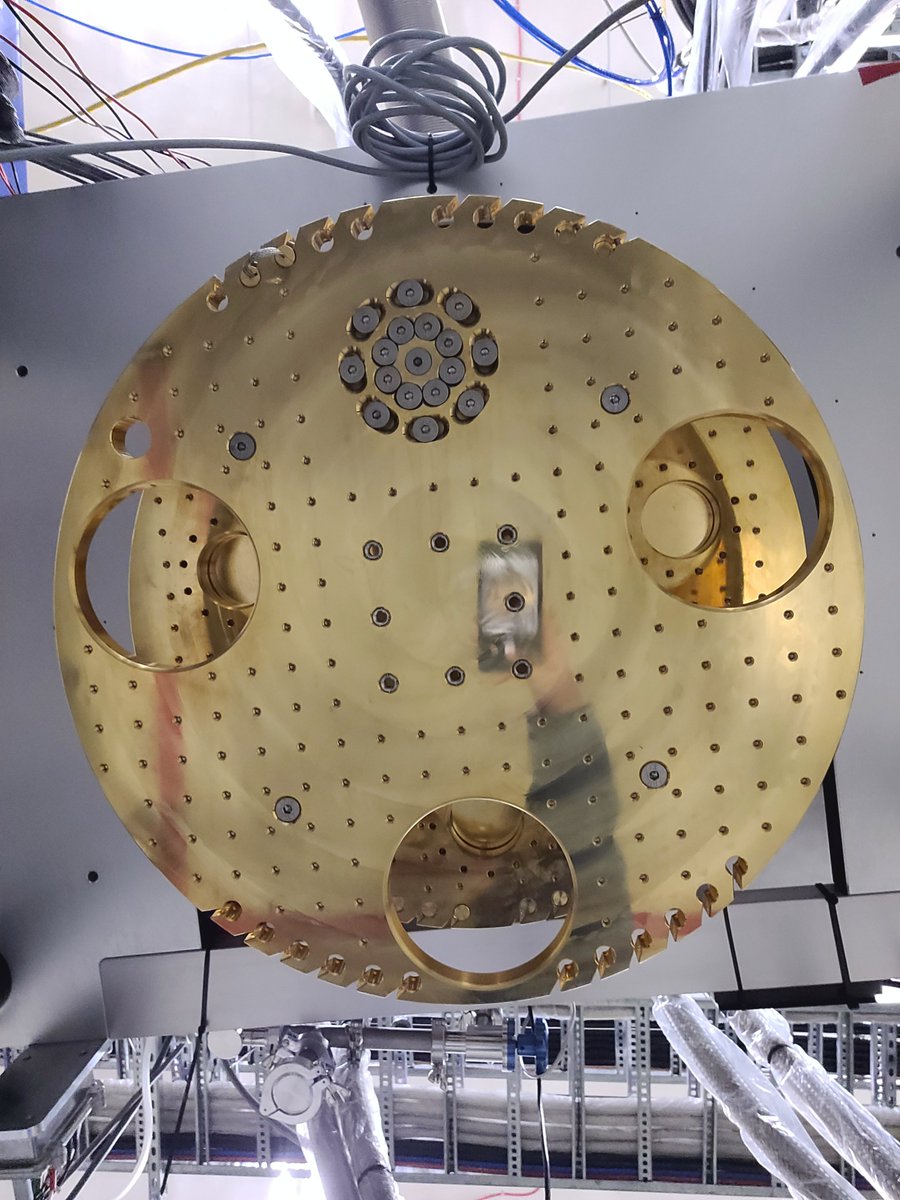
😮 Can you believe it’s Friday already? Neither can the @SuperCDMS fridge!
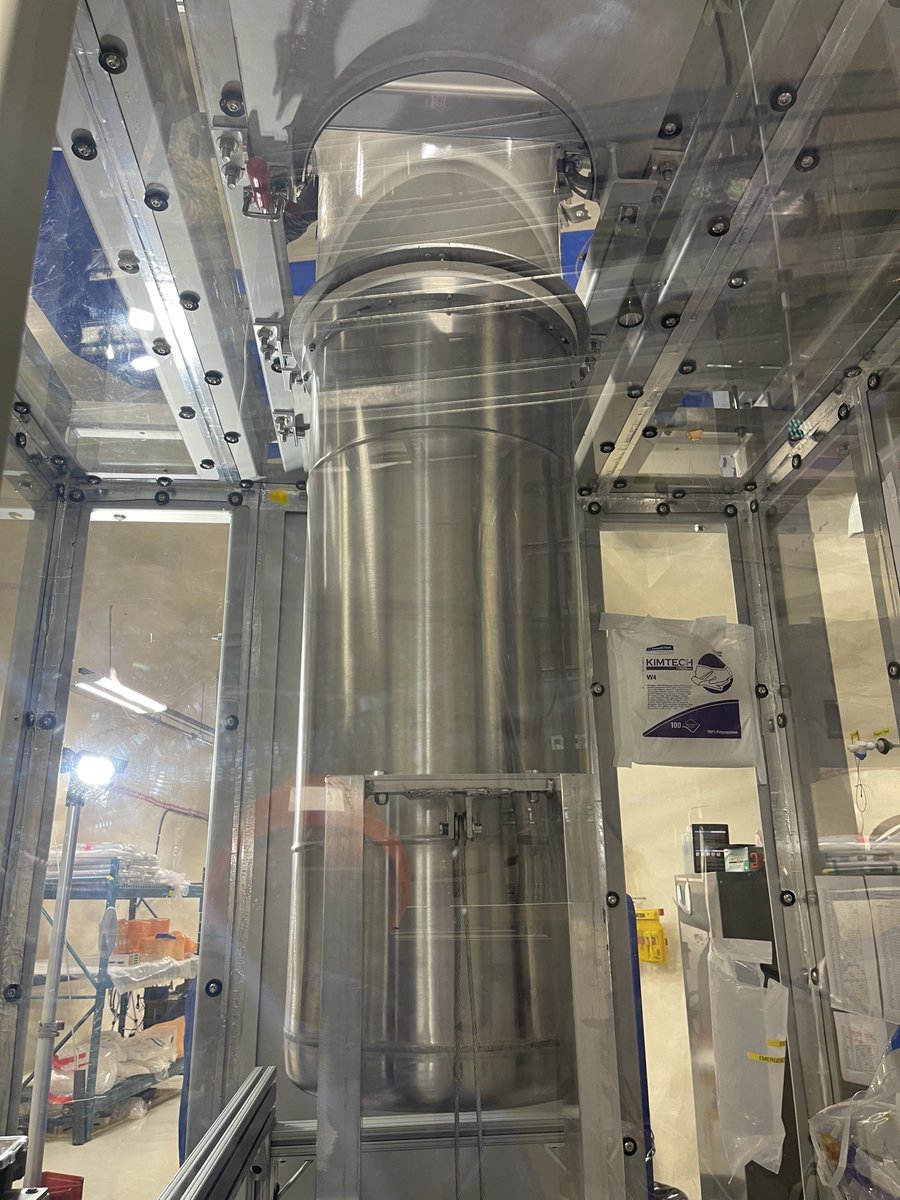
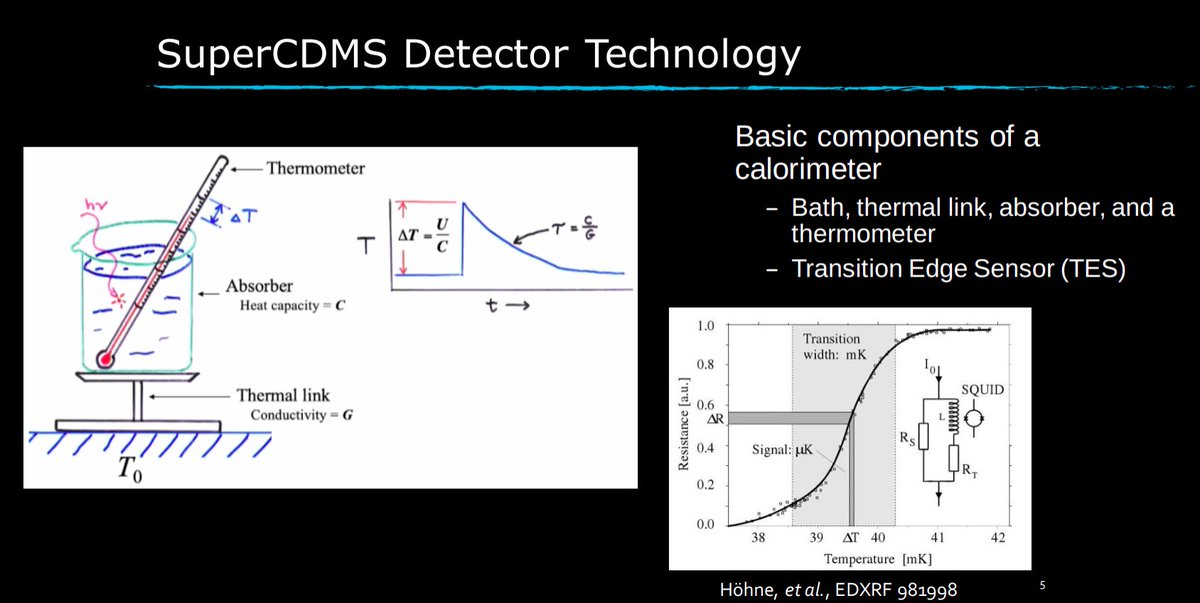
The dilution refrigerator for the SuperCDMS experiment at SNOLAB will cool the silicon and germanium crystals to less than 1 Kelvin to see vibrations from particle interactions. 🧵(1/2)
The @SuperCDMS experiment marked a big step forward with one-quarter of its detector components undergoing cool testing – literally! A portion of the detector payload is undergoing testing at 15 milliKelvin in the CUTE (Cryogenic Underground TEst) facility for the coming months.