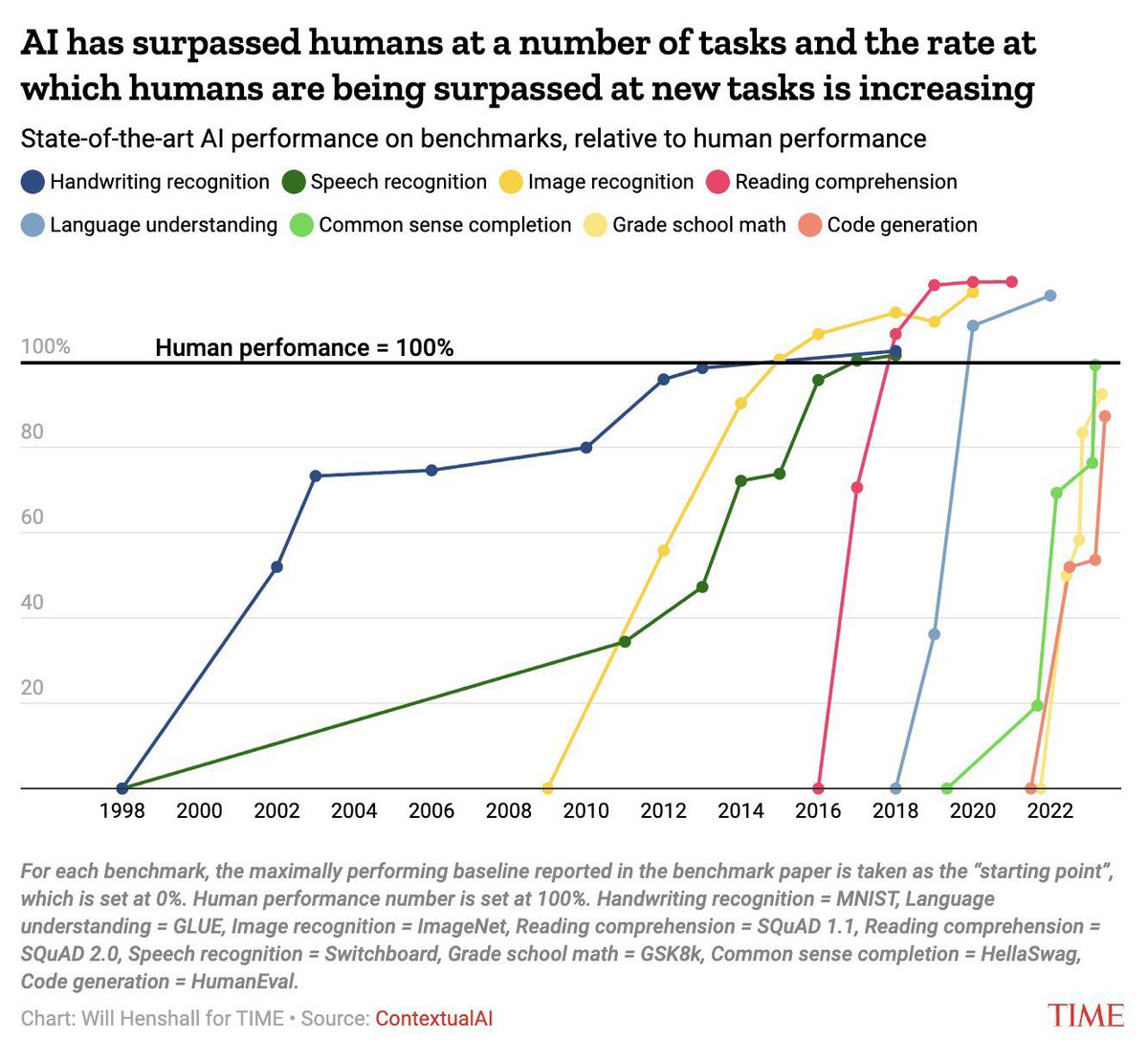
The #ai trend is clearly exponential and humans need an answers. Hear out this dude who is taking the concept of universal basic income #UBI to the next level and puts it into practice.
See you at the beach and have a great weekend 🤙🏼
Source Graph: @TIME
Video source: unknown
Kong Cloud flipped short on $KSM with Kong Score 65. The headline is not the direction by itself. It is the way a 78.5 confidence head and shoulders read overrode a messy daily transition and turned the 1D cloud into alignment with the 4H and 5D windows.
This is a clean example of the continuation path inside Kong Cloud Process v2.2.0.
When a market is already in a trending regime, the process does not give a fresh flip full credit just because the cloud changed state. Continuation starts below a perfect structural score because the system is asking a narrower question: has the pullback or neutral pause ended, and has the prior trend resumed with enough confirmation to matter?
KSM is useful because the answer is visible across the stack. The 1D cloud flipped short at 4.53 after sitting neutral. The 4H cloud was already short for 101 bars. The 5D cloud was already short for 93 bars. That creates full short alignment across the local, intermediate, and wider windows.
The part Kong cares about is not the label. It is the evidence behind the label.
In trending markets, pattern carries a 40 weight in the process guide. That is the largest single component for this path. The reason is classical, not decorative. Edwards and Magee used head and shoulders as a structural map of failed recovery attempts around a neckline. Bulkowski gives the pattern statistics that let the model treat some formations differently from generic chart shape. Murphy gives the broader technical framework. Kong Cloud turns those older chart concepts into scored inputs instead of narrative preference.
Today, KSM printed a head and shoulders pattern with 78.5 confidence. The neckline in the source data sits around 4.72, with the head at 7.70 and shoulders at 5.18 and 5.23. Price at prime was 4.53. That places the daily cloud flip below the neckline region rather than inside the prior recovery structure.
Volume is the second check. The volume ratio came in at 1.5x, which sits on the confirmed threshold in the process guide. This matters because continuation without volume can be a thin cloud change. Continuation with confirmed volume says participation was present when the daily state changed.
The final score reflects that mix. Kong Score 65 is a Developing tier read: enough component agreement to surface the asset, but not a maximal verdict. Pattern contributed the largest share. Volume confirmed. The wider 5D window confirmed. Momentum was mixed, so the score did not pretend every layer agreed.
This is why the post is about process, not prediction. A short flip, a 78.5 pattern confidence, 1.5x volume, 4H short for 101 bars, and 5D short for 93 bars all point to the same analytical question.
Was the neutral daily pause just noise inside the wider downtrend, or has KSM started a larger state change that the lower windows already saw first?
$VANA flipped short as a Kong Cloud continuation read, but the useful lesson is not the direction. It is why a 100 confidence head and shoulders can dominate the score while weak volume still keeps the verdict at Kong Score 59.
This is a pattern-primacy example inside a trending regime.
Kong Cloud starts with regime because every later component has a different meaning depending on the state of the market. VANA is classified as trending, with a continuation structural context. The 1D cloud has just flipped short at 1.393 after a neutral state. The 4H cloud was already short for 97 bars, and the 5D cloud was short for 76 bars. The snapshot calls that full short alignment.
That alignment matters, but it does not settle the read on its own. In the Kong process, a continuation flip in a trend starts as evidence that the pullback has ended and the prior direction has resumed. It is not given a perfect score simply because it agrees with the wider cloud. Continuation is meaningful, but regime confirmation is less rare than regime transition, so the rest of the stack has to earn the verdict.
The decisive layer today is the pattern layer.
VANA printed a head and shoulders with 100 confidence. The detected structure is specific: left shoulder 1.658 on April 28, head 1.821 on May 11, right shoulder 1.619 on May 22, and neckline 1.397. The prime price is 1.393, almost exactly at that neckline reference. Edwards and Magee gave the head and shoulders its classical structural definition: a failed attempt to extend the prior swing, followed by a neckline break that turns the pattern from shape into evidence. Murphy treats the same formation as one of the central reversal and continuation diagnostics because it links price structure to crowd exhaustion.
Kong does not score that visually. It scores the pattern as a component. In trending regimes, pattern carries a 40 point weight. VANA receives 36 from that bucket. That is why this prime can reach 59 even though volume is not helping. The pattern is doing the work.
Bulkowski is relevant here because Kong's pattern tiers are not aesthetic labels. Head and shoulders belongs in the Tier A reliability class in the process guide, with Tier A mapped to 3-19% failure rate territory across the cited pattern literature. The exact detected pattern still has to pass confidence checks. VANA does: 100 confidence, 100 volume score inside the pattern object, and a flat neckline at 1.397.
The tension is volume.
Volume ratio is 0.26. Kong labels volume weak and declining, and the volume component contributes only 3 of 20. That matters because a neckline event with thin participation has less confirmation than the same event with expanding participation. The system does not discard the pattern, but it also refuses to let the pattern become a complete verdict. That is the difference between a clean structural read and a high-conviction state.
The other component scores show the same discipline. Regime contributes 5 of 5, structure contributes 12.75 of 15, pattern contributes 36 of 40, macro alignment contributes 2 of 20, and volume contributes 3 of 20. The headline looks simple: VANA flipped short. The actual read is more nuanced: structure and pattern are clear, volume and macro keep the score in check.
Wilder's smoothing lineage matters in the background. Kong Cloud is built to reduce single-bar noise, and the pair detail shows why. VANA has only 3 total flips in the fitness sample, about 2.4 flips per year, with an A grade and strongly trending regime affinity. The 1D signal did not appear in isolation. It arrived after the 4H had already spent 97 bars in the same direction and the 5D had spent 76 bars there.
That is why this prime is a useful worked example. The surface event is a fresh 1D flip. The methodology read is pattern primacy under continuation conditions, with volume acting as the governor. The open question is whether participation starts to confirm the neckline, or whether the pattern remains technically clean but lightly sponsored.
$ENS is today's Kong Prime: a fresh short flip, Kong Score 70, with a 76.1 confidence head and shoulders pattern sitting right on the methodology fault line.
This one is a clean worked example of pattern primacy inside a trending regime.
Kong Cloud does not start with a chart pattern and then hunt for confirmation. It starts with regime. ENS is classified as trending, with the 1D cloud flipping short at 5.97, the 4H cloud already short for 85 bars, and the 5D cloud short for 45 bars. The prior 1D state was neutral, so this is a fresh daily transition into the direction already held by the wider windows.
That matters because the scoring path changes by regime.
In a range, structure does most of the work. Support, resistance, range quality, VPVR, and breakout behavior carry the main load because the market is contained. In a trend, Kong moves to the Step 2b path. A continuation flip is read as the pullback ending and the trend resuming, but it does not get a full 1.0 structural factor by default. Continuation starts at 0.7 because a regime change is rarer than confirmation of an existing path.
That is the first useful detail in ENS. The structural context contributes 12.75 out of a possible 15. Helpful, but not the whole story.
The second detail is the pattern bucket. In trending regimes, pattern has the largest weight in this Prime model at 40. ENS printed a head and shoulders pattern with 76.1 confidence. The pattern data is specific: left shoulder 6.49 on April 24, head 8.16 on May 11, right shoulder 6.59 on May 22, with the neckline around 5.93. The prime price was 5.97, so the daily flip is occurring almost on top of the neckline zone.
That is why the Bulkowski, Edwards and Magee lineage matters here. Edwards and Magee give the classical structural definition: shoulders, head, neckline, then the test of that neckline. Bulkowski's work is useful because it moves the discussion from pattern naming to pattern reliability. Kong does the same thing in code. It does not reward every familiar silhouette equally. It ranks pattern class and then scales the contribution by confidence.
For ENS, the pattern component contributes 30.6 out of 40. That is the largest single component in the score.
Volume is the third piece. Kong's volume layer uses a rolling baseline, with greater than 2.0x classified as strong. ENS printed 2.17x volume, and the volume trend is increasing. That gives the volume bucket its full 20 out of 20. In a continuation read, volume is not decoration. It helps separate a quiet cloud flip from a flip with participation behind it.
Macro is more subtle. The 5D cloud confirms the daily direction, but ENS is crypto, and the process intentionally scales macro contribution by asset class. Large cross-asset macro carries more weight for indices, commodities and forex than for smaller crypto assets. Here the macro bucket contributes 2 out of 20. Confirmation exists, but the model refuses to over-credit it.
That leaves the full component map: regime 5, volume 20, pattern 30.6, macro alignment 2, structural context 12.75. Total: 70. Convicted tier.
The point is not that a head and shoulders appeared. The point is that the neckline, the cloud flip, the volume expansion, and the timeframe stack are all arriving in the same narrow area. Murphy's classical trend work, Wilder-style smoothing, and Bulkowski's pattern statistics all meet in one Kong Cloud decision.
The open question from here is not narrative. It is structure: does the neckline area near 5.93 continue to define the read, or does ENS reclaim the nearby 6.05 and 6.22 resistance band enough to make this flip look premature?
$BAC is today's Kong Cloud prime: a fresh 1D long at 51.095 inside an already aligned 4H and 5D long structure, with Kong Score 76. The teachable part is not the direction alone. The real question is how a continuation flip earns that score when volume is merely normal and pattern quality has to carry more of the verdict.
In Kong Cloud Process v2.2.0, a continuation flip in a trending regime starts from a discounted structural assumption. The model does not treat every daily turn as a full regime reset. It asks a narrower question: did the pullback likely finish, and is the primary path resuming. That is why continuation begins at 0.7 rather than 1.0 on the trending path. Regime contributes only 5 weight here, structure 15, while pattern and volume take larger responsibility for deciding whether the flip deserves attention. On this BAC prime, the regime was trending, the structural context was continuation, and the 5D window was already long, so the broader context was already in place. The daily signal still had to earn its score elsewhere.
That earning happened through pattern quality first. BAC came in with an inverse head and shoulders at 87.5 confidence. In the process guide, pattern is the primary 40-weight layer inside trends because a credible structure can rescue a continuation flip that would otherwise look ordinary. Bulkowski places inverse head and shoulders in Tier A, the 3-19% failure band, which is why Kong does not treat every named pattern equally. Edwards and Magee provide the classical geometry: left shoulder, head, right shoulder, then neckline resolution. BAC's pattern description was clean enough that the pattern layer contributed 36 of the final 76 score. That is nearly half the verdict from one chapter of evidence.
Volume is where the read stays disciplined. Kong Cloud grades volume against a rolling 20-bar baseline: above 2.0x is strong, 1.5 to 2.0x is confirmed, 0.8 to 1.5x is normal, and below 0.8x is weak. BAC printed 1.11x with declining volume trend. That keeps the move inside the normal band. It confirms participation, but it does not let the post pretend this was a loud expansion. In a continuation case, that matters. The model is less interested in narrative than in whether evidence stacks across layers without contradiction. Here the layers were compatible: 1D flipped long, 4H had already turned long on May 26 at 52.23, 5D remained long, macro alignment was confirming, and volume stayed inside the normal band.
That combination also explains why Kong Score 76 landed where it did. A larger volume print could have pushed the case higher, but continuation primes are supposed to earn that upgrade rather than inherit it from the prevailing regime. Wilder's smoothing logic sits underneath Kong Cloud, yet the output readers care about is simpler: if the daily turn is real, follow-through should keep alignment intact while volume either stabilizes or expands. If alignment breaks first, the score will usually roll over before the broader narrative catches up.
The open question is straightforward. Was this 1D flip the clean restart of a larger long sequence, or a technically valid continuation read that arrived before participation fully widened. BAC gave Kong a serious pattern, a real alignment stack, and a respectable 76. The next clue is whether volume stops whispering.
$CAKE just printed a daily Kong Cloud flip short with a Kong Score of 60. The headline is not volume. It is structure. This is a continuation signal inside a strong trending regime, reinforced by a Double Top that came in at 100.0 confidence. The interesting question is how Kong weights confirmation when the trend was already leaning that way.
Kong Cloud is built to separate regime change from trend resumption. That distinction matters here. In the process guide, a continuation flip on the trending path does not begin at full marks. It starts at 0.7, not 1.0, because the model is not claiming that a new regime appeared out of nowhere. It is reading that a pullback has likely ended and the prevailing direction has resumed. That sounds modest, but it is one of the cleaner ways to think about structural evidence. A fresh reversal has to prove more. A continuation only has to prove that interruption has failed.
CAKE fits that framework tightly. The regime read was trending, with regime detail showing KC share at 73 percent, a longest run of 84 bars, and only 2 flips in the last 120 bars. The 5D window was already short and confirming. The 4H window had been short for 49 bars. The daily window had just flipped short after a prior neutral state. That is not a scattered chart. It is a stack of timeframes that were already pointing in one direction, then got a new daily confirmation on top.
This is also why the pattern matters more than the raw volume number. In the methodology notes for trending markets, pattern is the 40 weight primary signal when a continuation or counter-trend case needs to be judged against the backdrop of an existing trend. CAKE did not arrive with ambiguous structure. It arrived with a Double Top at 100.0 confidence. Bulkowski's work is relevant here because Kong does not treat classical patterns as decoration. It uses their failure characteristics and reliability tiers as evidence inside the scoring stack. Edwards and Magee matter for the same reason. The pattern is a structural statement first, not a slogan.
Volume, by contrast, was present but not decisive. The ratio was 1.06x and the trend was flat. In other words, volume did not contradict the read, but it also did not have to carry it. The process guide is explicit that volume must be read in context. In a trending continuation, volume helps refine confidence; it does not automatically outrank structure. That is why this prime can score 60 without any dramatic expansion in participation. The pattern and the multi-timeframe alignment are doing the heavier lifting.
The component read shows the same hierarchy. Pattern contributed 30.0 raw points in the source prime output and 25.2 in the Cloudbreak component stack. Structural context added 12.75 raw points and 9.0 in the video stack. Volume added 10.0 raw points and 14.4 in the video stack. Macro alignment was confirming, but only modestly so at 2.0 raw points and 8.4 in the video view. Regime itself added 5.0 raw points and 3.0 in the video view. Whether you read the source scoring block or the rendered component bars, the message stays consistent: this was a structure-led prime.
Wilder's smoothing logic sits underneath Kong Cloud through its smoothing lineage, which is one reason the system can hold a trend state for long stretches without reacting to every noisy cross. That filtering discipline shows up clearly here. CAKE is not a hyperactive asset in Kong's own history. The prep bundle lists 25 total flips and about 2.6 flips per year. When a daily state change arrives on an asset with that cadence, inside a regime already aligned short across higher windows, the burden shifts from excitement to verification. The pattern provided that verification.
So the read on CAKE is less about a dramatic new event than about a mature trend receiving one more clean confirmation from daily structure. Kong Score 60. Developing tier. If volume stays near baseline, does the pattern remain the whole story, or do later bars need to add fresh confirmation?
The Natural Gas market transitioned into a short regime today. The $GAS feed shows a daily flip at 1.546 following a 115 bar trending period. The Kong Score of 57 places this prime in the developing tier, reflecting a continuation signal where the primary trend resumes after a corrective phase. Analysts will note that while the 1D and 5D clouds are now fully aligned in a short configuration, the volume ratio remains low at 0.77.
In technical analysis, a continuation flip is a critical classification. According to Kong Cloud Process v2.2.0, a continuation signal in a strong trend is weighted differently than a regime reversal. Specifically, a continuation flip indicates that the trend-following logic has cleared a 3-bar confirmation period, suggesting that the prior pullback was insufficient to break the underlying structural regime. The 5D macro alignment carries a 1.0 weight for commodities, providing a significant anchor for the 1D signal.
A key component of today's analysis is the detection of a double top pattern with 86.3 percent confidence. Classical structural definitions from Edwards and Magee describe the double top as a reversal formation that requires a confirmation line breach to validate. Bulkowski pattern statistics in the Encyclopedia of Chart Patterns indicate that double tops on crypto assets have a failure rate of approximately 11 percent when volume confirms the breakout. However, because the volume profile is currently classified as weak (below the 0.8x threshold), the pattern is considered unconfirmed.
The relationship between pattern and volume is a primary signal in the Kong Cloud methodology, carrying a weight of 40 in trending regimes. When pattern confidence is high but volume is low, the system assigns a developing tier. This distinguishes the current state from convicted or silverback tiers, which require a volume ratio above 1.5x to confirm that institutional participation is present. We are observing the smoothing under Kong Cloud, specifically the moving average periods of 15 and 29 on the mid-price data, which continue to track the downward momentum.
The 5D macro context confirms the 1D direction, with the regime detail showing 100 percent presence over the last 120 bars. This degree of persistence is rare and suggests that the daily flip is a high-confidence alignment with the longer-term structural path. The question now is whether the increasing volume trend will provide the energy to sustain the breakdown below the trough established in April.
We will watch the volume ratio for a transition from the current 0.77 level toward the 1.5 confirmed threshold as the price interacts with the support levels identified at 1.516 and 1.506. The structural invalidation level for this short configuration is set at 1.615. Will the volume profile finally expand to confirm the pattern breakdown?
Kong Cloud flipped long on $SOL today, score 59. This transition represents a counter-trend event within a strong downward regime, a specific analytical path in the Kong Cloud methodology where pattern primacy acts as the primary rescue for the conviction score.
In a trending market, the structural context carries a specific weight ladder designed to filter for regime maturity. When an asset like Solana has been in a strong downward trend for 117 bars, the regime component starts at a base weight of 0.35 for counter-trend signals. This reflects the high probability of trend resumption, or what classical analysts like Murphy describe as the inertia of the prevailing move. To overcome this structural gravity, the indicator requires a high-confidence pattern to provide the necessary scoring offset.
Today's signal is anchored to an inverse head and shoulders pattern with a confidence rating of 86.6. In the Kong Cloud process, the pattern component carries a 40 percent weight in trending markets, making it the most significant variable in the scoring pipeline. This specific structure belongs to the Tier A classification, characterized by failure rates between 3 and 19 percent according to the statistical datasets compiled by Bulkowski. When a Tier A pattern is detected with high confidence, it can elevate a prime from speculative status even when the macro alignment remains diverging.
The 5D macro weight ladder for large-cap crypto assets is currently at 0.5, and with the 5D trend still confirming the prior downward move, the macro component provided only 3 conviction points to the final score. This is where the 3-bar confirmation delay and the Neutral zone act as a critical filter. The 1D cloud width is currently 0.11 percent, a thin margin that signals a fresh transition rather than established momentum. This is the definition of a developing tier prime: the pattern is technically sound, but the wider market context has yet to align with the new direction.
Wilder's smoothing principles, which inform the average periods under the Kong Cloud, ensure that this flip is not a reaction to random volatility but a filtered structural transition. With a volume ratio of 0.82, the participation is mixed, meaning the breakout is not yet backed by the volume magnitude seen in high-conviction regime changes.
Will the downward structural resistance, which has controlled the chart for over a hundred bars, invalidate the pattern neckline at 92.88 or is this Tier A structure a legitimate fracture in the regime? What is your read on the breakout?
$GALA flipped long today with a Kong Score of 49. While the headline transition is a counter-trend signal against a dominant short regime, the methodology behind this flip reveals how structural patterns can override trend inertia. Here is how the process weights a flip in high-friction environments.
The Kong Cloud methodology classifies market states into trending and ranging paths to ensure that component weights match the prevailing environment. In a strongly trending market like the one currently observed in Gala, where the longest short run has extended to 117 bars and Kong Cloud coverage reached 99 percent, a counter-trend flip faces a significant structural hurdle.
Under Step 2b of the trending path, a flip that opposes the primary regime starts with a baseline penalty. In extreme cases, the score begins at just 0.35. For a long signal to achieve a Speculative tier verdict, the other pipeline components must provide exceptional evidence to overcome this trend-following bias.
The primary force in this signal is the Double Bottom pattern, which carries the highest weight in trending environments at 40 percent. This specific formation was detected on the 1D timeframe with 83.0 percent confidence. According to the pattern reliability tiers established in Chapter 4, this qualifies as a Tier A formation.
Classical technical analysis, as defined by Edwards and Magee, identifies the Double Bottom as a major reversal structure that requires significant accumulation at the lows. Bulkowski's research in the Encyclopedia of Chart Patterns provides the statistical backing for our confidence weight, noting that Tier A Double Bottoms exhibit failure rates as low as 3 to 11.5 percent depending on the market context. When a high-confidence Tier A pattern appears, the Kong Cloud Process allows it to act as a primary signal that can rescue a score from its counter-trend starting point.
Further confirmation arrives from Step 5 of the pipeline: macro alignment. While the 1D cloud is in the first bar of its transition, the 5D macro window is now diverging. In the 5D weight ladder, crypto assets carry a lower macro weight of 0.5 compared to commodities or forex, but the shift from neutral to diverging still provides the necessary friction to validate the flip.
The volume ratio of 0.91, calculated against a rolling 20-bar baseline, indicates a normal and mixed environment. This suggests that while the pattern is structurally sound, the breakout lacks the 2.0x volume confirming levels typically seen in high-conviction regime changes. This missing volume component is why the final verdict remains capped in the Speculative tier.
The process has identified a rare transition in an asset that historically filters out months of noise. We are watching the 3-bar confirmation as price interacts with the volume profile point of control at 0.0038. Will the counter-trend pattern find the necessary follow-through to shift the regime?
The latest daily signal for $MAV identifies a counter-trend long flip with a Kong Score of 54. This developing tier verdict emerges from a market state where a strong short regime has held control for 99 percent of the recent price action history.
In the Kong Cloud methodology, a counter-trend flip into a strong existing regime is the most difficult signal to qualify. According to the process guide, counter-trend events in these environments are assigned a conservative base weight of 0.35. This low starting point acts as a structural buffer, preventing noise from triggering premature flips during standard pullbacks. For a signal to cross the 50 point threshold in this state, it requires significant confirmation from the high-weight components of the analytical pipeline.
The primary driver for the current flip is the pattern detection engine. A double bottom pattern was identified with 94.5 percent confidence. In the Kong Cloud weight ladder, specific technical patterns carry a 40 point weight in trending markets. This methodology prioritizes classical structural formations as high-fidelity signals that can outweigh regime momentum. As documented in the work of Bulkowski, a double bottom with this level of clarity historically carries a low failure rate once the trough line is confirmed.
However, the internal indicators suggest a state of divergence. The volume ratio is currently 0.45, which is classified as weak. In a trending environment, a structural break occurring on low volume is often treated with skepticism by the system. The 5D macro alignment remains short, meaning this daily flip is fighting against a larger temporal trend that has persisted for 134 bars. This creates a state of mixed momentum where the local structural change is not yet backed by institutional participation.
The logic under the cloud relies on a specific smoothing process. Using Wilder's moving average as a baseline, the system requires the price to maintain its level above the cloud boundaries to preserve the long state. With a current daily cloud width of only 0.08 percent, the margin for invalidation remains tight. The system is watching for the increasing volume trend to confirm that this is a genuine transition rather than a temporary deviation in a larger downward cycle.
This prime serves as a worked example of how pattern primacy can elevate a score even when volume and macro alignment remain neutral. The methodology does not look for perfect alignment; it looks for the mathematical point where structural evidence outweighs trend inertia. The open question remains whether the local pattern confidence is enough to overcome the significant overhead resistance that has formed during the 117 bars of the prior short regime.
Indicator state, not financial advice.
Will the current volume trend be enough to sustain this transition?
$NEO is today's Kong Cloud prime: a 1D flip long at 3.252 with a Kong Score of 61, even though the wider regime is still strong short. That tension is the point. Counter-trend signals in strong trends are where the methodology has to prove it is weighting evidence rather than reacting to noise.
Kong Cloud does not treat every flip the same. In the trending path of Process v2.2.0, the first question is whether the move is continuation or counter-trend. Neo is the second case. The 1D state just turned long, but the regime detail still reads strong short, with the longest run at 117 bars, one flip in 120 bars, and the 5D window still short. A weak model would flatten those facts into one headline and call it conviction. Kong Cloud does the opposite. It starts the structural read from a handicap because the wider trend has not yielded yet.
That handicap matters. In a strong trend, counter-trend starts at 0.35 rather than 0.7 or 1.0. This is straight methodology. Continuation gets more credit because it is the trend reasserting itself. Counter-trend has to earn its way back through the rest of the stack. That is why these cases are useful teaching examples. They show whether the model is willing to say, in effect, the flip is real but the burden of proof is still high.
The first place Kong looks for that proof is pattern. In trending regimes, pattern carries 40 percent of the score. That is the primary rescue mechanism when structure is fighting the prevailing move. Neo printed pattern confidence at 85.8. The raw contribution on the prime was large enough to matter because pattern is not a decorative overlay in this framework. It is a weighted source of evidence. That logic comes directly out of the classical chart tradition. Edwards and Magee frame pattern as structure with implications, not ornament. Bulkowski's work then gives the empirical discipline: reliability is not assumed, it is graded. Kong's pattern layer borrows that habit. If a counter-trend flip is going to survive a strong short backdrop, the pattern layer has to carry real informational weight.
The second place Kong looks is volume. Neo printed 2.49x relative volume with an increasing trend. In Kong Cloud's volume ladder, anything above 2.0x is strong. That matters more here than it would in a quiet continuation because counter-trend without participation is usually just noise. Strong volume does not settle the case on its own, but it does tell you that the flip is not happening in an empty tape. The model explicitly checks this against a rolling 20 bar baseline. Murphy wrote that volume should confirm price. Kong uses the same principle, but formalized into thresholds instead of commentary.
Then there is macro alignment. The 5D state is still short, so the prime is diverging rather than confirming. In the Kong framework that is not ignored or hand-waved away. Divergence is a reduced score path, not a footnote. For crypto, macro carries less weight than it would for a commodity or index, but the sign still matters because the higher window has not joined the move. This is exactly why Neo stopped at 61. The signal had enough support to clear the prime threshold, but not enough unanimity to masquerade as a fully aligned read.
The mechanics underneath this are also worth naming. Kong Cloud uses Wilder-style smoothing with a three-bar confirmation filter so the line does not flip on every small cross. That is why a daily turn after a 117 bar short run is analytically interesting. A low-friction indicator would have produced far more drama, and a lot more junk. Kong is trying to surface state changes only after enough pressure has built to matter.
So the worked example here is simple. Neo did not become prime because it was comfortable. It became prime because a counter-trend daily flip inside a still-strong short regime produced enough patterned structure and enough volume participation to overcome the initial handicap, while divergence on the 5D window kept the score in check. That is a much more useful read than a headline about direction alone. Does the daily state now pull the higher window with it, or does this become one more failed counter-trend attempt inside a regime that still has not truly broken?
$FIL is today's Kong Cloud prime: a 1D flip long scored at 55, in a strong trending regime that still leans the other way on the wider window. The interesting part is not the headline flip. It is how a counter-trend case gets rescued when pattern quality is unusually high.
Kong Cloud is built to punish counter-trend calls inside strong trends. The methodology note in today's prep is explicit: on the trending path, a counter-trend flip in a strong trend starts at 0.35, not 0.70 or 1.00. That is deliberate. Edwards and Magee treat reversal structures as exceptional events because they are fighting an existing trend definition, not flowing with it. Murphy makes the same point in plainer language: the trend in force has to be assumed intact until evidence proves otherwise. Kong encodes that skepticism numerically before any pattern or macro overlay is added.
That is why this Filecoin prime is a clean worked example of pattern primacy. The regime layer is restrictive. The wider state is still a strong trend. The 5D cloud remains short after 90 bars. Volume is normal at 1.1x and declining, so the tape is not offering broad confirmation. Momentum is mixed. None of those layers is carrying the case. The main lift comes from structure.
The specific structure is an inverse head and shoulders at 97.9 percent confidence. In Kong's methodology notes for this prime shape, pattern is the 40-weight primary signal that can rescue a counter-trend score when the regime is hostile. Today's raw component output shows exactly that. Pattern contributed 36.0 points. Volume contributed 8.0. Structural context contributed 5.25. Regime contributed 5.0. Macro alignment contributed only 0.6 because the 5D state is diverging. A score of 55 does not mean every layer agreed. It means one layer mattered enough to offset the drag from the rest.
Bulkowski's reliability framing is useful here. The guideline bundle cites Tier A patterns such as inverse head and shoulders as part of the 3 to 19 percent failure-rate band. That does not make the pattern self-executing. It explains why Kong gives the pattern layer real authority when confidence is this high. Filecoin's formation also fits the classical condition from Edwards and Magee: the reversal is not just the outline of the pattern, it is the neckline break that clears. Today's prime price is 1.147. The pattern description places the neckline near 0.989, with the left and right neckline points at 1.015 and 0.963. In other words, the cloud did not flip on a vague shape. It flipped after price had already moved through the structural threshold the classical literature cares about.
Wilder matters on the other side of the ledger. Kong Cloud uses Wilder-style smoothing inside the cloud logic, and the process guide highlights a 3-bar confirmation filter to keep noise out. That design choice is why the system can acknowledge a fresh 1D change without pretending the higher window has already followed. The 1D cloud has flipped long for 1 bar. The 4H cloud has been long for 39 bars since 0.924. The 5D cloud is still short. That is a layered state, not a simple all-clear.
So the real lesson in today's prime is not that Filecoin flipped. It is that counter-trend cases only deserve airtime when the pattern evidence is strong enough to overpower a skeptical regime model. Kong is telling you exactly where the conviction came from and exactly where it did not. If volume stays flat and the 5D state refuses to turn, does pattern primacy keep this case above water on its own?
HMSTR flipped long on the daily Kong Cloud while the wider regime still leans short. $HMSTR is a good worked example of how Kong handles a counter-trend signal inside a strong trend: start skeptical, then ask whether the structure is good enough to earn its way back into the score.
Kong Cloud did not label this prime by optimism. It labeled it by process. The daily flip printed at 0.000182 after a regime that showed 99% short control, a longest run of 117 bars, and only 1 flip in 120 bars. In Kong Cloud Process v2.2.0, that is the exact environment where a counter-trend read gets discounted at the start. Step 2b assigns counter-trend only 0.35 in a strong trend because the base assumption is that the prevailing move usually keeps control until structure proves otherwise.
That is why pattern carries 40 weight in trending conditions. When the market is not ranging, structure alone is less decisive than the quality of the reversal evidence. HMSTR brought an inverse head and shoulders with 73.6% confidence, which pushed the pattern component to 30.6 points in the raw output. Bulkowski places inverse head and shoulders in Tier A, the 3-19% failure-rate bucket in Kong's framework. Edwards and Magee matter here as well because the pattern is not just a shape on a chart. It is a reversal structure defined by the neckline, the failed push through the head, and the right-shoulder recovery. Kong is effectively asking whether that structure is strong enough to challenge an older short regime.
The rest of the stack stayed measured. Volume was 0.9x against the rolling baseline, flat rather than confirming. That matters because Step 4 treats volume above 2.0x as strong, 1.5x to 2.0x as confirmed, 0.8x to 1.5x as normal, and below 0.8x as weak. HMSTR landed in the normal band, so volume did not rescue the read. Macro also withheld confirmation. The 5D window remained short and the prime was tagged as diverging. For crypto, Kong does not overweight that layer the way it would for commodities, forex, or indices. The process guide uses an asset-class ladder for Step 5, and small-cap crypto sits near the bottom because cross-asset macro explains less there than it does in macro-sensitive markets. Divergence still matters. It just does not get to dominate the verdict.
The result was a Kong Score of 51, Developing tier. That number makes sense when you read the weights instead of the headline. Regime contributes only 5. Structure contributes 15. Volume contributes 20. Macro contributes 20. Pattern contributes 40, and on this prime pattern did most of the lifting. Without the inverse head and shoulders, this would look like a routine counter-trend blip inside an entrenched short regime. With it, the signal becomes worth tracking even though the broader tape has not fully yielded.
There is another useful detail in the scan context. Kong reviewed 640 pairs and surfaced 10 actionable primes, with HMSTR taking the top slot. That does not make the flip certain. It says the system found this one more instructive than the rest because the conflict is clean: a fresh daily long, a still-short 5D backdrop, normal volume, and a Tier A reversal pattern doing most of the analytical work. The next question is simple. Does structure keep forcing the regime to concede, or does the wider short trend reassert itself and expose the pattern as only partial repair?
Today's prime is $PYTH long, but the important part is where the flip happened. Kong Cloud printed the 1D long signal at 0.0598 while the 5D window stayed short, so this score had to pass the hardest trending-path test: a counter-trend read inside a strong existing move.
That distinction matters because Kong Cloud does not grade every long flip the same way. In the process notes, a continuation in a trending regime starts from a much friendlier base. A counter-trend event in a strong trend starts from 0.35 instead. The system is skeptical on purpose. Strong trends are where late reversals get people in trouble, so the structural read alone is not allowed to carry the verdict. Something else has to do the heavy lifting.
On PYTH, that "something else" was the pattern layer. The daily prime came with an inverse head and shoulders at 75.0% confidence. In Kong's trending path, pattern carries the 40 weight. That is the primary signal when a flip is trying to turn a market that has been leaning the other way for a long stretch. Bulkowski's pattern statistics are the reason this layer is treated differently from ordinary chart decoration. In the Kong Cloud methodology, inverse head and shoulders sits in Tier A, the 3-19% failure band, alongside other higher-reliability reversal structures. Edwards and Magee made the same point from a classical angle decades earlier: the neckline break is the moment the structure stops being a sketch and becomes evidence.
The rest of the context lines up with that reading. Volume printed at 3.05x the rolling baseline, and the process guide treats anything above 2.0x as strong. That matters more on a counter-trend day than on a quiet continuation day because participation is the only thing that can argue the move is more than a brief interruption. PYTH did not just flip. It flipped with size. The lower window had already turned as well: the 4H cloud flipped long on 2026-05-03 at 0.0497 and stayed long for 33 bars into this daily change. That does not create alignment, because the 5D cloud is still short, but it does show that the daily move was not appearing out of empty space.
The wider regime still explains why the verdict stopped at a Kong score of 61. The regime detail says the cloud held one-sided for 99% of bars, the longest run lasted 117 bars, and there was only 1 flip in the last 120 bars. That is not a soft backdrop. It is a market that had been firmly one-sided. In a setting like that, Kong forces the reversal case to earn every point. The score reached Developing tier because the pattern was credible and volume confirmed the event, not because the macro window had cleared the path. In fact, the 5D state stayed short the entire time, which keeps the open question alive.
That open question is the only one worth watching now. Was this inverse head and shoulders the first durable crack in a long-running short regime, or just a statistically respectable interruption inside it? Kong Cloud has already told us which evidence mattered most. Does the next sequence keep building above the daily flip, or does the wider short state reassert itself?
Today's prime is $FORM flipped long on the daily, but the interesting part is not the flip alone. It arrived against a strong existing downside regime, which is exactly where Kong Cloud has to decide whether fresh structure is meaningful enough to challenge trend inertia.
This is why Step 2b matters. In a trending market, a continuation signal starts from 0.7 because the system is simply confirming what already exists. A counter-trend signal starts from 0.35, and that handicap is deliberate. Strong trends should be hard to interrupt. The bar is higher because most apparent reversals inside established declines are noise, not transition.
FORM cleared that first hurdle with a real structural argument. The pattern on this prime is an inverse head and shoulders with 71.1 confidence, and in Kong Cloud's trend path pattern carries the primary 40 weight. That is not cosmetic detail. It is the main rescue mechanism when price flips against the prevailing regime. Bulkowski's Tier A band sits in the 3-19% failure-rate range, which is why a credible pattern can offset a weak starting score better than vague momentum drift ever could.
There is another reason the score stopped at 61 instead of pressing into the convicted range. Momentum is still mixed, not cleanly confirming, so the pattern and volume had to do most of the lifting while macro context stayed unresolved.
The confirming layer is volume. FORM printed 2.78x its rolling baseline, which places this move in the strong bracket above 2.0x. For a counter-trend event, that matters more than it would on a routine continuation. Strong volume does not prove permanence, but it does tell you participation expanded at the exact moment the daily state changed.
The result is a Kong score of 61, which puts FORM in the developing tier rather than the top shelf. That feels right. The daily and 4H windows are now long, yet the 5D window still points short, so the regime conflict has not been resolved. The open question is simple: does this pattern-led daily flip keep building enough evidence to drag the wider structure with it, or does the higher-timeframe pressure reassert itself and turn this into a short-lived interruption?
Uniswap is the gold standard for trust in DeFi, and Telos has had a Uniswap DAO-approved deployment live for over a year.
One thing was missing though: the clean, familiar interface everyone loves.
Today that changes...
Introducing: Teloswap!
https://t.co/4vtsJRMBbb
COTI flipped short and the structure still points continuation.
Kong Cloud turned down with volume mixed. Score: 32 — Speculative tier.
Not financial advice.
#altcoin#technicalanalysis