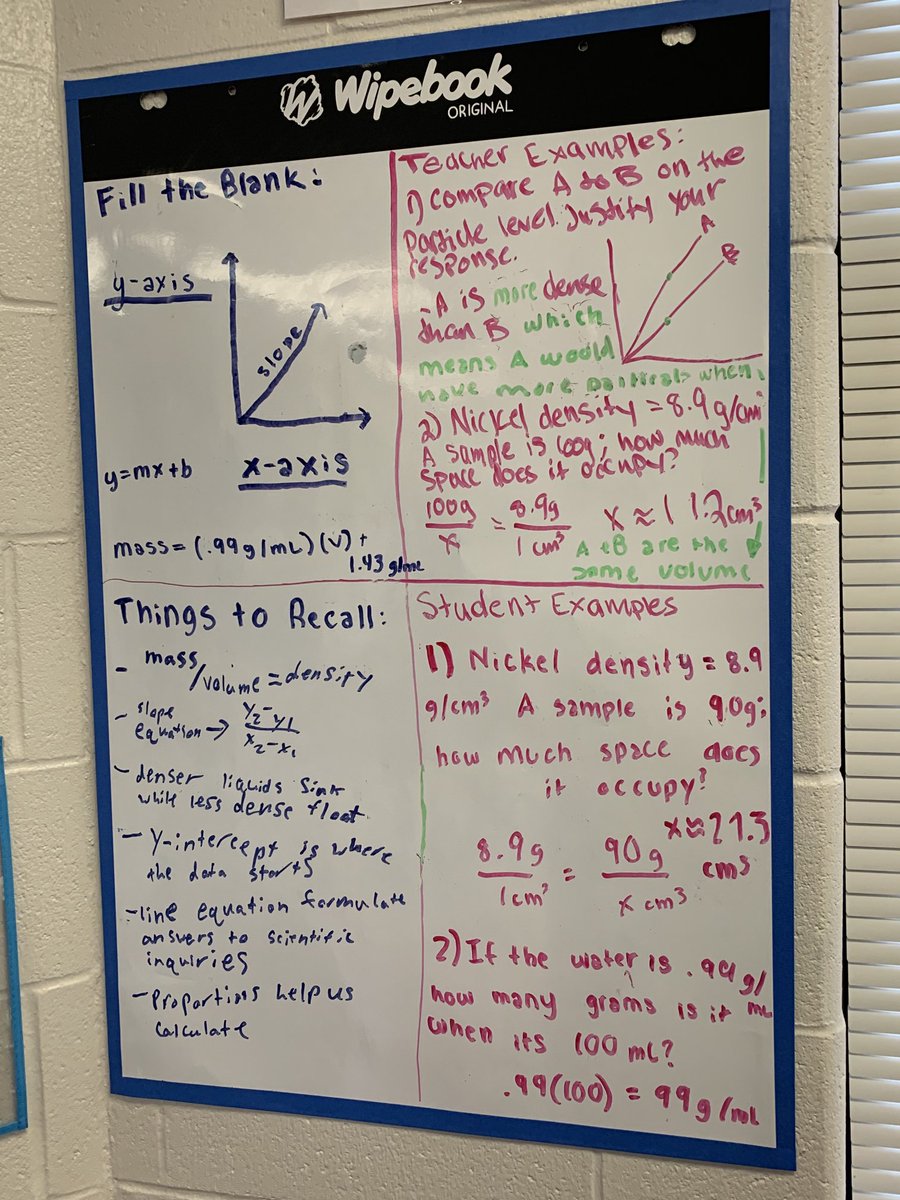
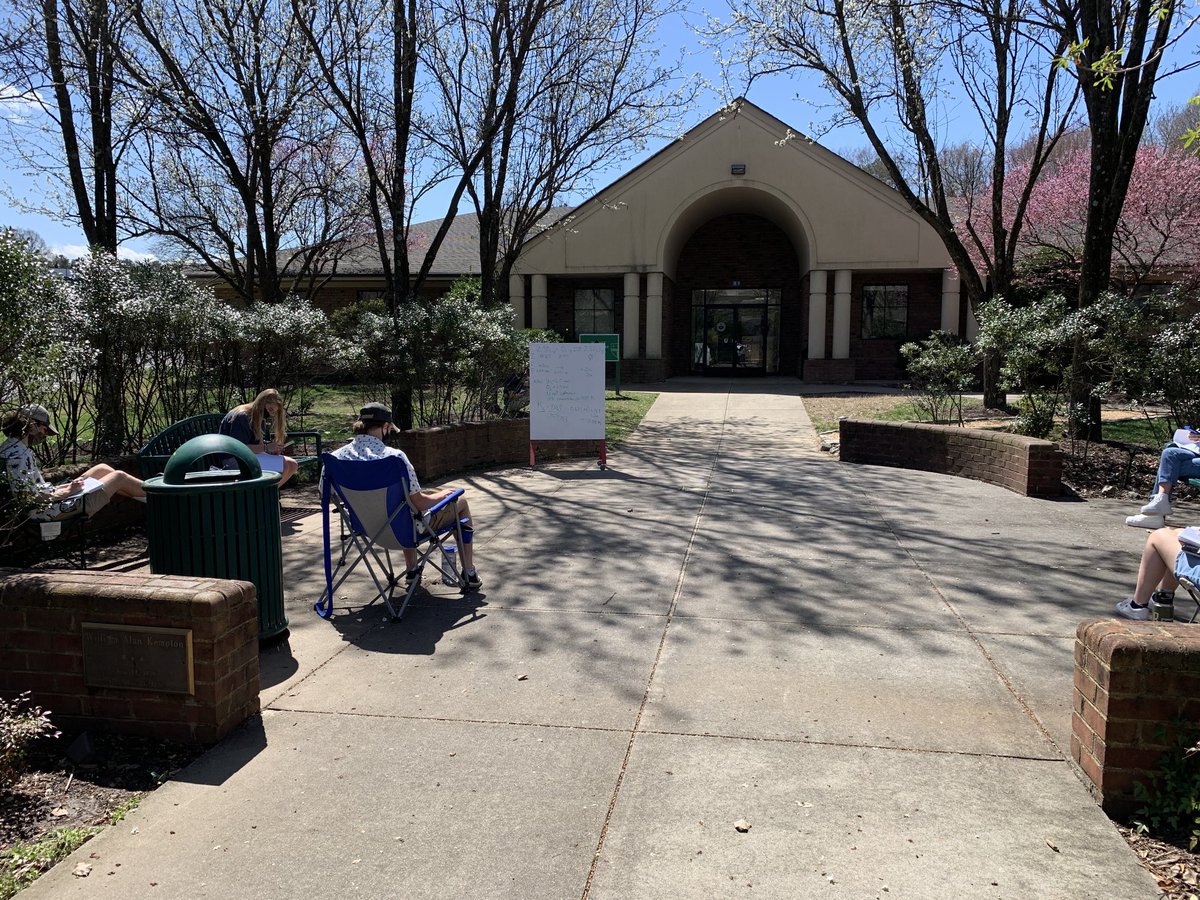
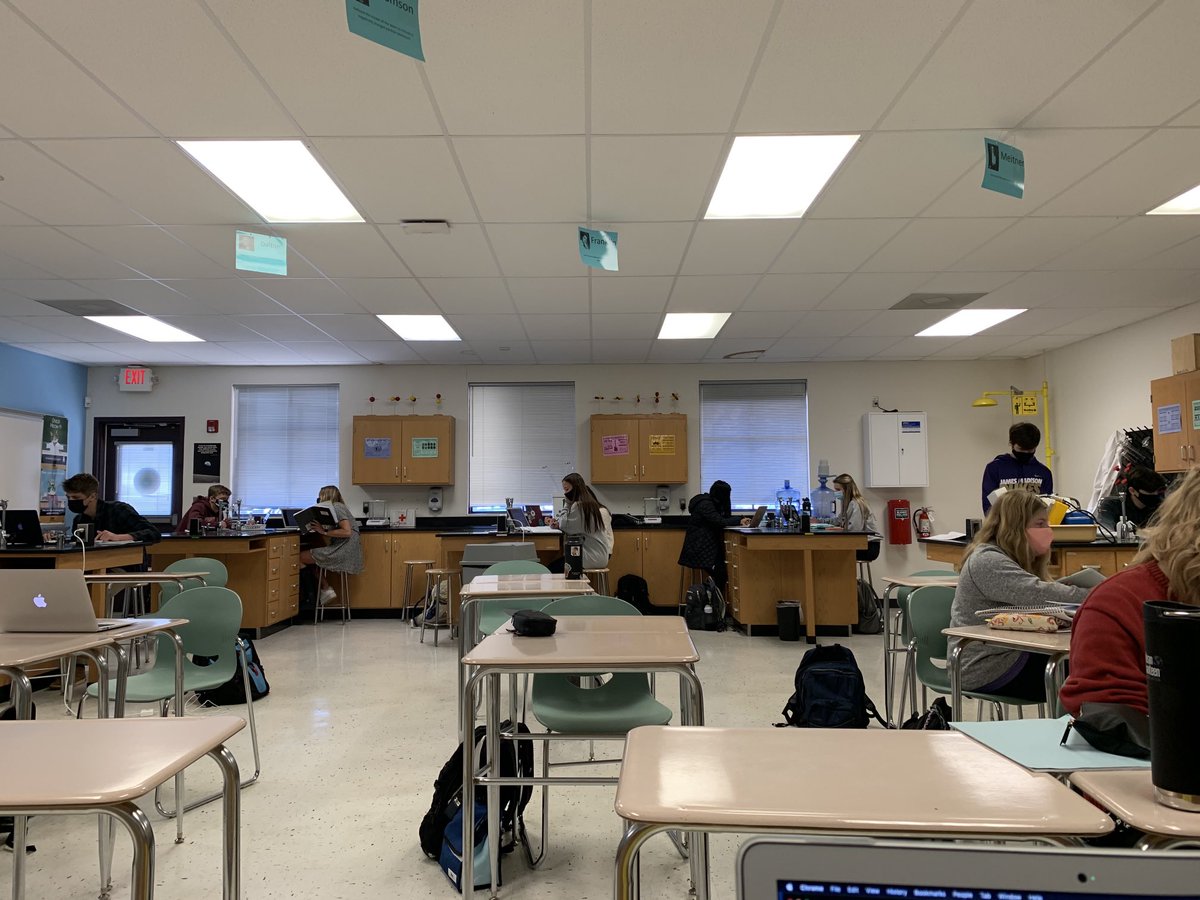
@pgliljedahl’s newest version of meaningful notes for BTC really drove some incredible conversation today - in both the construction of the notes and in their revision upon seeing other groups’ boards.
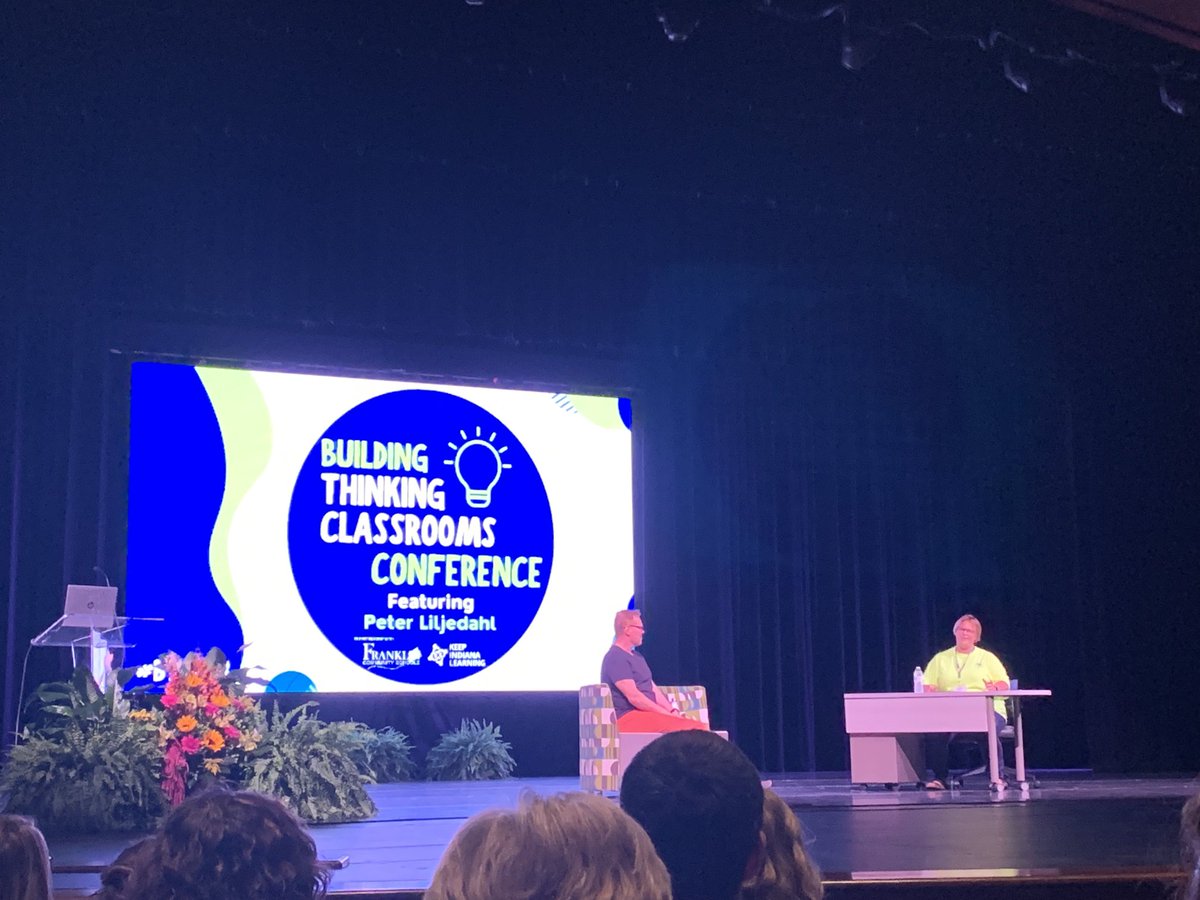
Incredibly grateful for the opportunity to attend #BTCC23 and learn from some brilliant educators. @pgliljedahl’s passion for working to understand how students learn best is so contagious! What an impactful two days!
@paulandersen just delivered one of the most meaningful PD sessions I’ve ever attended. His mini-lessons on NGSS science and engineering practices align perfectly with @pgliljedahl’s BTC non-curricular thinking tasks, which were also game-changers for me. My mind is blown!
@fisicahulk @tuttleimages This is how I do it. Also, prior to reassessment, they must fill out a reflection form and conference with me. They must provide evidence that demonstrates efforts to improve mastery.
I don’t know why it took me 12 yrs to do this, but I gave students a measurement w/ unit and asked them to draw the instrument from which it was taken. It REALLY helped them understand why we care about sig figs and helped me to identify lingering misconceptions. #modchem
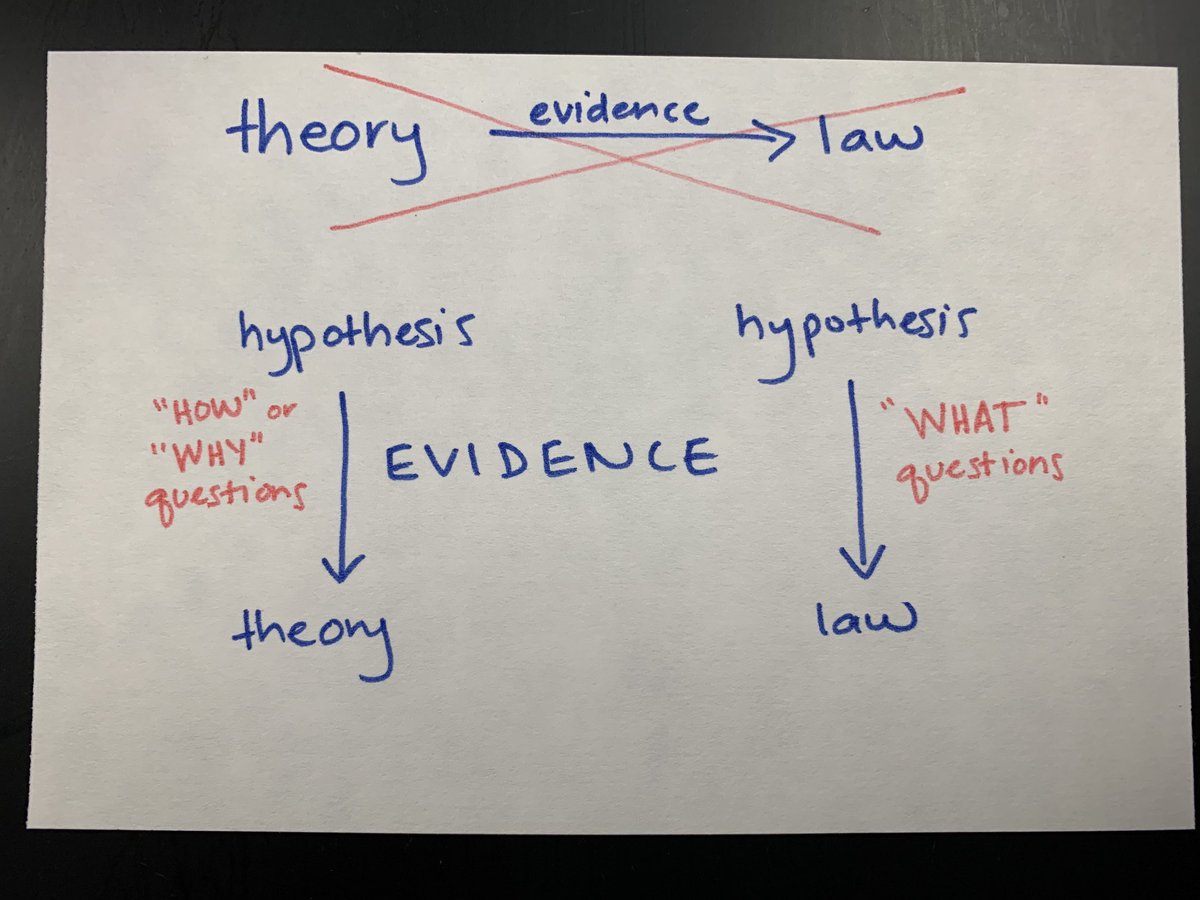
@AtomsNMolecules Yes! Scientists don’t throw the word “theory” around lightly. It’s confusing for students because colloquial use of the word is very different from scientific use.
I always wait to address this until it comes up organically in class discussions, but WOWZER - the misconception that theories become laws once they are better supported by evidence is a really persistent one.
@bulleribio I overheard lots of “ah-ha!” moments during the assessment as they discussed content AND test-taking strategies (a bonus I didn’t really consider ahead of time).
Dr. Kathleen Stuller, a science teacher at Olentangy High School, is working on a project to show her students the variety of science fields and careers as well as the variety in the people who do science. 1/2