If you thought we were too quiet, the integration and testing team has moved the propellant tank to the test site. It will undergo cryogenic testing and assess its stiffness and structures under high pressure.
The other stars in the right corner represent disciplines such as Physics, Chemistry, Mathematics, Engineering, Philosophy , Medicine (biology) and Geography. The larger star in the center represents the Cosmos, interconnecting all these disciplines.
Canopus's first mission left us with many mysteries to be unraveled, but do you know the true meaning of the name of the mission and its patch?
Follow the thread🧵(1/4)
The two stars in the left corner represent all the places we humans have been, with the largest star being the Earth and the smallest being the Moon. 🧵(3/4)
Today we performed the Kepler engine spin prime test. With all systems running and turbo-pumps running at operating speed, all methane and liquid oxygen was ejected through the engine nozzle.
After a day of work and preparations, we tested the Kepler Engine's high-pressure combustor for the first time, starting our test campaign for the launch of Canopus Bloco 2 🚀
We are planning to start the Kepler Engine testing campaign as early as next week.
This step will be critical for the upcoming release of Canopus Bloco 2
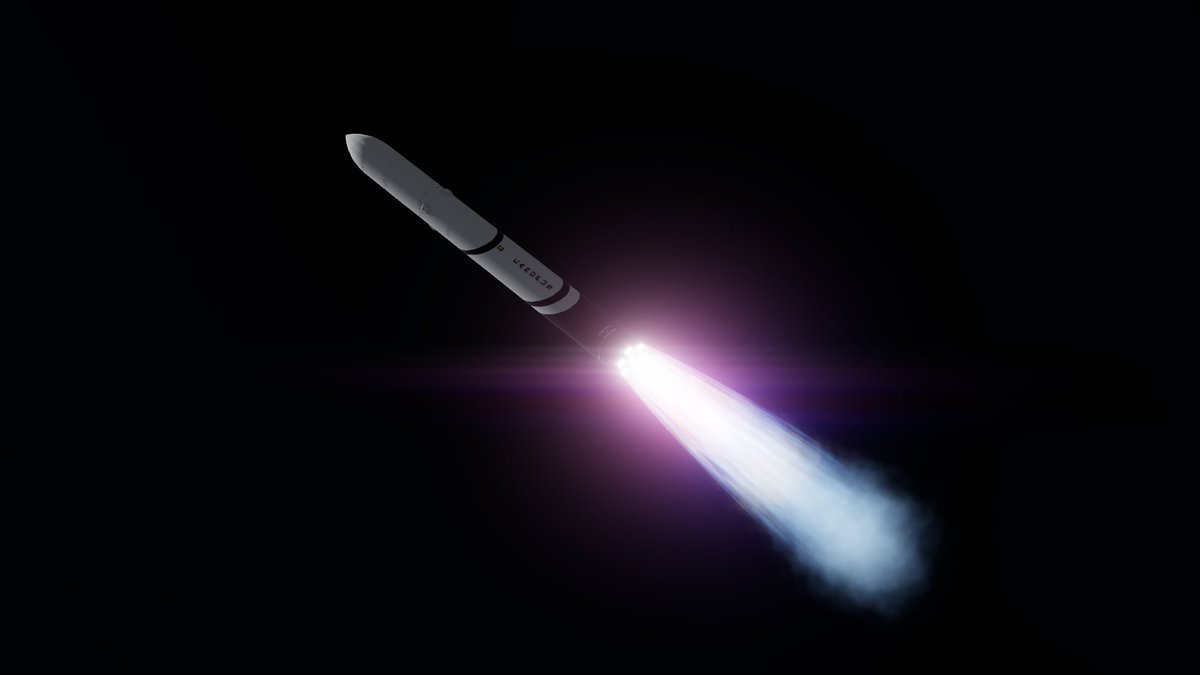
Canopus Bloco 2 is the successor of our first rocket, Canopus, which failed in its maiden flight attempt. With it, we will continue our journey into the Cosmos and embrace the hopeful future that lies ahead!
🧵(3/3)
Kepler Engine is the new engine under development by Orbital Systems, intended to equip the Canopus Bloco 2, the new rocket that will continue our legacy. Designed to be more efficient, lighter, and more powerful, it will be essential for our space program.
🧵(2/3)
After Canopus' inaugural flight and the recent announcement of its new variant, Bloco 2, Orbital Systems is aiming for a new future, a future that will be crucial for space exploration!
Introducing the Kepler Engine! 🧵(1/3)