I encourage you all to read this post and accompanying article, both of which make a lot of good points. But there is one thing I want to push back on and *WARNING* this is gonna be a rant.
The job of development executives is not – and should not be – "developing real movies from scratch." That is what writers do. Development execs are there to identify good material. Some of them are good at it. Some are bad. Some of them simply do not know the difference. They look who's attached – cast, director, etc. – and base their entire decision on that. Either that or it's IP, which still does not tell you much about the overall quality of a script.
The other part of their job is actually developing the material through rounds and rounds of story notes. Sometimes the scripts get better. Sometimes they don't. Some simply cannot be fixed which takes us back to the first part: discerning good from bad.
Now that's not to say that these are not very smart people. They are. What they are not are writers. Many of them start out as assistants and if they're good at their jobs they get promoted. But being a good assistant also has very little to do with writing.
In fact, reading scripts is only one small part of an exec's job and they mostly do it on nights and weekends. Daytime is for phone calls, emails, and meetings. There may be some execs who will close their office door (if they have one), sit down at their desks, and read an entire script from start to finish without stopping to take a single phone call. I say "may" because I have never met one.
Here is the part where I am admittedly biased, but I believe to be true. Experienced script readers – or story analysts as they're called – are generally much better at this.
Why? Because it's our only job. Reading scripts, writing coverage, and doing breakdowns and notes on existing projects. We are mostly free of politics – though not entirely. By that I mean the execs we read for mostly want us to "call 'em like we see 'em." We don't have relationships with the agents, managers, and producers who are the ones submitting material to the studios.
More to the point, we don't have to call them up to pass and say things like "I liked it but it's not for us" or "we have something similar in development." In other words, we don't have to lie – most of the time.
Sometimes we find out something is someone's pet project and are asked to "be more constructive." This is code for "pretend you liked it more than you did." Thankfully I don't get a lot of that. When an assistant sets up a call with you and an exec it is almost always bad news and often results in you having to rewrite your coverage. But that's the gig.
Does that mean I'm always right? I mean I always THINK I'm right. Except when I'm wrong. But as long as my batting average remains well above .500 I get to keep my job. So far, so good.
Moreover, most of us have written a script or two or ten. Some of us have even sold or optioned a project. Now before you state the obvious I will beat you to the punch. "If you guys are such good writers, why are you still readers?"
For this I have no defense except to say that this is a tough business – feast or famine, really – and some of us require a steady paycheck in order to not starve to death.
What I will say is that writing a screenplay, good or bad, gives you a perspective on the process that someone who has never written one simply does not have. There are of course some development execs who are also writers, some very good and successful ones in fact. Those are the minority, however.
I know some of them prefer the term "creative exec" because it has the word "creative" in the title, but the truth is most of them are not creating shit.
You now know why I choose to stay anonymous.
“And once the storm is over, you won’t remember how you made it through, how you managed to survive. You won’t even be sure, whether the storm is really over. But one thing is certain. When you come out of the storm, you won’t be the same person who walked in. That’s what this storm’s all about.”
— Haruki Murakami
Tom Sizemore's menacing glare in the coffee shop scene in Heat was brought about through his extensive training in lethal force. Michael Mann explains
"Right here, Sizemore does something very interesting. He had the cold look in his eye, which anybody encountering, communicates without any words or histrionics - lethal potential. It’s a belief in himself as his character, Cheritto, that Sizemore got from the work we did in pre-production. You have to do the work, feel you have the aptitude and the capability of being that lethal, and then the moment's there."
Michael Mann’s quote comes from the director’s commentary track on the Heat DVD.
*It’s live 🐍
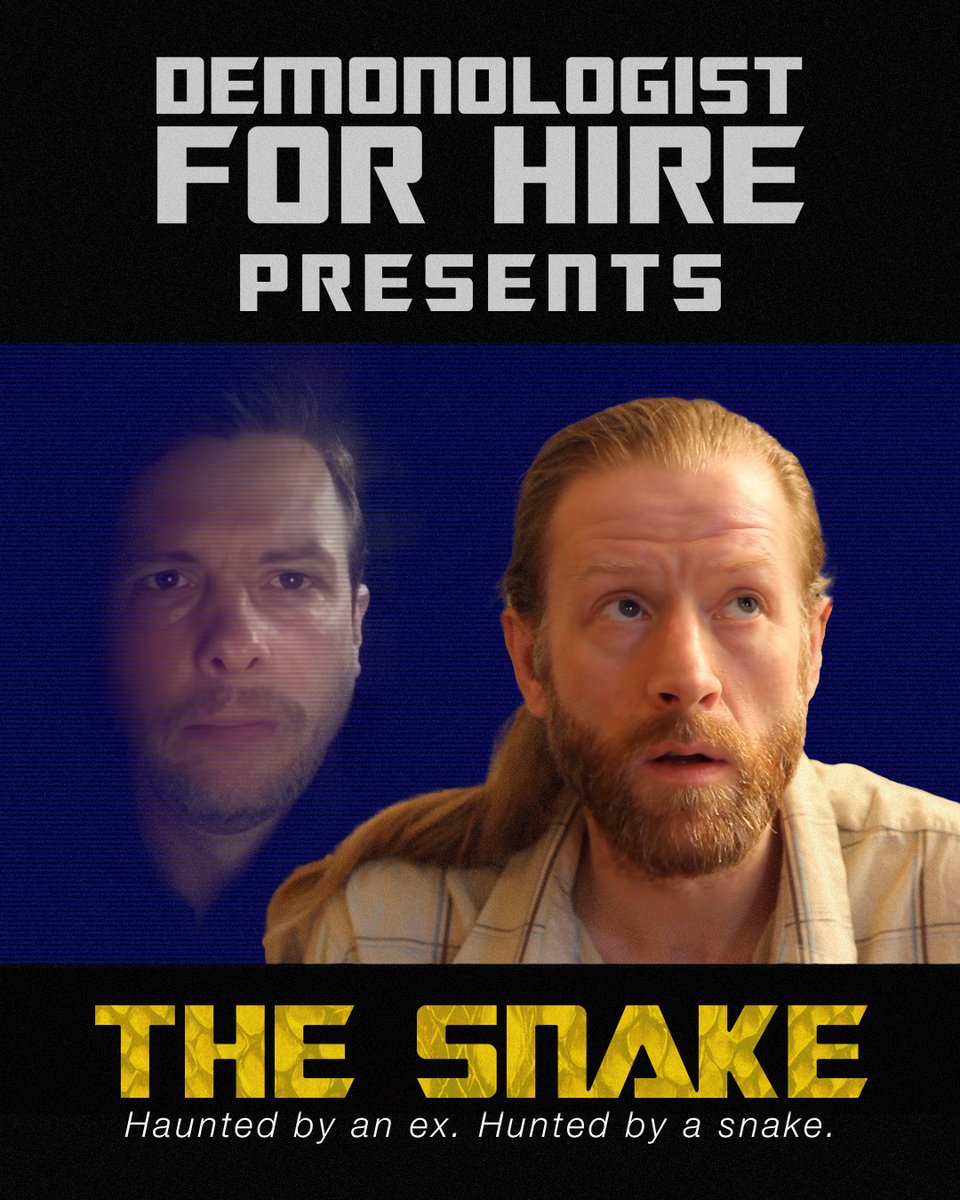
A caller. An ex. And the sound of hissing...
Demonologist For Hire Presents THE SNAKE
From Scotland’s award-winning web series Demonologist For Hire.
Watch here 👉 https://t.co/vhemd4pn41
#DemonologistForHire#ComedyHorror#ShortFilm#ScottishFilm
Demonologist For Hire Presents... The Snake
Haunted by an ex. Hunted by a snake.
Live on YouTube: Wed 7PM UK.
🔔 Subscribe & set reminder via https://t.co/vhemd4pn41
#DemonologistForHire#ComedyHorror#ShortFilm#ScottishFilm
Okay yeah let’s talk about it.
It’s because we literally don’t use those lights anymore to light anything, let alone women.
And also because modern actresses don’t want to be lit this way. 🧵