Seeing a few NQT/ECTs, starting to think/worry about their 1st lessons in September.
Don’t worry guys, you’re not alone & this is totally normal given you weren’t taught this in PGCE.
I wrote this guide to how I do 1st lessons a couple of summers ago. https://t.co/wPvI8pg943
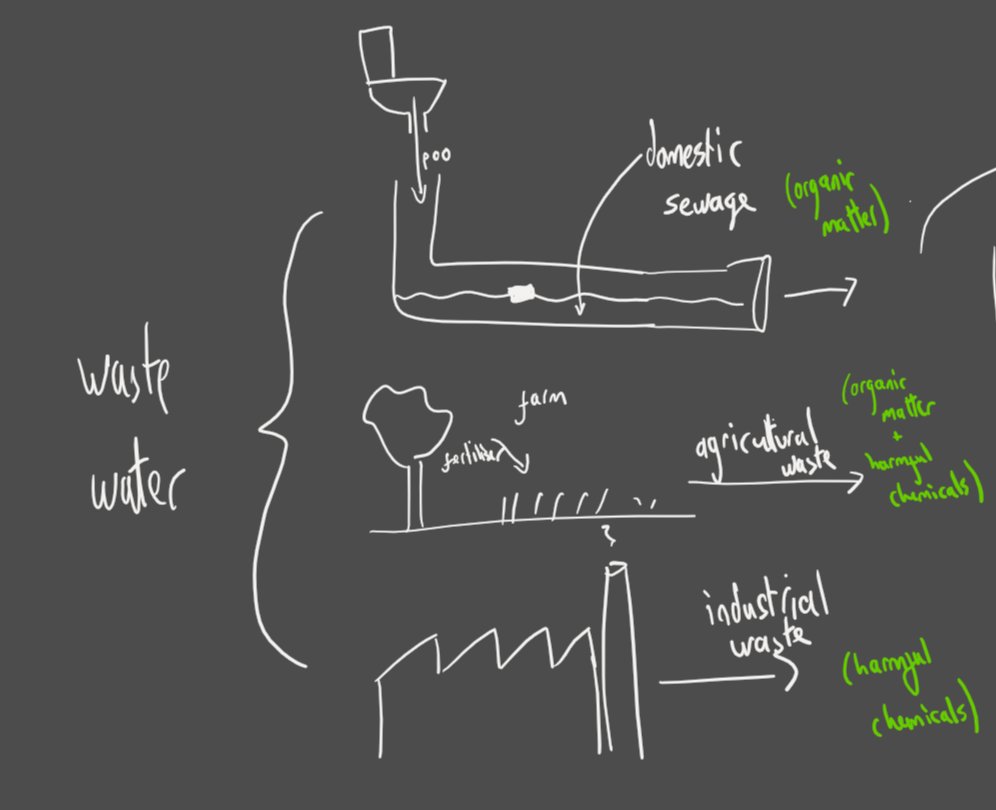
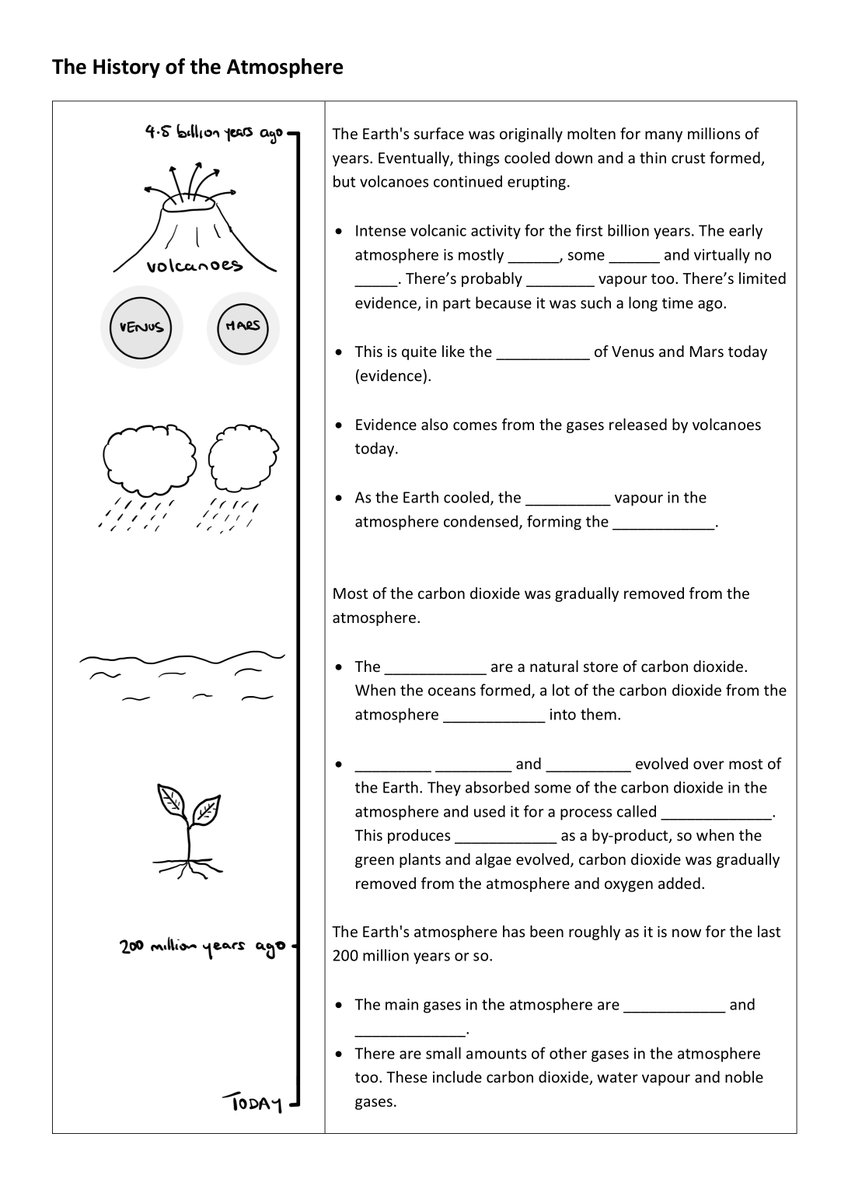
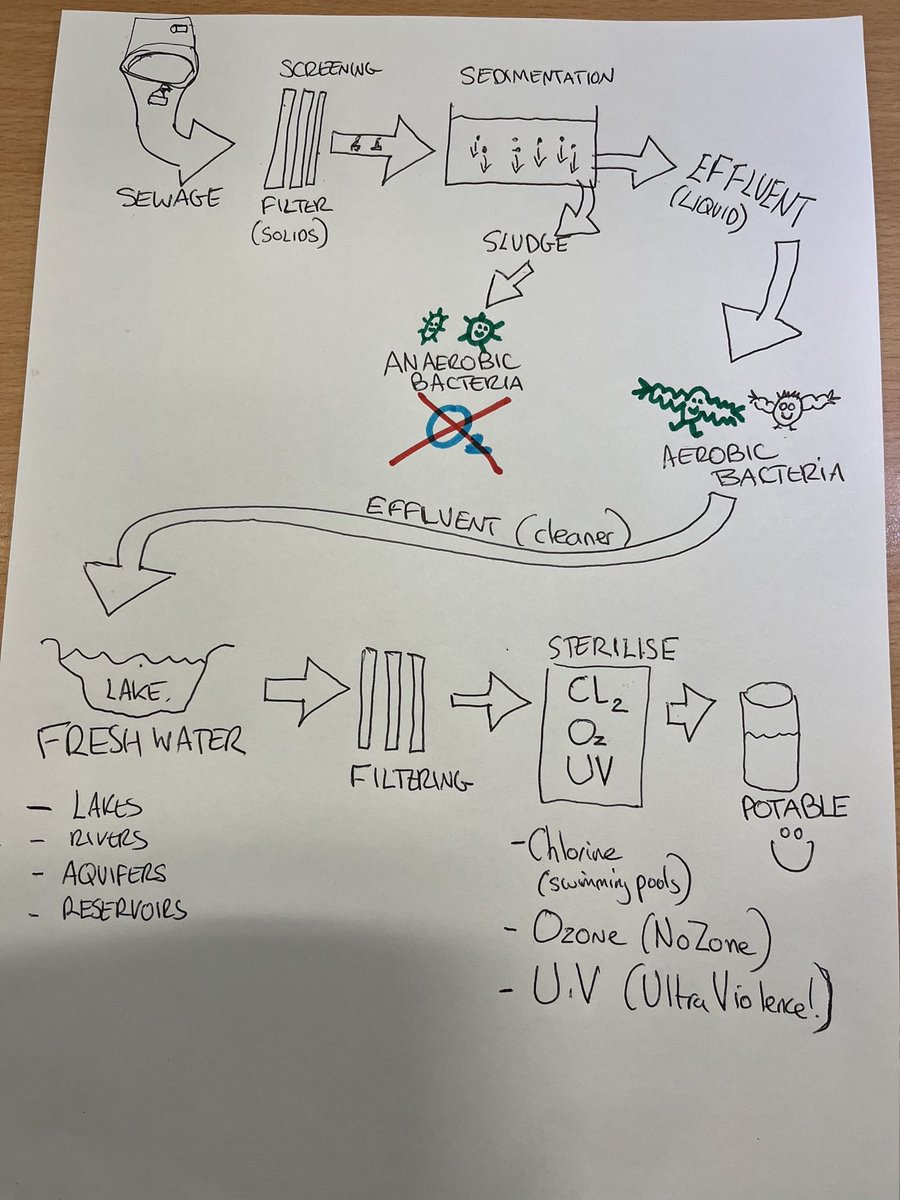
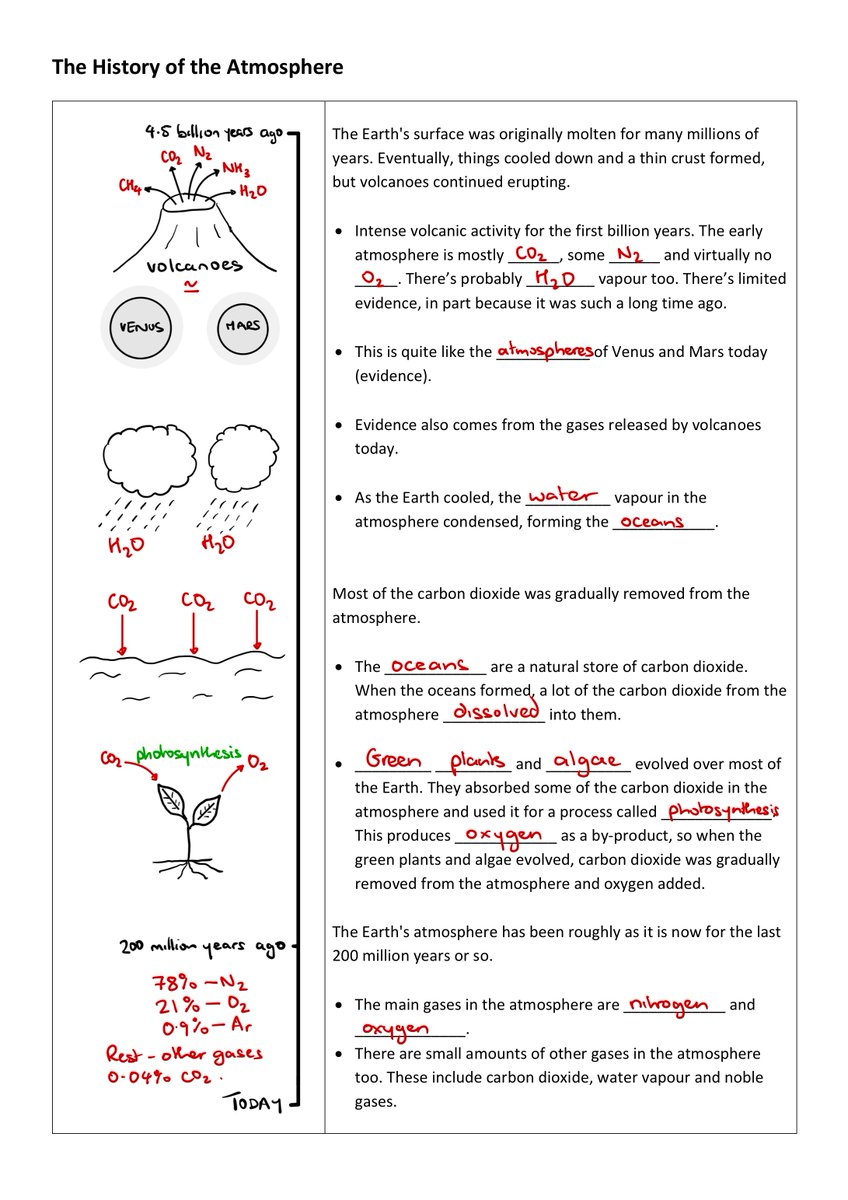
If anyone's interested in how I taught it - steady build up of concepts on the board, then some photos of what it looks like irl then a blank version of the diagram for a MWB QDC&C
@ChatChemistry The latest version of my notes (295 pages) covering the AQA A Level Chemistry course is in my shared folder (see pinned tweet).
In return, is anyone willing to share their required practical materials with me? This is something we're currently overhauling. Thx
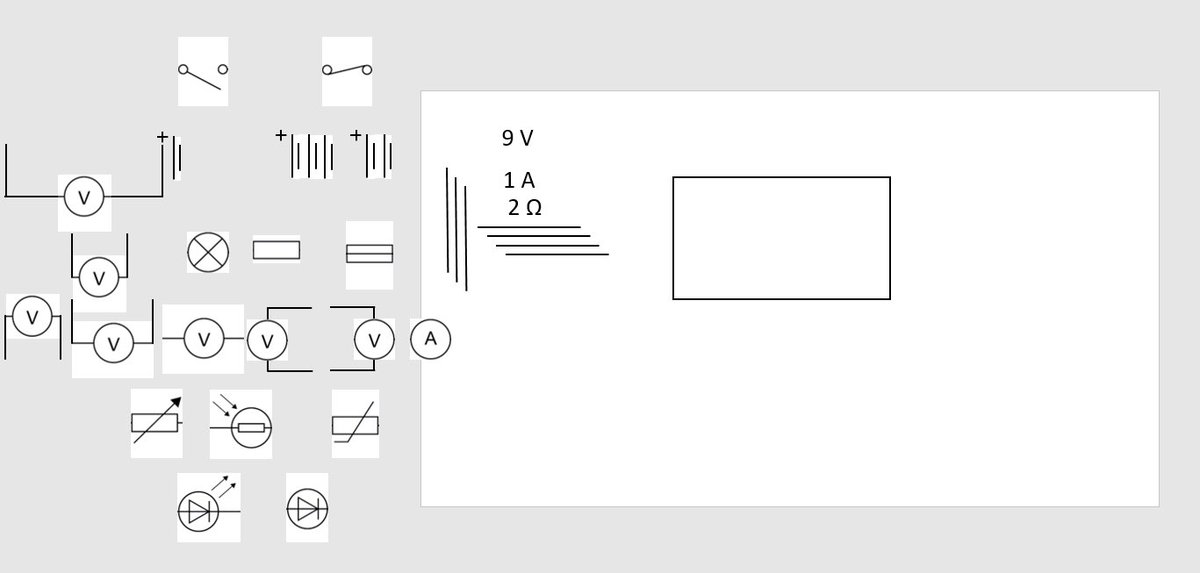
My present to physics teachers: the PPT I use to make circuit diagrams (AQA circuit symbols). I know there are programs to do this, but I’ve never found them as quick or as easily editable as this to make stuff suitable to show on the board or in booklets https://t.co/75DTHXpCRD
Atoms switching to become ions (or reverse) is cool.
The moment zinc loses electrons, it can dissolve in water and become invisible.
The moment hydrogen ions gain an electron, they pair up and become flammable gas.
Wow!
Anyone who teaches with a visualiser and PPT
Insert -> Cameo then select your camera shape
When visualiser is attached, click on cameo shape, then in the toolbar, camera format -> camera preview then select visualiser
Even more fun on a Mac as you can select an iPhone!
For anyone who teaches using a PowerPoint but also wants to use their visualiser - the cameo function on PowerPoint will change your life. Embed the visualier directly into PPT slide so no more faffing around going in and out of PowerPoint
Any recs for accessible popular science books to recommend to my very curious, high ability KS3 Science pupils? They often have fascinating Qs that we don’t always have time to discuss in class and I want to point them to other resources to address their curiosity.