Follow us for updates and chat about open access learning resources for teaching Evidence-Based Health Care, inspired by #EBHC2019. Find resources, suggest new ones and sign up to comment on them and at https://t.co/eWQXnbA7Qa
@sfinnikin@justsaysrisks@alex_freeman@teachingebhc Harding centre for risk: https://t.co/KSeHMbrzt7
And best free book on this stuff: https://t.co/UgONLoNmVR
@SketchyEBM is good: https://t.co/mtKZM4JZwR
Testing wisely has nice content on probability in relation to Dx tests: https://t.co/cFWVbpzPf9
eg. https://t.co/FI0Ye4g6qy
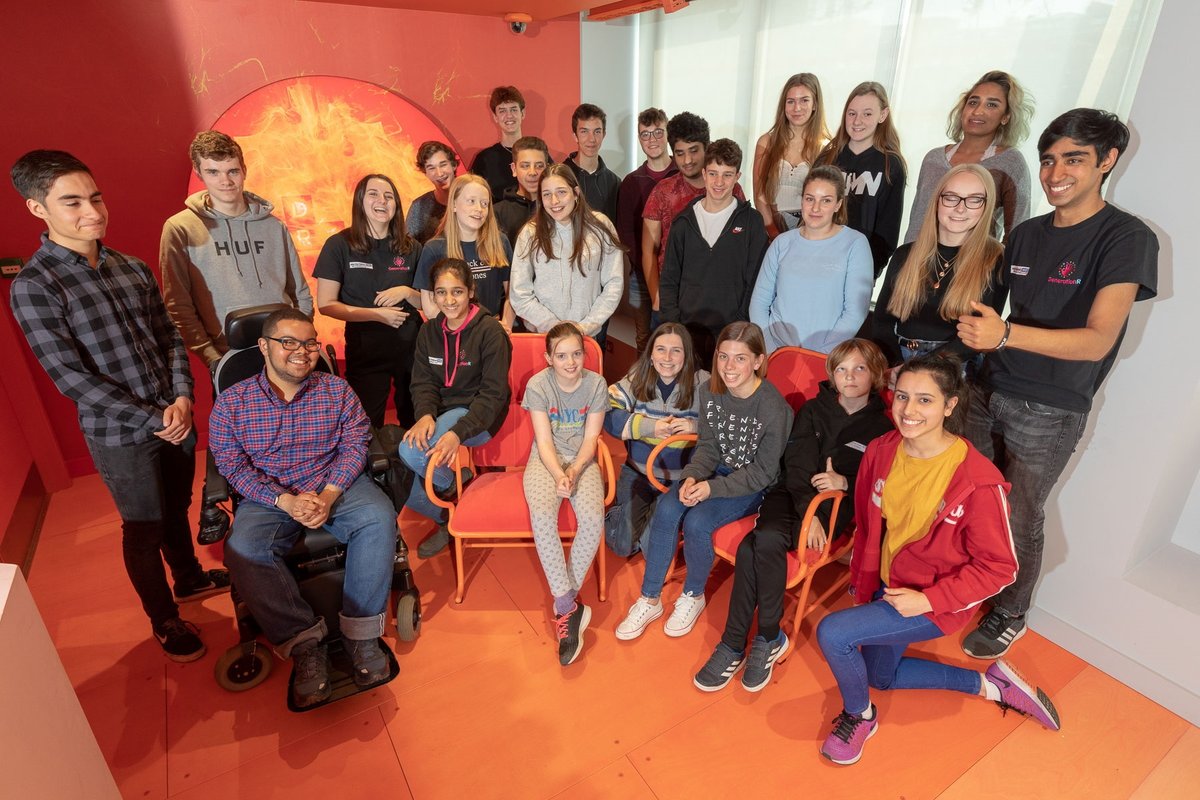
A new bundle of teaching resources for young people who want to get actively involved in research. Activities on #ethics, #research concepts and #clinicaltrials via @GenrYPAGs and @eYPAGnet
https://t.co/A1D1Qy2lkD
Learning about #ethics in #research - a new resource on @teachingebhc for #schools.
Lesson plan, group activities and videos, based around a mock trial.
Nice work by Kent, Surrey and Sussex @GenrYPAGs
https://t.co/7VxuERhC17
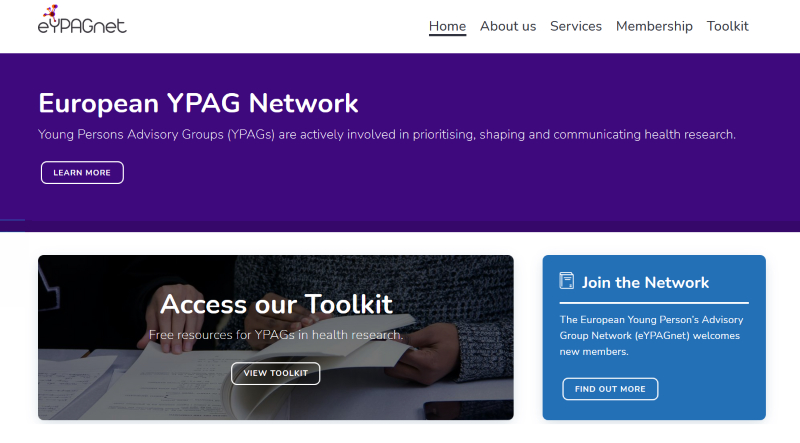
New Bundle for teaching young people about research, prepared to support @eYPAGnet, the European Network for Young Persons' Advisory Groups, and their new #involvement Toolkit. 1/2
Keep an eye on this one as more materials are added.
https://t.co/A1D1Qy2lkD
The power of the #citation - "turning hypothesis into fact" since time immemorial. Critical papers routinely ignored or downplayed. File this one under "suspicions confirmed" @Catalogofbias. Comes with an impressive graph. Thanks to BMJ for article permission.
Do the words: 'Don’t confuse “no evidence of a difference” with “evidence of no difference”' confuse you as much as it confuses us? @Students4BE have a handy article to help https://t.co/QH18aQUGM5
Negative results matter! How #publicationbias comes about because we prefer reporting positive outcomes from research, from @ConversationUK
https://t.co/34IR4csA2V
New to https://t.co/VzOXgvgJib - why reporting negative results matters, part of the Understanding Research series by @ConversationUK
https://t.co/34IR4csA2V